
Trust your gut is more than just a saying—it reflects a fascinating reality about how closely our digestive system and brain are linked. Over the last decade, science has revealed that gut health and mental health are deeply connected through a communication system known as the gut-brain axis.
Your gut is home to trillions of microbes, collectively called the gut microbiome, and these tiny organisms play a powerful role in shaping mood, behavior, and even mental resilience. In this article, we’ll explore how your gut influences your brain, the foods that support this connection, and practical steps you can take to boost both your digestive and mental well-being.

The Gut-Brain Axis: A Two-Way Street
The gut and brain communicate constantly through nerves, hormones, and biochemical signals. The most important link is the vagus nerve, which carries information back and forth between the two.
-
Mood regulation:
The gut microbiome helps produce neurotransmitters like serotonin, dopamine, and GABA—all essential for mental health.
-
Stress response:
A balanced gut can lower stress hormones like cortisol, while an unhealthy gut may intensify anxiety.
-
Inflammation control:
Chronic gut inflammation can trigger or worsen symptoms of depression and other mood disorders.

How Gut Imbalance Affects Mental Health
When the gut microbiome becomes unbalanced—a condition called dysbiosis—it can lead to:
- Higher rates of anxiety and depression
- Trouble concentrating or “brain fog”
- Increased risk of stress-related disorders
- Sleep disturbances
This shows why protecting gut health is not only about digestion but also about emotional stability and long-term mental health.
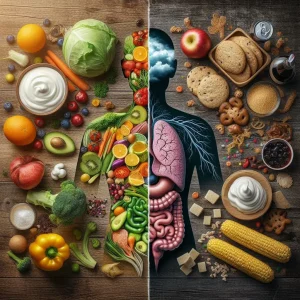
Foods That Support Gut and Mental Health
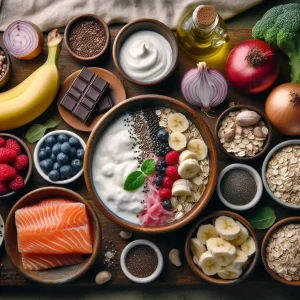
1- Probiotic-Rich Foods
- Yogurt, kefir, sauerkraut, kimchi, miso
- These add beneficial bacteria to the gut and support microbiome balance.
2- Prebiotic Foods
- Garlic, onions, leeks, asparagus, bananas, oats
- Prebiotics feed the good bacteria, helping them thrive.
3- Fiber-Packed Foods
- Whole grains, beans, lentils, fruits, vegetables
- Fiber supports healthy digestion and lowers inflammation.
4- Omega-3 Rich Foods
- Fatty fish (salmon, mackerel, sardines), flaxseeds, chia seeds
- Omega-3s reduce inflammation and support brain health.
5- Polyphenol-Rich Foods
- Berries, green tea, dark chocolate, olive oil
- Polyphenols act as antioxidants and promote healthy gut bacteria.
Foods and Habits to Limit
Just as some foods promote gut-brain balance, others may disrupt it:
- Processed foods: High in additives and unhealthy fats that damage gut bacteria.
- Excess sugar: Promotes the growth of harmful bacteria and increases inflammation.
- Artificial sweeteners: Linked to negative shifts in the microbiome.
- Chronic stress and poor sleep: Lifestyle factors that directly disrupt gut health.

Practical Tips to Strengthen the Gut-Brain Connection
- Eat a diverse diet: Variety supports a diverse microbiome.
- Stay hydrated: Water helps digestion and nutrient absorption.
- Manage stress: Try meditation, yoga, or breathing exercises.
- Exercise regularly: Physical activity improves both gut bacteria and mood.
- Prioritize sleep: 7–9 hours per night supports both gut and brain recovery.

Beyond Food: Building a Gut-Friendly Lifestyle
Gut health isn’t shaped by diet alone—it’s also influenced by how we live each day. Spending time in nature, maintaining meaningful social connections, and even owning a pet have all been shown to positively affect the microbiome. Fresh air, laughter, and physical touch release chemicals that support both the gut and brain. Think of it as a holistic ecosystem: what you eat, how you move, who you connect with, and even your environment all work together to create balance.
The connection between gut health and mental health is undeniable. By caring for your microbiome with nutritious foods, stress management, and healthy lifestyle choices, you can nurture both your digestive system and your emotional balance.
Your journey to better health starts from within—literally. Take one small step today, like adding a probiotic-rich food to your diet, and see how it impacts your mood and energy.
For more science-based nutrition advice and practical wellness tips, explore Nutrition Travels—your trusted guide to a healthier body and mind.