
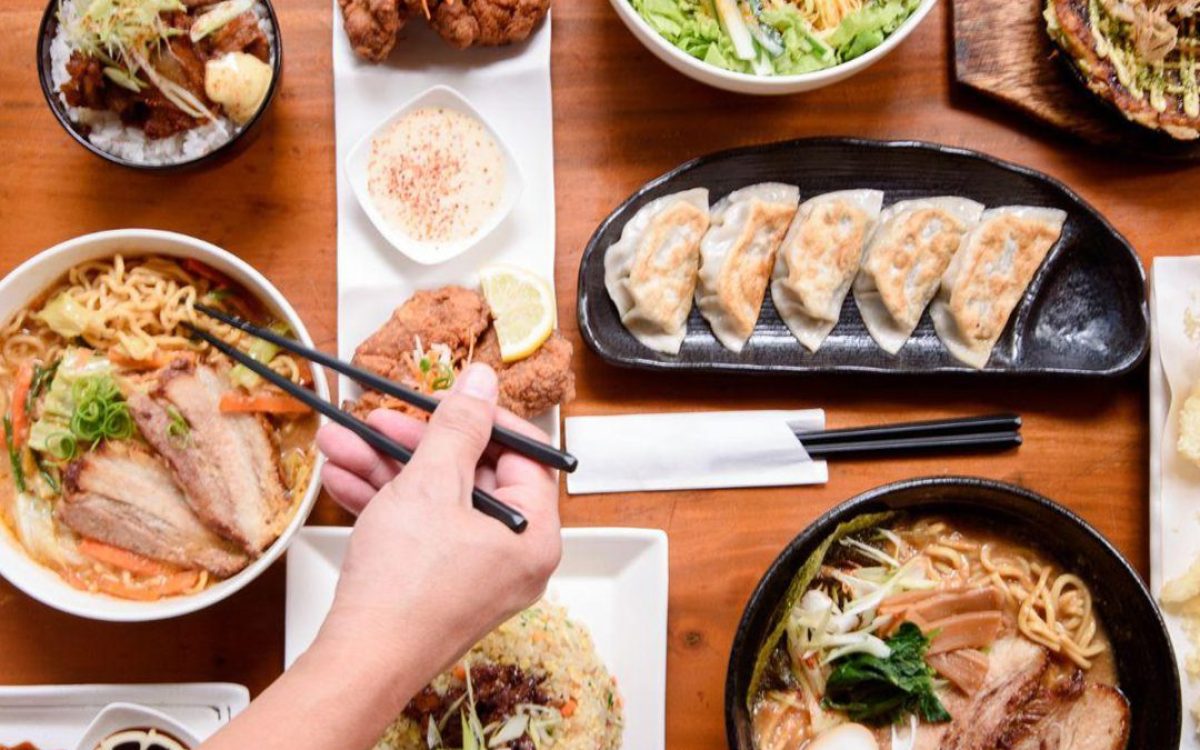
Tokyo offers more than just food—it delivers a cultural experience deeply rooted in history, craftsmanship, and respect for ingredients. As Japan’s capital and a global culinary hub, travelers can explore traditional cuisine in its most authentic and diverse forms. From bustling street food stalls to refined multi-course meals, every dish tells a story of balance, seasonality, and precision.
For first-time visitors, understanding what to eat and why it matters transforms a simple trip into a meaningful cultural adventure. Moreover, this knowledge allows you to engage with Tokyo on a deeper level. The city’s culinary scene combines centuries of tradition with modern creativity, ensuring that each meal is not only satisfying but also culturally enlightening.
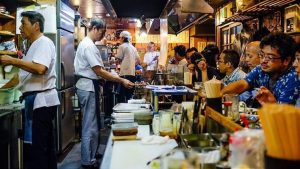
The Essence of Traditional Japanese Cuisine (Washoku)
Washoku, or traditional Japanese cuisine, emphasizes harmony—between flavors, colors, textures, and nutrition. Chefs design meals to highlight the natural taste of ingredients rather than mask them with heavy spices or sauces. Rice forms the foundation of most meals, accompanied by seafood, seasonal vegetables, fermented foods, and light broths.
In addition, seasonality plays a central role in Washoku. Ingredients change throughout the year, reflecting Japan’s deep connection with nature. For instance, spring features bamboo shoots and cherry blossoms in dishes, while autumn highlights mushrooms and chestnuts. This dedication ensures freshness and aligns meals with the rhythm of the seasons.
Moreover, Japanese cuisine values minimalism. Even the simplest meal demonstrates balance. A bowl of miso soup, a portion of grilled fish, and a side of pickles can embody a complete, nutritious meal that is visually appealing and deeply satisfying.
Sushi and Sashimi: Tokyo’s Culinary Icons
Sushi: A Timeless Classic
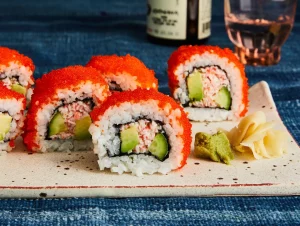
Tokyo is the birthplace of Edomae sushi, a traditional style from the Edo period. Unlike modern sushi rolls, Edomae sushi focuses on simplicity: vinegared rice topped with expertly prepared fish. As a result, sushi chefs dedicate years to perfecting rice texture, knife skills, and ingredient selection.
The Tsukiji Outer Market and neighborhood sushi counters provide experiences ranging from affordable bites to premium dining. Travelers can enjoy fresh tuna, salmon, or seasonal specialties like sea urchin and snapper. Additionally, conveyor belt sushi restaurants offer a casual and fun way to try a variety of flavors quickly.
Sashimi: Pure and Refined
Sashimi features thin slices of raw fish served without rice. This minimalist approach allows diners to fully appreciate seafood freshness. Often included in traditional meals, sashimi highlights Japan’s love for precision and elegance. Furthermore, it reflects a cultural philosophy of valuing ingredients in their purest form, without unnecessary embellishments.
Ramen, Udon, and Soba: Noodles with Soul
Ramen: Comfort Food Culture
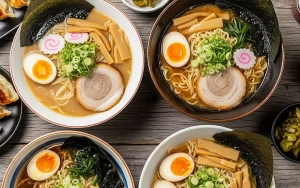
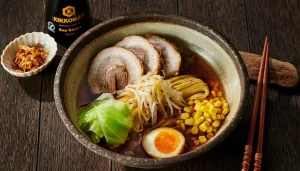
Ramen ranks among Tokyo’s most beloved dishes. Both locals and travelers enjoy its variety of flavors, from soy-based broths to rich pork bone soups. Each bowl combines broth, noodles, toppings, and seasoning in perfect harmony. Therefore, ramen has earned its reputation as a true comfort food.
Tokyo’s ramen scene offers incredible diversity. You can try miso ramen in Shinjuku, shoyu ramen near Tokyo Station, or tonkotsu ramen in Ikebukuro. Specialty toppings such as soft-boiled eggs, seaweed, bamboo shoots, and slices of pork make each bowl unique.
Udon and Soba: Simple Yet Satisfying
Udon offers thick, chewy noodles, while soba presents thin, nutty buckwheat strands. Both can be served hot or cold, paired with light broths or dipping sauces. Meanwhile, these noodles remain staples across Tokyo, providing an authentic taste of traditional Japanese meals. Street-side stalls often serve tempura alongside soba or udon, adding crunchy textures and flavors that complement the soft noodles.
Traditional Set Meals and Comfort Dishes
Teishoku: Balanced Japanese Dining
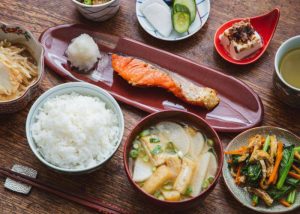
Teishoku is a set meal combining rice, miso soup, a main dish, and side dishes like pickles or vegetables. This style reflects balance and nutrition, making it an excellent introduction to Japanese cuisine. In fact, many casual restaurants in Tokyo specialize in teishoku meals, offering seasonal fish, fried chicken, or grilled tofu as the main course.
Tonkatsu: Crispy and Hearty
Tonkatsu features breaded and deep-fried pork cutlets served with cabbage, rice, and savory sauce. Consequently, despite being fried, it continues to be a traditional favorite for its satisfying flavor and comforting appeal. Additionally, some restaurants serve tonkatsu with miso soup, pickled radish, and mustard, creating a harmonious flavor profile.
Kaiseki: The Art of Fine Japanese Dining
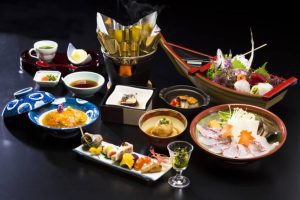
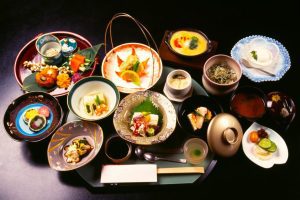
Kaiseki represents the pinnacle of Japanese cuisine. This multi-course experience emphasizes seasonal ingredients, elegant presentation, and carefully orchestrated flavors. In essence, each dish mirrors nature and the time of year, turning a meal into a visual and sensory journey.
While often associated with luxury, kaiseki provides deep insight into Japan’s culinary philosophy and craftsmanship. Moreover, visiting a kaiseki restaurant offers a cultural lesson: understanding the progression of flavors, the selection of plates, and the meticulous attention to detail enriches the dining experience beyond taste alone.
Street Food and Casual Favorites
Tokyo’s street food adds a lively, approachable dimension to traditional cuisine. For example:
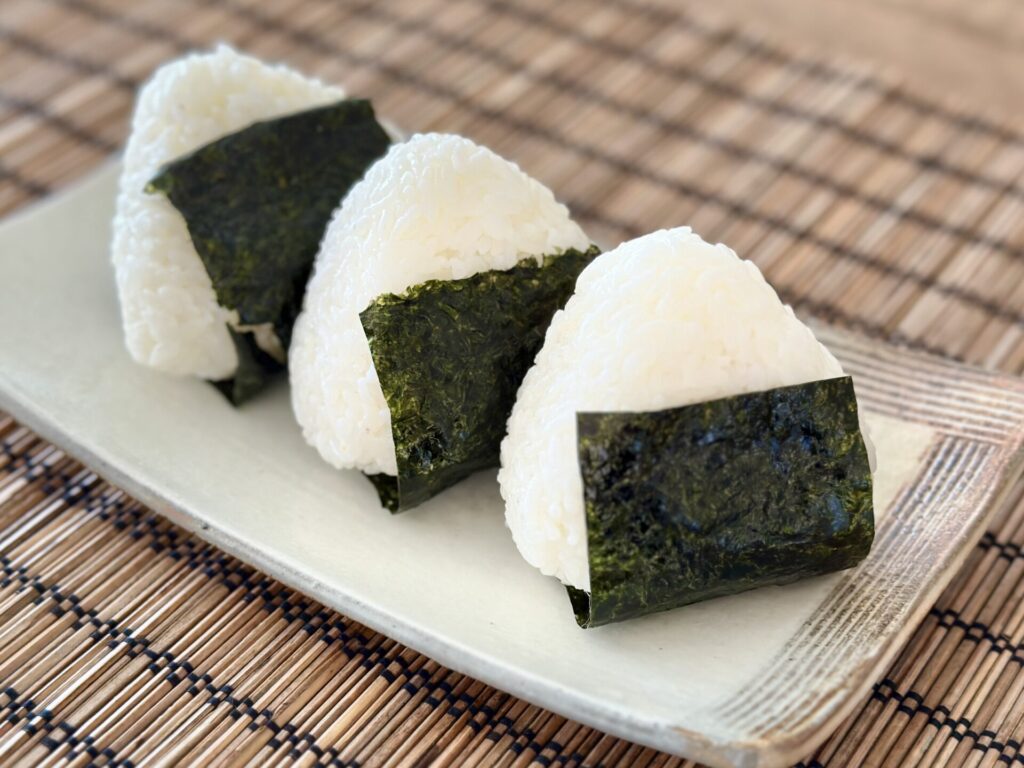
- Onigiri: Rice balls filled with salmon, tuna, or pickled plum
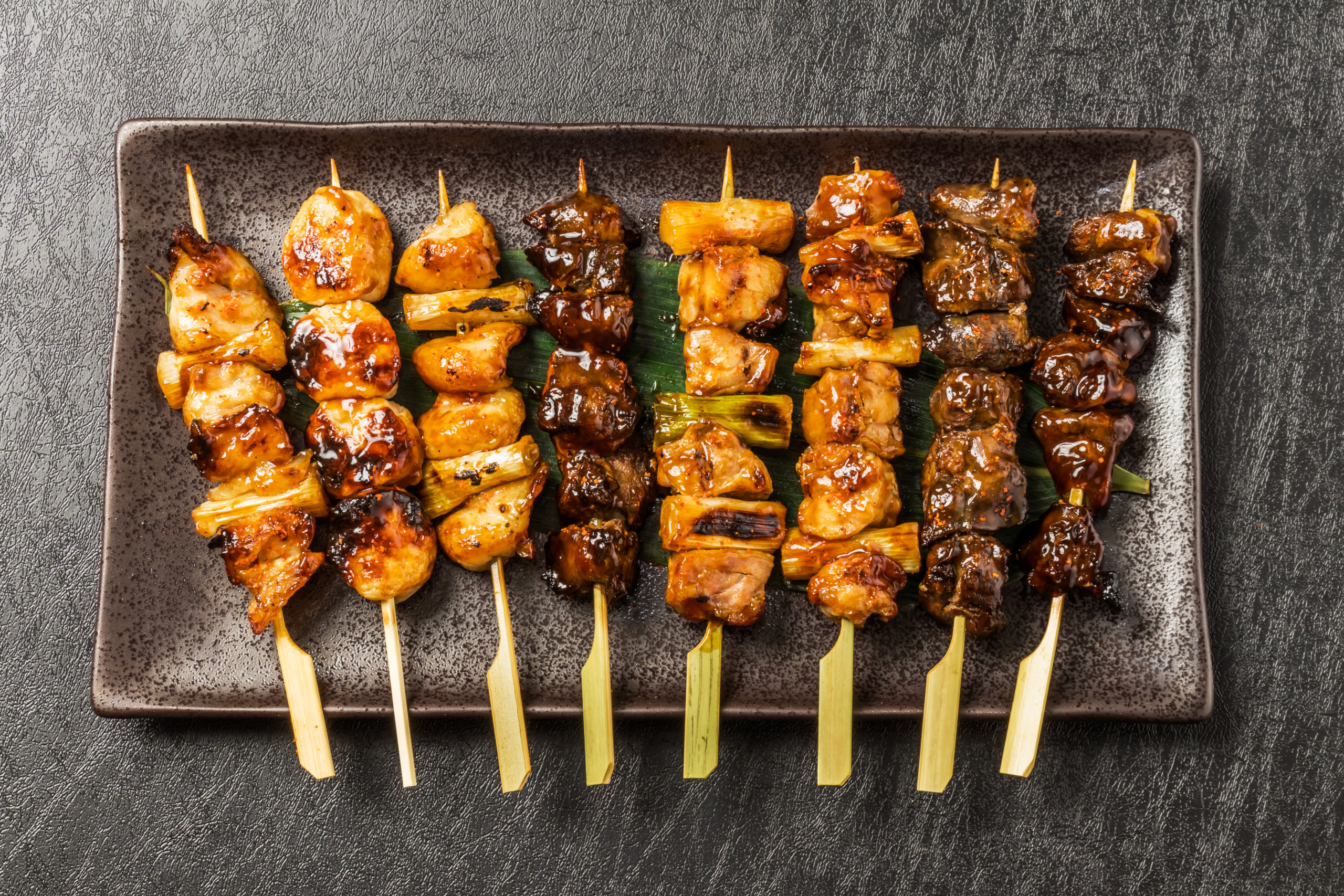
- Yakitori: Grilled chicken skewers perfect for casual eateries
- Taiyaki: Fish-shaped cakes stuffed with sweet red bean paste
- Takoyaki & Okonomiyaki: Savory snacks brimming with flavor
Additionally, festivals and night markets showcase seasonal street foods like roasted sweet potatoes, tempura skewers, and mochi desserts. These options provide travelers with quick, affordable, and authentic bites.

Essential Ingredients in Japanese Cuisine
Japanese dishes rely on a few core elements:
- Rice as the main staple
- Seafood reflecting Japan’s coastal heritage
- Miso for depth and umami
- Seasonal vegetables for freshness and balance
Additionally, soy sauce, dashi (broth), and pickled vegetables are key to creating the layered flavors characteristic of Japanese cooking. As a result, even simple dishes can achieve complex taste profiles without relying on heavy spices.
Japanese Dining Etiquette
Before meals, diners say “Itadakimasu” to express gratitude. After finishing, “Gochisousama desu” thanks the cook. Such gestures reflect the respect embedded in Japanese culture. Furthermore, using chopsticks properly, not passing food from chopstick to chopstick, and eating in a calm, appreciative manner demonstrates cultural understanding and politeness.
Traditional Japanese cuisine in Tokyo offers more than meals—it provides a journey through history, culture, and mindful living. From a comforting bowl of ramen to an elegant kaiseki feast, every dish celebrates balance, quality, and tradition. Moreover, exploring Tokyo through its food allows travelers to connect with the city on a deeper level, appreciating the values shaping everyday life in Japan.
For those passionate about discovering the world through food, culture, and smart travel, explore more inspiring guides on Nutrition Travels. Let your next adventure begin with flavor, curiosity, and unforgettable experiences—one bite at a time.