
In today’s world, sugar has become an almost invisible part of our daily diet. It hides in drinks, sauces, cereals, and even foods that don’t taste sweet at all. This quiet invasion of sugar has contributed to serious health concerns such as obesity, diabetes, and heart disease. But more and more people are realizing the power of change — and turning toward a sugar-free lifestyle to regain their health and energy.
A sugar-free diet doesn’t mean giving up all sweetness; it means learning to choose the right kind. When you understand how sugar affects your body and discover healthy alternatives, you can enjoy delicious food without guilt or health risks.

The Benefits of Reducing Sugar
1- Better Weight Control
When you cut back on sugar, you automatically reduce empty calories. This helps you manage your weight more effectively, especially since sugary foods often cause hunger spikes and cravings that lead to overeating.
2- Improved Heart Health
Lowering sugar intake helps reduce triglycerides and harmful cholesterol levels, both of which are major risk factors for heart disease. A balanced sugar-free diet supports a stronger heart and better circulation.
3- Stable Blood Sugar Levels
Eating less sugar helps prevent sharp rises and drops in blood glucose levels — essential for people managing diabetes or insulin resistance. You’ll feel more balanced and alert throughout the day.
4- Stronger Teeth and Gums
Sugar is the main cause of cavities and gum problems. Reducing it helps you maintain a brighter, healthier smile and better oral hygiene overall.
5- Boosted Energy and Focus
Unlike refined sugar, which gives a short burst of energy followed by a crash, a sugar-free diet keeps your energy steady. You’ll notice more focus, mental clarity, and productivity.

Why “Sugar-Free” Doesn’t Always Mean Healthy
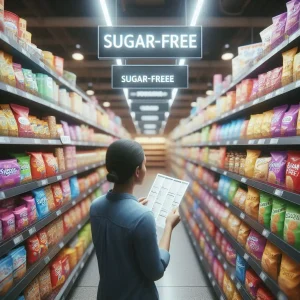
Labels can be misleading. Just because a product says “sugar-free” doesn’t mean it’s actually healthy. Many of these foods are full of artificial sweeteners, refined carbs, or chemical additives.
Artificial Sweeteners
Common types include aspartame, sucralose, and acesulfame potassium. While they don’t raise blood sugar, studies suggest they might affect gut bacteria, appetite, and metabolism when consumed in excess.
Hidden Carbs and Additives
Some “sugar-free” products use refined starches or processed ingredients that still raise blood glucose. Others replace sugar with unhealthy fats or sodium, which can cause other health issues.
The key is to read labels carefully and choose products made from natural ingredients.
Natural vs. Artificial Sweeteners
Natural Sweeteners:
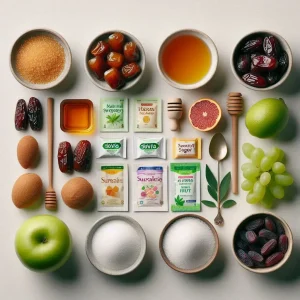
Found in whole foods like fruit, honey, maple syrup, and coconut sugar, natural sweeteners contain calories but also offer nutrients, antioxidants, and fiber. The fiber in fruits helps slow sugar absorption, preventing blood sugar spikes and keeping energy levels steady. Honey and date syrup also provide trace minerals and anti-inflammatory compounds that can benefit overall health. However, “natural” doesn’t mean unlimited — consuming too much can still lead to weight gain and blood sugar imbalance. Moderation is key.
Artificial Sweeteners:
Low- or zero-calorie options like stevia, monk fruit extract, or sucralose can help reduce sugar intake and manage weight or diabetes. While they don’t raise blood sugar, overuse may cause digestive issues or alter taste perception, making natural foods seem less sweet.
Pro Tip from Nutrition Travels:
Rotate between natural options like honey, date syrup, or coconut sugar and low-calorie plant-based choices such as stevia. Variety keeps your meals enjoyable while supporting balanced nutrition.
Reducing Sugar in Kids’ Diets
Children today consume more sugar than ever before — mainly from sweetened drinks, packaged snacks, and cereals. According to the American Academy of Pediatrics, nearly 17% of kids’ daily calories come from added sugars.
To protect your child’s health:
- Offer water or milk instead of soft drinks or juices.
- Choose unsweetened yogurt and flavor it with fresh fruit.
- Make homemade treats using natural sweeteners.
- Check nutrition labels — aim for less than 10g of sugar per serving.
Lowering sugar early helps kids develop better eating habits and reduces risks of obesity and energy crashes.

Healthy Sugar-Free Snack Ideas
For Kids and Adults
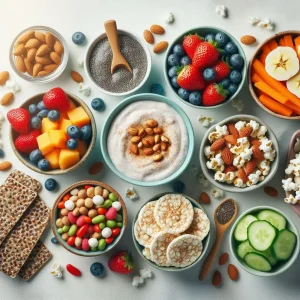
- Fresh fruit slices (apples, berries, bananas)
- Greek yogurt with cinnamon and nuts
- Chia pudding made with coconut milk
- Homemade granola sweetened with honey
- Rice cakes with peanut butter
- Air-popped popcorn with olive oil
- Raw veggies with hummus or guacamole
These snacks are rich in fiber, protein, and healthy fats — the perfect combo to keep you satisfied and energized without the sugar rush.
Common Mistakes in Going Sugar-Free
- Replacing sugar with too many artificial sweeteners — it may trigger cravings and digestive discomfort.
- Ignoring hidden sugars — sauces, dressings, and “healthy” snacks often contain them.
- Cutting carbs completely — your body still needs complex carbs for energy.
- Skipping meals — balance, not restriction, is the goal.
Remember, the goal is to build long-term sustainable habits, not to deprive yourself.
Practical Tips to Reduce Sugar at Home
- Replace sugary drinks with water or milk.
- Read food labels — choose items with less than 10g of sugar per serving.
- Add fruits to oatmeal or cereal for natural sweetness.
- Replace white sugar in baking with honey, maple syrup, or agave nectar (in moderation).
- Limit diet sodas and artificially sweetened snacks.
Balance Over Restriction
Cutting sugar doesn’t mean sacrificing joy — it means choosing what truly nourishes your body and mind. Whether you prefer natural sugars or low-calorie alternatives, moderation is the real secret.
Focus on whole, real foods, reduce added sugars, and allow yourself to enjoy the real sweetness of health and vitality. Health isn’t a final goal; it’s a continuous journey worth living one mindful step at a time.
At Nutrition Travels, we’re here to walk beside you on that journey — with reliable articles, practical guides, and everyday nutrition tips to help you eat smarter, live better, and feel stronger.