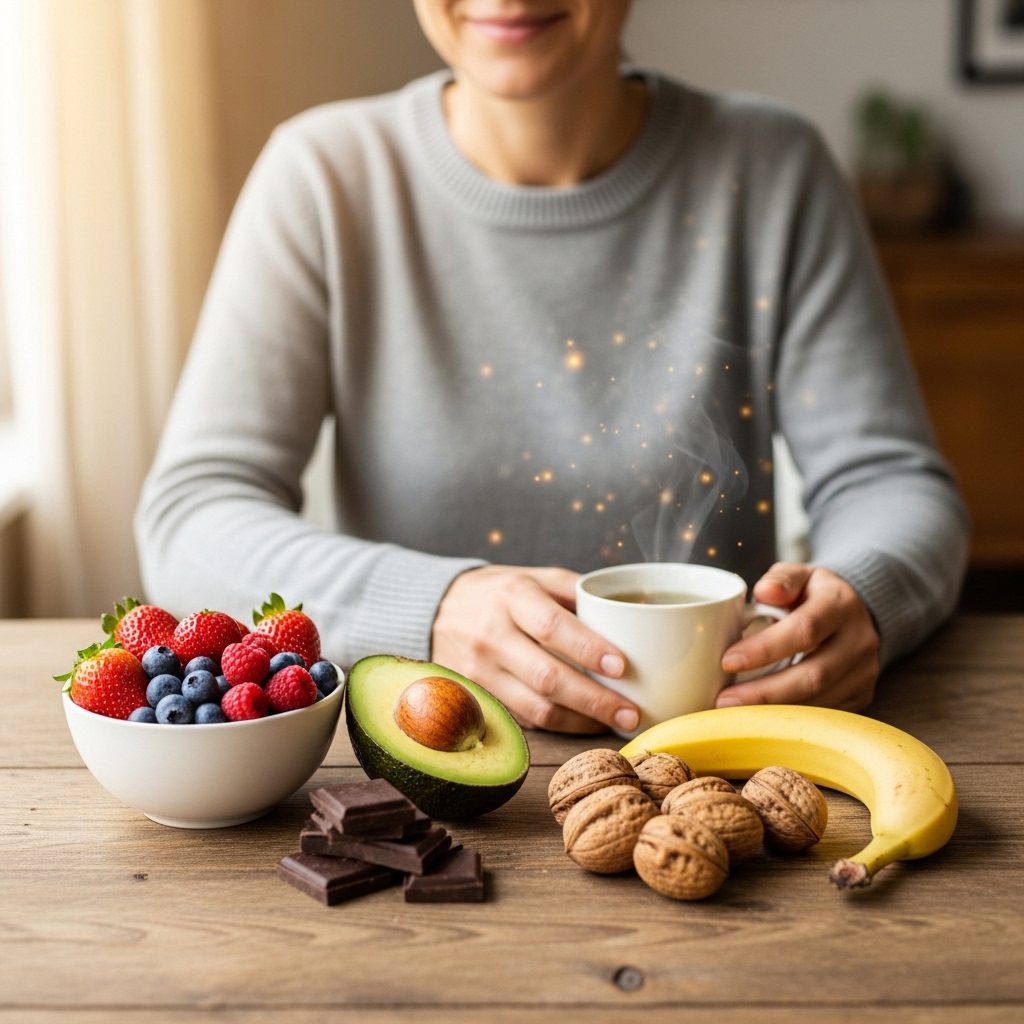
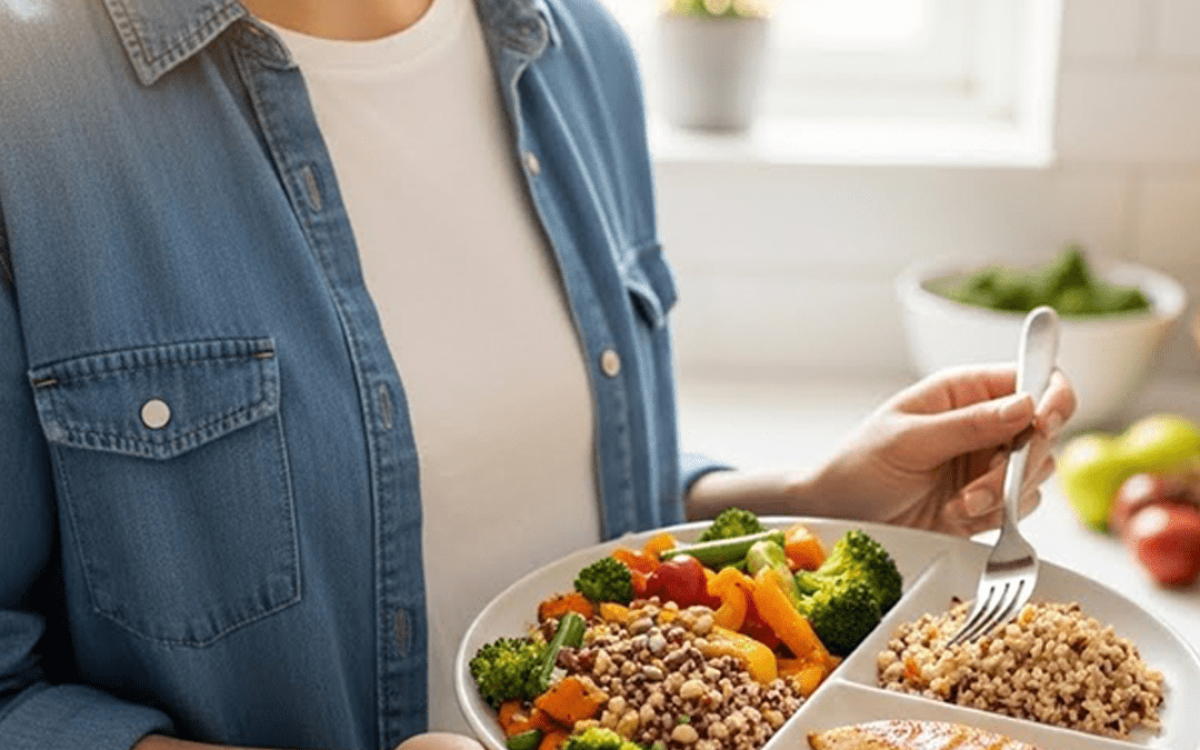
The Science of Cravings explains why we are drawn to certain foods, especially fast food, and how our brain, emotions, and habits drive these urges. By understanding The Science of Cravings, you can learn practical ways to manage your cravings, make smarter food choices, and maintain a balanced relationship with eating—without guilt or extreme restriction.
Real Hunger vs. Cravings: What’s the Difference?
There is an important distinction between real hunger and cravings:
- Real hunger develops gradually and reflects the body’s genuine need for energy.
It can usually be satisfied with a balanced meal that includes protein, carbohydrates, and healthy fats. - Cravings, on the other hand, appear suddenly and focus on a specific type of food, often fast food or sweets.
These urges can occur even when the body does not actually need nourishment.
Recognizing this difference is a key step in responding appropriately.
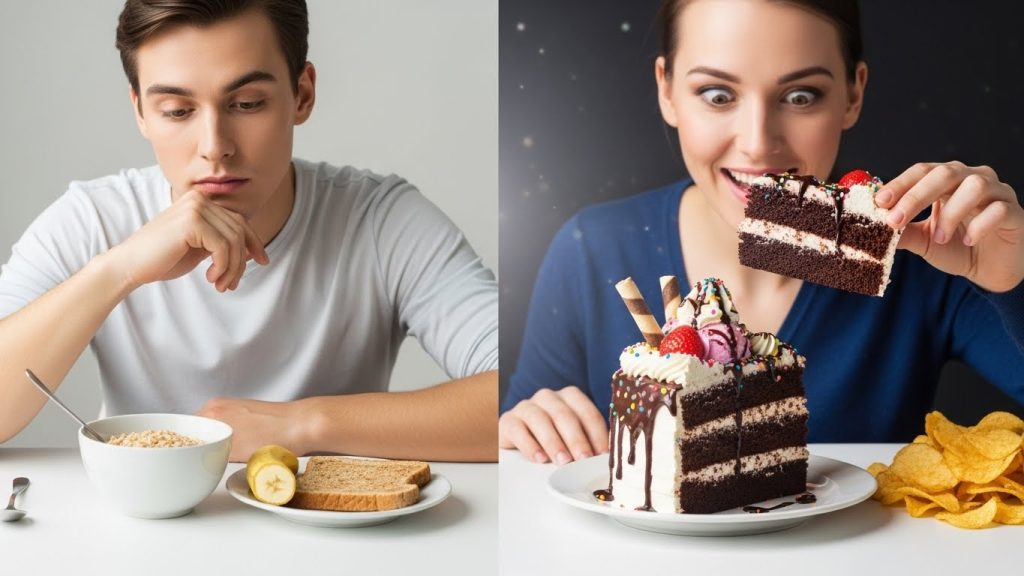
How the Brain Influences Fast Food Cravings
Fast food strongly affects the brain’s reward system:
- When fast food is consumed, the brain releases dopamine, the chemical linked to pleasure and reward.
• This rapid dopamine release teaches the brain to associate fast food with comfort, happiness, or stress relief.
• Over time, the brain begins to demand this type of food whenever a person feels stressed, tired, or emotionally overwhelmed.
Without awareness, this pattern becomes difficult to break.
Why Fast Food Is More Appealing Than Other Foods
Fast food is carefully engineered to be irresistible:
- It combines fat, sugar, and salt in precise ratios that overstimulate pleasure centers in the brain.
- It delivers immediate satisfaction but fails to create lasting fullness.
- As a result, cravings often return shortly after eating.
This cycle explains why fast food feels addictive despite being nutritionally poor.
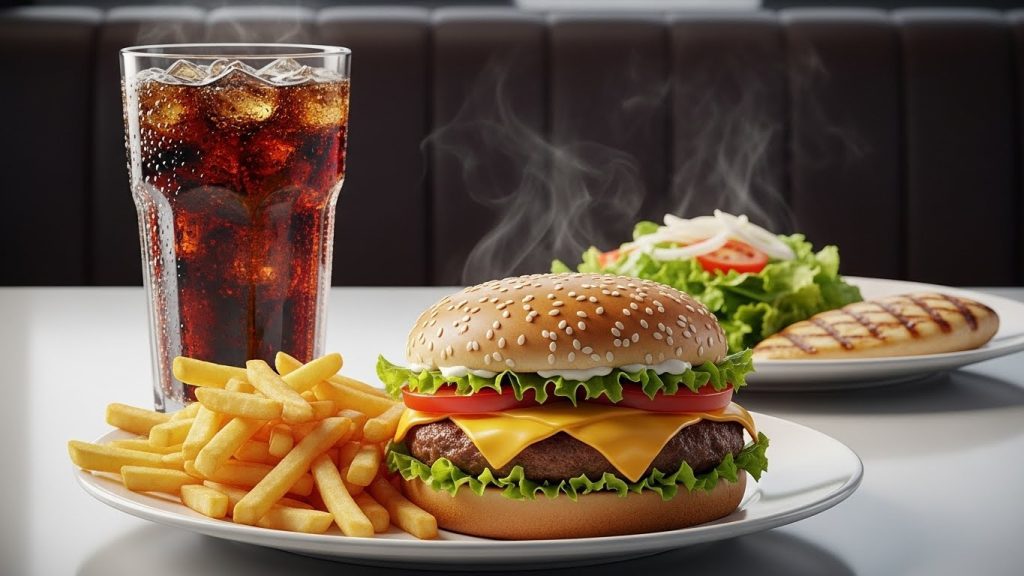
The Science of Cravings : The Emotional Role in Cravings
Not all cravings are driven by physical hunger:
- Stress, boredom, anxiety, and exhaustion frequently trigger fast food cravings.
- In these moments, food is used as emotional comfort rather than physical nourishment.
- This emotional eating pattern reinforces the habit of turning to fast food during difficult moods.
The Impact of Lack of Sleep on Appetite
Sleep plays a major role in appetite regulation:
- Sleep deprivation increases hunger hormones.
- At the same time, it lowers satiety hormones responsible for feeling full.
- This hormonal imbalance increases cravings for sugar and fast food and weakens decision-making around food choices
Daily Habits and Automatic Cravings
Some cravings develop through repetition rather than hunger:
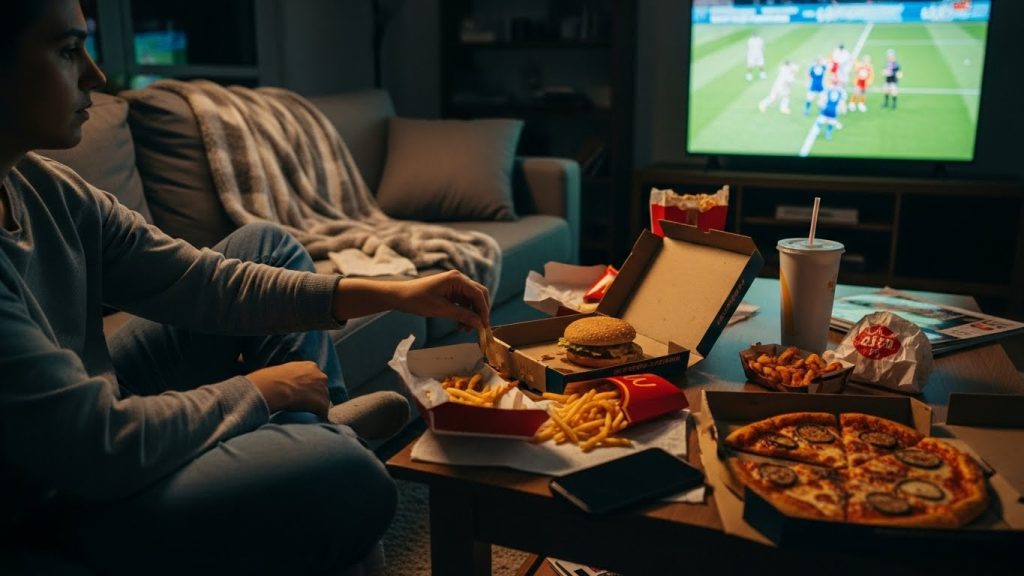
- Eating snacks while watching TV
- Ordering fast food every weekend
- Associating certain activities with specific foods
Over time, the brain links the situation itself with eating, causing cravings to appear automatically.
The Role of Advertising in Triggering Cravings
Food marketing powerfully influences appetite:
- Advertisements use colors, visuals, sounds, and emotional cues to stimulate desire.
- Exposure to these ads can trigger cravings even in the absence of hunger.
- They reactivate memories of pleasure linked to fast food consumption.
Does Deprivation Make Cravings Worse?
Strict restriction often has the opposite effect:
- Completely forbidding certain foods increases mental focus on them.
- This can lead to stronger cravings and eventual binge eating.
- Balance and flexibility are far more effective for long-term control than total deprivation.
Fast food cravings are driven by clear scientific factors, including brain chemistry, emotional states, sleep quality, daily habits, and external influences like advertising. Understanding these elements provides control and awareness, allowing cravings to be managed thoughtfully rather than fought blindly.

How to Control Cravings Without Deprivation
After understanding the scientific and psychological reasons behind fast food cravings, the most important question arises: how can we deal with them in a smart and sustainable way?
The solution does not rely on harsh restriction, but rather on reshaping how we think about food and adjusting our daily habits in a realistic way.
Start by Organizing Your Main Meals
Skipping meals or relying on unbalanced ones significantly increases the likelihood of craving fast food later in the day.
- When the body lacks enough protein, fiber, and healthy fats, it looks for a quick source of energy
- This often leads to sudden cravings for fast food or sugary snacks
- Eating three balanced main meals, along with healthy snacks when needed, helps stabilize blood sugar levels
- Stable blood sugar reduces sudden hunger spikes and unhealthy cravings
The Science of Cravings : Add Instead of Restrict
Instead of focusing on what is “forbidden,” shift your mindset to what you can add.
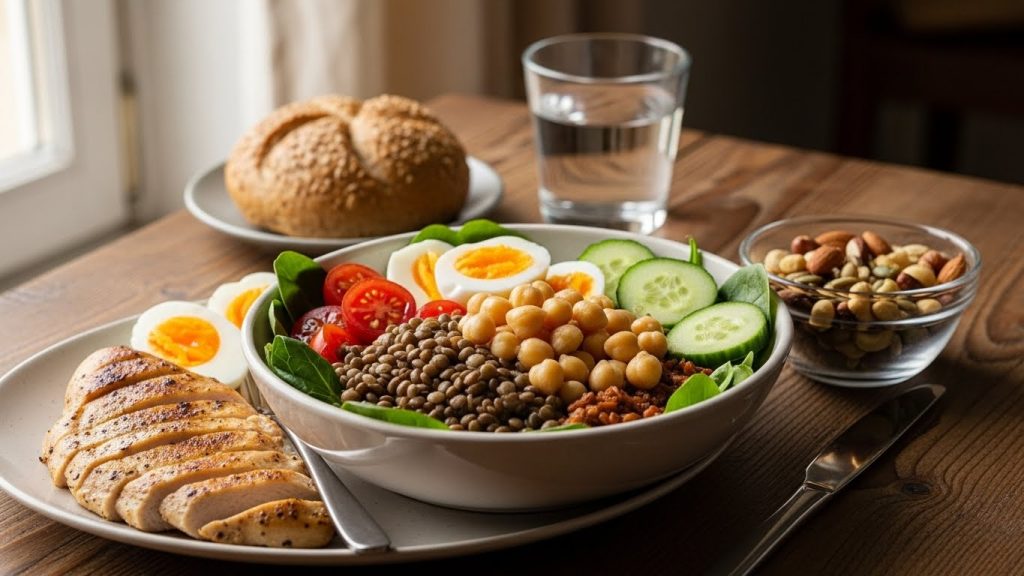
- Adding protein sources such as eggs, legumes, or lean meats increases satiety
- Fiber-rich vegetables slow digestion and help you feel full longer
- This approach naturally reduces fast food cravings without feeling deprived
- It also makes dietary changes easier to maintain long term
Drink Water Sometimes It’s Not Hunger
The body often confuses thirst with hunger.
- Before acting on a craving, try drinking a glass of water
- Wait a few minutes and observe whether the craving fades
- Proper hydration supports overall body functions
- It also helps reduce false hunger signals that trigger unnecessary eating
Learn to Pause Before Eating
Cravings often trigger automatic behavior, but a simple pause can change the outcome.
- When a strong craving appears, stop for a moment
- Ask yourself: Am I truly hungry, or am I stressed, tired, or bored?
- This pause interrupts emotional or habitual eating
- It creates space for making a more conscious and healthier choice
The Science of Cravings :Handle Emotions Without Using Food
When cravings are emotional, food rarely solves the real issue.
- Stress, exhaustion, and emotional overload often drive fast food cravings
- Light physical movement, such as walking, can reduce tension
Deep breathing helps calm the nervous system - Changing your environment, even briefly, can lower craving intensity
Over time, the mind learns healthier coping mechanisms instead of relying on food for comfort.

Do Not Make Fast Food a “Reward”
Linking food to rewards strengthens cravings and emotional attachment.
- Using fast food as a reward increases its psychological value
- It makes certain foods seem more desirable than they actually are
- Food should be viewed as nourishment and balanced enjoyment
- Not as an emotional escape or solution to stress
Allow Flexibility Without Guilt
A healthy relationship with food does not require perfection.
- Eating fast food occasionally and mindfully does not ruin a healthy lifestyle
- Problems arise when it becomes a daily habit
- Guilt often leads to overeating and loss of control later
- Flexibility supports long-term balance and consistency
The Science of Cravings :Change Your Food Environment
Your surroundings strongly influence your food choices.
- What is easily available is usually what you eat
- Keeping healthy options at home makes better choices automatic
- Reducing fast food availability lowers temptation
- This minimizes the need for constant willpower

Control Begins with Understanding, Not Restriction
Fast food cravings are not the enemy. They are messages from the body and mind that require understanding, not punishment.
- Awareness helps identify the real cause of cravings
- Flexibility makes control more sustainable
- Small, consistent changes create long-term results
If you want to learn more about building a healthy relationship with food, understanding hunger cues, and choosing smart alternatives that fit your daily lifestyle, visit nutritiontravels.
Discover practical content that combines nutrition, awareness, and enjoyment without deprivation