

It’s fascinating to discover that the connection between food and mood isn’t just a fleeting feeling when we reach for comfort food on a tough day — it’s a real biological relationship between what we eat and how we feel. The brain relies on specific nutrients to produce chemicals responsible for relaxation and well-being, with serotonin being one of the most important.
Serotonin is often called the “happiness hormone”, but in reality, it’s a neurotransmitter that helps regulate sleep, appetite, emotional stability, and even focus. When serotonin production is balanced, a person may feel calmer and better able to handle daily stress.
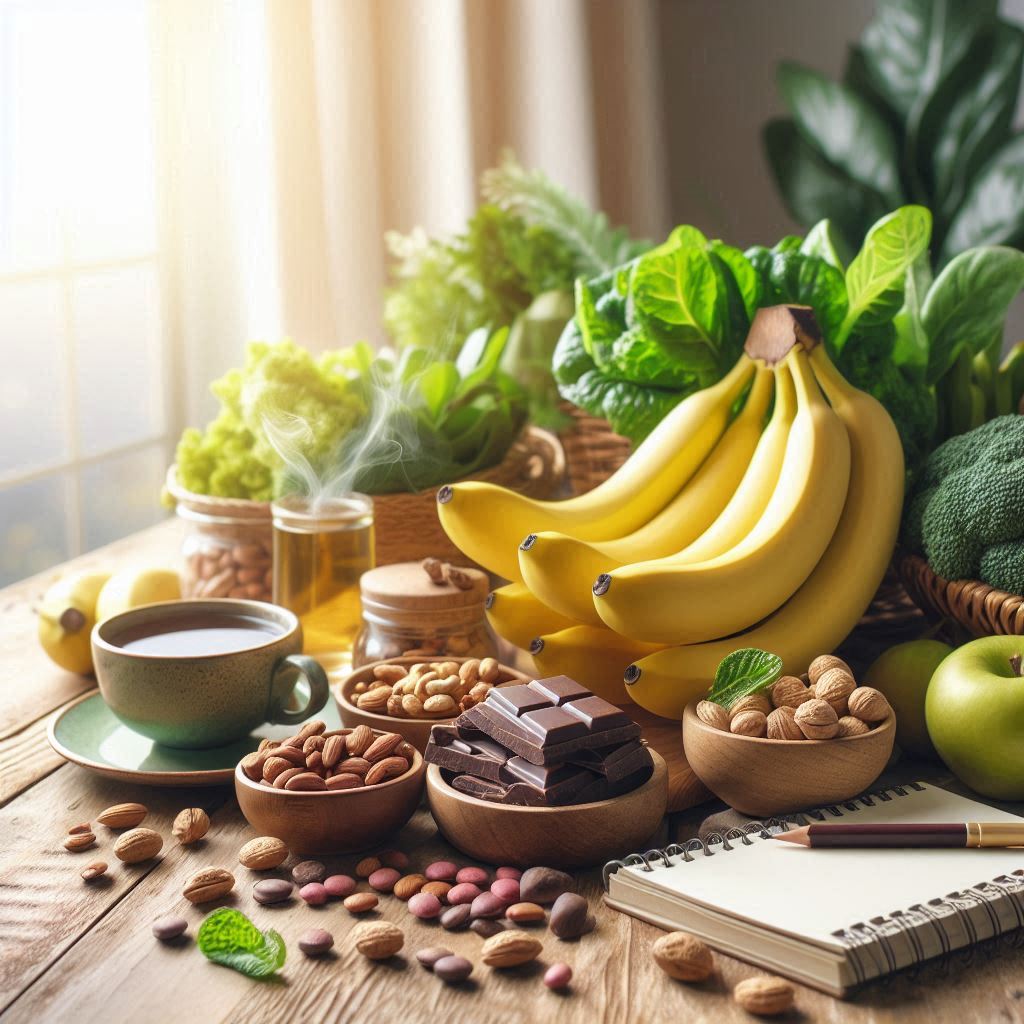
How does food affect brain chemistry?
To understand food and mood, imagine the brain as a small factory that needs raw materials to produce the chemicals responsible for feelings of well-being. Without these materials from the diet, serotonin production may be less efficient.
Key nutrients linked to serotonin production include:
-
- Tryptophan
- Complex carbohydrates
- Vitamin B6
- Magnesium
- Omega-3 fatty acids
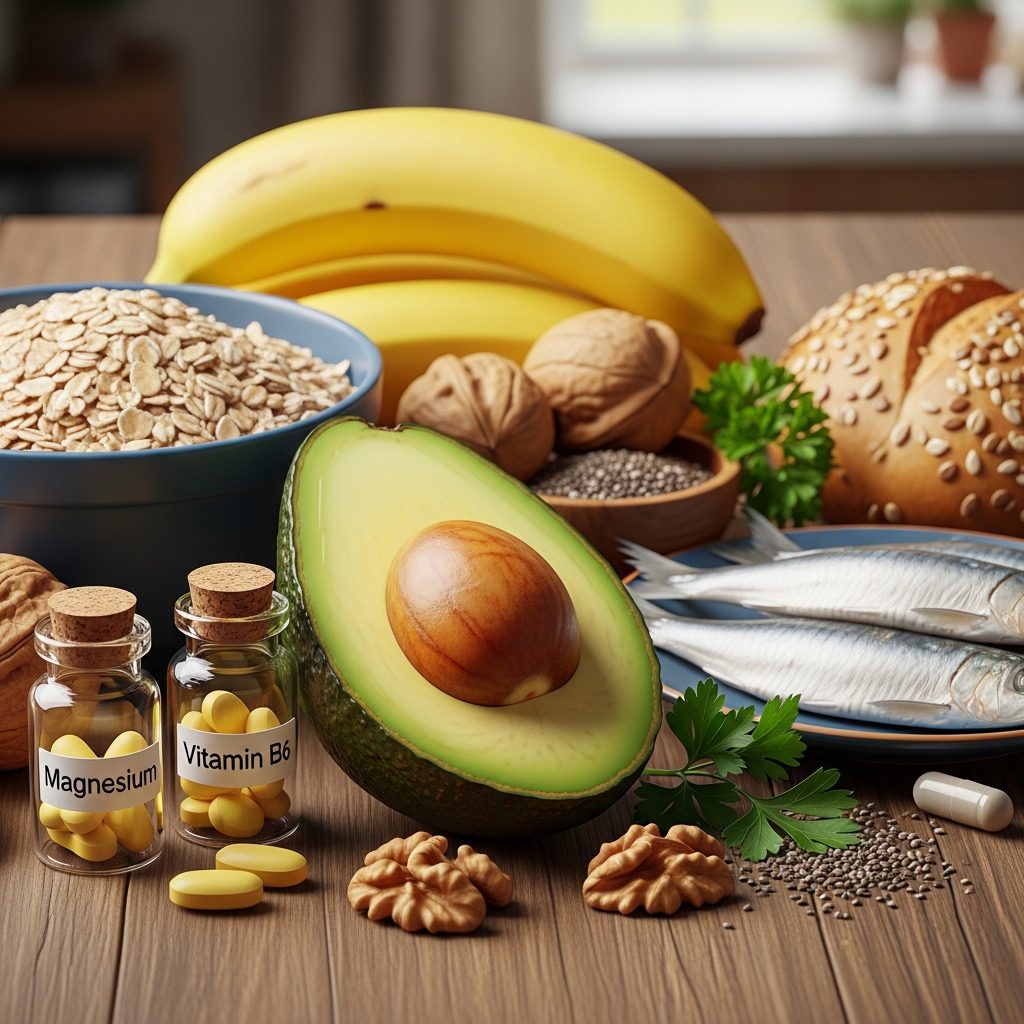
These nutrients don’t directly “cure anxiety”, but they support nervous system function and help the body maintain a healthy chemical balance. This shows that food and mood is not just psychological — it’s also physiological.
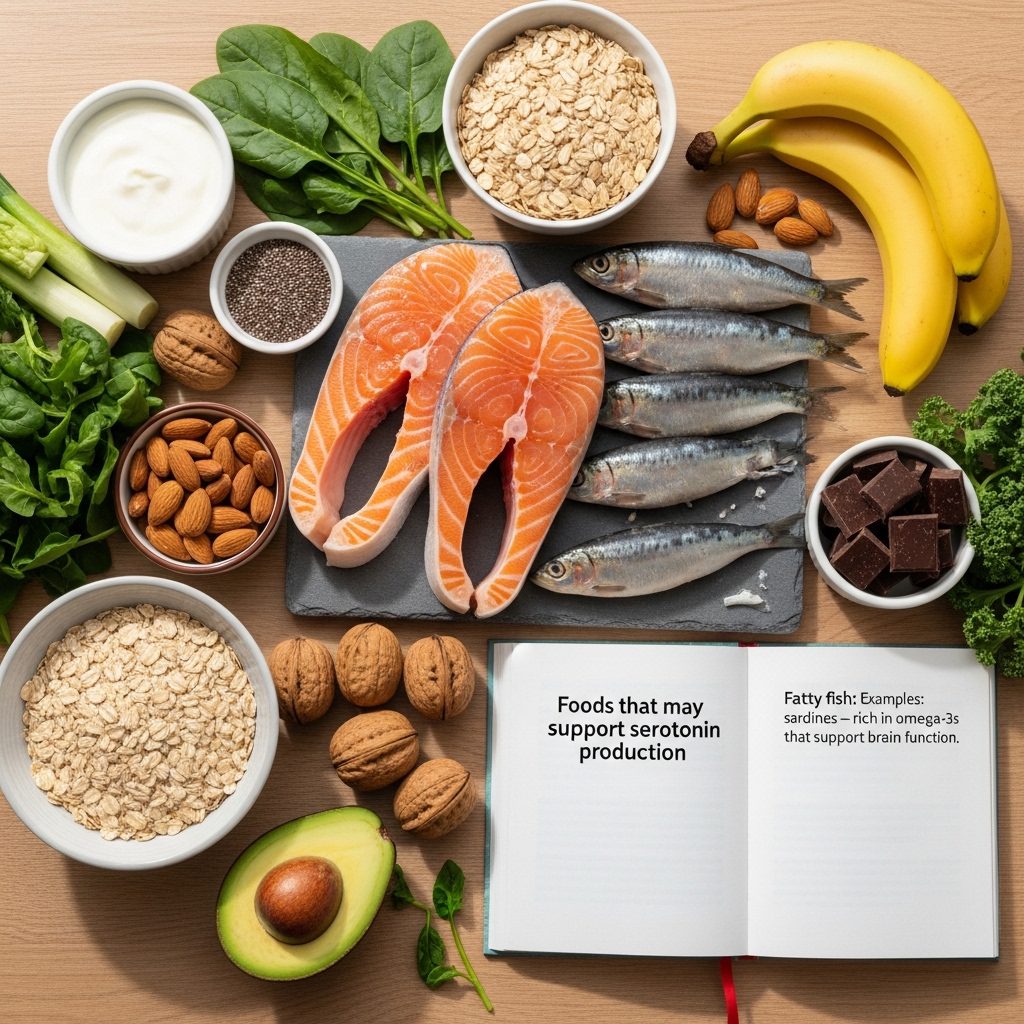
Foods that may support serotonin production:
Some foods contain components that help the body produce serotonin or support nervous system function:
1. Complex carbohydrates:
Examples: oatmeal, brown rice, whole-grain bread These help the body use tryptophan more efficiently.
2. Tryptophan-rich foods:
Examples: eggs, yogurt, legumes, nuts, chicken These provide the raw material the body needs to produce serotonin.
3. Fatty fish:
Examples: salmon, sardines — rich in omega-3s that support brain function.
Here, the connection between food and mood becomes practical: simple dietary choices can support nervous system health.
Stable energy and its effect on anxiety:
It’s not just the type of food, but also maintaining stable blood sugar that matters.
Consuming too much sugar may cause rapid spikes and drops in energy, leading to:
-
- Tension
- Fatigue
- Mood swings
Balanced meals containing:
-
- Protein
- Healthy fats
- Fiber
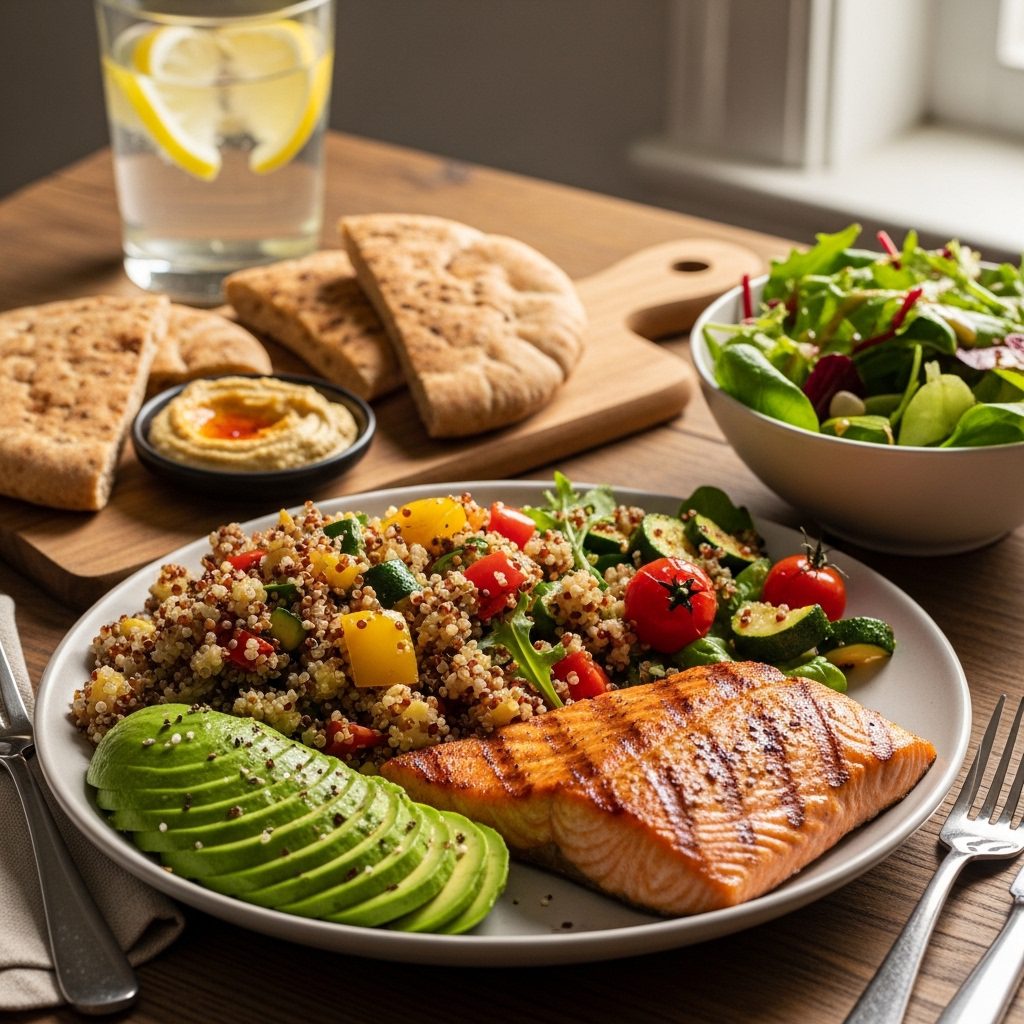
can help maintain more stable energy throughout the day. This is crucial because the brain needs a steady supply of energy to function efficiently.
connection between food and mood: Can food alone reduce anxiety?
It’s important to be realistic. No single food has been proven to directly treat anxiety. However, a balanced diet can support mental health as part of a healthy lifestyle that includes good sleep, physical activity, and social engagement.
In other words, food is not a magic cure, but it can be a supportive element in the bigger picture of mood health.
Practical example:
To test the effect of food on your mood, try a small change:
Instead of a sugary evening snack, try:
-
- A cup of yogurt
- A handful of nuts
- A piece of fruit
This provides protein, tryptophan, and magnesium — elements that may help your body relax gradually.
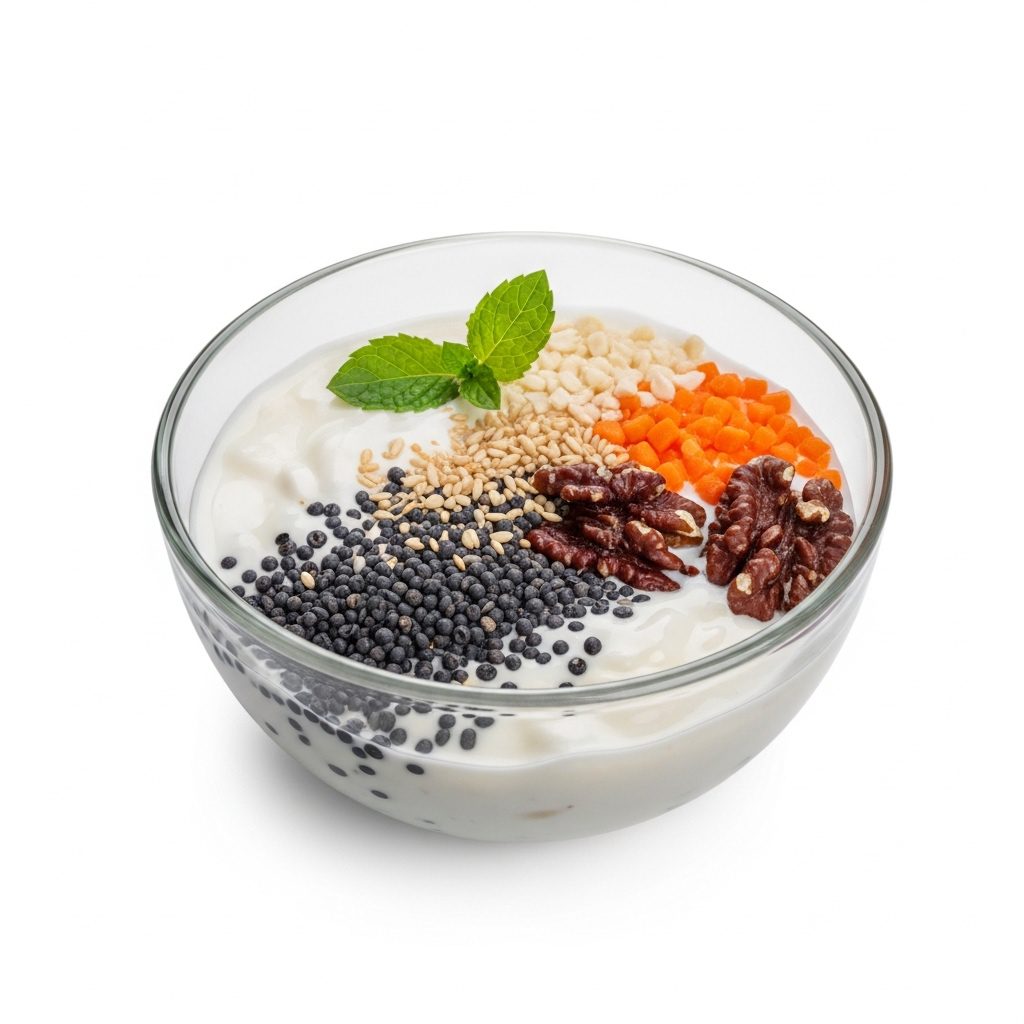
The role of the gut in mood:
Did you know the food-mood connection extends to your gut? The gut is sometimes called the “second brain”, as it contains a large neural network and produces about 90% of the body’s serotonin.
Research shows that a healthy balance of gut bacteria can influence feelings of anxiety and depression. Eating foods that support beneficial bacteria, such as:
-
- Natural yogurt
- Kefir
- Fermented foods like sauerkraut
- Fiber from whole grains and vegetables
may improve mood indirectly. According to the NIH, a diet rich in probiotics and fiber promotes gut health and positively affects neurological function .
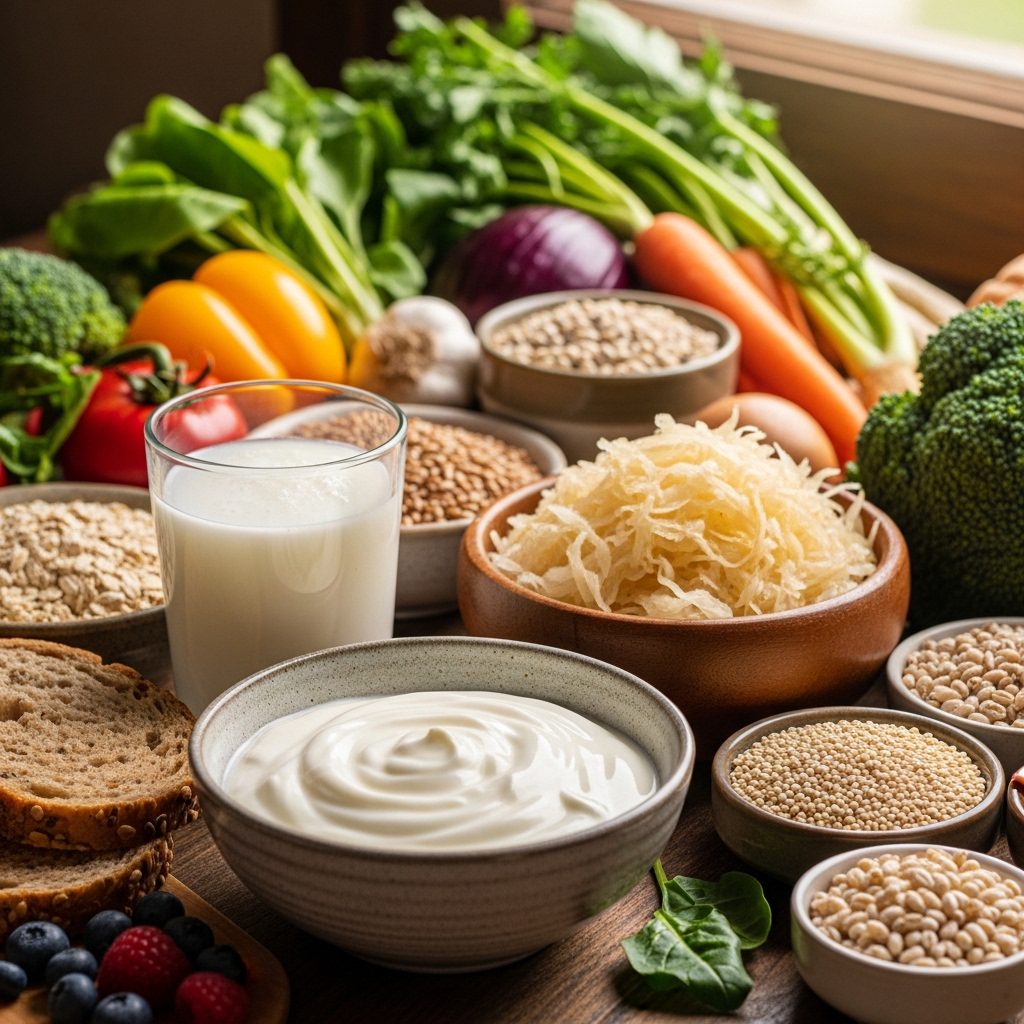
connection between food and mood: Nutrition and lifestyle:
The food-mood connection also depends on when and how we eat:
1. Meal timing: Regular meals help stabilize blood sugar and support mental energy.
2. Balanced nutrition: Ensure each meal contains:
-
-
- Protein: to build neurotransmitters
- Healthy fats: to support brain cells
- Fiber and vegetables: to nurture the gut
-
3. Hydration: Even mild dehydration can cause headaches and tension.
4. Limit excess sugar and high caffeine: These can cause sharp mood swings, especially for those prone to anxiety.

Practical application:
Try a mood-supporting day:
-
- Breakfast: Oatmeal with milk, banana, and nuts
- Lunch: Salad with vegetables, grilled chicken, and chia seeds
- Snack: Natural yogurt with berries
- Dinner: Grilled fish with cooked vegetables and olive oil
This provides the body with the essential materials to produce serotonin while supporting gut health and stable energy.
According to the U.S. National Institutes of Health (NIH), serotonin production depends on the availability of the amino acid tryptophan, which is found in certain foods.
This is where the connection between food and mood becomes clear.

connection between food and mood: Additional tip:
If you experience mild mood swings or anxiety, keep a food and mood diary for two weeks. Track what you eat and when you feel better. This can help identify foods that positively affect your mood and make your approach personalized and practical.
By focusing on the connection between food and mood, we see that nutrition is not just about fueling the body — it’s also a tool for supporting mental health. Foods rich in tryptophan, complex carbohydrates, omega-3s, and gut-supporting nutrients can contribute to stress reduction and improved mood as part of a balanced lifestyle.

If you want to discover more practical tips on food and mood, and explore daily recipes to support mental well-being, visit nutritiontravels, where you’ll find interactive articles, meal plans, and easy ways to apply smart nutrition in your daily life — in a fun and realistic way.