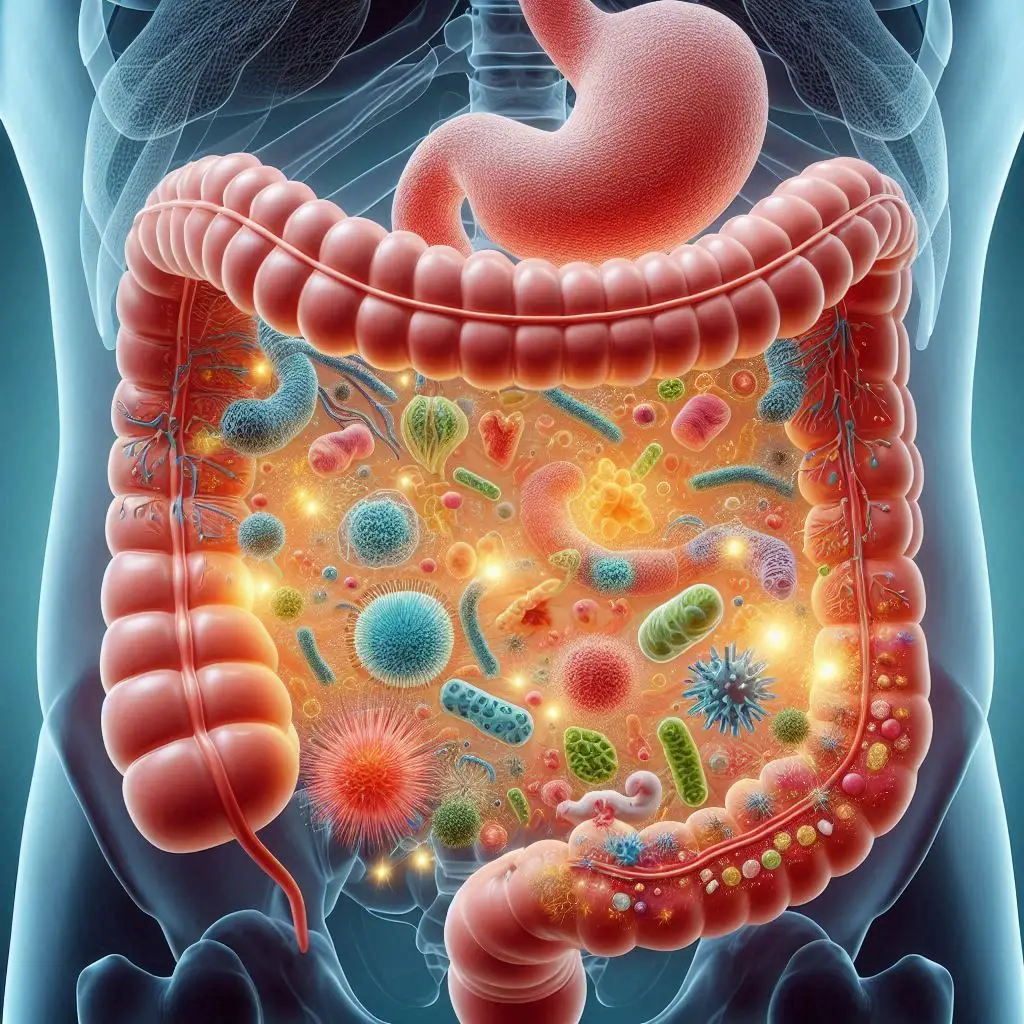
The use of antibiotics has become part of our modern lives, whether to treat respiratory infections or certain skin conditions. Because of their impact on beneficial gut bacteria, following a Post-Antibiotic Diet can be an important step in supporting gut recovery. Although these medications are effective at eliminating harmful bacteria, they can also disrupt the balance of beneficial microbes in our intestines. This creates what is known as “gut microbiome imbalance”, which may appear through issues such as bloating, gas, digestive disturbances, or even a feeling of chronic fatigue.
In this article, we will review some methods and considerations that help restore gut balance after using antibiotics, and how nutrition can play a major role.

The Effect of Antibiotics on the Gut:
Our intestines contain a vast community of beneficial bacteria that perform important functions such as:
- Efficient digestion of food.
- Production of important vitamins such as vitamin K and some B vitamins.
- Supporting the immune system against infections.
- Contributing to mood balance through the gut–brain axis.
When antibiotics are used, not only harmful bacteria are affected, but beneficial bacteria as well. The result may include:
- A decline in bacterial diversity in the gut.
- An increased likelihood of secondary infections.
- Problems with digestion and absorption of certain nutrients.
For this reason, after finishing a course of antibiotics, it becomes important to support the microbiome again naturally through diet.
Basics of a Post-Antibiotic Diet for Gut Recovery:
1. Fiber-Rich Foods:
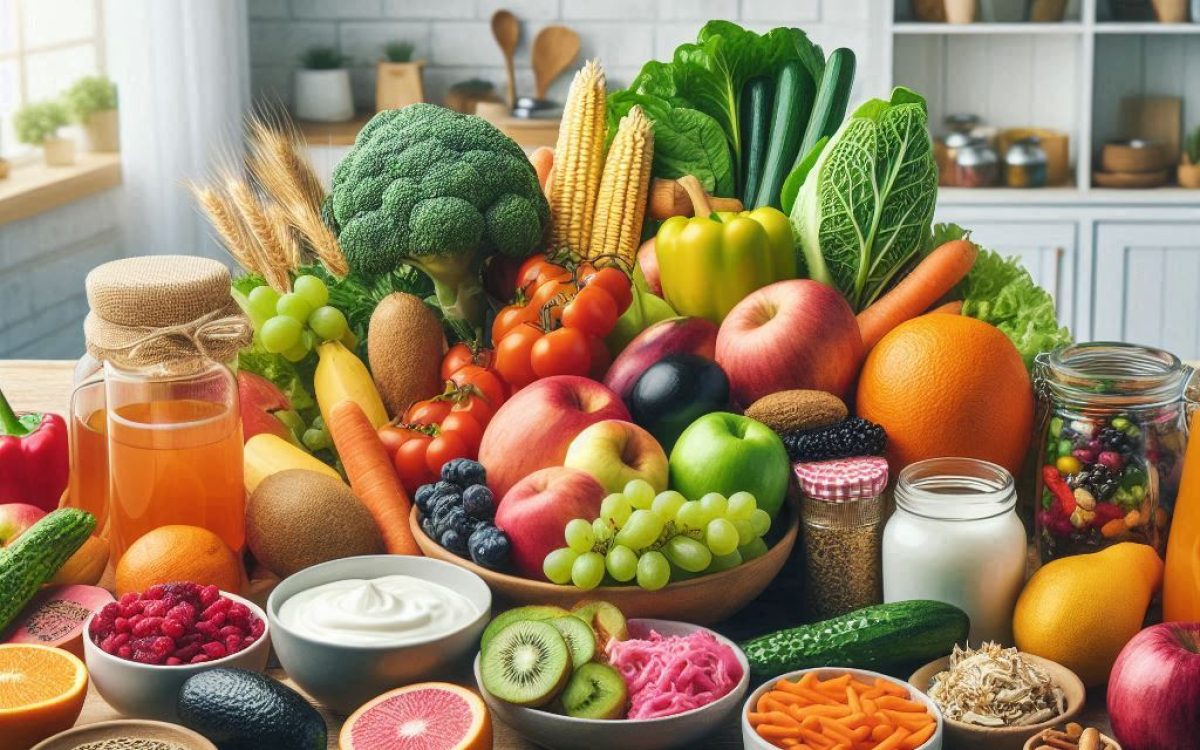
Fiber-rich foods may help reduce inflammation in the digestive system and protect the microbiome. Fiber-rich foods that can be added to your diet during antibiotic use include:
- Leafy greens such as kale and spinach.
- Beans.
- Oatmeal.
- Fruits.
- Chia seeds or flaxseeds.
Trying to include a variety of fiber sources in the diet supports bacterial diversity, which is an essential element after antibiotics.
2. Probiotic Supplements for Post-Antibiotic Gut Health:
Like fermented foods, probiotic supplements contain strains such as Lactobacillus bacteria, which help rebuild the gut microbiome. Probiotic supplements are available in various forms, including capsules and powders. Some manufacturers also add probiotics to beverages and other foods.

3. Prebiotic Foods in a Post-Antibiotic Diet:
Prebiotics are foods that feed beneficial gut bacteria, including fiber-rich foods. Healthy gut bacteria digest and ferment fiber, which nourishes these beneficial microbes.
4. Increasing Hydration:
Maintaining proper hydration is essential for optimal gut health and overall body function. Water plays an important role in digestion and nutrient absorption. Adequate hydration also helps maintain the health of the intestinal mucosal lining, supports the balance of beneficial bacteria, and facilitates the smooth movement of food and waste through the digestive tract.
It is generally recommended to drink at least 8 glasses of water per day, although individual needs may vary depending on factors such as age, activity level, and climate. Consuming hydrating foods, such as water-rich fruits and vegetables like cucumber, watermelon, and oranges, can also contribute to daily fluid intake.
5. Eating Fermented Foods:
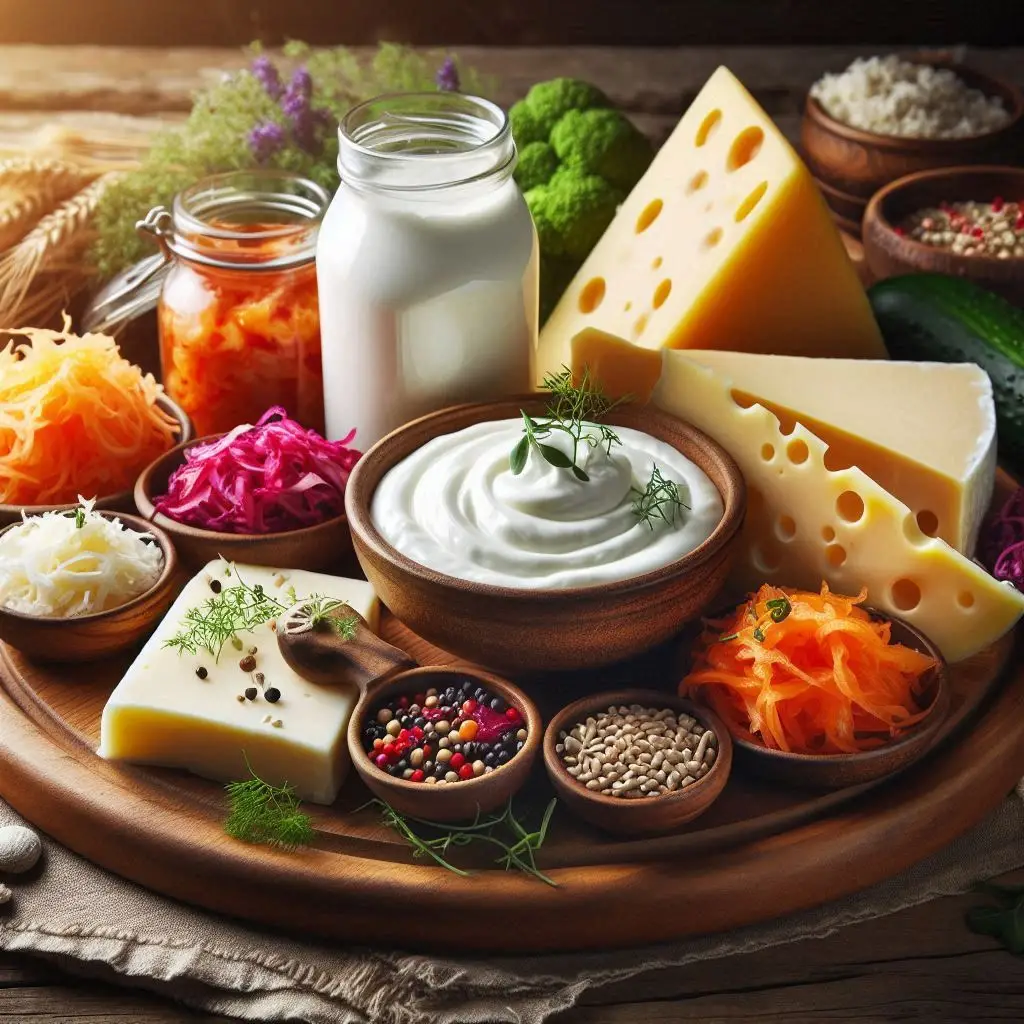
Certain foods may help restore gut microbiome balance after antibiotic treatment. Bacteria produce fermented foods such as yogurt, cheese, sauerkraut, and kimchi, which contain beneficial strains including Lactobacillus. These healthy bacteria play a crucial role in restoring microbial balance in the gut after antibiotic use.
6. Paying Attention to Vitamins and Minerals:
Some vitamins and minerals, such as vitamin D, zinc, and magnesium, play a role in supporting gut health and immunity. Focusing on natural foods rich in these nutrients, or supplements after consulting a nutrition specialist, may have a positive effect.
7. Reducing Sugar Intake:
Simple sugars and processed foods may increase the growth of harmful bacteria or yeasts, which can delay the restoration of gut balance. Practical experience shows that reducing soft drinks, sweets, and fast food after antibiotics helps stabilize the microbiome.

After any course of antibiotics, the gut may need some time and attention to regain its natural balance. Nutrition plays a key role in this recovery, and combining fiber, probiotics, prebiotics, proper hydration, and a healthy lifestyle may be the key to restoring gut health naturally and safely.
At Nutrition Travels, we are committed to providing scientifically based information in a simplified way for everyone interested in nutrition and digestive health, so readers can better understand their bodies and approach nutritional recovery with awareness and balance.