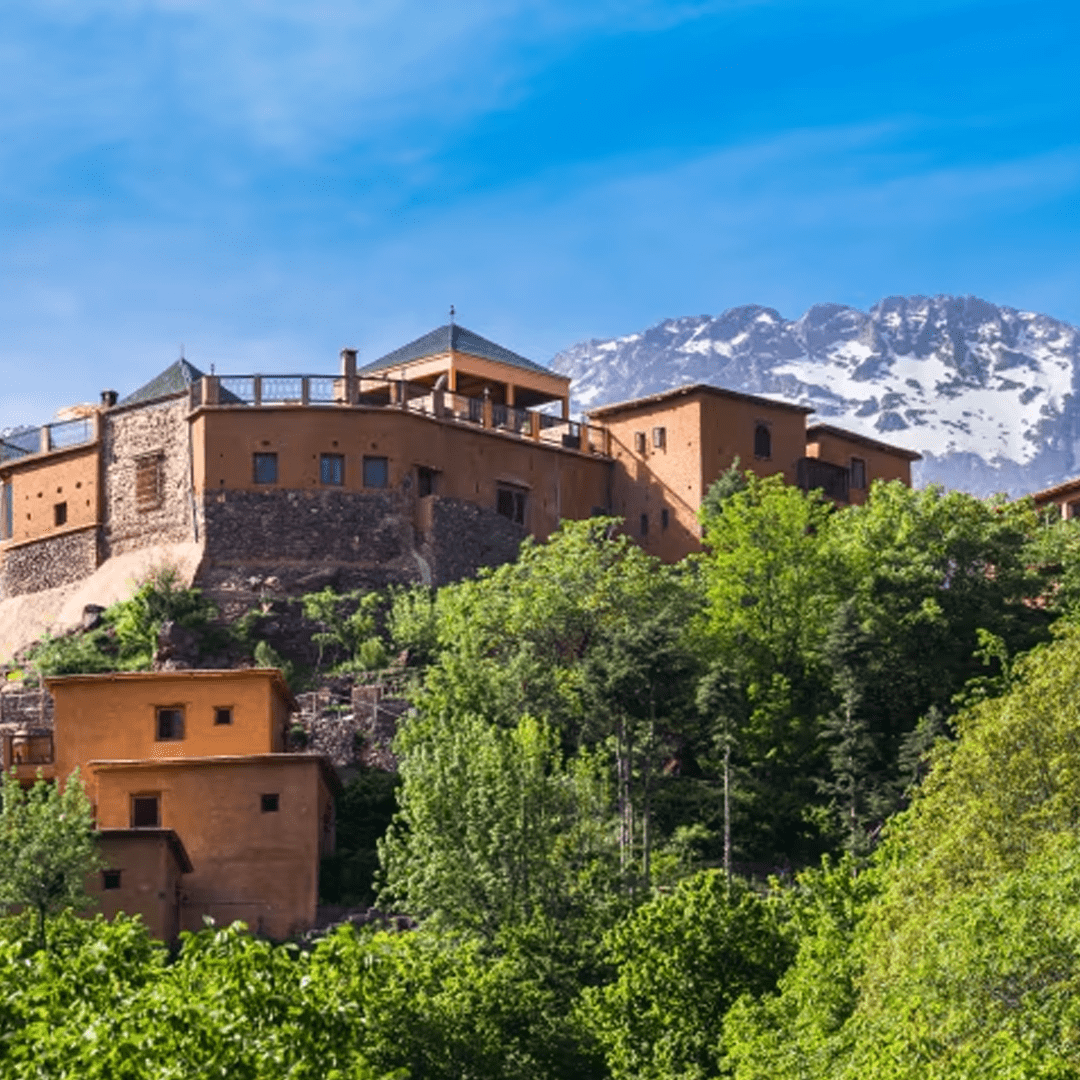
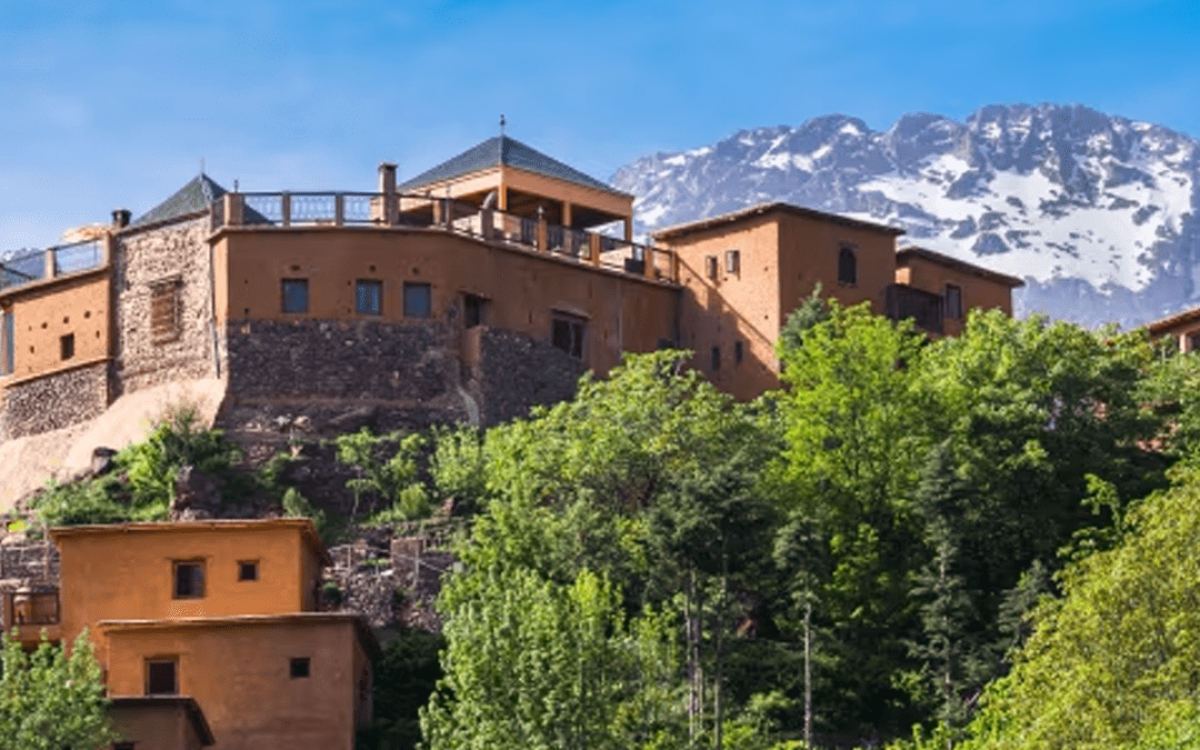
The Atlas Mountains of Morocco rise dramatically between the Atlantic coast and the Sahara Desert, forming one of North Africa’s most captivating landscapes. Beyond their rugged beauty, these mountains represent the cultural heart of Morocco. For centuries, Amazigh communities—commonly known as Berbers—have lived among these peaks, preserving traditions, architecture, and philosophies that reflect a deep relationship with the land.
Trekking through the Atlas Mountains is not simply an outdoor adventure. It is a journey into a world where ancient caravan routes connect stone villages, where hospitality is a cultural cornerstone, and where landscapes shift from lush valleys to snow-dusted summits. For travelers seeking meaningful cultural exploration alongside breathtaking scenery, the Atlas Mountains offer an unforgettable experience.
The Atlas Mountains of Morocco: Geography and Cultural Significance:
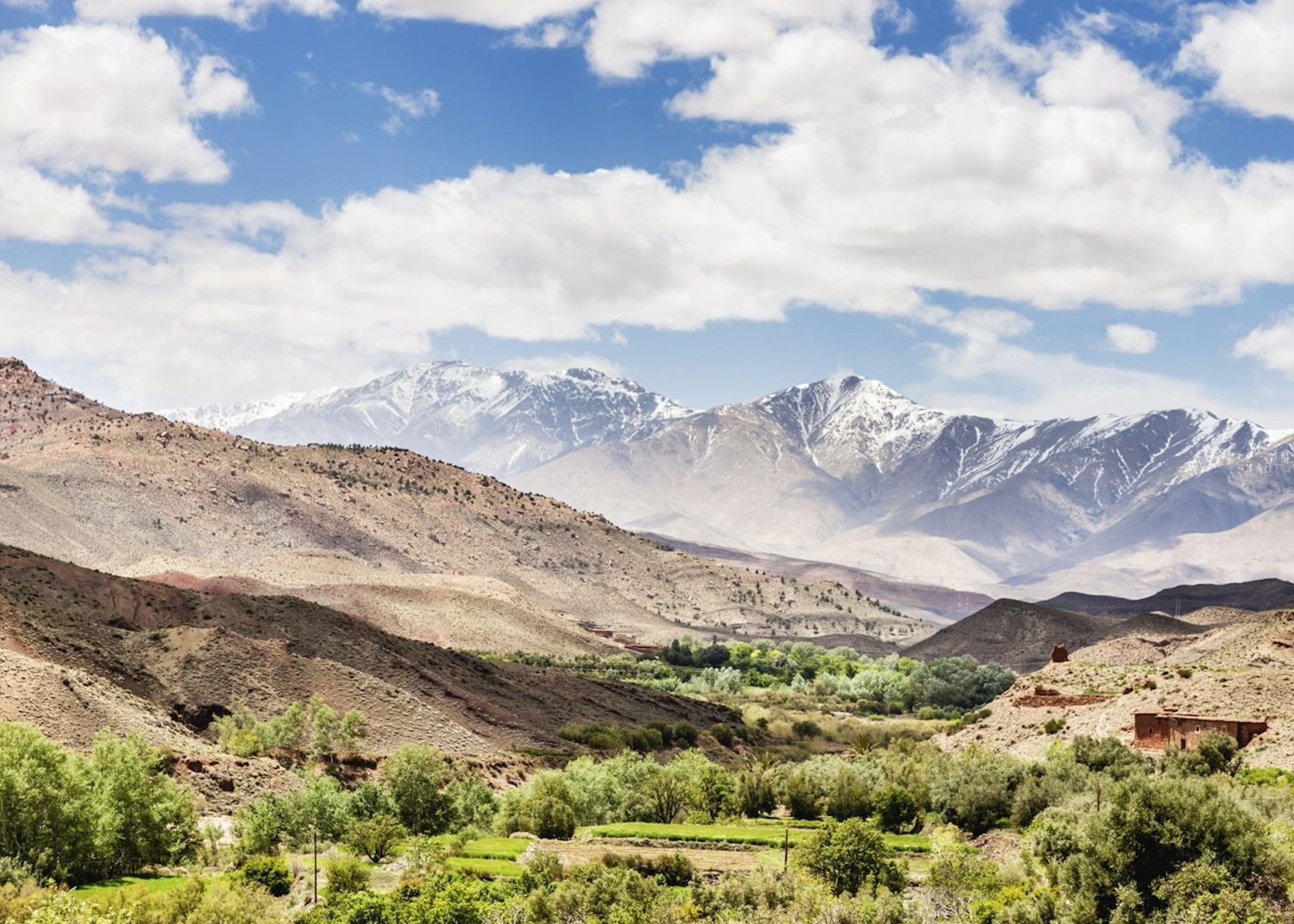
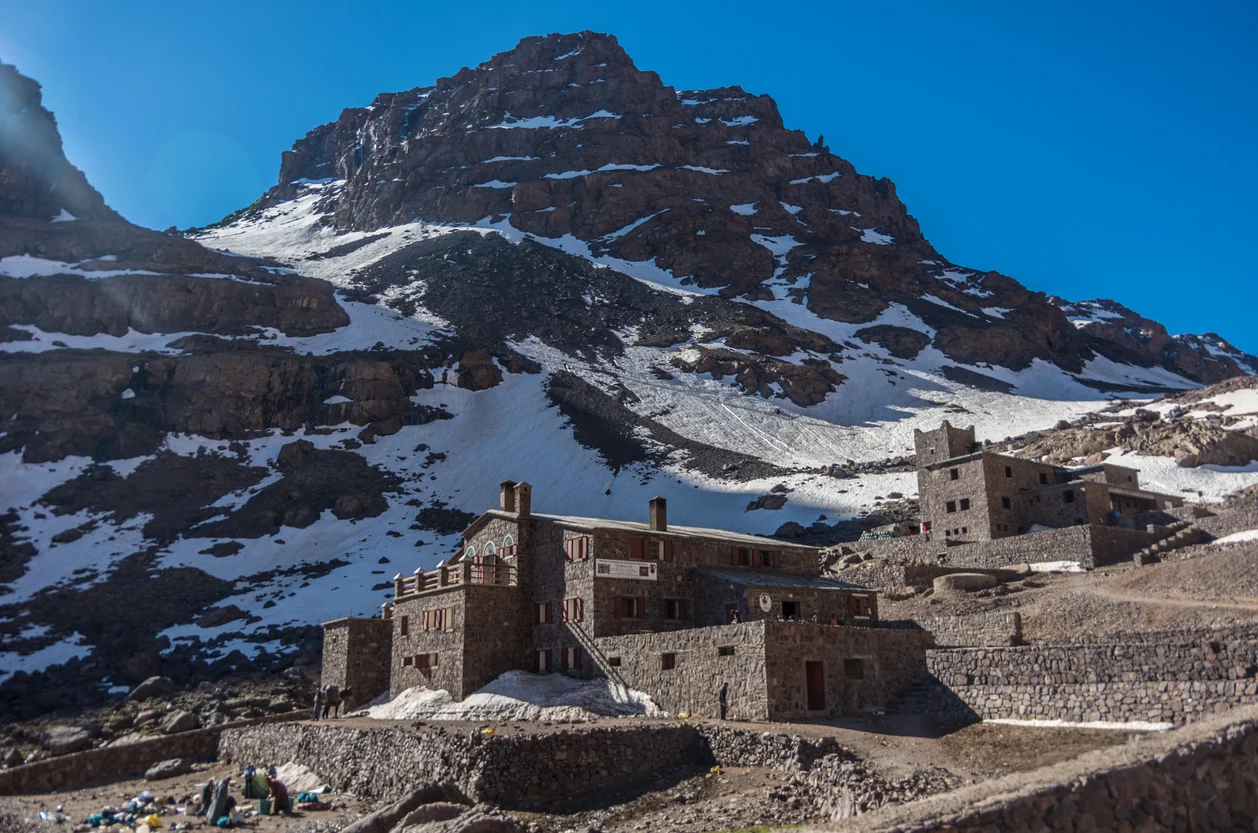
Stretching nearly 2,500 kilometers across Morocco, Algeria, and Tunisia, the Atlas Mountains form several ranges. In Morocco, the most famous sections include the High Atlas, Middle Atlas, and Anti-Atlas. Among them, the High Atlas stands tallest, home to Mount Toubkal, North Africa’s highest peak at 4,167 meters.
Historically, these mountains served as both a refuge and a crossroads. Amazigh tribes settled in the valleys centuries ago, developing agricultural terraces, irrigation systems, and villages built from local stone and clay. Their communities remained relatively isolated for generations, allowing traditions, language, and cultural identity to remain remarkably intact.
Even today, trekking routes often follow ancient trade paths once used by merchants transporting salt, spices, and textiles between desert regions and coastal cities.
Trekking in The Atlas Mountains of Morocco: Essential Experiences:
Hiking Through the High Atlas:
The High Atlas Mountains offer Morocco’s most iconic trekking routes. Trails wind through deep valleys, walnut groves, and high passes that reveal sweeping views of terraced farmland and remote villages.
1. Mount Toubkal Trek:
The ascent of Mount Toubkal is the most famous trek in Morocco. Typically completed over two days from the village of Imlil, the journey combines steep alpine trails with dramatic panoramic views.
2. The Imlil Valley Trails:
Imlil serves as the gateway to the High Atlas. From here, trekkers can explore routes leading to small Amazigh villages, waterfalls, and scenic mountain passes.
3. Aït Bouguemez: The Happy Valley:
Often called the “Happy Valley,” Aït Bouguemez offers gentler trekking through fertile fields and traditional villages. It’s ideal for travelers who want to experience rural mountain life at a slower pace.
Berber Culture in The Atlas Mountains of Morocco:
One of the most rewarding aspects of trekking in the Atlas Mountains is encountering Amazigh culture, which remains deeply rooted in community life and tradition.
1. Traditional Village Life:
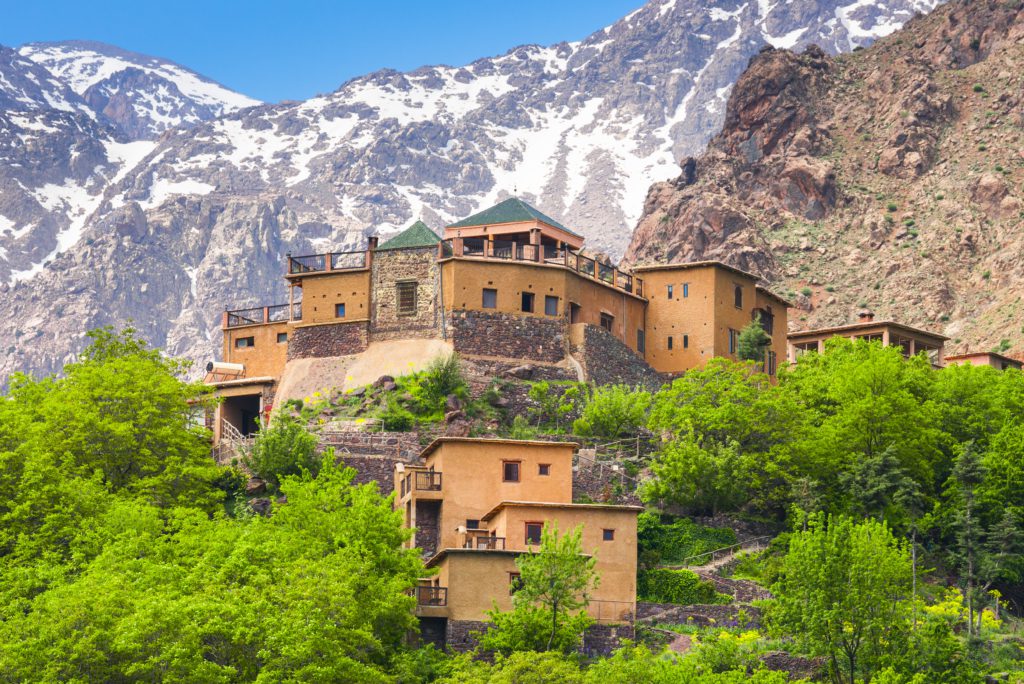
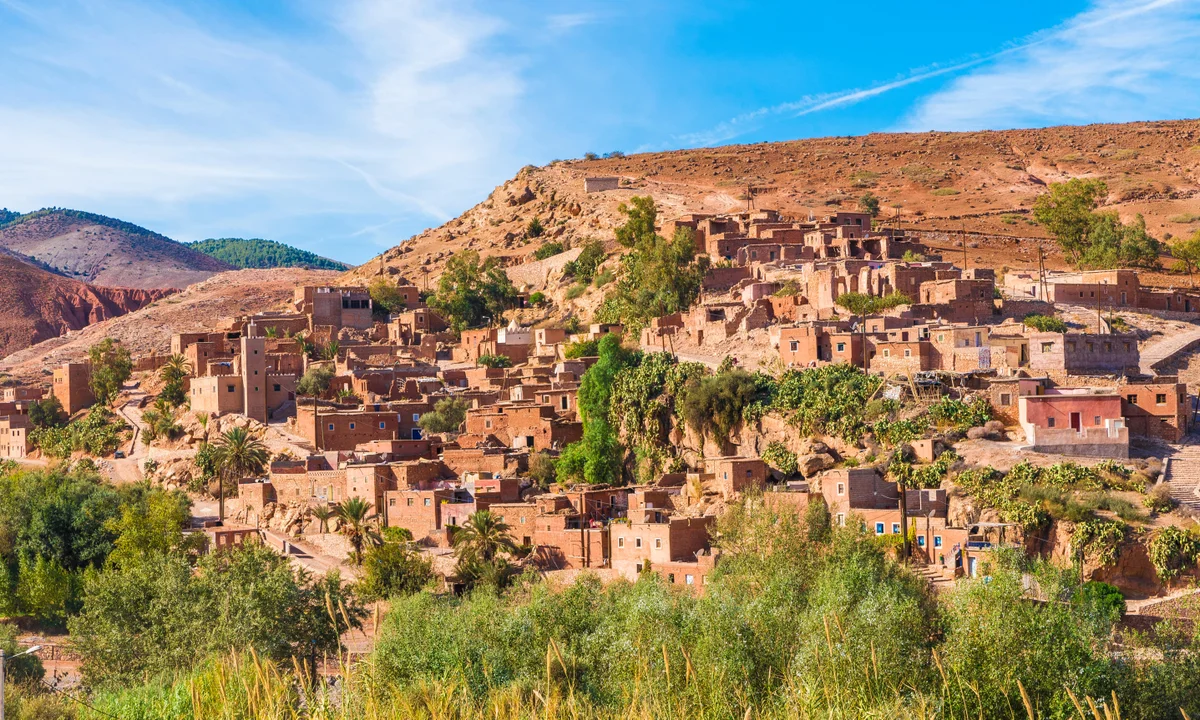
Villages often appear as clusters of earthen homes blending into the mountain slopes. Built with mud brick and stone, these houses are designed to withstand harsh winters and hot summers. Agriculture remains central to daily life, with terraced fields growing barley, corn, almonds, and vegetables, supported by irrigation channels that have existed for generations.
2. The Ritual of Moroccan Mint Tea:
Hospitality is sacred in Amazigh culture. Visitors are almost always welcomed with atay b’nana—Moroccan mint tea. The tea is poured from height into small glasses, creating a delicate foam and symbolizing warmth and respect.
3. Handmade Crafts and Symbolism:
Amazigh craftsmanship is deeply symbolic. Colorful carpets, woven blankets, and silver jewelry often carry patterns representing protection, fertility, or tribal identity. Many villages still produce these items using techniques passed down through generations.
Iconic Foods of the Atlas Mountains:
Mountain cuisine reflects the simplicity and richness of rural Moroccan life.
1. Tagine:
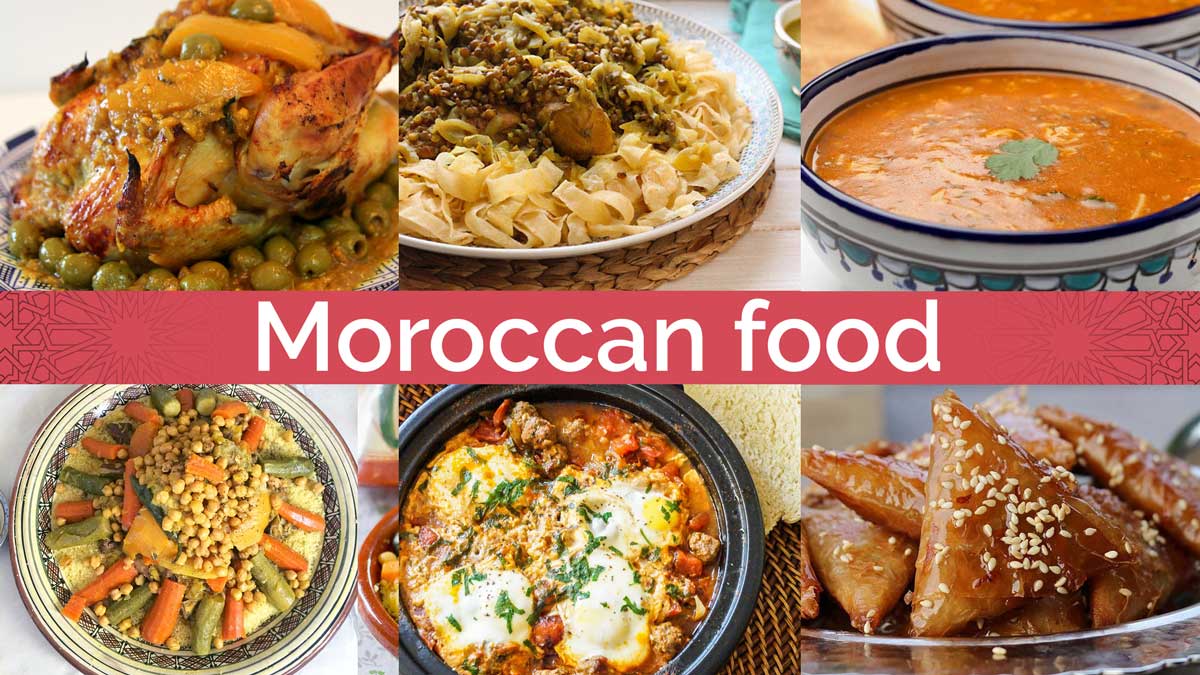
The famous tagine—a slow-cooked stew prepared in a clay pot—is a staple meal. In mountain regions, versions often include lamb, vegetables, olives, and preserved lemon.
2. Couscous:
Traditionally served on Fridays, couscous combines steamed semolina grains with vegetables and meat. It represents community and celebration, often shared from a single large dish.
3. Berber Bread:
Round and dense, Berber bread is baked in clay ovens and served with olive oil, honey, or tagine. It plays a central role in daily meals.
Cultural Etiquette for Travelers:
Understanding local customs enhances the experience and shows respect for Amazigh communities.
1. Dress Modestly:
While trekking gear is common on trails, modest clothing is appreciated in villages—particularly covering shoulders and knees.
2. Ask Before Photographing:
Many locals are welcoming, but it is polite to ask permission before taking photos of people or homes.
3. Accept Hospitality Graciously:
Refusing tea or food can be seen as impolite. Even a small sip or bite is a respectful gesture.
4. Support Local Guides:
Hiring Amazigh guides not only enriches the journey with cultural insight but also helps sustain local economies.
The Atlas Mountains of Morocco: When to Visit:
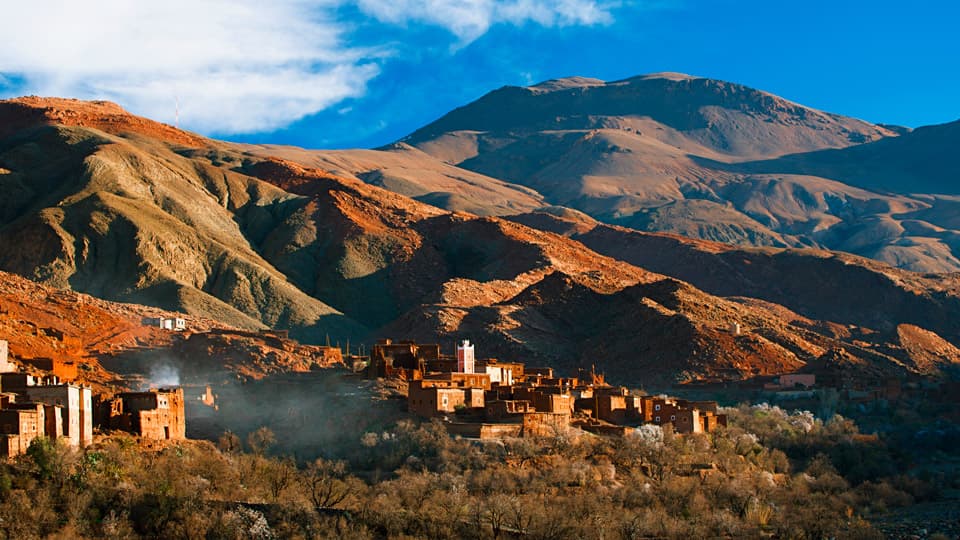
The best seasons for trekking are spring (April–June) and autumn (September–October). During these months, temperatures are mild and landscapes are especially beautiful. Winter brings snow to higher elevations, transforming the region into a dramatic alpine environment, while summer trekking is best done early in the morning to avoid midday heat.
Practical Tips for Exploring The Atlas Mountains of Morocco:
1. Prepare for Changing Weather:
Mountain weather can shift quickly. Pack layers, waterproof clothing, and sun protection.
2. Acclimatize Gradually:
For high-altitude treks like Mount Toubkal, spend a night in Imlil or nearby villages before ascending.
3. Bring Cash:
Remote villages rarely have ATMs or card facilities.
4. Travel Responsibly:
Choose eco-conscious tours and respect local customs to preserve the fragile mountain environment and cultural heritage.
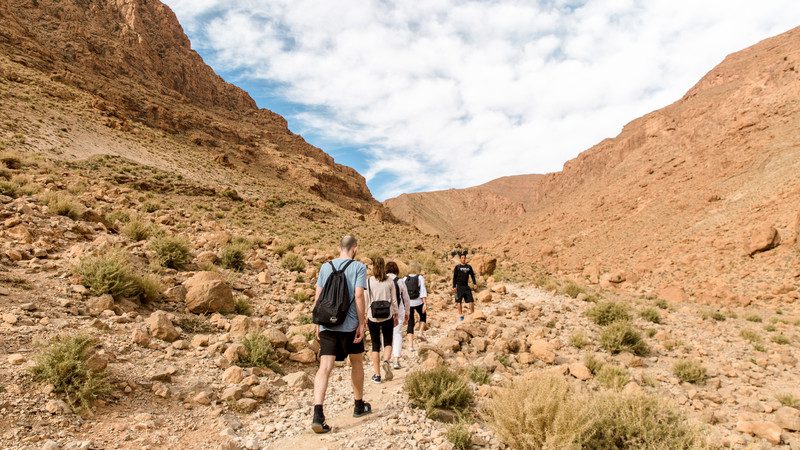
While Morocco’s imperial cities often capture travelers’ attention, the Atlas Mountains reveal the country’s deeper cultural roots. Here, ancient Amazigh traditions continue to shape daily life, and landscapes invite exploration at a slower, more meaningful pace.
Trekking through these mountains offers more than scenic views—it creates opportunities to connect with communities, taste authentic regional cuisine, and understand the philosophies that have guided mountain life for centuries.
For travelers seeking a journey that blends nature, culture, and history, the Atlas Mountains provide one of North Africa’s most enriching experiences. Through thoughtful exploration and cultural respect, every trek becomes a story worth sharing.
At Nutrition Travels, we believe the most meaningful journeys nourish both body and mind—connecting travelers with the landscapes, traditions, and communities that make each destination truly unforgettable.