

Osteoarthritis is one of the most common joint conditions worldwide, affecting mobility, comfort, and quality of life. Understanding osteoarthritis and diet can empower individuals to reduce inflammation, manage pain, and support long-term joint health. While osteoarthritis is often associated with aging, lifestyle and nutrition play a significant role in its progression and symptom severity.
Because chronic low-grade inflammation contributes to joint degeneration, dietary choices can either worsen or ease symptoms. Therefore, incorporating anti-inflammatory foods into daily meals becomes a practical and evidence-based strategy for supporting joint longevity. By focusing on osteoarthritis and diet, you can take actionable steps to protect your joints over time.

Understanding Osteoarthritis and Diet: The Inflammation Connection:
Osteoarthritis occurs when the protective cartilage cushioning the ends of bones gradually breaks down. As cartilage deteriorates, bones may rub together, causing pain, stiffness, and swelling.
Although it is classified as a degenerative condition, inflammation plays a crucial role in accelerating joint damage. Pro-inflammatory diets rich in processed foods, refined sugars, and unhealthy fats can intensify symptoms. On the other hand, anti-inflammatory nutrients help modulate immune responses and reduce oxidative stress in joint tissues.
Actionable tip: Begin by identifying inflammatory triggers in your diet, such as sugary drinks or fried foods, and gradually replace them with whole-food alternatives. A diet designed around osteoarthritis and diet principles ensures you are actively supporting joint health.
 Osteoarthritis and Diet: Key Anti-Inflammatory Foods:
 Osteoarthritis and Diet: Key Anti-Inflammatory Foods:
1- Fatty Fish Rich in Omega-3s:
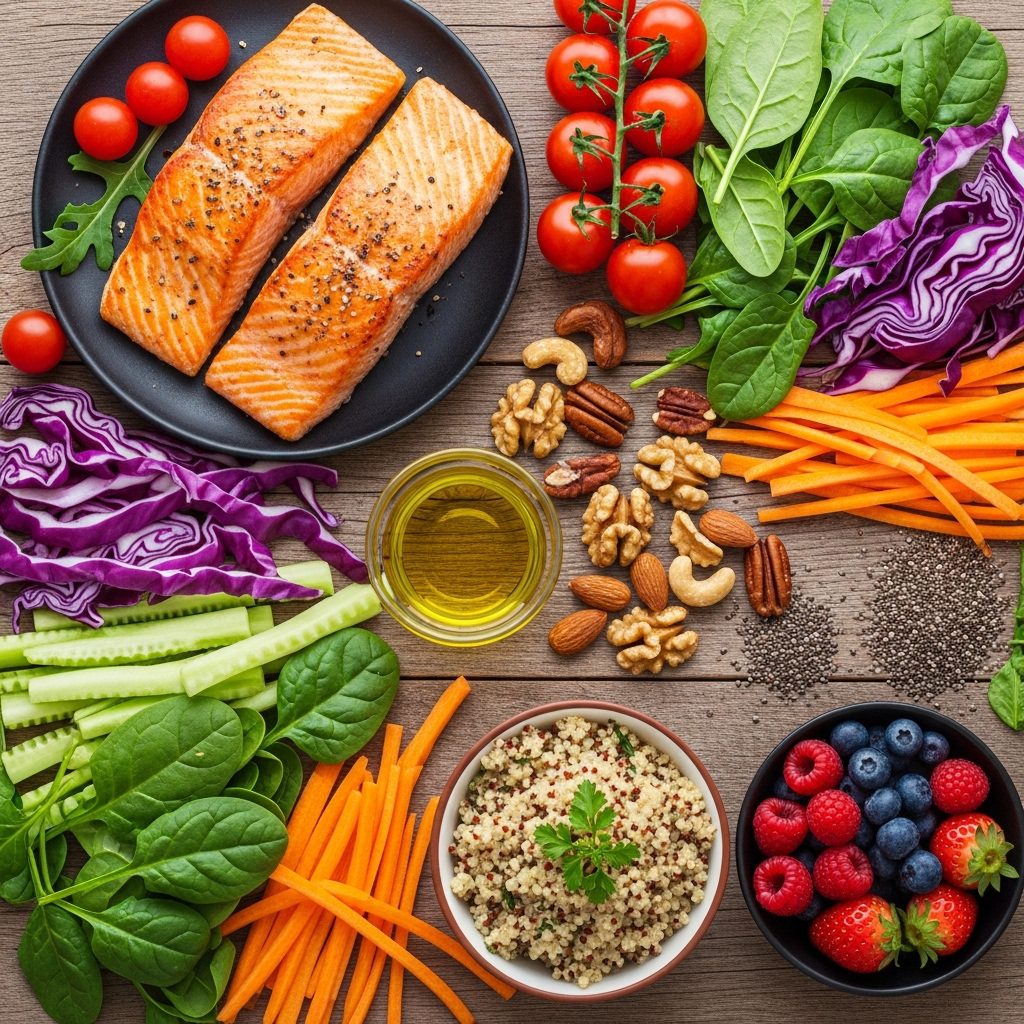
Omega-3 fatty acids are powerful anti-inflammatory compounds found in salmon, sardines, mackerel, and anchovies. These healthy fats reduce inflammatory markers and may decrease joint stiffness.
Regular intake supports cartilage preservation and improves overall mobility.
Actionable tip: Aim for two servings of fatty fish per week to support joint health.
2- Colorful Fruits and Vegetables:
Fruits and vegetables contain antioxidants that combat oxidative stress, a contributor to joint degeneration. Berries, leafy greens, carrots, and bell peppers are particularly beneficial.
Vitamin C supports collagen production, which is essential for cartilage integrity. Meanwhile, polyphenols help regulate inflammatory pathways.
Actionable tip: Fill half your plate with colorful vegetables at lunch and dinner.

3- Extra Virgin Olive Oil:
Olive oil contains oleocanthal, a compound with anti-inflammatory properties similar to certain non-steroidal anti-inflammatory medications.
Replacing butter or margarine with olive oil may help reduce joint discomfort over time.
Actionable tip: Use extra virgin olive oil as your primary cooking fat and salad dressing base.
4- Nuts and Seeds:
Almonds, walnuts, flaxseeds, and chia seeds provide healthy fats, fiber, and antioxidants. Walnuts are especially rich in omega-3 fatty acids.
Additionally, magnesium found in nuts supports muscle relaxation and may reduce stiffness.
Actionable tip: Add a handful of mixed nuts to snacks or sprinkle seeds over yogurt and salads.
5- Whole Grains Instead of Refined Carbohydrates:
Refined grains can increase inflammatory markers. Conversely, whole grains such as quinoa, brown rice, oats, and barley provide fiber that supports gut health and reduces systemic inflammation.
Balanced blood sugar also contributes to stable inflammatory responses.
Actionable tip: Replace white bread and pasta with whole-grain alternatives.
Foods to Avoid in an Osteoarthritis Diet:
Certain foods may worsen inflammation and accelerate joint discomfort:
-
- Processed meats
- Sugary beverages
- Deep-fried foods
- Excessive red meat
- Highly processed snacks
Reducing these foods can significantly lower inflammatory load in the body.
Actionable tip: Follow the 80/20 rule—eat anti-inflammatory foods 80% of the time while allowing flexibility occasionally.
Osteoarthritis and Diet: Why Weight Management Matters:
Excess body weight places additional mechanical stress on weight-bearing joints such as knees and hips. Even modest weight reduction can decrease joint pressure and pain severity.
Moreover, fat tissue produces inflammatory compounds that may worsen osteoarthritis symptoms. Therefore, maintaining a healthy weight supports both structural and metabolic aspects of joint health.
Actionable tip: Focus on gradual, sustainable changes rather than restrictive dieting.

Lifestyle Habits That Complement an Anti-Inflammatory Diet:
Nutrition works best when combined with supportive lifestyle practices.
1- Regular Physical Activity:
Low-impact exercises such as swimming, cycling, and walking improve joint lubrication and muscle strength. Strong muscles protect joints from excessive strain.
2- Adequate Sleep:
Poor sleep increases inflammatory markers and pain perception. Prioritizing 7–9 hours of quality sleep supports recovery and immune regulation.
3- Stress Management:
Chronic stress contributes to systemic inflammation. Mindfulness practices, breathing exercises, and gentle yoga may reduce stress-induced flare-ups.
4- Hydration:
Water supports cartilage elasticity and joint lubrication. Dehydration may worsen stiffness.
Actionable tip: Pair dietary changes with 30 minutes of low-impact movement most days of the week.

Sample Osteoarthritis Diet Meal Plan for Joint Support:
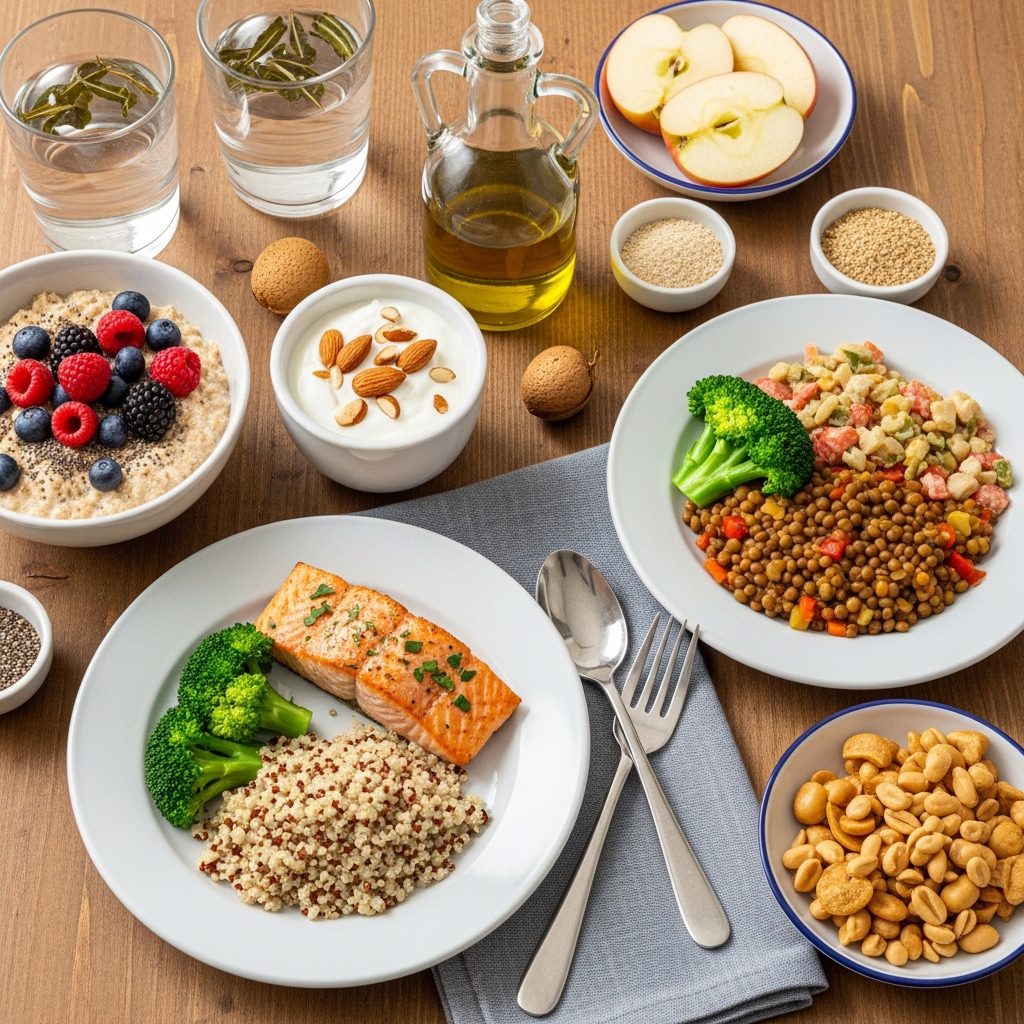
- Breakfast: Oatmeal topped with berries, walnuts, and chia seeds.
- Snack: Greek yogurt with sliced almonds.
- Lunch: Grilled salmon with quinoa and steamed broccoli.
- Snack: Apple slices with peanut butter.
- Dinner: Lentil and vegetable stew cooked with olive oil.
- Hydration: Water or herbal tea throughout the day.
This balanced structure supports inflammation control, weight management, and joint resilience.
Long-Term Benefits of an Osteoarthritis and Diet Approach:
Adopting an anti-inflammatory diet does more than relieve joint pain. Over time, it may:
- Improve mobility and flexibility
- Reduce flare-up frequency
- Support heart health
- Enhance overall energy levels
Because osteoarthritis progresses gradually, consistent dietary and lifestyle habits create cumulative benefits. Small daily improvements can significantly impact joint longevity in the long run.
The relationship between osteoarthritis and diet highlights the powerful role nutrition plays in managing inflammation and supporting joint longevity. By prioritizing omega-3-rich foods, colorful vegetables, whole grains, and healthy fats, individuals can actively protect their joints and reduce discomfort.
Combining these dietary adjustments with regular movement, quality sleep, stress management, and hydration creates a comprehensive strategy for lasting joint health.
Start incorporating anti-inflammatory foods today and take control of your joint wellness. For more practical nutrition guidance and evidence-based health strategies, explore Nutrition Travels and continue your journey toward stronger, healthier living.