Nestled between Puget Sound and the forested mountains of the Pacific Northwest, Seattle is a city where urban life blends seamlessly with natural beauty. Known for its thriving coffee culture, iconic markets, and easy access to wilderness, Seattle offers travelers a uniquely balanced experience.
From the aroma of freshly roasted beans drifting through neighborhood cafés to the lively energy of historic markets and the nearby evergreen landscapes, the city reflects the spirit of the Pacific Northwest—creative, independent, and deeply connected to nature.
Exploring Seattle is not just about visiting landmarks. It’s about experiencing the everyday rhythms of a city shaped by innovation, maritime heritage, and a love for the outdoors.
Seattle’s Legendary Coffee Culture:
Seattle is often considered one of the coffee capitals of the world. The city’s café culture is more than a daily ritual—it’s a social tradition that reflects creativity, craftsmanship, and community.
The global coffee phenomenon began here with Starbucks, which opened its first store near Pike Place Market in 1971. While Starbucks introduced Seattle coffee to the world, the city’s coffee scene extends far beyond large chains.
Today, Seattle is home to hundreds of independent cafés and artisan roasters where baristas treat coffee preparation as both science and art.
1. Specialty Coffee Experiences in Seattle City:
Many Seattle cafés focus on small-batch roasting, ethically sourced beans, and precise brewing techniques. Visitors can explore different brewing styles such as pour-over coffee, cold brew, and espresso tastings.
Neighborhood coffee shops often serve as community hubs where locals gather to work, read, or discuss creative projects.
2. Coffee and Seattle’s Creative Identity:
Seattle’s coffee culture grew alongside the city’s music and tech scenes. Cafés became informal meeting places for musicians, writers, and entrepreneurs, contributing to the city’s reputation as a center of innovation and artistic expression.

Pike Place Market: The Heart of Seattle:
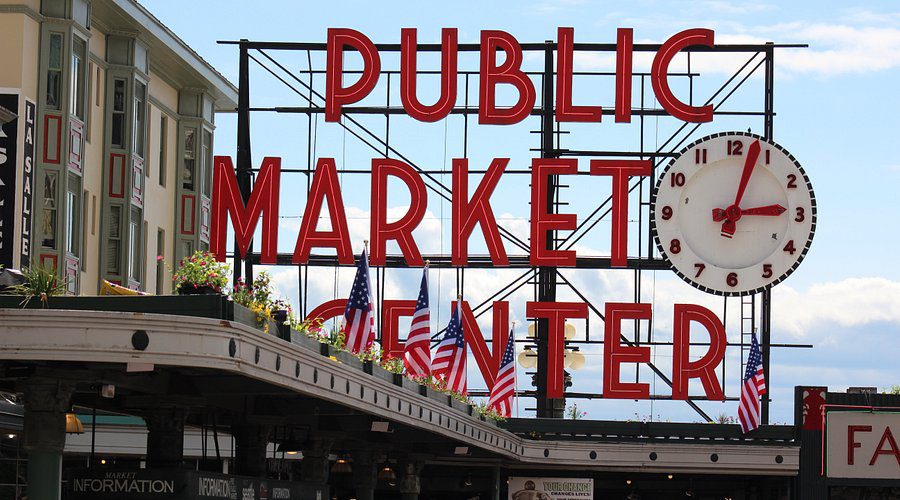
Few places capture Seattle’s energy like Pike Place Market, one of the oldest continuously operating public markets in the United States.
Founded in 1907, the market was created to connect local farmers directly with city residents. More than a century later, it remains a vibrant marketplace filled with fresh produce, seafood vendors, bakeries, artisan crafts, and street performers.
1. The Famous Fish Market in Seattle City:
One of the market’s most entertaining traditions takes place at Pike Place Fish Market, where fishmongers toss large salmon through the air as part of their lively sales routine. What began as a practical way to move fish quickly has evolved into a beloved Seattle spectacle.
2. Local Food and Artisan Discoveries in Seattle City:
Visitors can sample a wide variety of regional specialties, from freshly baked pastries and handmade chocolates to Pacific Northwest seafood. Small vendors sell everything from handcrafted jewelry to locally made candles, creating a marketplace that feels both historic and contemporary.
Exploring the market’s hidden corners reveals small bookstores, flower stalls bursting with color, and cozy cafés overlooking Elliott Bay.
Seattle’s Deep Connection to Nature:
One of Seattle’s most distinctive qualities is its proximity to dramatic natural landscapes. Within minutes of downtown, travelers can experience forests, mountains, and ocean views.
1. Urban Parks and Waterfront Views:
Seattle’s parks provide scenic escapes within the city itself. Discovery Park, the city’s largest park, offers coastal trails, open meadows, and panoramic views of Puget Sound.
Another popular green space is Gas Works Park, located on the northern shore of Lake Union. Built on the site of a former industrial gas plant, the park combines history and recreation with sweeping skyline views.
2. Nearby Mountains and National Parks:
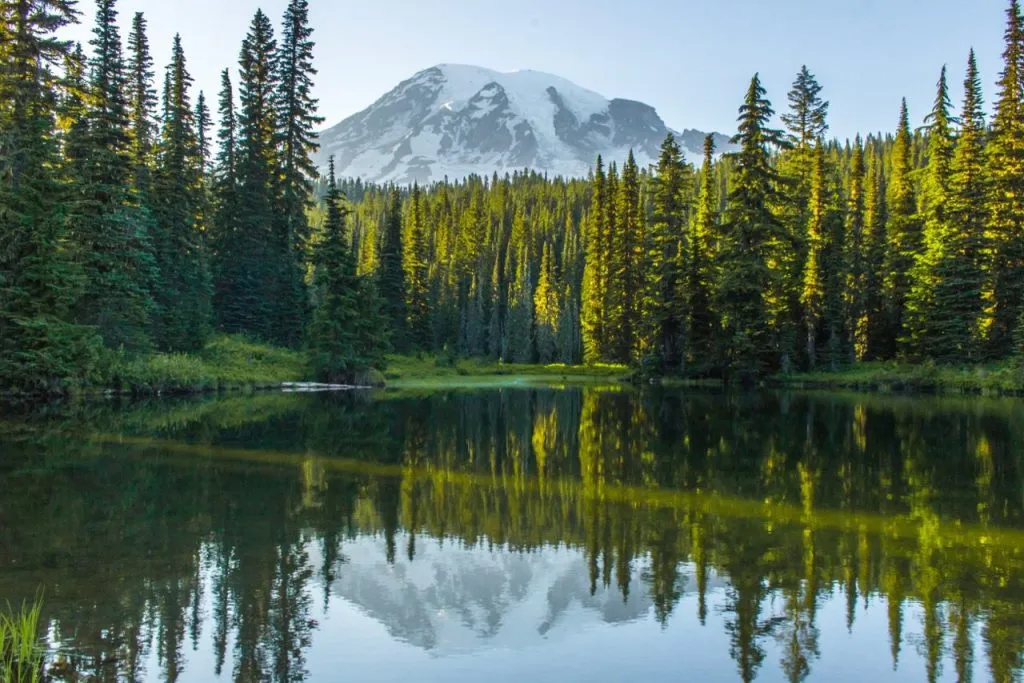
Outdoor enthusiasts can easily explore some of the Pacific Northwest’s most iconic landscapes. Just a short drive from Seattle lies Mount Rainier National Park, home to towering glaciers, alpine meadows, and the massive volcanic peak of Mount Rainier.
To the west, Olympic National Park offers a completely different environment, featuring temperate rainforests, rugged coastline, and dramatic mountain ranges.
These nearby wilderness areas reflect the region’s deep environmental heritage and make Seattle a gateway to some of America’s most diverse ecosystems.
Seattle City: Cultural Landmarks and Iconic Views:
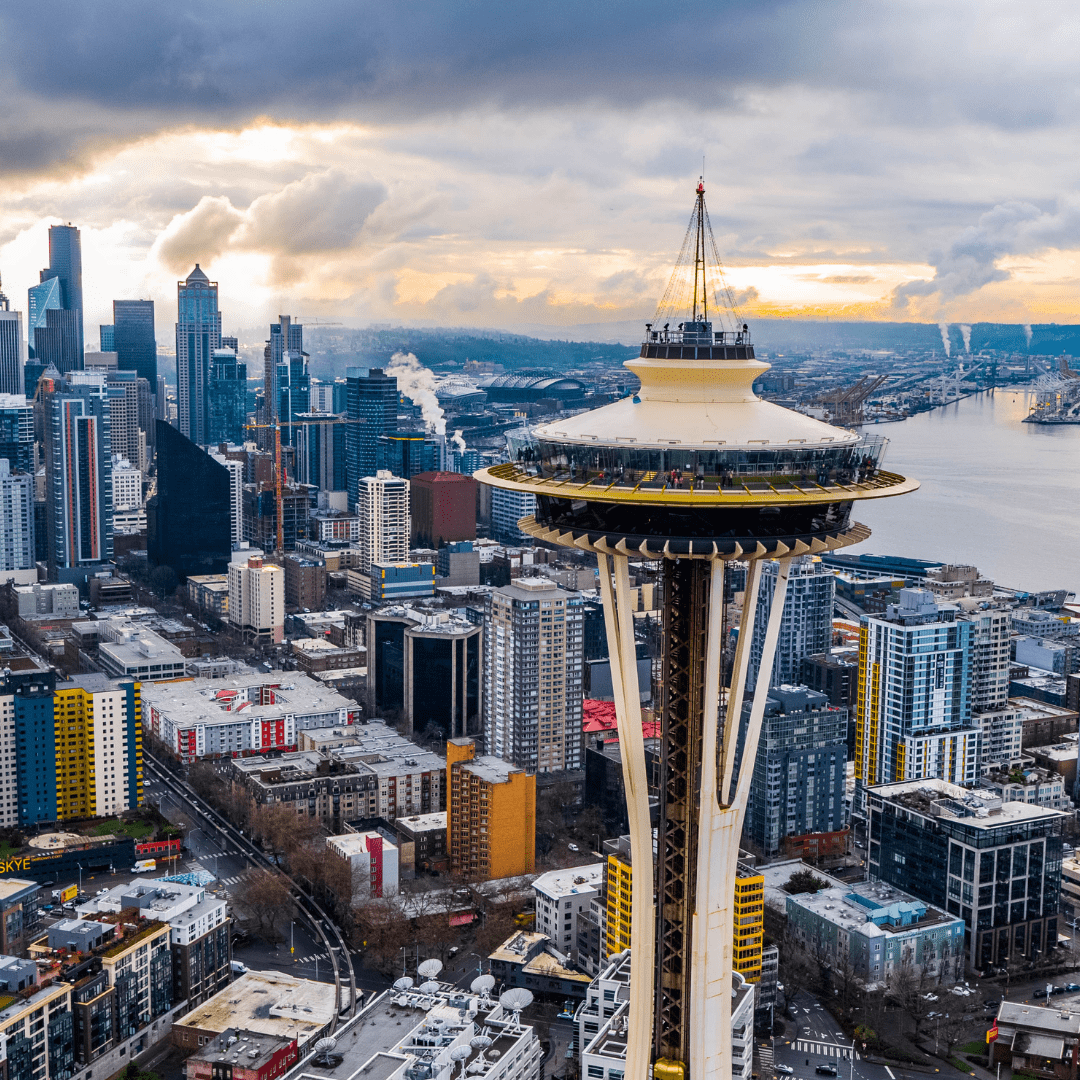
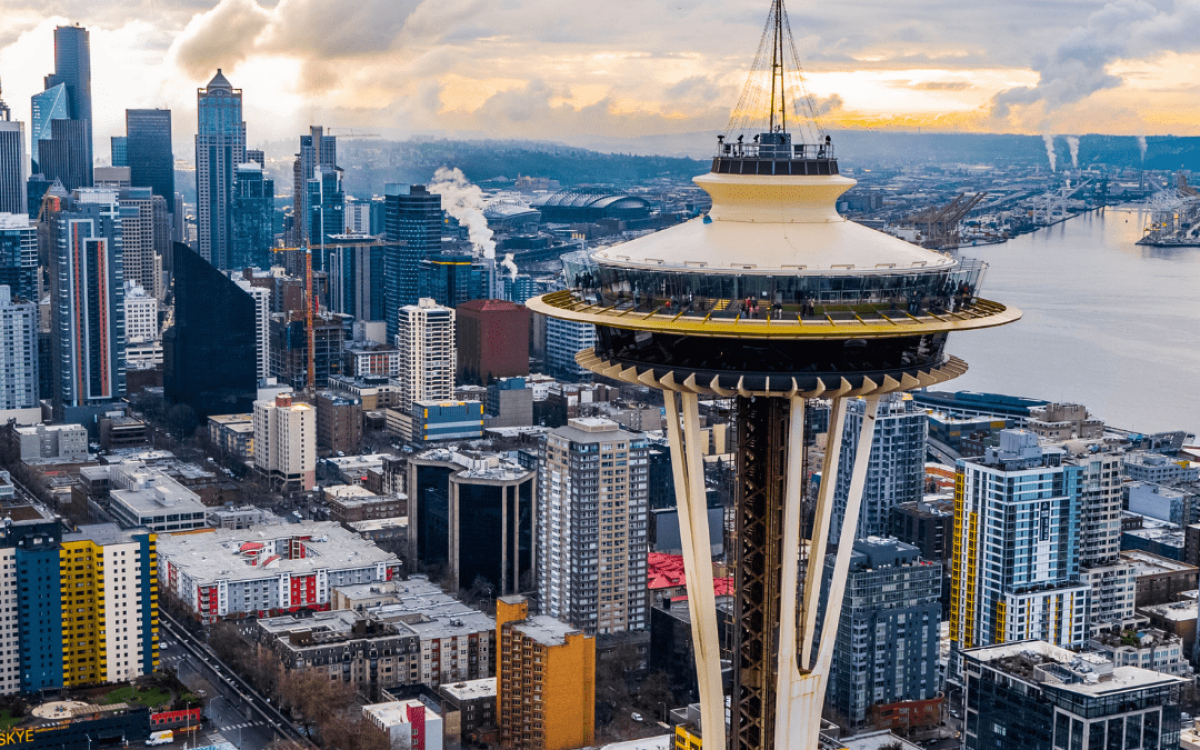
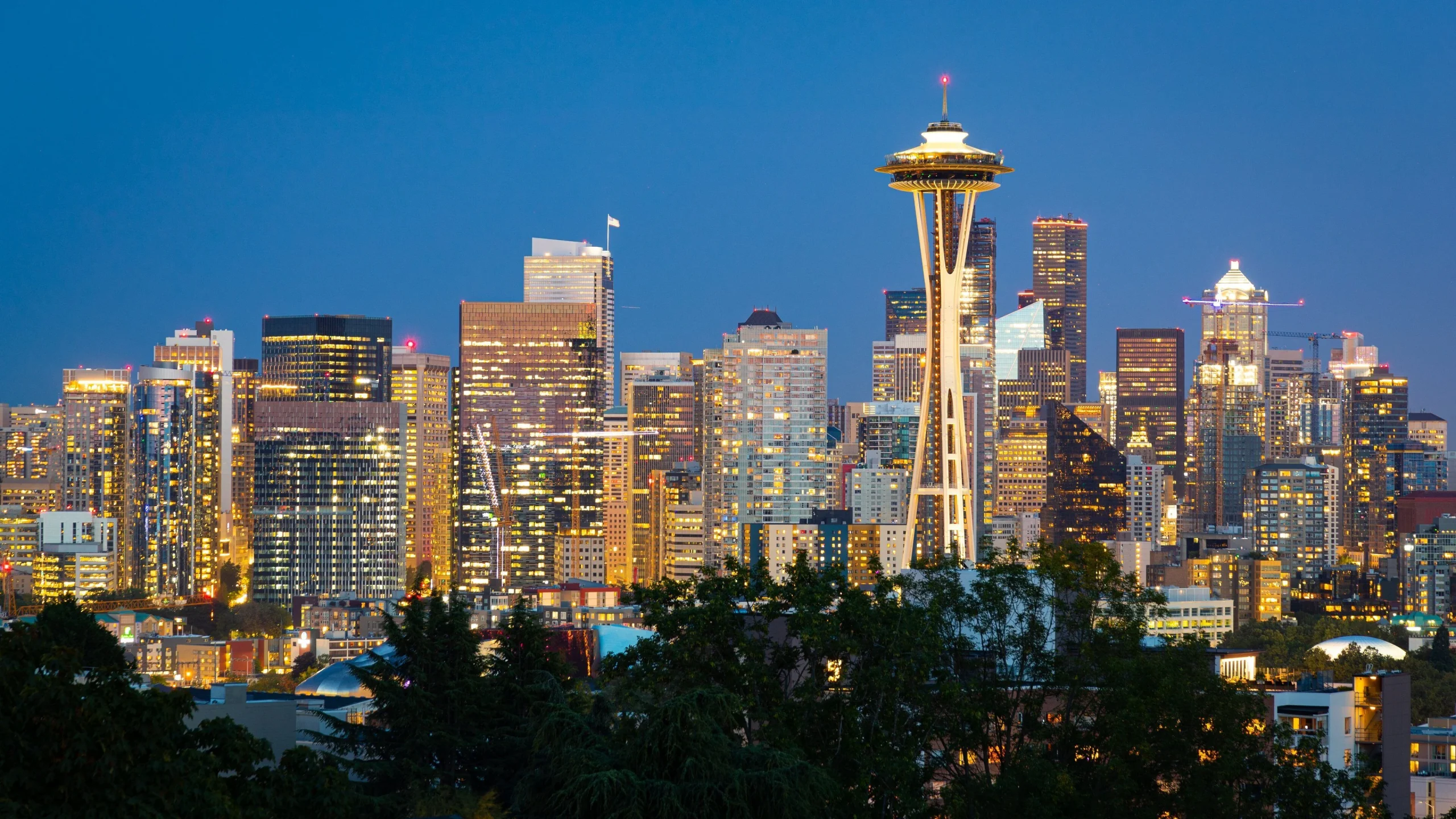
Seattle’s skyline features one of the city’s most recognizable landmarks: the Space Needle. Built for the 1962 World’s Fair, the tower remains an enduring symbol of the city and offers panoramic views of mountains, water, and urban neighborhoods.
Nearby, the Chihuly Garden and Glass exhibition showcases stunning glass sculptures created by artist Dale Chihuly, highlighting Seattle’s vibrant artistic culture.
Together, these attractions illustrate the city’s ability to merge innovation, design, and natural beauty.
Seattle City: Signature Foods of Seattle:
Seattle’s food scene reflects the abundance of the Pacific Northwest, where fresh seafood and local agriculture shape regional cuisine.
1. Pacific Northwest Salmon:
Wild salmon is one of the region’s most iconic ingredients. Often grilled or smoked, it appears in restaurants across the city and highlights the importance of sustainable fishing traditions.
2. Clam Chowder:
Seattle’s coastal location makes it an ideal place to enjoy creamy clam chowder, often served in sourdough bread bowls at waterfront eateries.
3. Local Craft Beverages:
Beyond coffee, Seattle has developed a thriving craft beverage scene, including locally brewed beers and small-batch ciders produced throughout the region.

Cultural Etiquette and Local Lifestyle:
Seattle residents often embrace a relaxed yet environmentally conscious lifestyle. Travelers may notice a strong emphasis on sustainability, recycling, and supporting local businesses.
Casual clothing is widely accepted, reflecting the city’s outdoor culture. It’s common to see locals wearing hiking gear or rain jackets even while visiting cafés or restaurants.
Visitors who explore neighborhood markets, support local cafés, and respect natural spaces will quickly experience the welcoming spirit of the Pacific Northwest.
Best Time to Visit Seattle City:
Seattle’s most pleasant weather typically occurs between May and September, when sunny days and mild temperatures make exploring the city and surrounding nature especially enjoyable.
Autumn offers beautiful foliage and fewer crowds, while winter brings a quieter atmosphere and dramatic misty landscapes that reflect the region’s natural mood.
Practical Tips for Visiting Seattle:
1. Use Public Transportation:
Seattle’s light rail and buses make it easy to navigate the city without a car.
2. Dress in Layers:
Weather can change quickly, so layered clothing helps travelers stay comfortable throughout the day.
3. Explore Neighborhoods:
Beyond downtown, districts like Capitol Hill, Fremont, and Ballard offer unique cafés, art scenes, and local culture.
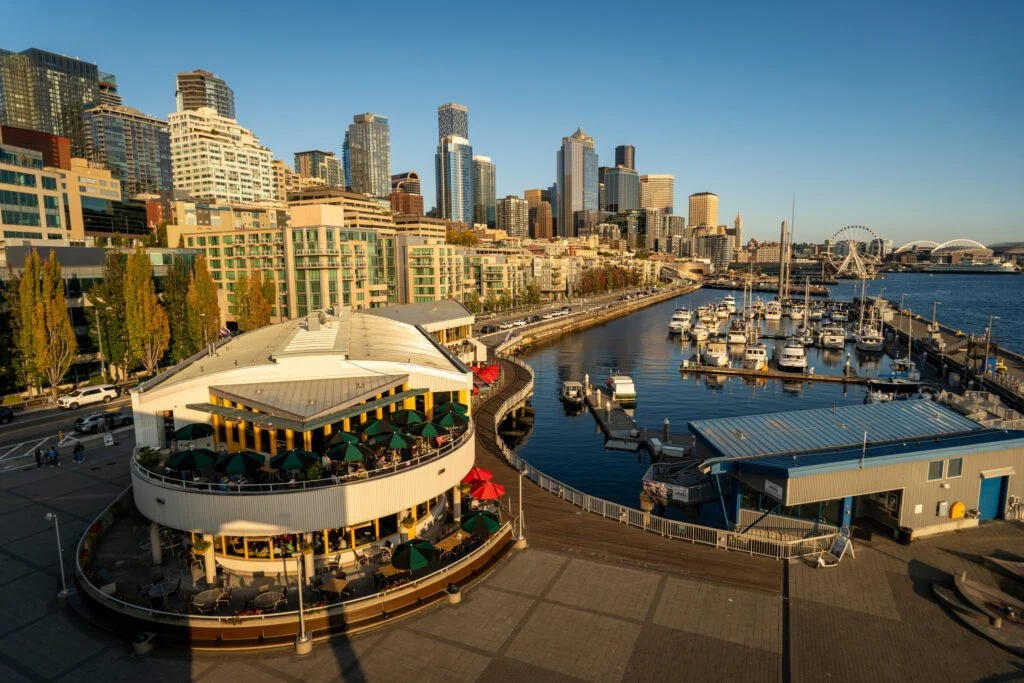
Seattle stands out as a city where creativity, culture, and nature exist in harmony. From the lively atmosphere of Pike Place Market to the aroma of freshly brewed coffee and the breathtaking landscapes surrounding the city, every corner of Seattle reveals a deeper story about life in the Pacific Northwest.
By exploring both its cultural landmarks and natural environments, travelers gain a fuller understanding of what makes Seattle unique. It is a city that encourages curiosity, creativity, and connection with the outdoors.
At Nutrition Travels, we believe the most meaningful travel experiences come from discovering how culture, food, and landscapes shape the identity of a destination—and Seattle offers all three in remarkable balance.