In the ever-evolving world of nutrition, new diets emerge faster than you can finish your morning smoothie — from keto and paleo to intermittent fasting and plant-based eating.
But lately, there’s a new buzzword making its way into wellness circles: Regenerative Dieting.
At first glance, it sounds like yet another eco-trendy label. But is there more to it than meets the eye? Could regenerative dieting actually be the next evolution in how we nourish ourselves — and the planet?
Let’s unpack what it truly means and whether it deserves your attention or just your skepticism.

What Is Regenerative Dieting?
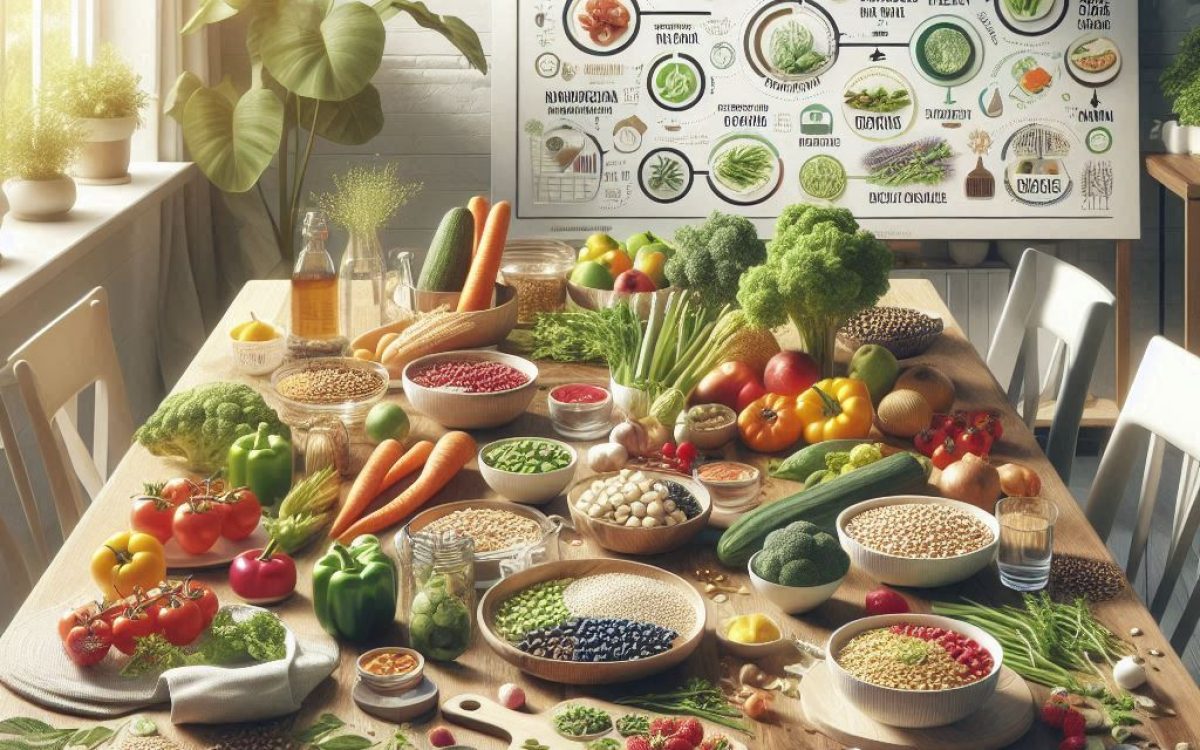
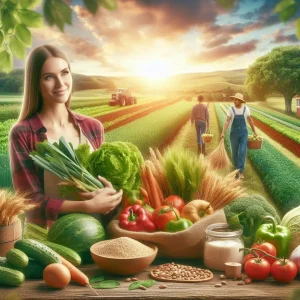
Regenerative dieting goes beyond traditional “healthy eating.” It connects personal nutrition with planetary health, emphasizing foods that not only nourish your body but also restore ecosystems, enrich the soil, and reduce carbon emissions.
The concept stems from regenerative agriculture, a farming approach designed to improve soil health, boost biodiversity, and restore ecological balance — rather than depleting nature like industrial farming often does.
When you choose regenerative foods — grass-fed meats, seasonal produce, or sustainably grown grains — you’re not just eating well; you’re supporting a food system that gives back more than it takes.
Why Regenerative Dieting Matters
At its heart, regenerative dieting represents a shift from consumption to contribution. It’s about taking ownership of your food story — where it comes from, how it’s grown, and who it impacts.
Here’s what makes it powerful:
- Better for the planet: It supports farming that captures carbon, enriches biodiversity, and restores degraded lands.
- Better for your body: Foods grown regeneratively are typically richer in nutrients, antioxidants, and healthy fats.
- Better for communities: It encourages fair wages, ethical sourcing, and supports small-scale farmers.
This approach satisfies both your health goals and your eco-conscious values — a genuine win-win.
The Catch: When Marketing Takes Over
Like any good movement, regenerative dieting isn’t immune to hype. Some brands use the term loosely to sell “eco-friendly” products that barely follow regenerative principles. Labels like “natural” or “sustainable” are often used without real evidence.
That’s where you need to stay sharp. Authentic regenerative products are backed by verified sourcing, transparent supply chains, and measurable soil health results.
So yes, regenerative dieting can transform the future of food — but only when it’s built on integrity, not buzzwords.

The Science Behind Healthy Soil
Why does soil matter in your diet?
Because healthy soil equals healthy food — and healthy you.
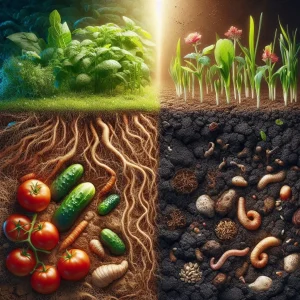
Studies show that regenerative farming — through crop rotation, composting, and natural fertilizers — enhances the nutrient density of crops. This means more vitamins, minerals, and antioxidants in every bite.
Conventional farming, on the other hand, drains soil vitality and reduces nutritional value. In short, regenerative eating isn’t just a planet-friendly concept — it’s biologically smart.
Simple Ways to Eat Regeneratively at Home
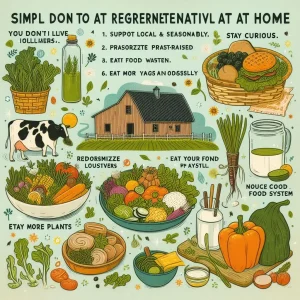
You don’t have to live on a farm to make a difference. Try these simple steps:
- Buy local and seasonal: Support farmers who grow responsibly.
- Prioritize grass-fed, pasture-raised, and organic foods.
- Reduce food waste: Repurpose leftovers and compost when possible.
- Eat more plants: Diversify your diet and reduce pressure on the food system.
- Stay curious: Ask where your food comes from and how it was produced.
Each mindful decision adds up to a meaningful impact — for your wellbeing and for the planet.
The Marketing Mirage
Let’s be real: in today’s wellness industry, everything can be branded. “Regenerative” is the latest shiny term many companies love to use.
Some brands may promote it just to attract eco-conscious consumers — even when their sourcing hasn’t changed. That’s greenwashing — marketing sustainability without practicing it.
Awareness is key. The more you understand what regenerative eating truly means, the harder it becomes for hollow marketing to deceive you.

The Human Connection: How Regenerative Eating Changes Us
Regenerative eating isn’t only about saving the planet — it’s also about reconnecting with yourself.
When you choose food grown with care, you become part of something bigger than your routine. You slow down, savor more, and feel gratitude for the hands and lands that feed you.
This mindful relationship with food can transform your wellbeing — reducing stress, creating balance, and reminding you that nourishment flows both ways: between your body and the Earth.
A Mindset, Not a Menu
At the end of the day, regenerative dieting isn’t a list of rules. It’s a mindset shift that invites you to see food not just as fuel, but as a relationship — one that connects your health to the Earth’s cycles of renewal and growth.
Choosing a regenerative path means eating with intention, curiosity, and respect for the planet that sustains us.
So, is regenerative dieting a real trend or just marketing?
The truth depends on how we choose to live it. When rooted in authenticity, it’s a powerful movement that can heal both people and the planet. But when treated as a buzzword, it becomes another fleeting fad.
The difference lies in your choices — from the farmers you support to the meals you prepare.
Every bite can shape the future of food.
Discover more mindful nutrition trends and eco-conscious lifestyle ideas on NutritionTravels.