
With the arrival of certain seasons, many people experience seasonal allergies, which can cause nasal congestion, frequent sneezing, skin irritation, and even general fatigue. For those interested in nutrition, there is a strong connection between what we eat and the health of our immune system, and consequently, the body’s ability to handle allergy triggers. Some dietary habits can naturally help relieve seasonal allergies symptoms and reduce their severity.

1- Boosting the Immune System with Vitamins and Minerals:
The body needs specific nutrients to support the immune system, which can help reduce allergic reactions.
1. Vitamin C: A powerful antioxidant that helps reduce inflammation and improve the body’s resistance to allergens. It is abundant in oranges, lemons, kiwis, and red bell peppers.
2. Vitamin D: Associated with immune system balance, and some studies show it can reduce respiratory inflammation and allergies. It can be obtained through sun exposure or by consuming fatty fish such as salmon and mackerel.
3. Zinc and Magnesium: Play a role in regulating inflammation and supporting immune function. These minerals are found in nuts, seeds, and whole grains.
2- Anti-Inflammatory Foods to Combat Seasonal Allergies:
Inflammation is a core part of allergy symptoms, so targeting inflammation from within can be beneficial.
1. Omega-3 fatty acids: Found in fatty fish like salmon, tuna, and sardines, as well as flaxseeds and walnuts. These fats help reduce the production of inflammatory chemicals.
2. Fruits and vegetables rich in antioxidants: Such as berries, carrots, broccoli, and spinach. These foods contain compounds that fight inflammation and protect cells from damage.
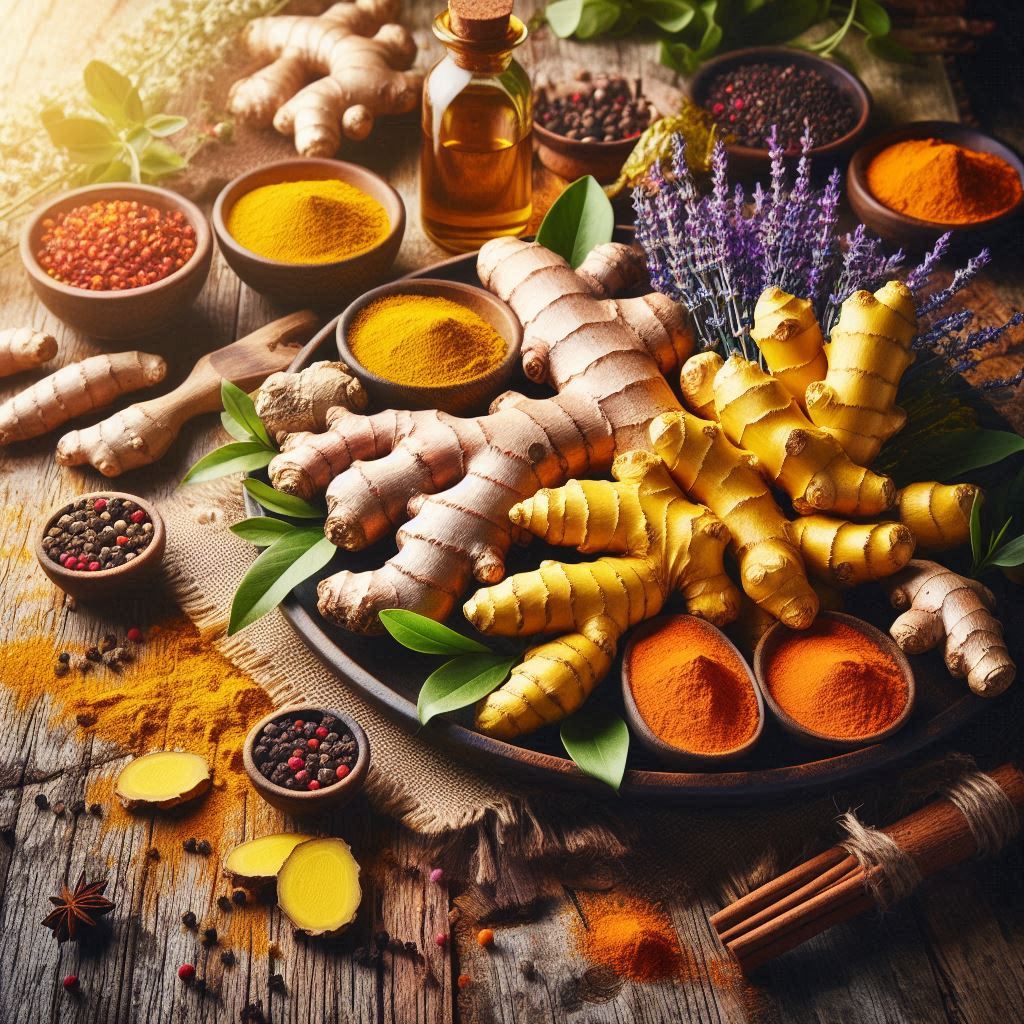
3. Natural spices: Turmeric and ginger contain anti-inflammatory compounds that can help soothe symptoms when added to daily meals.
3- Probiotics for Gut Health and Seasonal Allergy Management:
The digestive system is directly related to the immune system. Consuming probiotic-rich foods helps improve the balance of beneficial bacteria in the gut, which may reduce allergic reactions.
1. Natural yogurt: An excellent source of probiotics.
2. Fermented foods: Such as sauerkraut.
Improving gut health can positively affect immune function and reduce seasonal inflammation.
4- Hydration Tips for Managing Seasonal Allergies:
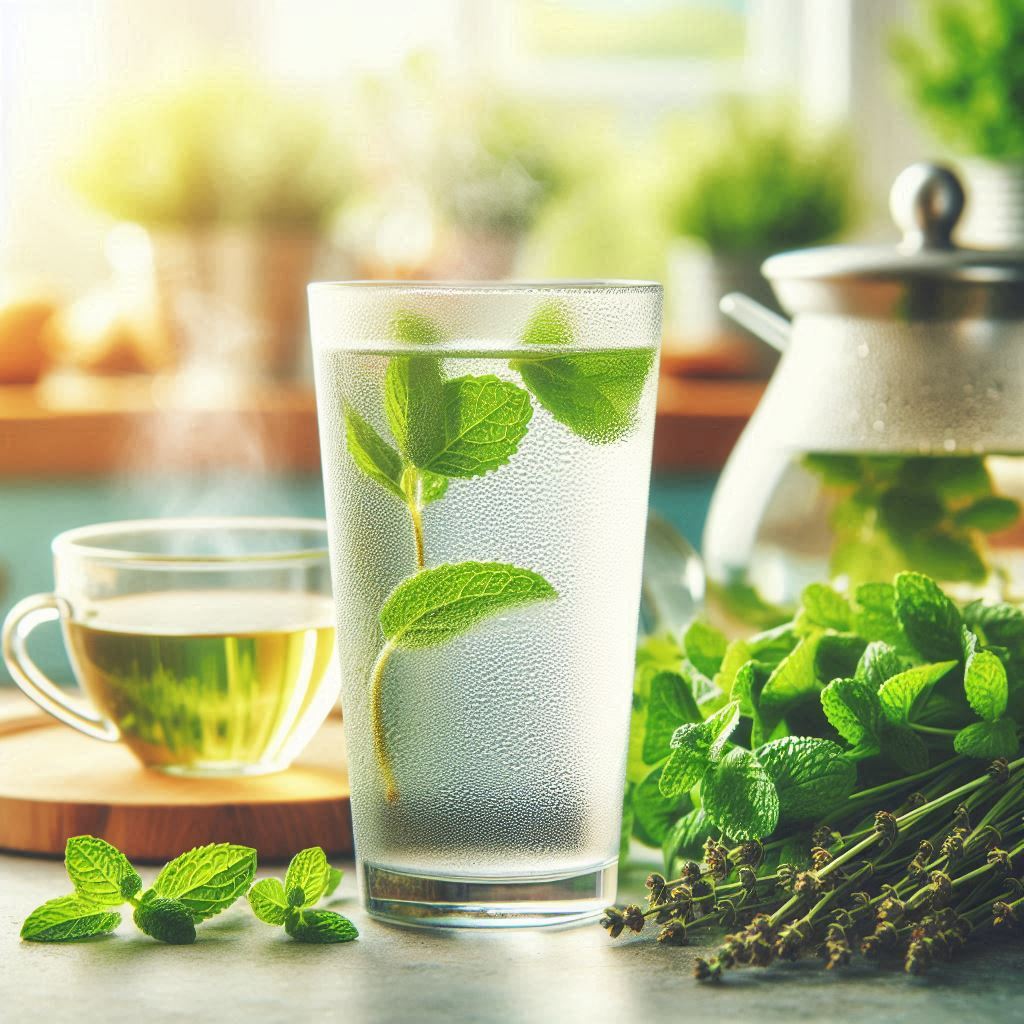
Drinking enough water daily helps thin mucus and open airways, making breathing easier and reducing congestion. In addition to water, warm beverages like green tea, which contains natural antioxidants, can help calm inflammation.
5- Avoiding Foods that Trigger Seasonal Allergies:
Some foods may increase the body’s allergic response or worsen inflammation, so paying attention to eating habits is important.
1. Processed and packaged foods often contain preservatives and artificial colors that may trigger allergies.
2. Refined sugars can increase internal inflammation and worsen symptoms.
Some individuals may notice increased symptoms after consuming dairy or wheat products, so monitoring personal eating habits helps identify specific triggers.
6- Regulating Meal Timing:
Eating small, frequent meals helps the body absorb nutrients better and reduces sudden inflammation or food-related sensitivities that may worsen seasonal symptoms. Avoiding heavy meals before bedtime also improves sleep quality, an important factor in supporting immune function.
7- Importance of Monitoring Weight and Physical Activity:
Even with a focus on nutrition, overall lifestyle affects allergies. Moderate physical activity improves circulation and reduces inflammation, while excess weight can increase the severity of allergy symptoms. Combining a healthy diet with simple exercises such as daily walking or yoga can have a significant positive effect in reducing symptoms.

For those interested in nutrition, seasonal allergies can be seen not just as a separate condition, but as a signal from the body highlighting the importance of boosting the immune system and following a balanced diet. Focusing on foods rich in vitamins, minerals, omega-3 fatty acids, fiber, and probiotics, while avoiding processed foods and irritants, forms a natural and effective strategy to alleviate symptoms. Combined with adequate hydration, natural herbs, and a healthy lifestyle, it becomes possible to enjoy spring or autumn while minimizing the impact of allergies on daily life.
For more accurate nutritional information and tips, you can follow all updates on Nutrition Travels, where we provide trusted and specialized content to support your health and quality of life.