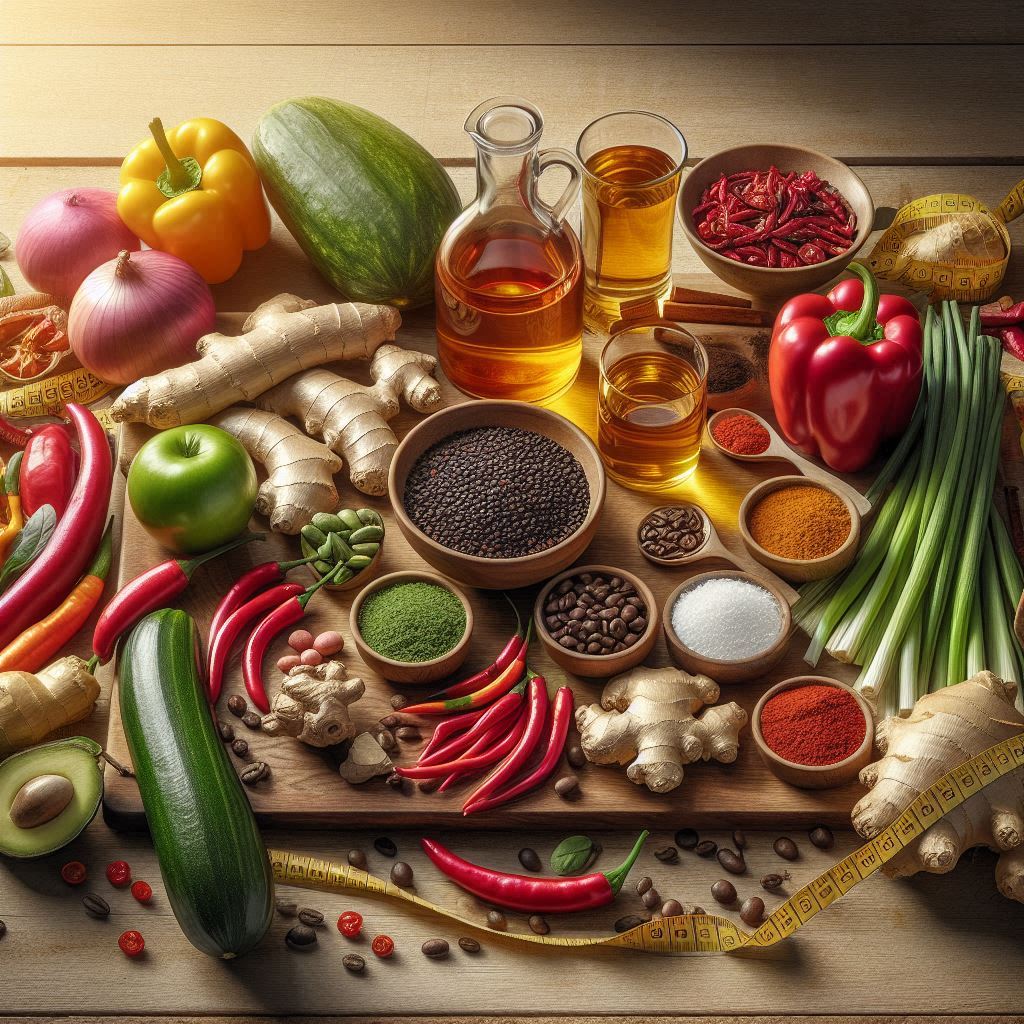

Running is not just a sport that relies on physical strength and endurance; it is a lifestyle that requires balance between training, rest, and proper nutrition. Many runners believe that improving performance depends only on how many kilometers they run or the intensity of their workouts. However, the truth is that what goes into their bodies before and after the race is the key factor that determines their energy levels, recovery speed, and ability to avoid injuries.
For runners, food is not just fuel—it is the “engine” that ensures peak performance on race day and sustained energy during daily training.

The Importance of Nutrition for Runners:
Nutrition plays a pivotal role in:
1- Providing the body with the energy needed for long-distance running.
2- Preserving muscle mass and preventing muscle breakdown.
3- Replenishing fluids and electrolytes lost through sweat.
4- Speeding up the recovery process after races or intense workouts.
5- Preventing injuries and chronic fatigue by supporting the immune and muscular systems.
Nutrition Before the Race: What Does a Runner Need?
1- Carbohydrates: The Primary Fuel:
Carbohydrates are the main source of energy for runners. During running, the body relies on glycogen stored in the muscles and liver.
- 3–4 days before the race: Increase carbohydrate intake (Carb Loading) to maximize glycogen stores. Examples: rice, pasta, potatoes, oats.
- Night before the race: Eat a balanced meal rich in easily digestible carbohydrates (such as pasta with a small portion of protein and cooked vegetables).
- Race morning: Have a light breakfast with fast-digesting carbs (such as a banana, oatmeal with low-fat milk, or toast with honey).
2- Protein: Protecting the Muscles:
Although carbohydrates are the priority, protein is essential to preserve muscle mass and reduce the risk of muscle strain.
- Good options: eggs, milk, Greek yogurt, or grilled chicken breast in moderate amounts.
3- Hydration: The Key to Sustained Performance:
Dehydration is a runner’s worst enemy.
- Drink sufficient water throughout the day before the race.
- On race morning: drink two glasses of water or a sports drink rich in electrolytes.

Nutrition During Long Races:
For races lasting more than an hour:
1- Sports drinks: Help replace lost glucose and electrolytes.
2- Energy gels or dates: Provide a quick energy boost.
3- Water: Drink small, regular amounts to avoid dehydration or stomach discomfort.
Nutrition After the Race: The Recovery Phase:
1- The Optimal Recovery Window:
Immediately after finishing the race (within 30–60 minutes), the body is most efficient at absorbing nutrients.
- Carbohydrates + Protein: To replenish glycogen and repair muscle fibers.
- Example: chicken sandwich on whole-grain bread, or a fruit smoothie with protein powder.
2- Protein for Muscle Repair:
Protein helps repair stressed muscle fibers.
- Best sources: eggs, white meat, fish, legumes, or protein powder.
3- Rehydration and Electrolyte Replacement:
- Drink water along with a solution containing sodium and potassium to restore electrolyte balance.
- Natural juices like orange juice or banana with milk are also excellent choices.
4- Vitamins and Minerals:
- Magnesium: Helps reduce muscle cramps.
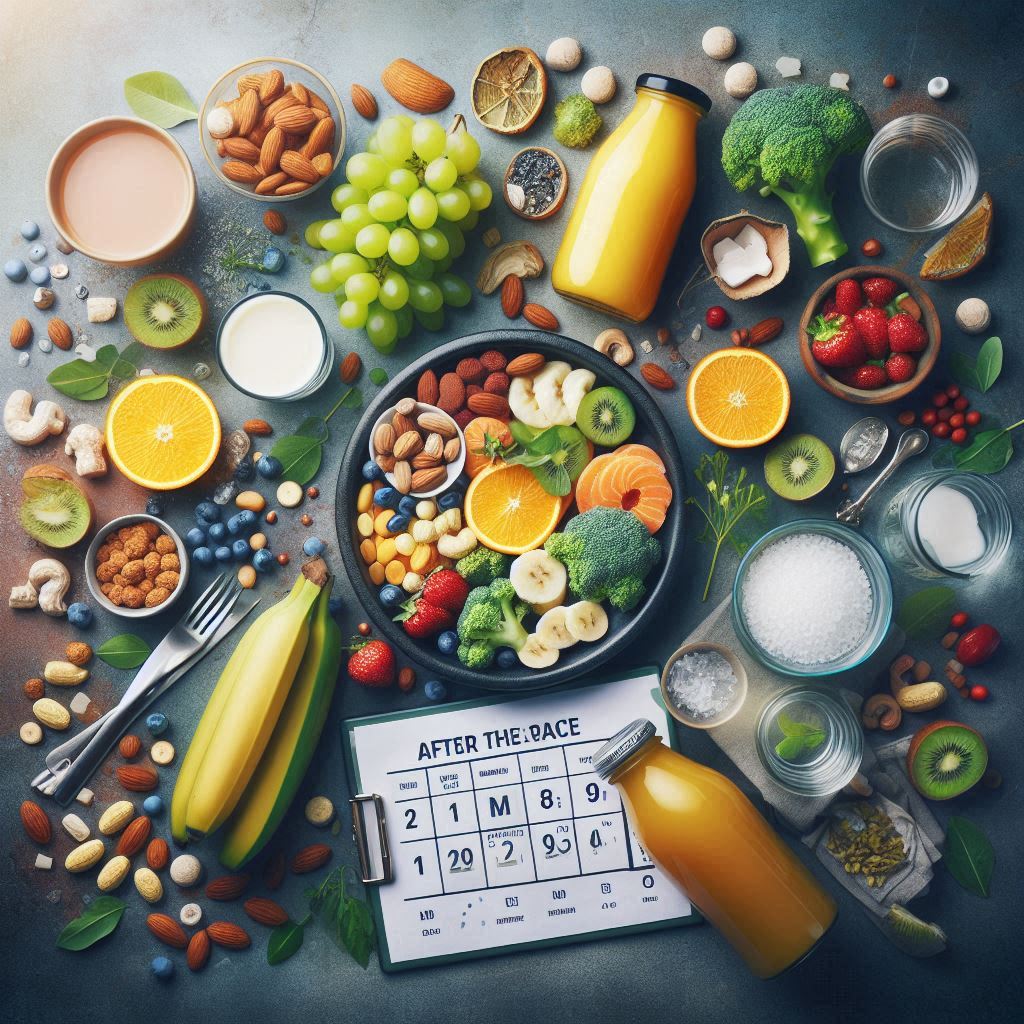
- Potassium: Restores electrolyte balance and regulates fluids.
- Zinc & Vitamin C: Support the immune system and speed up recovery.
Common Nutrition Mistakes Among Runners:
1- Over-relying on protein before races instead of carbohydrates.
2- Eating new or untested foods on race day.
3- Neglecting hydration or drinking excessive amounts at once.
4- Ignoring post-race nutrition, which slows down recovery.

Nutrition is not a secondary detail in a runner’s life; it is the cornerstone that determines success or failure in a race. A smart runner is the one who carefully plans meals, giving the body the fuel it needs before the race to perform at its best, and supplying it with the nutrients required afterward for faster recovery and stronger training continuity.
At Nutrition Travels, we provide you with practical insights and guidance on sports nutrition—helping you choose the right foods at the right times, and build a nutrition plan that supports your goals and maximizes your performance.
In the end, victory is not created only on the race track; it begins with the food you place on your plate every day.