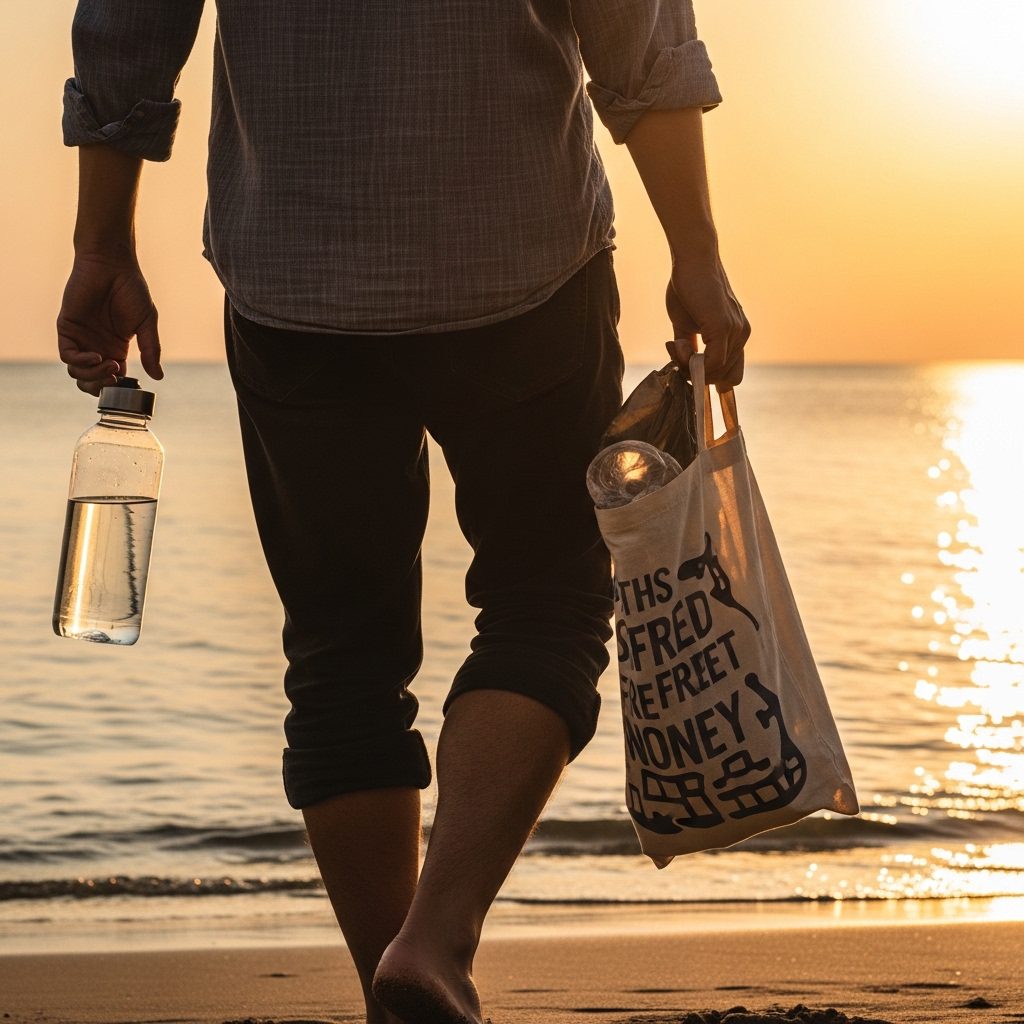
In recent years, many travelers have realized that travel doesn’t just leave beautiful memories—it can also leave an environmental impact. This is where the concept of waste-free travel comes in, as a mindful approach that makes your journey enjoyable and responsible at the same time. The idea isn’t to be perfect or to stop traveling, but to make small choices that reduce the waste you leave behind.
When you start thinking about waste-free , you’ll find it simpler than it seems. You don’t need complex gear; just a few small changes to your daily habits while on the move.

Why Has Waste-Free Travel Become Important?
Tourism is one of the largest industries in the world, but it also contributes significantly to waste production, especially single-use plastics like water bottles and packaged food utensils. According to the United Nations Environment Programme (UNEP), small individual actions can greatly reduce plastic waste while traveling. Reliable information on reducing global plastic use is available on the official UNEP website.
This kind of awareness motivates many to try waste-free travel as part of a more sustainable lifestyle.
Start with Your Bag: What to Bring:
The first step in waste-free travel begins before leaving home. Packing a few simple items can reduce reliance on single-use products. Useful items include:
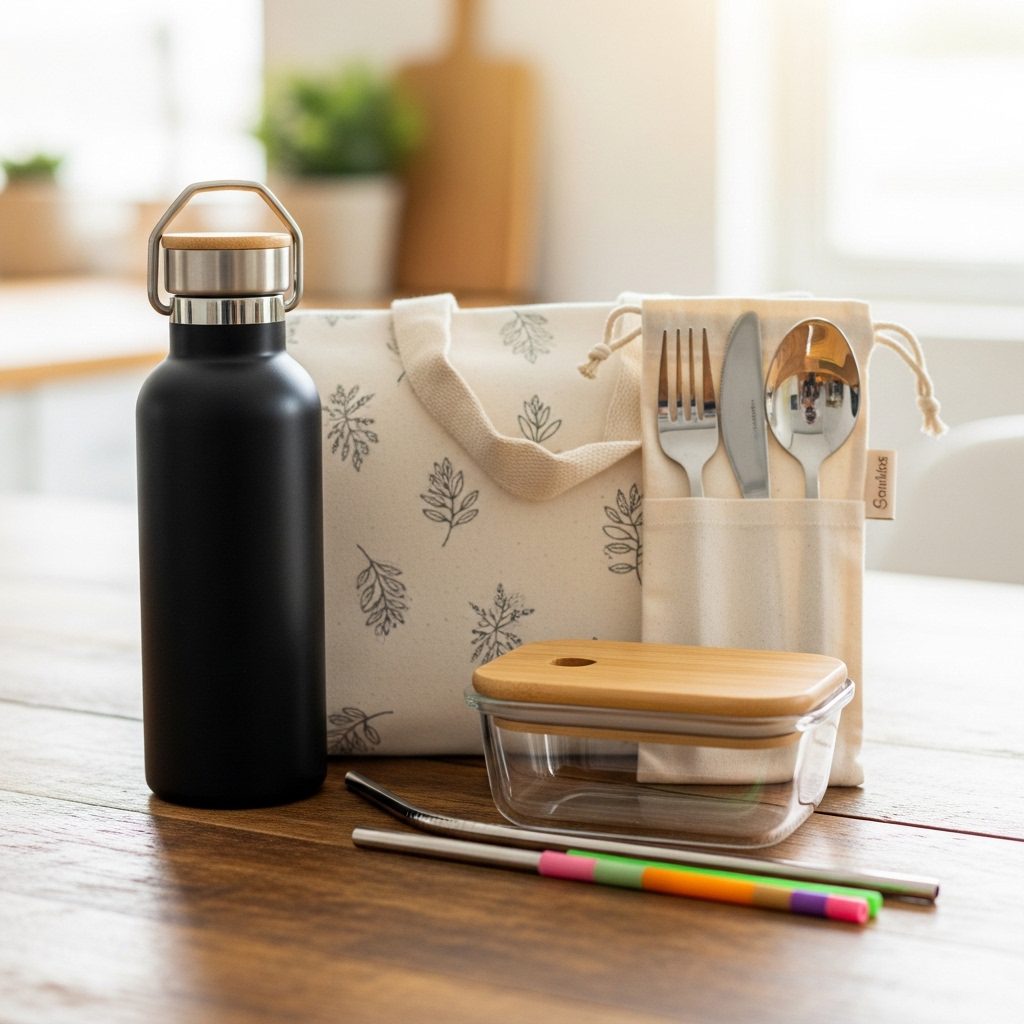
- Reusable water bottle
- Cloth shopping bag
- Lightweight portable utensils
- Small food container
- Metal or silicone straw
These items may seem simple, but they transform the waste-free experience entirely, especially on long trips or in crowded cities.
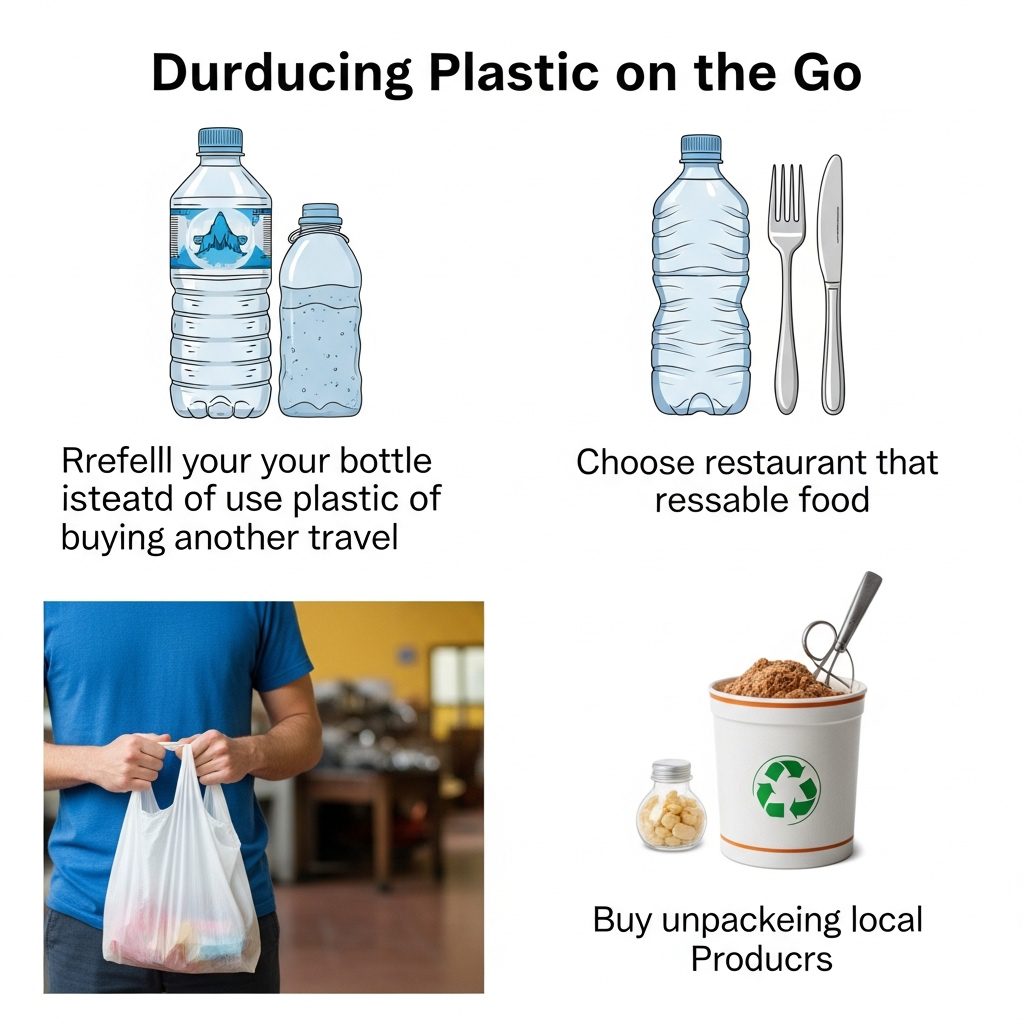
Reducing Plastic on the Go:
During travel, situations often push you to use plastic without thinking—buying bottled water, ordering takeout, or using plastic bags. With a little attention, waste-free travel becomes a natural habit.
For example:
- Refill your water bottle instead of buying another one
- Refuse plastic utensils when ordering food
- Choose restaurants that use reusable cutlery
- Buy unpackaged local products
These small decisions not only benefit the environment but also make waste-free a more mindful and connected experience.
Sustainable Accommodation as Part of the Experience:
Hotels and guesthouses can be significant sources of waste, but many are adopting eco-friendly practices. By choosing the right accommodation, you can support waste-free travel through:
- Reusing towels
- Avoiding small shampoo bottles
- Turning off unused appliances
- Choosing places that practice recycling

These small details make waste-free travel practical, not just an idea.
Local Food Reduces Waste:
One of the most natural ways to practice travel is by eating fresh, local food instead of packaged products. Local markets, small bakeries, and street vendors often use minimal packaging. Additionally, this provides a more authentic cultural experience.
Often, waste-free becomes a way to explore local culture more deeply because it moves you away from fast consumption and closer to daily life.
A Small Shift in Mindset:
The most important aspect of waste-free isn’t what you carry, but how you think. When you start noticing the amount of waste you generate during your journey, you’ll automatically make different choices.
Instead of asking:
“What’s easiest?”
Ask:
“What’s least harmful?”
This simple shift is at the core of waste-free travel.

Shopping While Traveling Waste-Free:
A real challenge is shopping, especially for souvenirs. Many tourist products come in plastic packaging or are made from unsustainable materials.
However, shopping can become a different experience:
- Buy local handmade products
- Choose natural materials like wood or fabric
- Always carry a cloth bag
- Avoid plastic souvenirs

In this way, becomes an opportunity to support the local economy instead of relying on mass-produced goods.
Sustainable Transportation as Part of the Concept:
Waste-free travel isn’t limited to reducing plastic—it also involves reducing the environmental impact of transportation. When possible, try:
- Using public transport
- Walking within cities
- Renting a bicycle
- Carpooling
These options reduce waste and make travel calmer and more connected to your surroundings. In many cities, walking reveals details you can’t see from a car.
Managing Waste During the Trip:
Even with the best planning, some waste will appear. The difference in waste-free travel is how you handle it.
Helpful habits include:
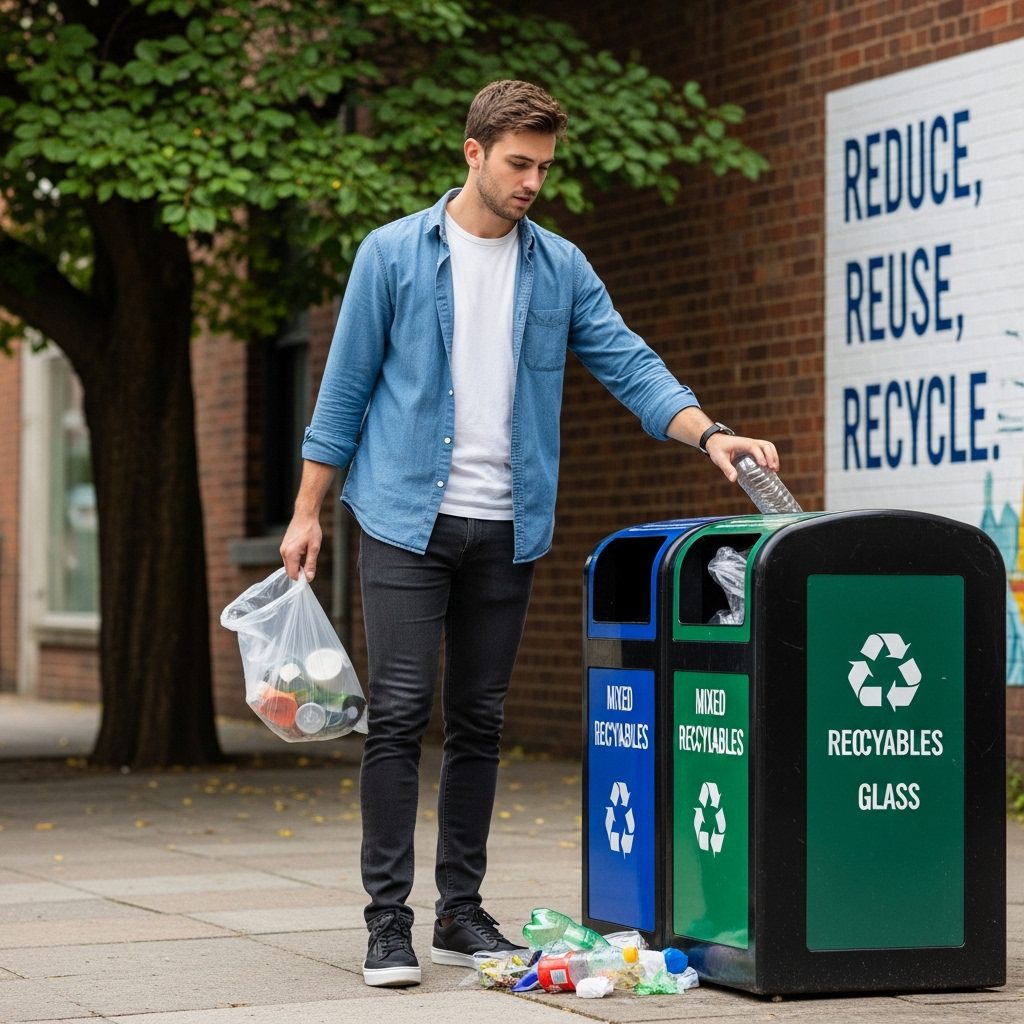
- Carry a small trash bag
- Separate recyclable materials
- Look for recycling bins
- Reduce unnecessary purchases
These practices make waste-free travel more realistic, as the goal isn’t perfection but minimizing waste as much as possible.
Technology Can Help:
While waste-free travel relies on reducing consumption, technology can be a useful tool. Apps can help you:
- Locate water refill stations
- Find sustainable restaurants
- Identify recycling points
- Plan walking routes
Using technology in this way supports waste-free travel rather than contradicting it.
How Waste-Free Travel Becomes a Habit:
At first, it may seem like extra effort, but after several trips, becomes easier and more automatic. Over time, you’ll notice that you:
- Always carry your reusable items
- Buy less
- Choose products carefully
- Think about the impact of your decisions
This is when travel shifts from a travel experience to a lifestyle.
The Real Impact of Mindful Travel:
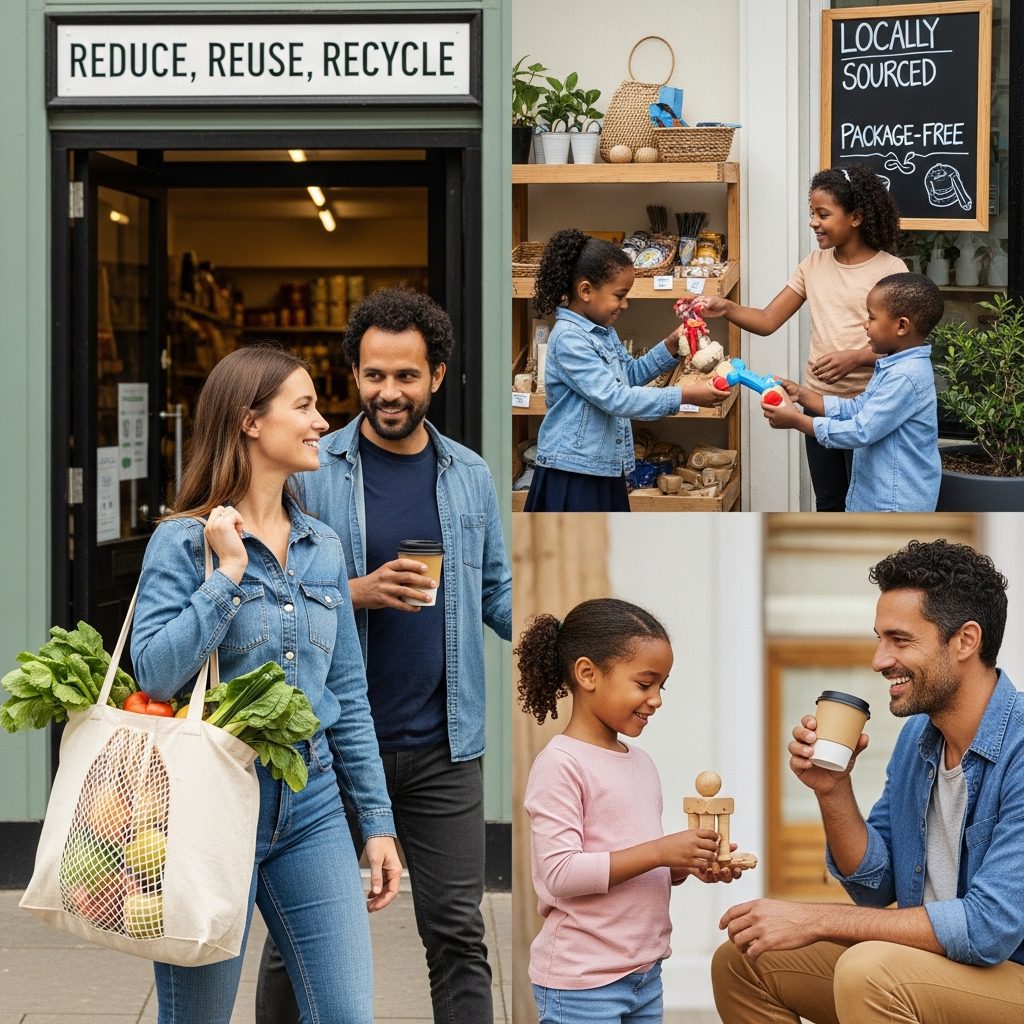
When travelers choose to reduce waste, they send a strong message to the tourism industry. Hotels, restaurants, and companies respond to customer behavior.
For this reason, every attempt at waste-free travel has value, even if it seems small. Travel isn’t just about the places we visit; it’s about the footprint we leave behind.
Waste-Free Travel Isn’t Idealistic or Hard to Do:
It’s a series of small decisions that accumulate over time. A reusable water bottle, a cloth bag, and conscious choices about food and transport—these simple things make a real difference.
When you travel this way, the journey becomes calmer, more mindful, and closer to nature and people. This is perhaps the most beautiful part of travel.
Travel becomes more meaningful when it respects the places we visit.
If waste-free inspires you to explore the world more responsibly, discover more sustainable travel ideas and guides on nutritiontravels, where better journeys begin with better choices.