
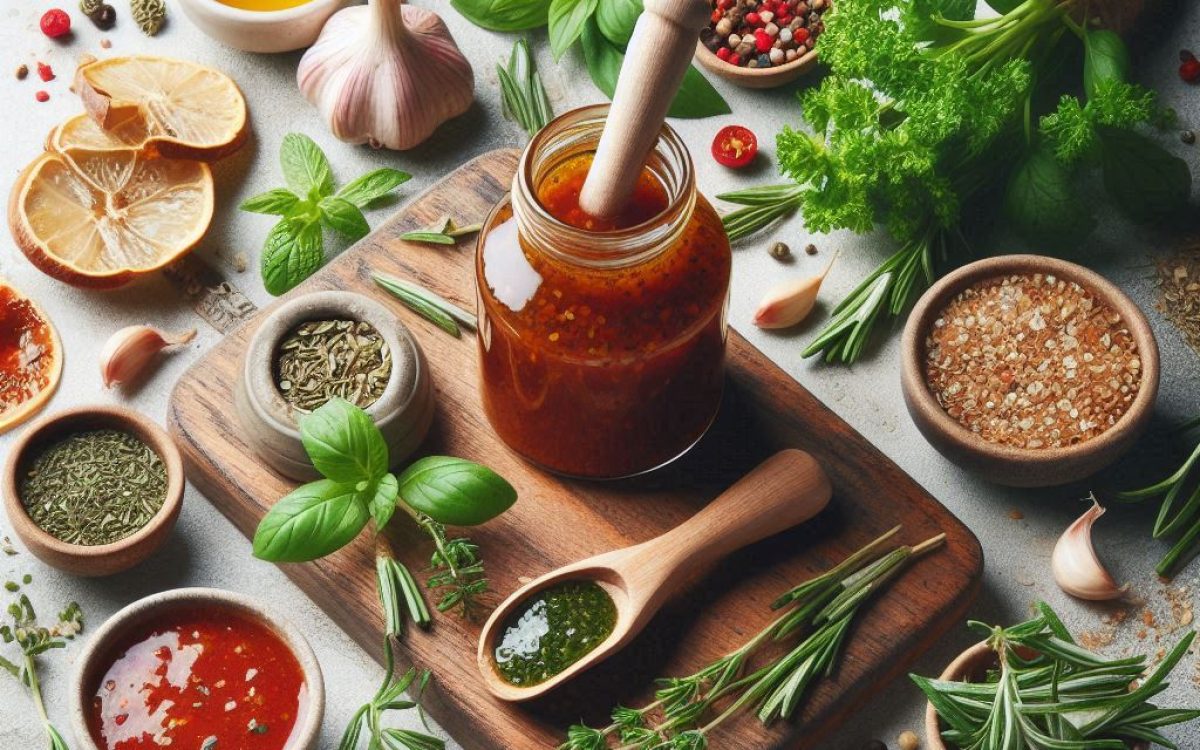
In the modern culinary world, natural herb sauces have become one of the secrets of a healthy kitchen. They not only add a rich and distinctive flavor to food but also provide the body with multiple nutritional benefits in a natural way. Using fresh or dried herbs in sauces can transform any ordinary meal into a healthy and delicious experience.
In this article, we will explore how to make natural herb sauces, their importance, and the best ingredients and flavors to achieve a healthy and enjoyable taste.
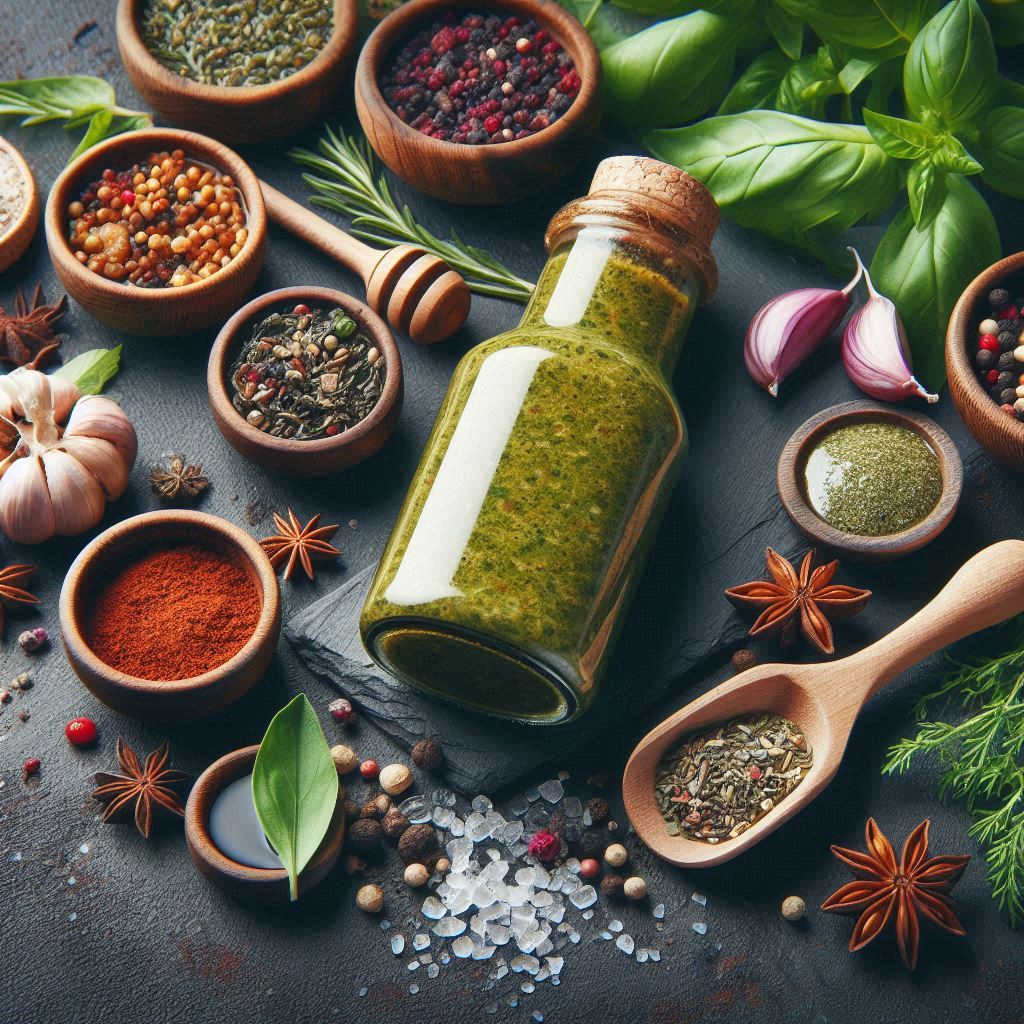
Why Natural Herb Sauces Are Important for Healthy Cooking?
Store-bought sauces often contain high levels of salt, sugar, preservatives, and unhealthy fats. In contrast, making sauces at home with natural herbs offers several benefits:
- Complete control over ingredients: You can determine the amount of salt, sugar, and oils used.
- Increased nutritional value: Herbs like basil, parsley, dill, and thyme are full of vitamins and minerals.
- Enhanced natural flavor: Herbs add a rich and distinctive taste without the need for artificial ingredients.
- Better health: Natural sauces help improve digestion, support immunity, and reduce inflammation thanks to the active compounds in herbs.
Best Herbs to Use in Natural Herb Sauces:
Choosing the right herbs depends on the type of food you are serving and the desired sauce flavor. Here are the most commonly used herbs:
1. Basil: Provides a fresh and distinctive flavor, ideal for Italian sauces and pizza.
2. Parsley: Rich in vitamin C and antioxidants, perfect for salads and light sauces.
3. Dill: Gives a light, slightly tangy flavor, ideal for fish and vegetable sauces.
4. Coriander (Cilantro): Adds a unique, slightly spicy flavor, great for Eastern dishes.
5. Thyme and Rosemary: Give an aromatic taste, perfect for sauces with grilled meats and vegetables.
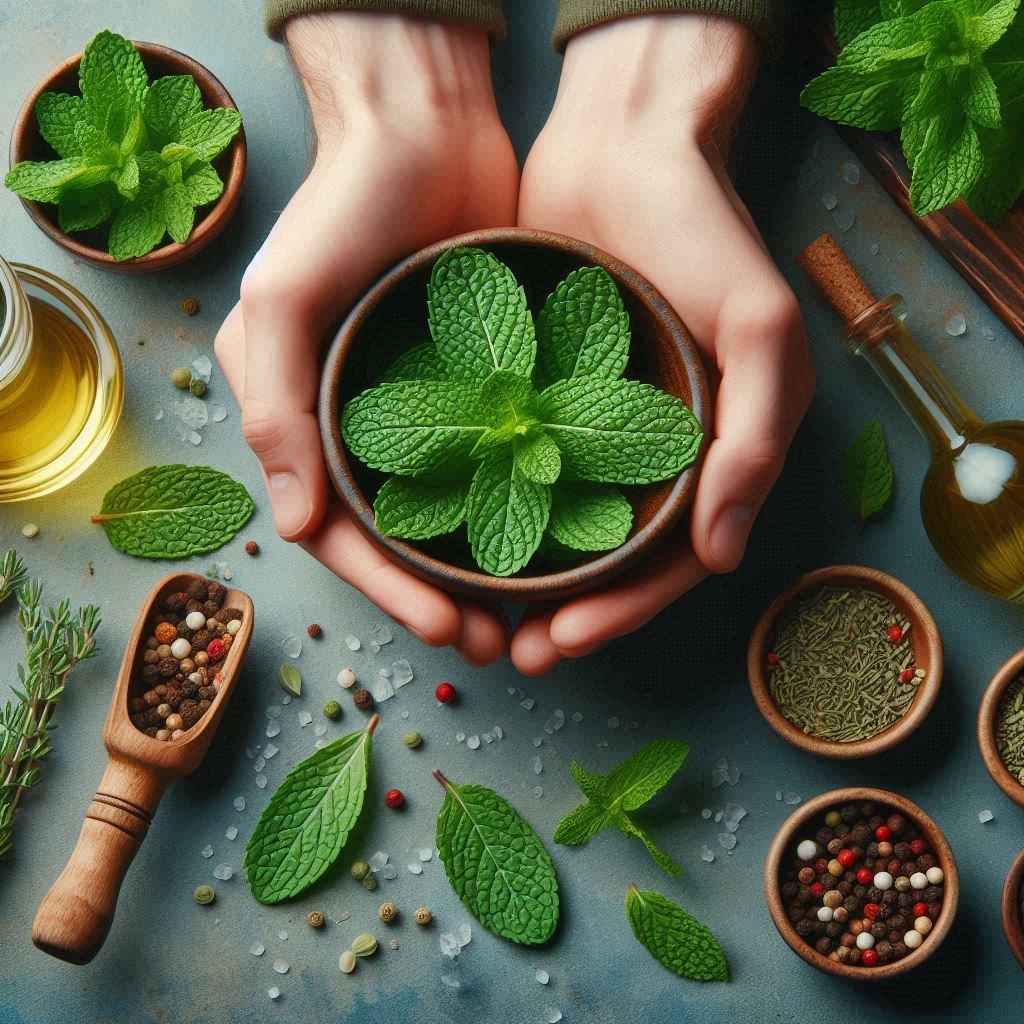
6. Mint: Adds a refreshing and lively touch, suitable for cold sauces and beverages.
Step-by-Step Guide to Making Natural Herb Sauces:
To prepare healthy and delicious sauces, you can follow simple steps:
1. Choose Fresh or Dried Herbs:
Fresh herbs are preferred as they have more flavor and nutritional value. If using dried herbs, chop them finely and mix with oil or liquid ingredients to release the flavor.
2. Determine the Type of Sauce:
Sauces can be:
- Oil-based sauces: Use oil as the base, like pesto.
- Creamy sauces: Contain yogurt or mashed avocado.
- Citrus-based sauces: Rely on vinegar or lemon juice with herbs.
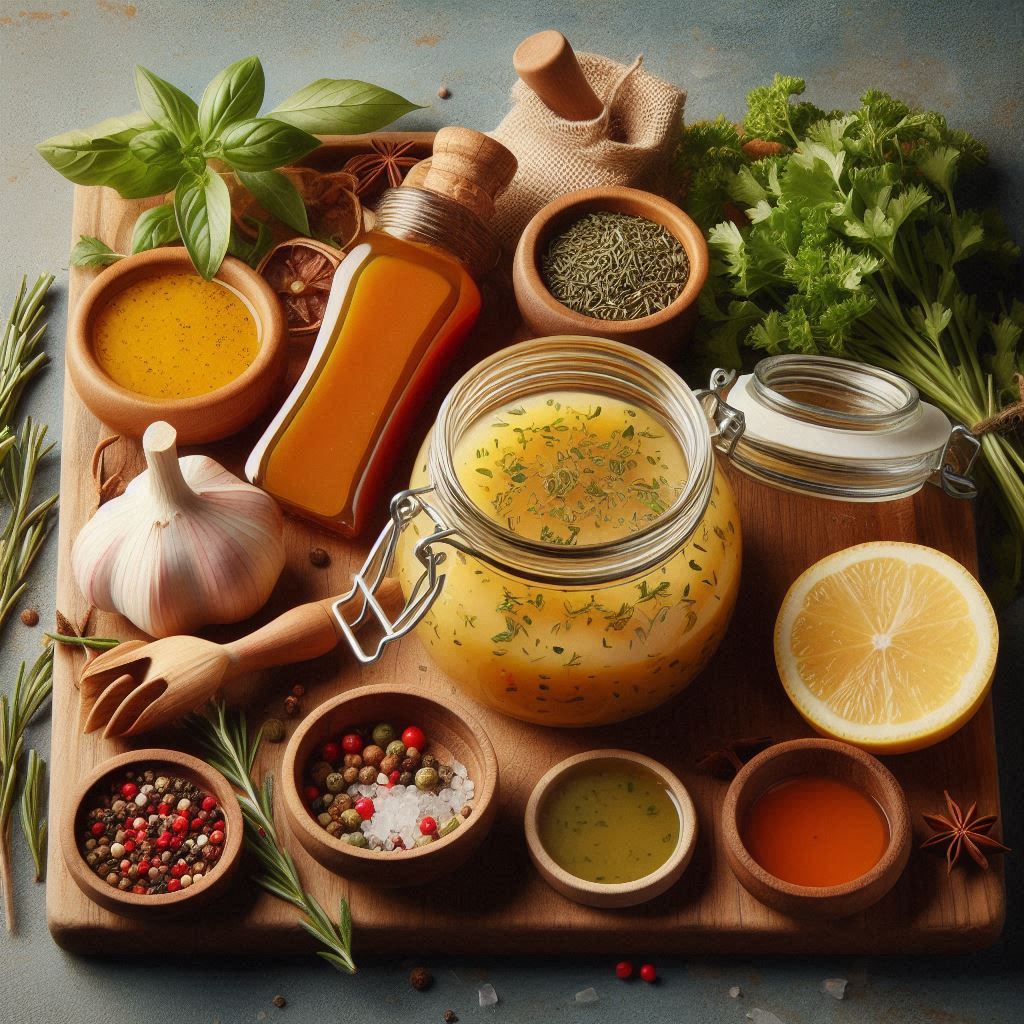
3. Prepare the Main Ingredients:
- Extra virgin olive oil for oil-based sauces.
- Yogurt or avocado for creamy sauces.
- Lemon juice or vinegar for citrus-based sauces.
- Garlic, pepper, salt, and black pepper to add balanced flavor.
4. Blend the Ingredients:
You can use a food processor or hand blender to mix the ingredients until smooth and consistent. Some sauces can be left slightly coarse for a richer texture.
5. Taste and Adjust:
After blending, taste the sauce. Add salt, pepper, or lemon juice as needed. This step is essential to achieve the perfect balance between flavor and health.
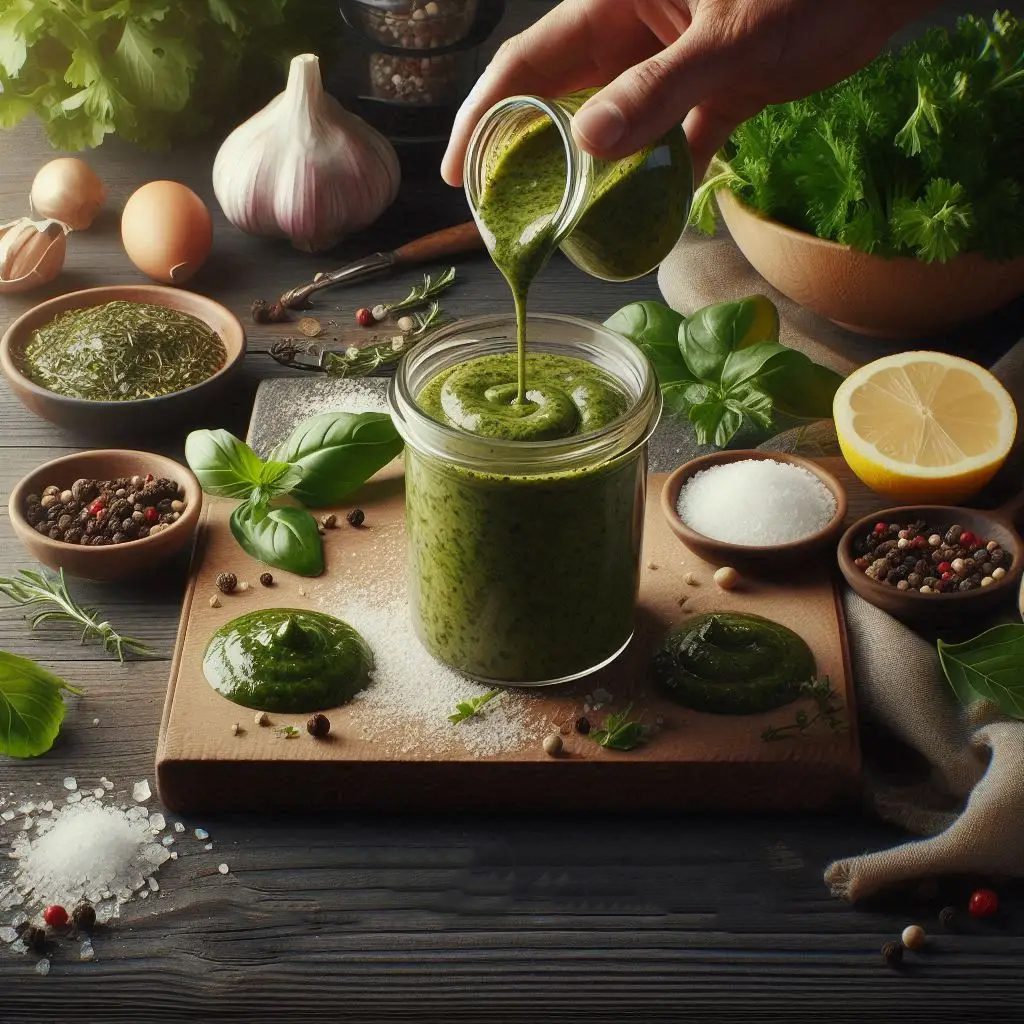
Examples of Delicious Natural Herb Sauces:
1. Classic Pesto Sauce:
- Ingredients: Fresh basil, garlic, olive oil, pine nuts, Parmesan cheese, salt, and pepper.
- Uses: With pasta, pizza, or as a vegetable dip.
2. Herb Yogurt Sauce:
- Ingredients: Yogurt, chopped parsley, dill, mint, lemon juice, crushed garlic, salt, and pepper.
- Uses: For salads, grilled meats, or as a bread dip.
3. Citrus Herb Sauce:
- Ingredients: Olive oil, lemon juice, coriander, mint, chili pepper, garlic, salt, and pepper.
- Uses: With fish, poultry, or salad dressings.
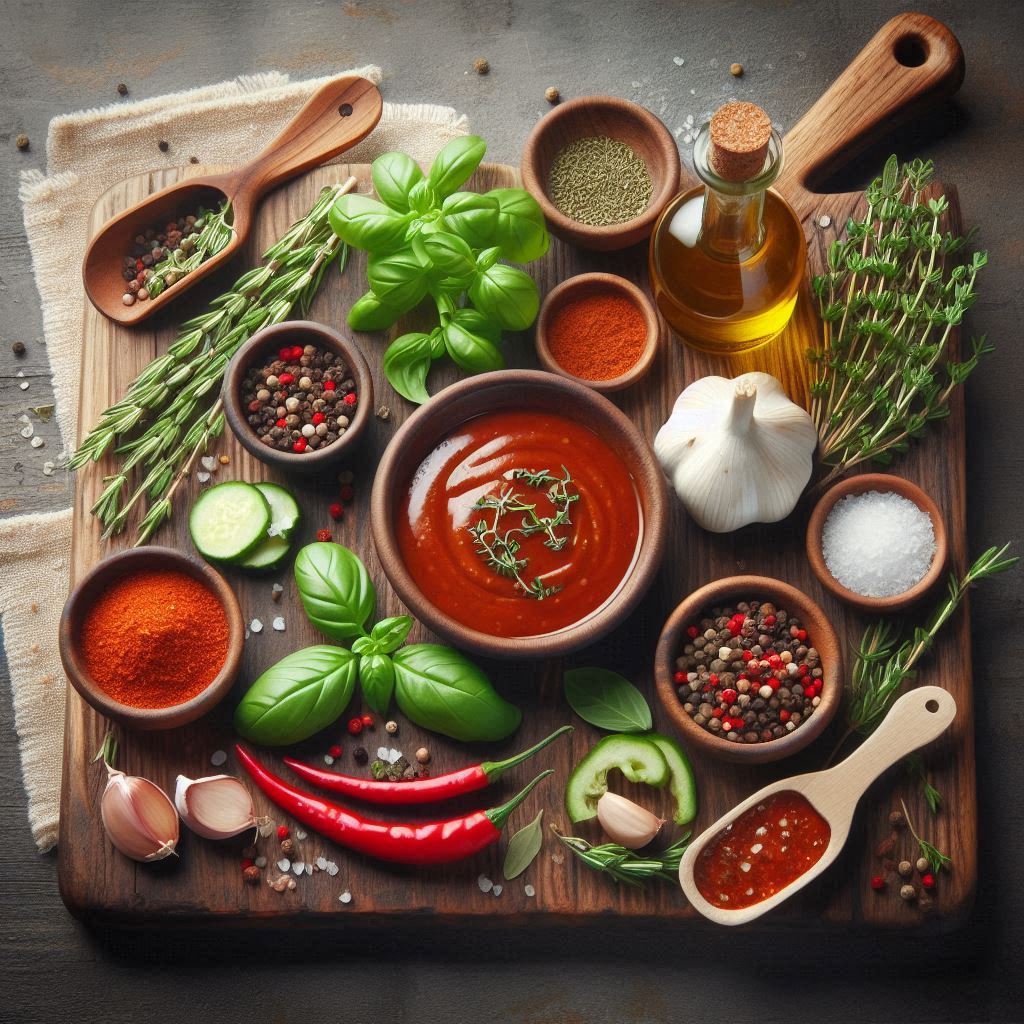
4. Spicy Herb Sauce:
- Ingredients: Basil, thyme, crushed red pepper, garlic, olive oil, apple cider vinegar, salt, and pepper.
- Uses: To enhance the flavor of grilled meats or vegetables.
Tips for Storing and Preserving Natural Herb Sauces:
1. Storage: Keep sauces in an airtight glass container in the refrigerator for about a week.
2. Freezing: Some sauces, like pesto, can be frozen for up to 3 months.
3. Refreshing: Add fresh herbs or lemon juice before serving to revive the flavor.
4. Experiment: Don’t be afraid to try different combinations of herbs or seeds to discover new and unique flavors.
Making natural herb sauces is not just a way to improve food flavor; it’s a healthy lifestyle that allows you to control your ingredients and benefit from the nutritional properties of herbs and seeds. From classic pesto to herb yogurt sauce, you can turn any meal into a delicious and healthy experience. Don’t hesitate to experiment, and start adding your favorite herbs to your daily sauces to enhance both health and flavor.
At our website, Nutrition Travels, you’ll find all the information and tips you need to make healthy herb sauces easily and creatively.