
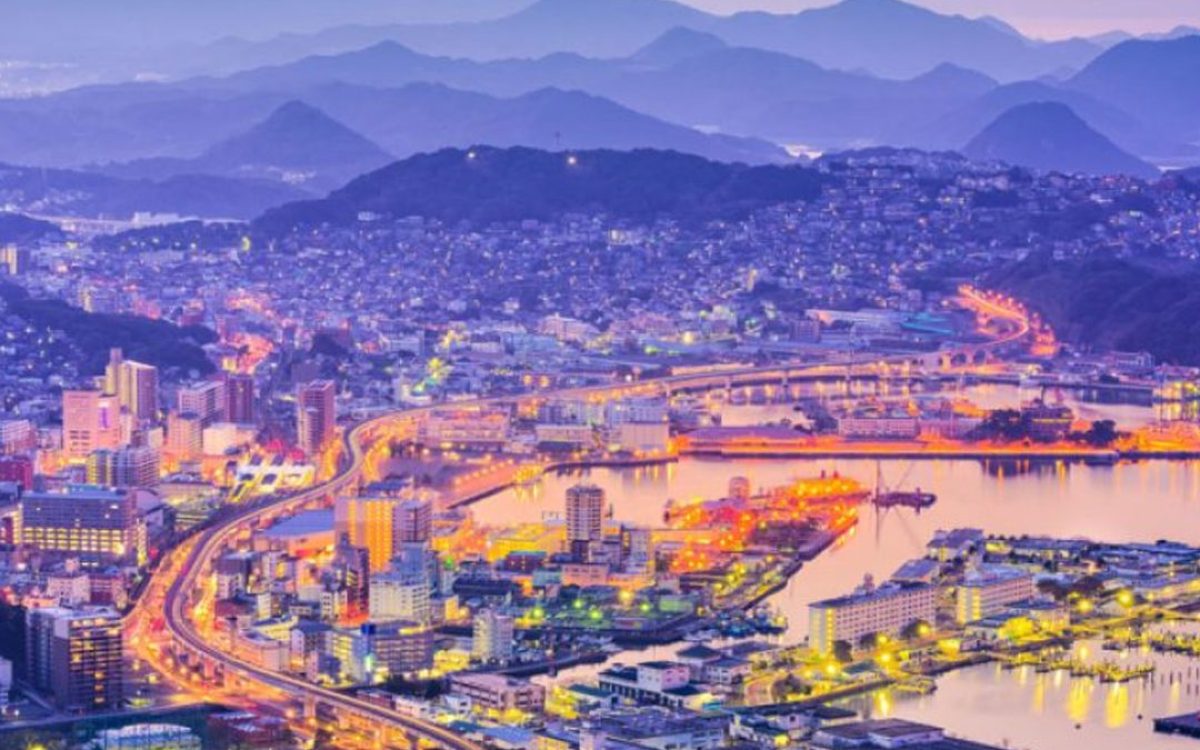
Nestled on the southwestern coast of Kyushu Island, Nagasaki is a city where history, culture, and resilience intertwine. Once Japan’s only gateway to the outside world during its long isolation, it later became a symbol of unimaginable loss — and, remarkably, of rebirth and peace.
Today, Nagasaki stands as a living testament to humanity’s ability to rebuild, forgive, and hope.
A City That Rose from the Ashes
Nagasaki’s name will forever be linked to one of history’s darkest days — August 9, 1945, when it became the second city after Hiroshima to suffer a nuclear attack. The atomic bomb devastated much of the city, claiming tens of thousands of lives and leaving deep scars on Japan’s spirit.
Yet, from the ruins, Nagasaki rebuilt itself with courage and compassion. Streets once reduced to ashes now bloom with cherry trees, and where destruction once reigned, peace monuments now rise. The city’s transformation from tragedy to tranquility makes it one of the most meaningful destinations in Japan.
Landmarks of Peace and Memory
At the heart of Nagasaki lies the Peace Park, a serene space dedicated to remembrance and reflection. The park features powerful monuments, sculptures from around the world, and the iconic Peace Statue, a towering blue figure that represents the city’s plea for a nuclear-free future.
Nearby, the Nagasaki Atomic Bomb Museum offers an emotional yet educational experience. Its exhibits — photographs, personal belongings, and survivor testimonies — remind visitors of the human cost of war while inspiring hope for lasting peace.
Just steps away, the Hypocenter Park marks the exact spot where the bomb detonated. Standing there is both humbling and transformative, a stark reminder of history’s lessons and the city’s enduring spirit.

From Gateway to the World to Center of Culture
Long before the events of 1945, Nagasaki had already played a vital role in Japan’s history. During the Edo Period (1603–1868), when Japan closed itself off from most foreign contact, Nagasaki remained the only port open to limited international trade.
Through the artificial island of Dejima, the Dutch and Chinese introduced Western science, medicine, and architecture to Japan. This cultural exchange shaped Nagasaki’s identity, making it a unique fusion of East and West.
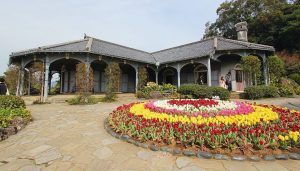
You can still see this blend in Glover Garden, a hillside park filled with 19th-century European-style mansions that overlook the harbor. Named after the Scottish merchant Thomas Glover, the site reflects Nagasaki’s cosmopolitan heritage and offers one of the city’s best panoramic views.
Hashima Island – The Ghost of Industry
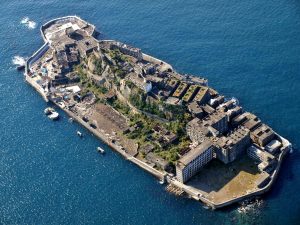
Just off Nagasaki’s coast lies Hashima Island, also known as Gunkanjima or “Battleship Island.” Once a thriving coal mining community, it housed thousands of workers in tightly packed concrete buildings — making it one of the most densely populated places on earth during the 1950s.
When the mine closed in 1974, residents left, turning the island into a haunting ghost town. Today, Hashima stands as a UNESCO World Heritage Site, symbolizing Japan’s rapid industrialization and the impermanence of human ambition.
Guided tours allow visitors to safely explore its eerie ruins, where nature slowly reclaims what industry once dominated.
Faith, Architecture, and World Heritage
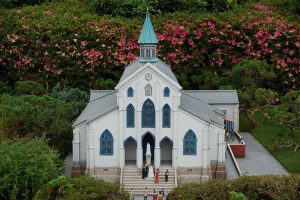
Nagasaki is also home to Japan’s oldest Christian churches, remnants of the country’s early contact with European missionaries. Among them, Ōura Church, built in 1864, stands as a symbol of religious perseverance and tolerance. Recognized by UNESCO, it represents a unique chapter in Japan’s spiritual and cultural history.
The city’s architecture — from its European-style buildings to its traditional wooden homes — tells a story of coexistence between diverse traditions, something rarely seen elsewhere in Japan.
A Culinary Crossroads: East Meets West
Just like its culture, Nagasaki’s food reflects a blend of influences. Its signature dish, Champon, is a hearty noodle soup born from Chinese immigrants, made with seafood, vegetables, and a rich, milky broth.
You’ll also find Sara Udon, crispy noodles topped with a colorful stir-fry, and Castella cake, a soft sponge dessert introduced by Portuguese traders in the 16th century. Each bite in Nagasaki is a delicious echo of its multicultural past.
Don’t miss the Shinchi Chinatown, one of Japan’s oldest, where you can wander through lantern-lined streets filled with aromas of steamed buns and sizzling woks.

Festivals of Light and Joy
Nagasaki’s festivals are among the most colorful in Japan. The Nagasaki Kunchi Festival, held every October, celebrates the city’s international heritage with parades, dragon dances, and vibrant performances that fill the streets with joy and pride.
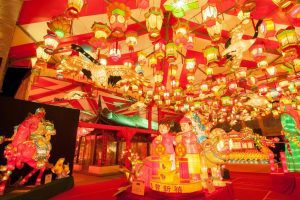
In winter, the Nagasaki Lantern Festival transforms the city into a glowing wonderland. Over 15,000 Chinese lanterns light up the night sky to celebrate the Lunar New Year — a breathtaking symbol of hope and renewal.
Both festivals reflect Nagasaki’s spirit: diverse, welcoming, and full of life.
Modern Attractions and Leisure
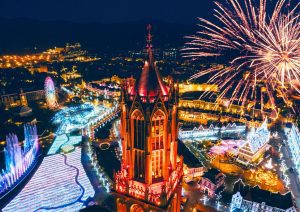
For a touch of European nostalgia, visit Huis Ten Bosch, a Dutch-themed amusement park near Nagasaki. Complete with canals, windmills, and tulip gardens, it offers family-friendly fun and dazzling seasonal illuminations that attract visitors year-round.
For nature lovers, a ride up Mount Inasa reveals one of Japan’s most stunning night views. The glittering city below, framed by mountains and the sea, reminds every visitor of Nagasaki’s beauty and resilience.
How to Get There
Nagasaki is easily accessible from major Japanese cities. You can reach it via the Kyushu Shinkansen or a short domestic flight from Tokyo or Osaka. Within the city, trams, buses, and walking paths make sightseeing simple and pleasant.
Whether you arrive by rail, road, or sea, every journey to Nagasaki feels like a pilgrimage — not just across distance, but through history and the human heart.

Best Time to Visit
The best seasons to visit Nagasaki are spring (March–May) and autumn (September–November), when the weather is mild and the scenery at its finest. Spring brings cherry blossoms and festivals, while autumn paints the hillsides in fiery colors.
Summer is hot and humid but lively with fireworks and night festivals, while winter offers crisp air and peaceful sightseeing without the crowds. Just avoid June’s rainy season if you prefer clear skies.
Nagasaki Today – A City of Hope
More than 75 years after the atomic bombing, Nagasaki stands not as a victim of war but as a beacon of peace. Its message echoes through its parks, museums, and people — that even after unimaginable suffering, humanity can choose compassion over conflict.
From its tragic past to its vibrant present, Nagasaki continues to teach the world the value of understanding, remembrance, and unity.
Plan Your Journey with Nutrition Travels
Ready to explore Nagasaki — a city that embodies Japan’s soul through history, culture, and peace?
Let Nutrition Travels guide you through its inspiring landmarks, local flavors, and unforgettable experiences.
Start your journey today with Nutrition Travels, and discover how Nagasaki transforms memory into hope and pain into beauty.