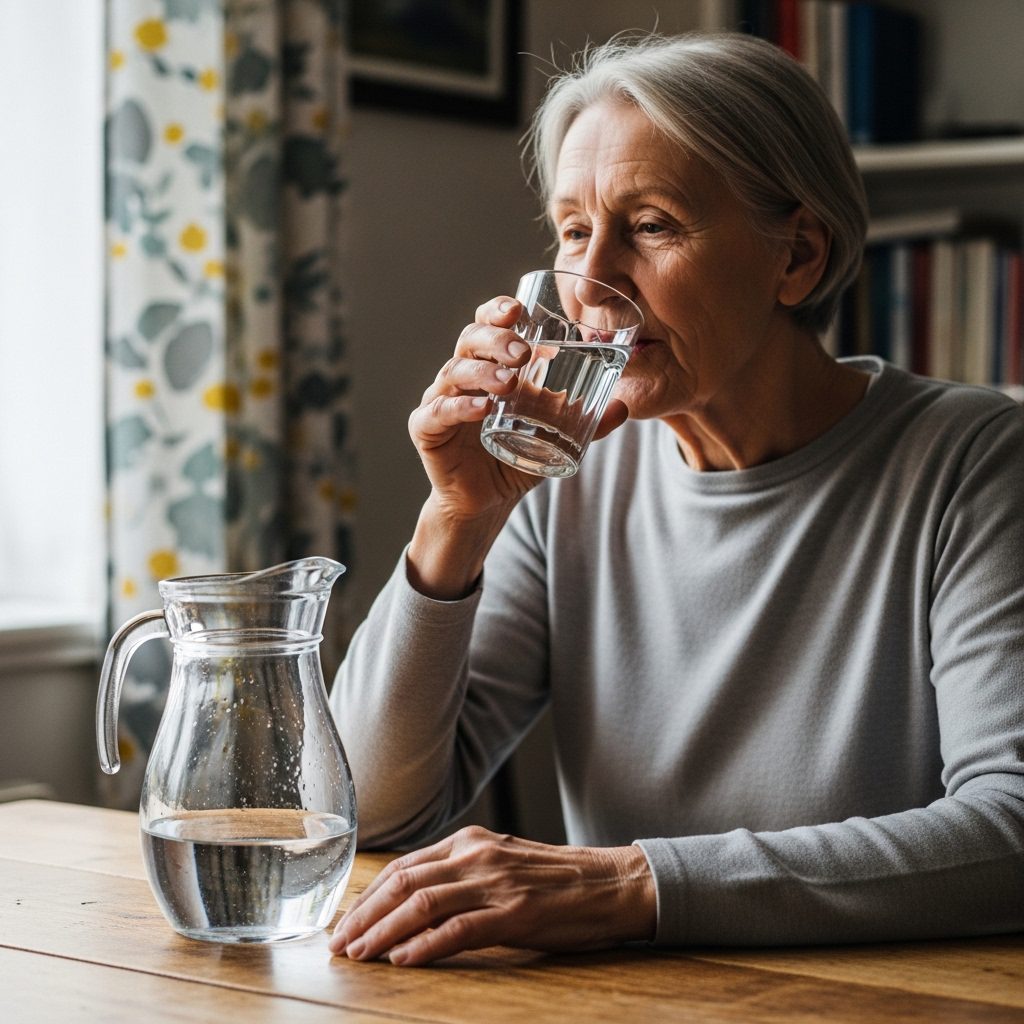
Adequate hydration is critical for maintaining overall health, yet older adults are particularly vulnerable to dehydration. Understanding hydration strategies for the elderly is essential because aging diminishes the natural thirst response, making it difficult to maintain proper fluid balance.
Dehydration in seniors can contribute to a range of complications, including kidney dysfunction, urinary tract infections, constipation, cognitive decline, and falls. Even mild fluid deficits can affect physical performance and mental clarity, emphasizing the need for proactive hydration planning.
Why Seniors Are at Risk:
Several age-related factors increase the risk of dehydration in older adults:
- Diminished Thirst Sensation: Aging reduces the sensitivity of thirst receptors, so seniors often do not feel thirsty even when fluid balance is low.
- Reduced Kidney Function: Older kidneys are less efficient at conserving water, increasing fluid losses.
- Medication Effects: Diuretics, laxatives, and some cardiovascular medications can increase fluid loss.
- Mobility and Access Issues: Difficulty reaching fluids or impaired hand function may prevent adequate intake.
Consequently, older adults may become dehydrated before realizing it, highlighting the importance of structured hydration strategies.
Signs and Symptoms of Dehydration in Seniors:
Recognizing early signs is crucial:
- Dark yellow or concentrated urine
- Dry mouth, lips, and skin
- Fatigue or dizziness
- Confusion or cognitive changes
- Low blood pressure or rapid heartbeat
- Muscle cramps
Actionable tip: Regularly monitor urine color and ensure at least 6–8 small servings of fluids per day, even if thirst is absent.

Recommended Daily Fluid Intake:
The general guideline for healthy older adults is approximately 1.5–2 liters of fluids per day. However, requirements vary depending on:
- Climate and ambient temperature
- Level of physical activity
- Medical conditions and medications
Practical approach: Spread intake throughout the day with small, frequent sips to improve absorption and reduce the risk of overloading the bladder.
Hydration Strategies Using Water-Rich Foods and Beverages:
Relying solely on plain water may not always meet hydration needs. Incorporate diverse sources:
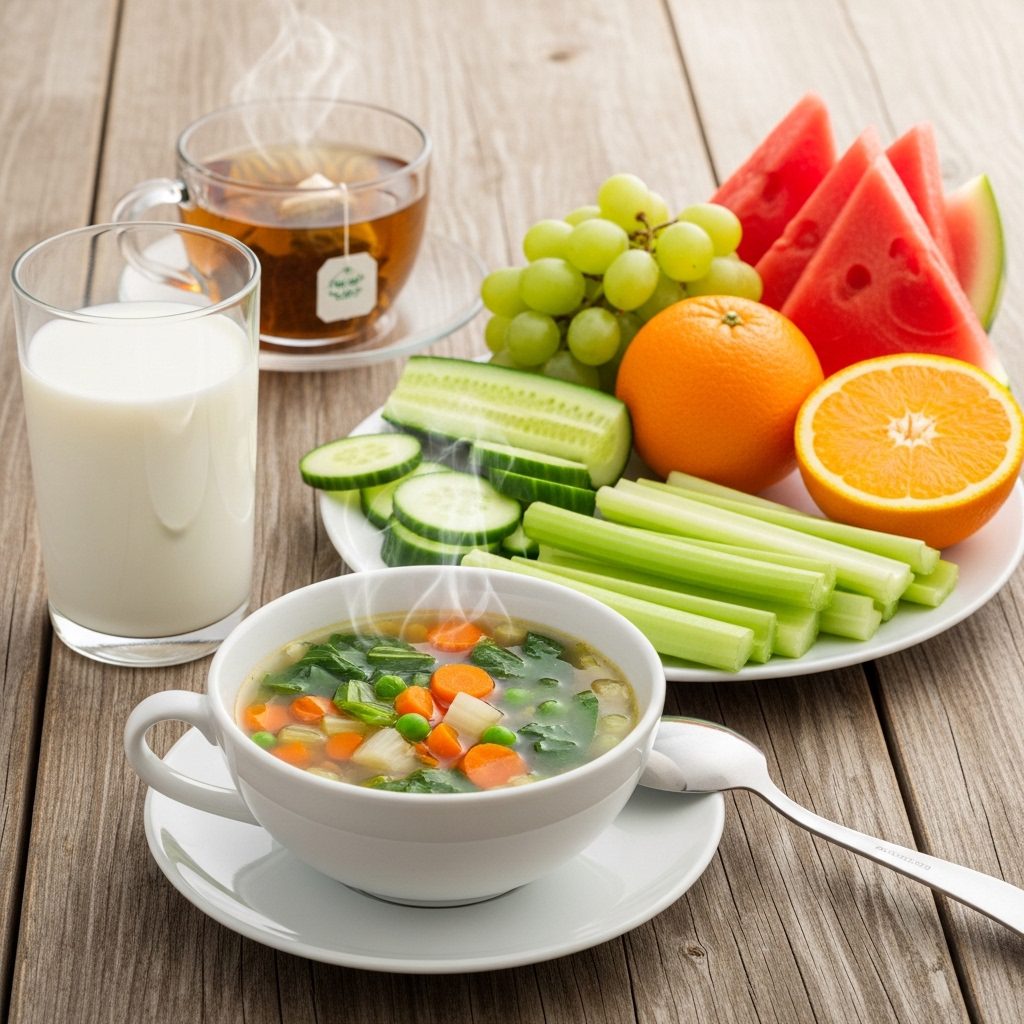
- Soups and broths: Provide fluids along with electrolytes and nutrients
- Fruits: Watermelon, oranges, grapes, and berries
- Vegetables: Cucumber, celery, zucchini
- Milk and fortified plant-based drinks: Offer hydration plus protein and calcium
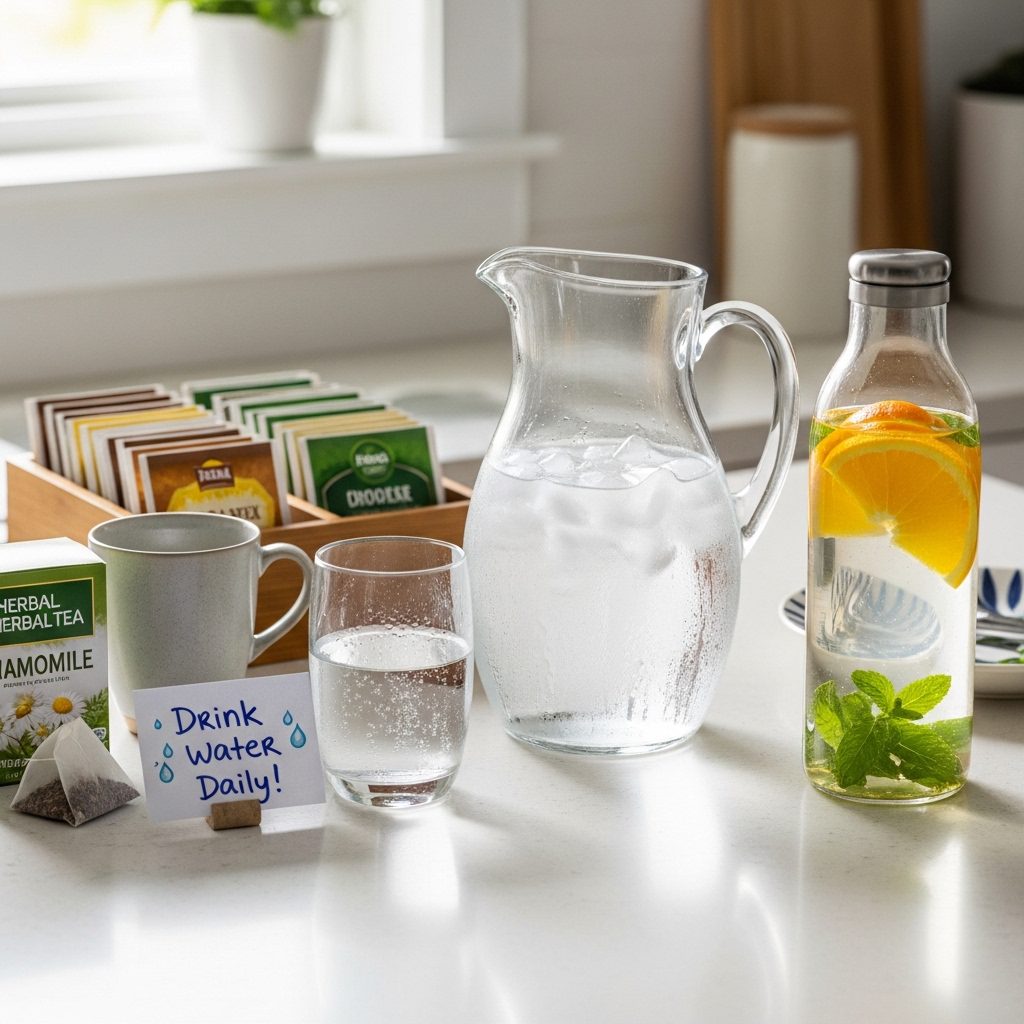
- Herbal teas: Caffeine-free options add variety and fluids
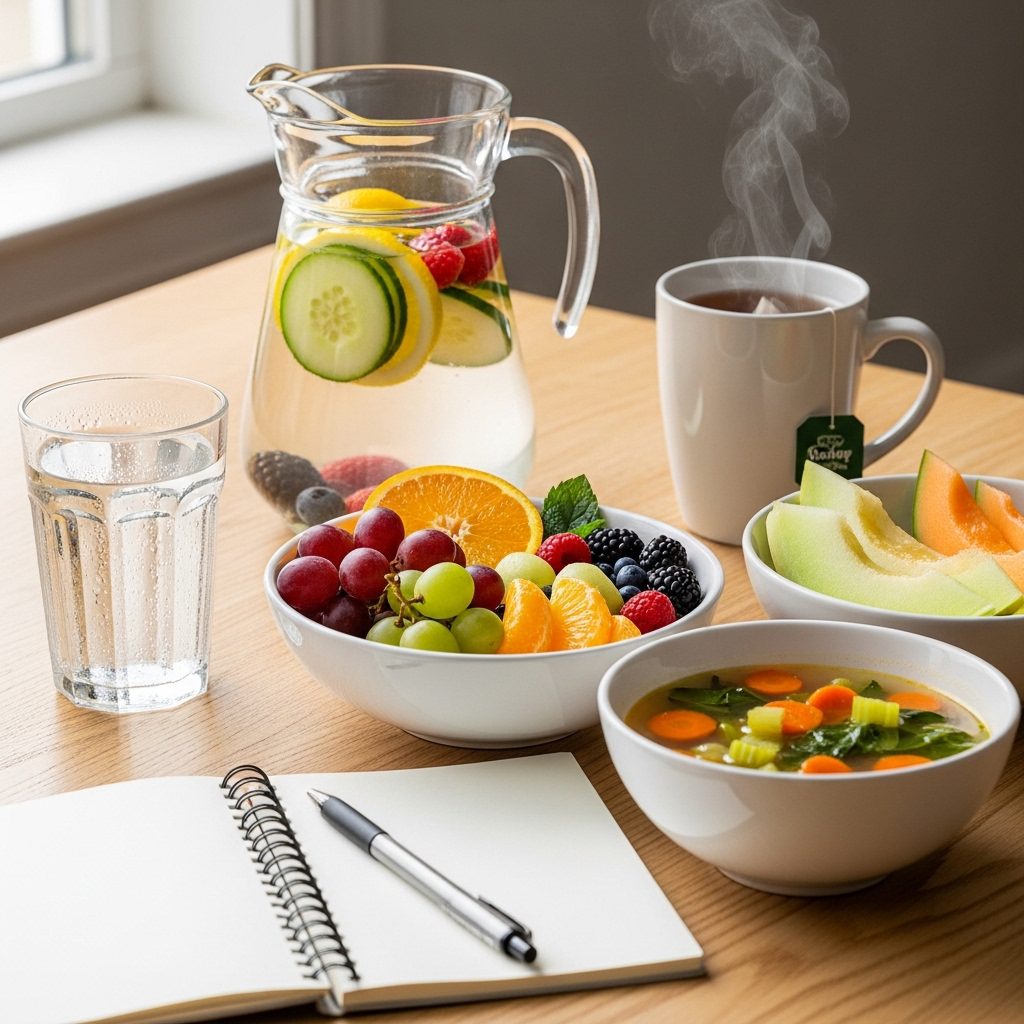
Moreover, flavoring water with lemon or cucumber can encourage intake in those less inclined to drink plain water.
Electrolyte-Based Hydration Strategies for Seniors:
Seniors who sweat heavily, experience diarrhea, or take certain medications may lose essential electrolytes. Replacing electrolytes helps maintain:
- Heart function
- Muscle contraction
- Nervous system signaling
Sources of electrolytes:
- Oral rehydration solutions or powders
- Coconut water
- Lightly salted snacks (for sodium)
Tip: Avoid high-sugar sports drinks unless medically indicated, as they can contribute unnecessary calories and affect blood sugar.
Timing and Habits for Optimal Hydration:
Structuring fluid intake can help overcome reduced thirst:
- Drink a small glass of water with each meal and snack
- Set reminders or use apps to track hydration
- Keep fluids within reach in frequently used areas
- Encourage social drinking during group meals or activities
For example, seniors in assisted living benefit from routine hydration schedules that include flavored water, soups, and fruit juices.

Lifestyle Practices to Support Hydration:
Other strategies include:
- Exercise with caution: Encourage light activity but monitor fluid losses
- Climate awareness: Increase fluid intake in hot or humid environments
- Monitor weight changes: Sudden loss may indicate dehydration
- Education: Teach caregivers and seniors the importance of proactive hydration
Additionally, combining fluid intake with nutrient-rich foods improves both hydration and overall health.
Hydration Challenges in Seniors with Cognitive Impairment:
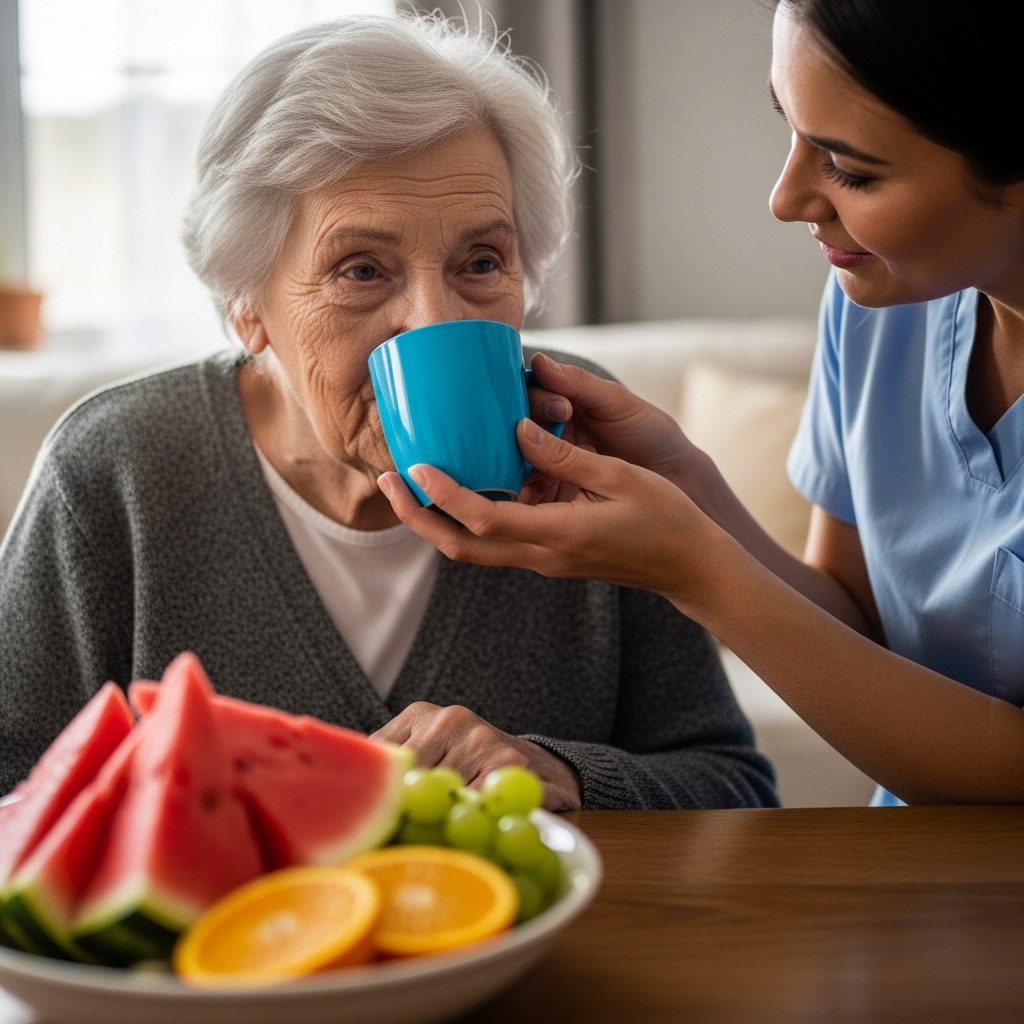
Older adults with dementia or Alzheimer’s disease may forget to drink or refuse fluids. Strategies to help include:
- Offering small amounts frequently
- Using cups with bright colors or markers for visual cues
- Incorporating high-water-content foods into meals
- Encouraging participation in social hydration routines
Outcome: Regular and creative approaches can significantly reduce dehydration risk in cognitively impaired seniors.
Hydration During Illness or Hospitalization:
Acute illness, fever, or surgery increases fluid requirements. During these times:
- Prioritize oral rehydration solutions or broths
- Monitor urine output and body weight
- Adjust fluid goals based on medical advice
- Consider intravenous fluids if oral intake is insufficient
Actionable tip: Early intervention prevents complications such as electrolyte imbalance, kidney injury, and prolonged recovery.
Long-Term Benefits of Consistent Hydration Strategies:
Maintaining hydration in older adults supports:
- Cognitive function and mental clarity
- Cardiovascular health
- Digestive health and regular bowel movements
- Physical endurance and reduced fall risk
- Medication efficacy
Consistent hydration habits help seniors preserve independence and quality of life.
Understanding hydration strategies for the elderly is critical to overcoming a diminished thirst response. By combining structured fluid schedules, diverse beverage and food sources, electrolyte management, and supportive lifestyle practices, seniors can maintain optimal hydration, physical performance, and cognitive function.
Take proactive steps today to protect your health and well-being. For more practical, evidence-based nutrition and hydration guidance, explore Nutrition Travels and ensure healthy aging through proper fluid management.