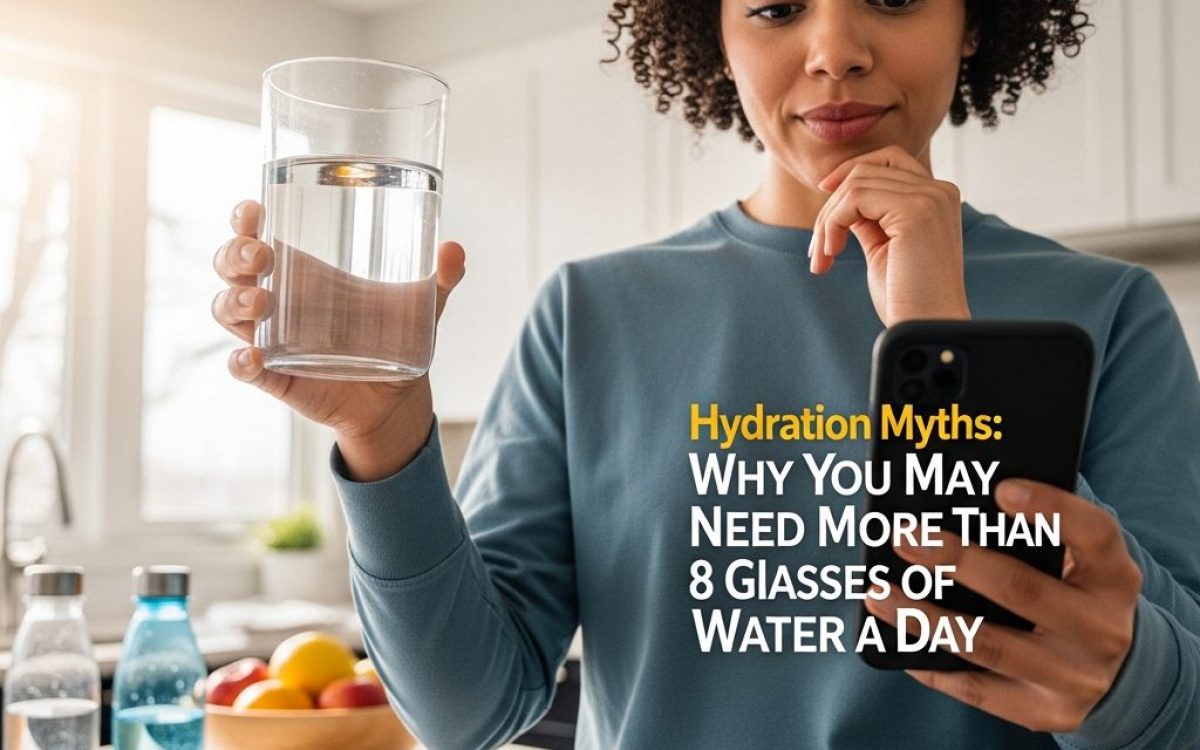
One of the most common health tips is drinking eight glasses of water daily. While this rule sounds simple and easy to remember, it’s actually one of the most widespread hydration myths that doesn’t apply to everyone in the same way.
Your body’s water needs aren’t a fixed number — they change depending on physical activity, weather, diet, and even overall health. Hydration isn’t just about how much water you drink, but about how well your body maintains fluid balance. That’s why understanding hydration myths helps you listen to your body instead of relying on general numbers.
Hydration Myths: Is the 8-Glasses Rule Scientific?
The truth is that the “8 glasses a day” rule isn’t an official medical recommendation as much as it is a general guideline.
The body needs water, but the amount varies from person to person.
Factors that affect daily water needs include:
-
- Physical activity level
- Temperature and humidity
- Types of food consumed
- Age and body weight
- Overall health condition
This is why relying on a fixed number can sometimes be misleading — one of the most common hydration myths.

How the Body Determines Its Water Needs
The body has a precise system for regulating fluids, and thirst is the main signal. When fluid levels drop, the brain tells you to drink.
Common signs you need water include:
-
- Feeling thirsty
- Dry mouth
- Dark-colored urine
- Low energy
- Mild headache
These signals are often more accurate than counting glasses of water, which explains why strict rules can fall under hydration myths.
Hydration Doesn’t Come From Water Alone
Another overlooked fact when discussing hydration myths is that water isn’t the only source of fluids.
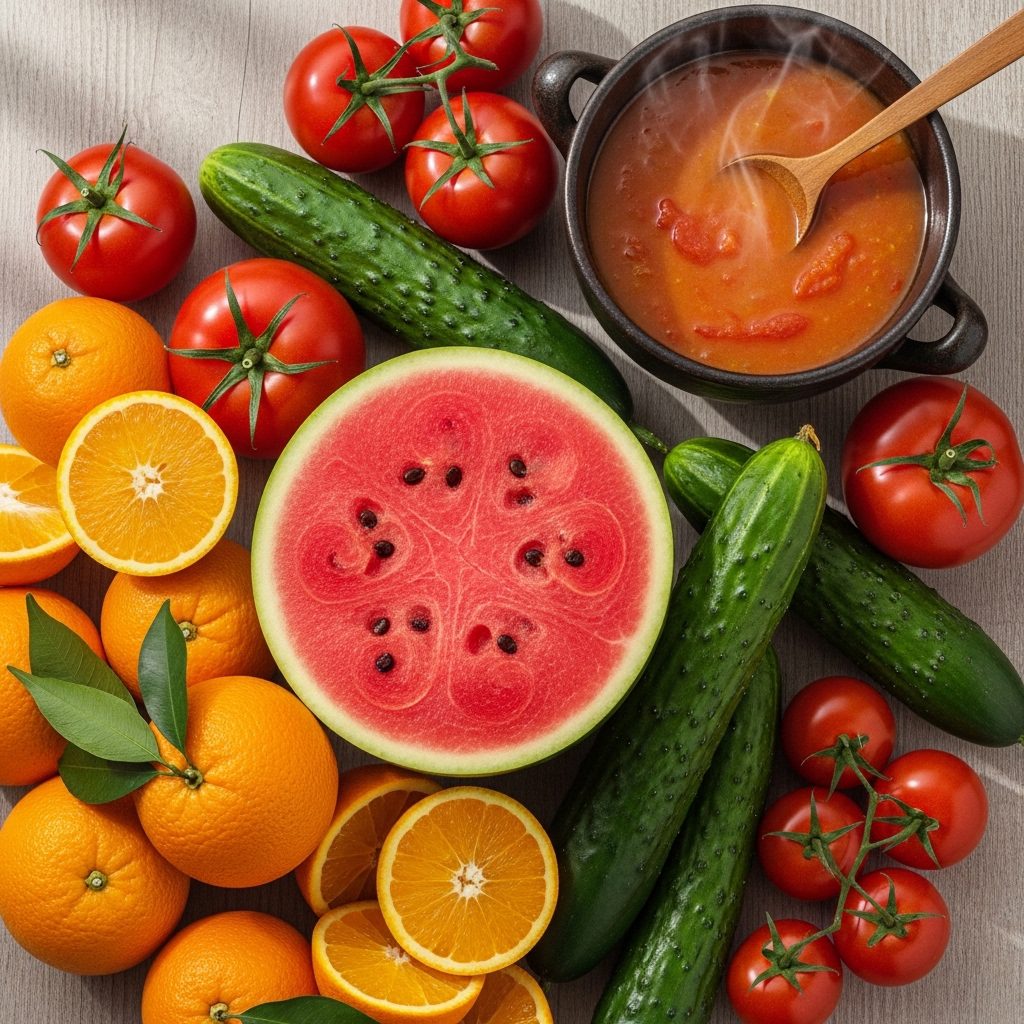
About 20–30% of daily fluid intake can come from food, including:
-
- Cucumbers
- Watermelon
- Oranges
- Tomatoes
- Soups
Eating these foods helps maintain fluid balance and reduces the need to drink large amounts of water.
When the Body Needs More Than 8 Glasses
Some situations increase fluid needs, such as:
-
- Exercise
- Hot weather
- Pregnancy and breastfeeding
- Fever or illness
- Eating salty foods
In these cases, sticking to a fixed rule becomes another example of hydration myths, because the body loses more fluids than usual.
Is Drinking Too Much Water Always Good?
Interestingly, drinking excessive amounts of water isn’t always beneficial.
Consuming too much water in a short time can dilute sodium levels in the blood — a condition known as water intoxication.
This shows why balance is essential when understanding hydration myths — neither too little nor too much is ideal.
What Do Health Recommendations Say?
Instead of recommending a fixed number of glasses, health organizations emphasize that fluid needs vary from person to person. Total fluid intake includes water, beverages, and food.
These recommendations reinforce that hydration should focus on consistency and body awareness rather than strict rules — helping correct many hydration myths.
Signs of Dehydration You Might Miss
Dehydration doesn’t always mean extreme thirst. Sometimes the signs are subtle, such as:
-
- Unexplained fatigue
- Difficulty concentrating
- Dry skin
- Mild dizziness
- Headaches
- Low daily energy
These symptoms highlight why understanding hydration myths is important.

Hydration Myths During Exercise
Some people believe drinking large amounts of water before exercise is best, but that’s not always accurate.
A better approach:
-
- Drink water before exercise
- Take small sips during activity
- Rehydrate afterward
This helps maintain fluid balance without discomfort and avoids exercise-related hydration myths.
Making Water a Simple Daily Habit
One reason hydration myths spread is that people treat drinking water like a difficult task. In reality, it can be simple.
Try:
-
- Keeping a water bottle nearby
- Drinking water after waking up
- Drinking water with meals
- Adding lemon or mint to water
- Eating water-rich foods
Small, consistent habits work better than drinking large amounts at once.
Hydration and Nutrition: A Strong Connection
Food plays an important role in hydration, a point often overlooked in hydration myths.
Hydrating foods include:
- Fresh fruits
- Leafy vegetables
- Yogurt
- Soup
- Natural juices
A balanced diet makes hydration easier than relying on water alone.

Hydration Myths : When to Pay Extra Attention to Hydration
The body needs more attention to fluids during:
-
- Travel
- Hot weather
- Illness
- Aging
- Long physical activity
In these situations, ignoring hydration myths and listening to your body becomes even more important.
Hydration Myths: Balance Is the Key
Hydration isn’t a fixed number — it’s a daily balance that changes with your life and environment.
The body regulates fluids well when it receives enough water and nourishing foods.
Instead of asking, “How many glasses did I drink today?” ask:
-
- Do I feel energized?
- Is my urine color normal?
- Am I drinking regularly?
These questions are more helpful than following rules shaped by hydration myths.
Good hydration isn’t about one rule for everyone — it’s about understanding your body’s needs. Drinking water regularly, eating fluid-rich foods, and paying attention to your body’s signals are the best ways to stay balanced.

If you’d like to learn more about healthy nutrition and simple daily habits that support your energy and well-being, visit nutritiontravels and explore practical health articles designed for real life.