Fermented foods have recently taken the spotlight — and for good reason. With rising awareness about gut health, immunity, and even mental wellbeing, these foods are no longer just ancient traditions; they’re a modern-day wellness trend backed by science. From yogurt and kimchi to kombucha and sourdough, fermentation has become one of the simplest (and tastiest!) ways to nourish your body from the inside out.

Why Fermented Foods Are Gaining Popularity
1- Gut Health Superstars
Fermented foods are rich in probiotics — beneficial bacteria that help maintain a healthy balance in your gut microbiome. This balance is essential for smooth digestion, reducing bloating, and preventing constipation. Think of probiotics as your digestive allies that keep things running harmoniously.
2- Immune System Boost
Around 70% of your immune system lives in your gut. When your gut bacteria are thriving, your body is better equipped to fight off infections. The lactic acid bacteria in fermented foods like yogurt, sauerkraut, and kefir can help strengthen your immune defenses and reduce inflammation.
3- Better Mood and Mental Health
Science is uncovering the fascinating “gut-brain connection.” A healthy gut can produce neurotransmitters like serotonin, which influence your mood, sleep, and stress levels. Regularly consuming fermented foods may help reduce symptoms of anxiety and depression while boosting overall emotional wellbeing.
4- Unique Flavor and Nutrition
Fermentation doesn’t just preserve food — it transforms it. During fermentation, natural sugars break down into beneficial compounds like lactic acid and organic acids, enhancing flavor and nutritional value. That’s why fermented foods often taste tangy, rich, and satisfying.
5- Sustainability and Tradition
Fermentation is one of the oldest natural preservation techniques. It allows food to last longer without refrigeration, making it an eco-friendly way to minimize food waste. It’s a beautiful blend of tradition and sustainability, helping us reconnect with natural, mindful eating.

What Are Fermented Foods?
Fermentation is the process where microorganisms like bacteria and yeast break down sugars in food, producing acids or gases. This not only preserves the food but also creates beneficial probiotics that support gut health.
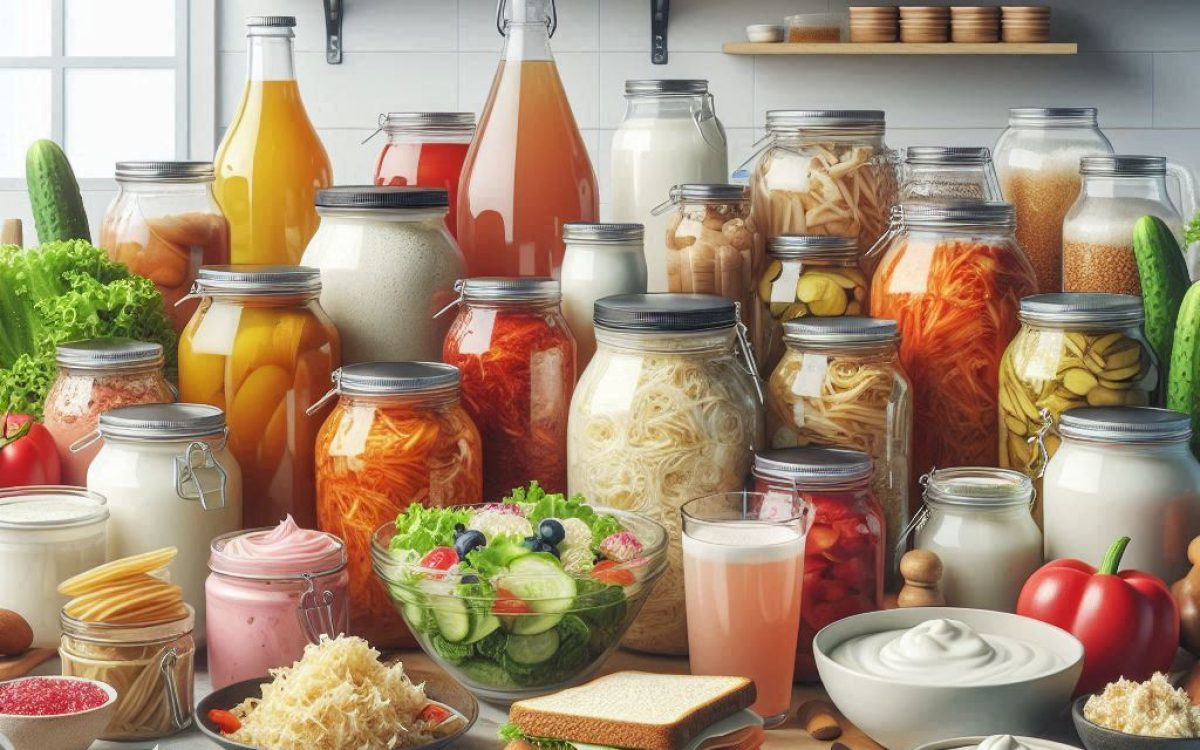
Some popular fermented foods include:
- Yogurt: A probiotic-rich dairy staple made with live lactic acid bacteria.
- Kefir: A fermented milk drink with even more probiotic diversity than yogurt.
- Sauerkraut: Fermented cabbage packed with fiber, vitamins, and beneficial microbes.
- Kimchi: A spicy Korean classic made with fermented vegetables like cabbage and radish.
- Miso: A Japanese seasoning made from fermented soybeans, full of amino acids and umami flavor.
- Kombucha: A fizzy, fermented tea loaded with probiotics and antioxidants.
- Tempeh: A protein-packed fermented soybean product that’s a great meat alternative.

How Fermented Foods Benefit Your Gut
1- Restore Balance to Your Microbiome
Your gut is home to trillions of bacteria — some good, some bad. Fermented foods help feed and multiply the good ones, creating a balanced ecosystem. A healthy microbiome supports better digestion, nutrient absorption, and immunity.
2- Support Easier Digestion
If you’ve ever felt bloated after eating dairy, you might love fermented versions. Yogurt and kefir are easier to digest because fermentation breaks down lactose, the sugar in milk. These foods also promote enzyme production, which helps your digestive system work more efficiently.
3- Strengthen Immunity
Fermented foods don’t just help your gut; they help your whole body. Probiotics can reinforce the gut barrier, preventing harmful bacteria from entering the bloodstream. They also boost antibody production and support immune cell activity.
4- Reduce Inflammation
Chronic inflammation can lead to everything from digestive issues to heart disease. Fermented foods contain bioactive compounds and anti-inflammatory probiotics that can calm inflammation, especially in the gut lining.
5- Improve Mental Wellbeing
Your gut and brain are in constant communication. A healthy gut microbiome produces neurotransmitters that regulate your mood, focus, and energy levels. Adding fermented foods to your diet may reduce stress, improve mood stability, and even enhance cognitive performance.
6- Help Manage Weight
A balanced gut microbiome supports metabolism and fat regulation. Studies suggest that certain probiotics can help reduce fat accumulation and improve appetite control. This makes fermented foods a natural ally for maintaining a healthy weight.
How to Add Fermented Foods to Your Daily Diet
Adding fermented foods to your routine doesn’t have to be complicated. Here are some easy and delicious ways to start:
- Start with Yogurt: Replace your usual snack with a bowl of plain yogurt topped with fruits and nuts. Choose varieties labeled “live and active cultures” for maximum probiotic benefits.
- Sip on Kefir: Drink it as a refreshing breakfast or blend it into your smoothies.
- Add Sauerkraut or Kimchi: Use them as sides, sandwich fillings, or salad toppers for a zesty kick.
- Cook with Miso: Stir a spoonful into soups, sauces, or dressings to add flavor and gut-friendly goodness.
- Drink Kombucha: Swap your soda for this fizzy fermented tea — it’s tangy, refreshing, and probiotic-rich.
Pro Tip: Start small! Your gut needs time to adjust to new bacteria. Begin with a few spoonfuls daily and increase gradually.

Tips for Choosing the Right Fermented Foods
Not all fermented products are created equal. Here’s how to pick the best ones:
- Look for labels that say “contains live or active cultures.”
- Avoid products that have been pasteurized or cooked at high heat, as this kills beneficial bacteria.
- Choose options with natural ingredients — minimal sugar, no artificial preservatives.
- Store your fermented foods in the fridge to keep the probiotics alive.
If you’re new to fermentation, experiment with different varieties to see what works best for your taste and digestion.
A Word of Caution
If you have digestive or immune-related conditions, start slowly and talk to your doctor or a nutritionist before adding large amounts of fermented foods to your diet. People with lactose intolerance, IBS, or certain autoimmune disorders should be cautious and introduce these foods gradually.
Simple Recipes to Try
- Kombucha & Yogurt Smoothie: Blend kombucha, yogurt, banana, and a dash of honey for a probiotic-packed drink.
- Kimchi Salad: Mix fresh greens with a spoonful of kimchi and a sesame dressing for a tangy crunch.
- Sourdough Sandwich: Use whole-grain sourdough bread with avocado and fermented pickles for a gut-loving lunch.
Incorporating fermented foods into your daily diet is one of the most delicious and natural ways to support your gut, boost immunity, and elevate your overall health. Start small, experiment with flavors from around the world, and listen to your body — your gut will thank you!
Ready to start your gut health journey?
Explore more science-backed nutrition tips and wellness inspiration at NutritionTravels — where every meal brings you closer to better health.