

Long workouts, such as long-distance running, extended cycling, or hours of swimming, are a significant challenge for the body. After completing these exercises, it is essential to replenish energy and restore essential nutrients to support recovery and improve performance in future workouts.
In this article, we will explore in detail how the body can restore energy after a long workout session, focusing on nutrition, hydration, and healthy habits that help effective recovery.

Understanding the Body’s Needs After a Long Workout:
When the body undergoes a long workout:
1. Depletion of glycogen stores: Glycogen is the main source of energy during exercise. After finishing, its levels drop significantly, leading to fatigue.
2. Loss of fluids and minerals: Through sweating, the body loses water and minerals such as sodium and potassium, which may cause dehydration and muscle cramps.
3. Muscle fatigue: Continuous movement causes minor damage to muscle fibers, which naturally requires protein for repair.
4. Temporary impact on the immune system: Long workouts can temporarily reduce immune function, making proper nutrition important for supporting the body against infections.
The main goal after a long workout is to replenish energy stores, replace lost fluids and minerals, and provide the nutrients needed for muscle repair.

Timing Your Meals to Replenish Energy:
One of the most important factors is the “golden window” after exercise, which is the first 30 to 60 minutes:
- Muscles are more capable of absorbing glucose and converting it to glycogen.
- The body is more efficient at using protein to repair muscles.
- Consuming fluids and minerals helps quickly compensate for losses and prevent dehydration.
Missing this window may result in slower recovery and potentially weaker performance in future workouts.
Key Nutrients to Replenish Energy and Support Recovery:
1. Carbohydrates: Replenish Energy Stores:
Carbohydrates are the primary energy source. After a long workout. Consume a meal with complex and easily digestible carbohydrates, such as:
- Oats
- Brown rice
- Potatoes
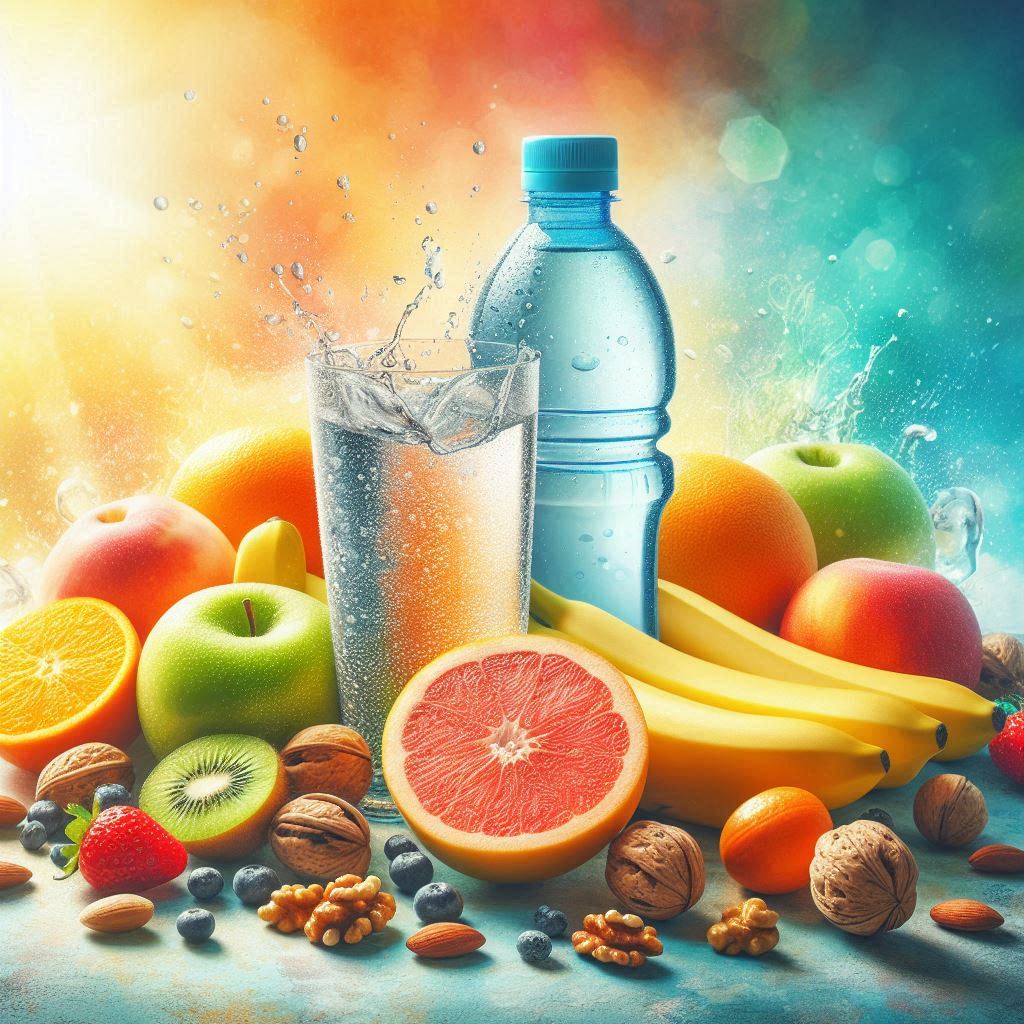
- Fruits like bananas and oranges
Recommended amount: 1 to 1.5 grams per kilogram of body weight during the first hour after exercise.

2. Protein: Support Muscle Repair and Replenish Energy:
Protein helps repair damaged muscle fibers:
- Protein sources: eggs, yogurt, chicken breast, tofu, or supplements such as whey or plant-based protein.
- Recommended amount: 20–30 grams after exercise.
3. Healthy Fats:
Fats support natural inflammation processes and provide fat-soluble vitamins (A, D, E, K):
Sources: avocado, nuts, olive oil, coconut oil.
4. Fluids and Minerals:
Rehydration after a long workout is essential:
Drink an amount of water equal to half to the full amount lost during exercise.
To replace sodium and potassium:
- Drink electrolyte beverages.
- Or consume bananas, nuts, or broth.
Other Habits to Enhance Recovery:
1. Getting Enough Sleep:
Getting enough sleep (around eight hours per night) is one of the most effective ways to recover from exercise. Sleep allows your body to repair muscle tissue. Hormone and testosterone levels rise during sleep, helping you perform better the next day.
2. Massage:
Massage is another effective recovery method. It relieves muscle soreness after exercise, improves blood circulation, and accelerates recovery. It can be applied to various types of workouts, whether you ran long distances or lifted weights for a few hours. Focus on the muscles and body areas that need it most to recover faster.
3. Monitoring Signs of Fatigue:
If you feel extreme fatigue or unusual pain, reduce exercise intensity or take an additional rest day.

Practical Tips to Replenish Energy Faster:
1. Prepare your recovery meal in advance to avoid skipping nutrition after exercise.
2. Eat small, frequent meals instead of a large single meal to avoid digestive strain.
3. Avoid caffeine and carbonated drinks immediately after exercise, as they may increase fluid loss.
4. Use supplements if needed, such as branched-chain amino acids (BCAAs) or electrolyte drinks to enhance recovery.

The recovery after a long workout session is not just about resting; it is a comprehensive process that includes proper nutrition, hydration, sleep, and light activity. By following these steps and focusing on strategies to replenish energy, the body can restore vitality quickly and improve performance in future workouts.
For more scientific information and tips on nutrition and recovery after long workouts, you can visit Nutrition Travels. Following these steps helps maintain muscle health, strengthen the immune system, and increase the ability to face future endurance challenges.