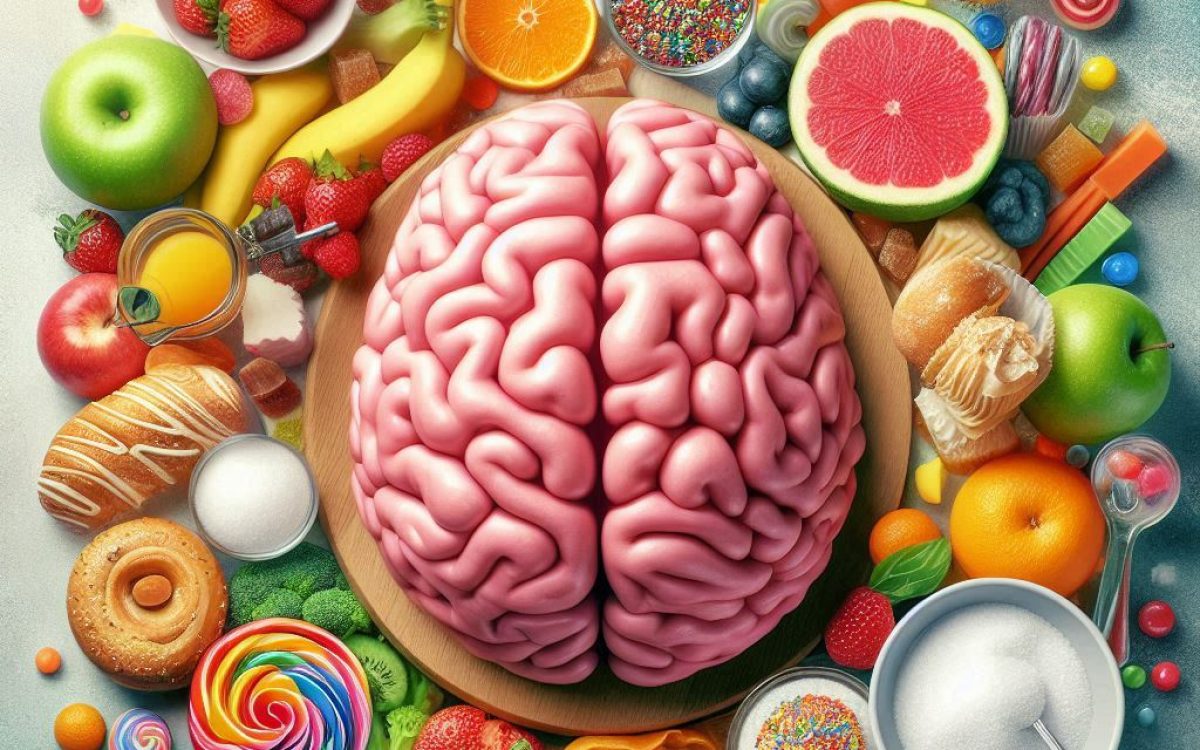
Nowadays, sugar is a major part of our daily lives, found in soft drinks, sweets, and even some processed foods that we may not realize contain high amounts of sugar. Understanding how sugar affects your brain has become increasingly important as awareness of healthy nutrition grows. The brain is not just an organ for thoughts and emotions; it is highly sensitive to the nutrients we consume, and sugar is one of the most influential elements.
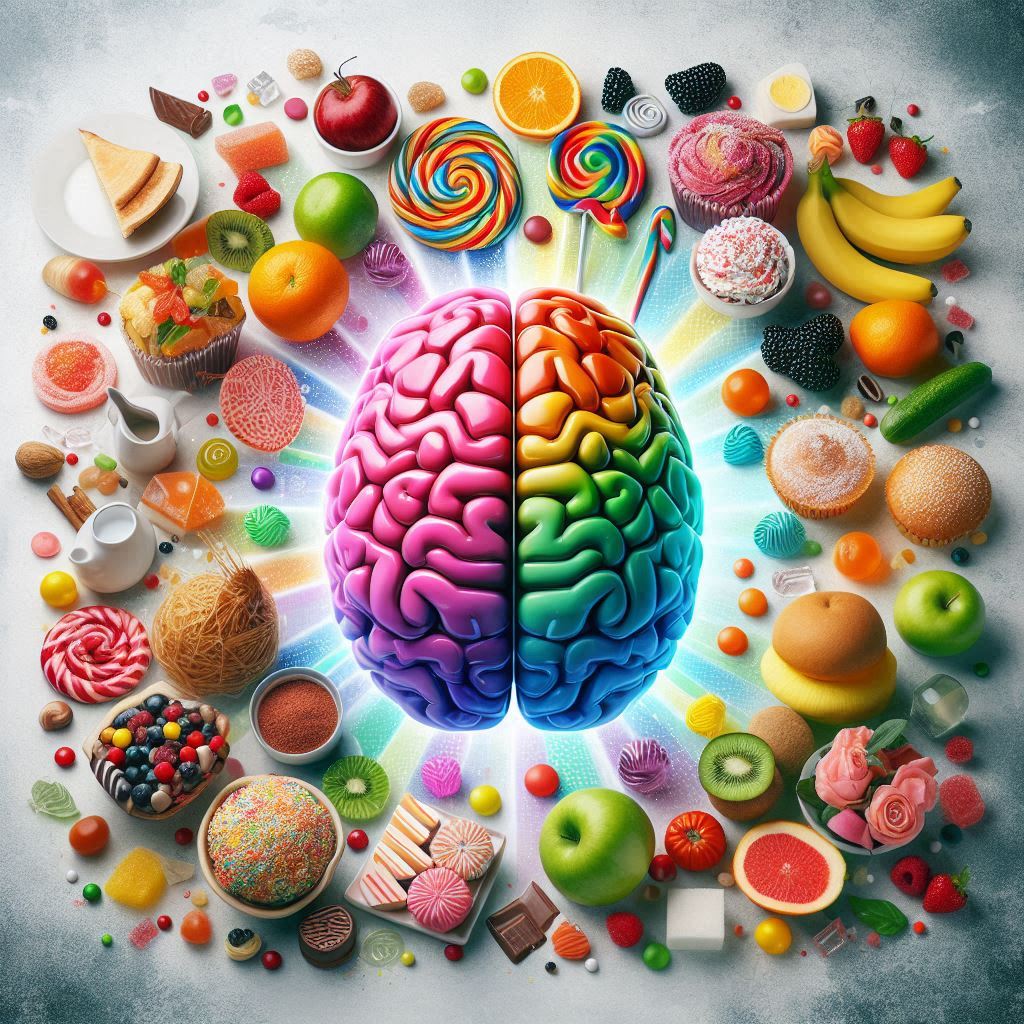
How Sugar Affects Your Brain: More Than Just Temporary Pleasure:
When a person consumes food rich in sugar, blood glucose levels rise rapidly. The brain, which relies on glucose as its main energy source, responds to this spike by releasing dopamine, a neurotransmitter associated with pleasure and reward. This feeling of enjoyment encourages the person to consume more sugar, creating a cycle of psychological and physical dependence on sugar.
However, the real problem is not just the momentary pleasure, but the long-term changes that occur. Recent studies have shown that continuous sugar consumption can lead to:
1. Impact on memory and focus: Excessive sugar may impair the brain’s ability to form new memories and reduce attention.
2. Increased anxiety and stress: Although sugar provides temporary comfort, a rapid drop in sugar levels shortly after consumption can lead to feelings of tension and restlessness.
3. Enhanced psychological dependence: The brain begins to favor sugary foods repeatedly, making it harder to control appetite and increasing the risk of overeating.
Sugar Affects Your Brain and Pleasure: Why Do We Crave It?
Craving sugar is not simply a matter of weak willpower; it is a natural response of the body and brain. Several factors contribute to this craving:
1. Chemical changes in the brain: As mentioned, sugar stimulates dopamine release, and with repetition, the brain “demands” more to achieve the same reward.
2. Stress and psychological pressure: In stressful situations, the brain tends to seek quick rewards, and sugar is an easy option for temporary relief.
3. Daily habits: Consuming sweetened drinks or desserts after meals becomes a habit that is hard to break, and the brain automatically associates with this pattern.

Strategies to Reduce Sugar Cravings:
Studies show that reducing sugar intake is not just a matter of willpower; it requires changes in lifestyle and dietary habits, allowing the brain and body to adapt in a healthy way. Some ways to help reduce sugar cravings include:
1. Eat fruit:
Replacing sweet foods with fruits is a healthier option. The natural sugars and nutrients in fruits satisfy the desire for sweets without harming the body or brain.
2. Consume foods rich in fiber and protein:
Choosing whole foods high in fiber and protein helps you feel full for longer, reducing strong cravings for sugar.
3. Avoid artificial sweeteners:
Minimizing the use of artificial sweeteners in food and drinks helps lower overall sugar consumption.
4. Drink plenty of water:
Adequate water intake also helps curb appetite, reducing the urge for sugary foods.
5. Get enough sleep:
Lack of sleep affects appetite hormones and makes the brain more likely to seek quick rewards, such as sugar.

Long-Term Effects of Reducing Sugar on the Brain:
People who reduce sugar intake notice positive effects over the long term, including:
1. Improved mood and focus: Lower sugar fluctuations lead to mood stability and better concentration.
2. Enhanced memory: Reducing sugar improves memory performance and reduces mental fatigue.
3. Lower risk of neurological diseases: Studies suggest that excessive sugar may be linked to an increased risk of Alzheimer’s disease, and reducing sugar may help lower this risk over time.

Sugar is not just a simple pleasure; it has a profound impact on the brain in terms of mood, focus, and appetite control. Understanding the relationship between sugar and the brain helps develop strategies to reduce cravings in a healthy way without feeling deprived. Small changes, such as increasing protein and fiber intake, choosing fruits instead of sweets, and reducing sugary drinks, can be a strong start to improving brain and body health.
Ultimately, controlling sugar cravings is not just a matter of willpower; it’s about understanding how the brain reacts to food and using this knowledge to adopt a balanced lifestyle that supports long-term physical and mental health. If you are interested in learning more about healthy nutrition and dietary strategies to improve your daily life, Nutrition Travels provides all the reliable and useful information to help you make healthy and informed choices.