
High blood pressure is considered one of the most widespread health problems in the world. It is no longer limited to a specific age group as previously believed; rather, it now affects both young people and older adults alike. This condition is often linked to the modern lifestyle, which is characterized by physical inactivity, increased stress, and reliance on processed foods and fast meals.
For those interested in nutrition and public health, the role of diet stands out as one of the most important factors that may help manage blood pressure naturally and support heart and cardiovascular health in the long term. Daily food choices are not merely a source of energy; they can also be an effective tool for maintaining the body’s balance and vital functions.
In this article, we take a comprehensive look at the best foods that may contribute to managing high blood pressure naturally, explaining their nutritional importance and how they can be part of a healthy and balanced lifestyle.

Understanding the Relationship Between Nutrition and High Blood Pressure:
High blood pressure occurs when the force of blood against the walls of the arteries remains higher than normal for a prolonged period. This excessive pressure may strain the heart and increase the risk of heart disease and strokes.
Nutrition plays a central role in this context, as certain nutrients such as sodium, potassium, magnesium, and fiber affect fluid balance in the body, blood vessel flexibility, and heart function either directly or indirectly.
Focusing on natural foods rich in beneficial nutrients may help the body restore this balance, especially when combined with an active lifestyle and effective stress management.
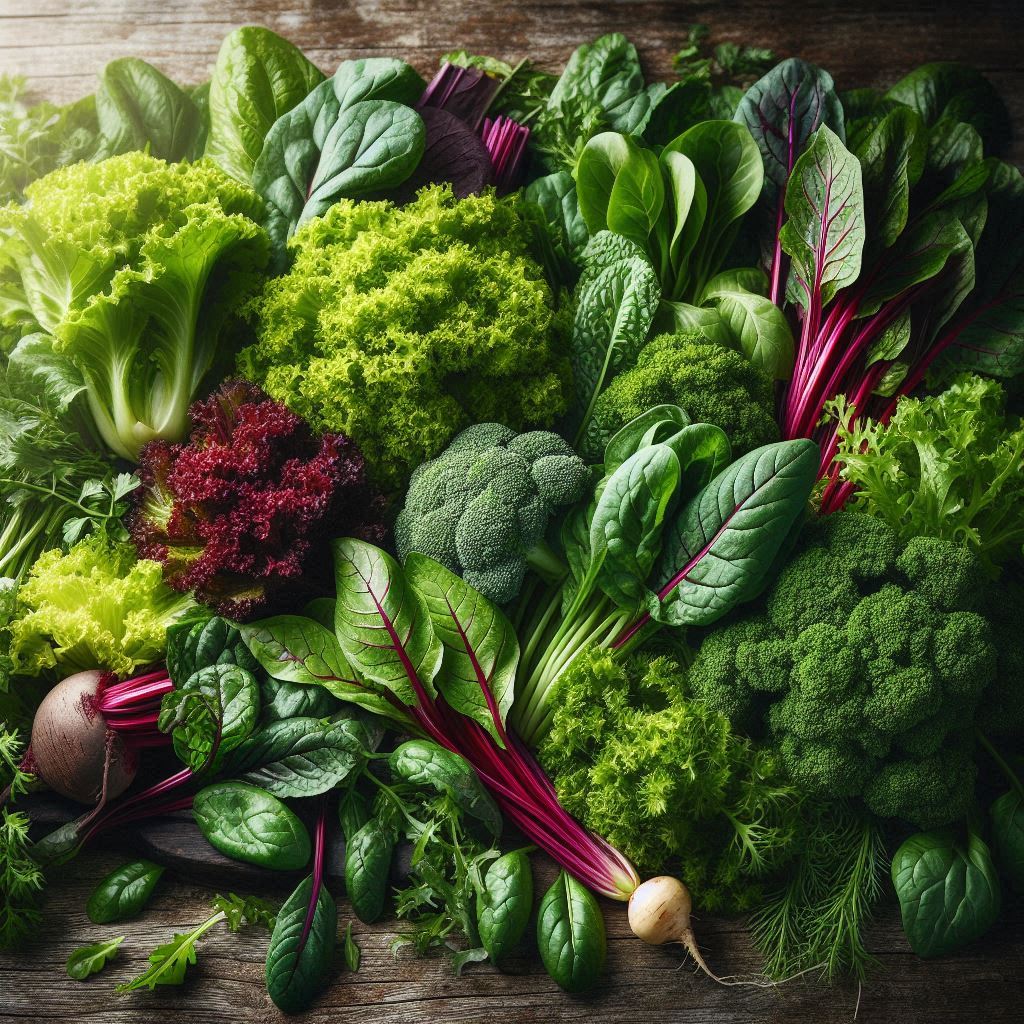
Leafy Greens for High Blood Pressure:
Potassium found in leafy greens helps the kidneys remove excess sodium through urine, which contributes to lowering high blood pressure. These vegetables include:
- Lettuce
- Arugula
- Spinach
- Beet greens
- Turnip greens
It is preferable to consume these vegetables fresh and avoid canned versions, as they contain large amounts of sodium. These greens can also be frozen to retain the same benefits they provide in their fresh form.
Seeds and Grains for Managing High Blood Pressure:
Unsalted seeds contain high levels of potassium, magnesium, and other minerals that help reduce high blood pressure.
Examples of beneficial seeds and grains include pumpkin seeds and squash seeds.
Legumes for Lowering High Blood Pressure:
Legumes such as lentils, beans, peas, and chickpeas are excellent sources of dietary fiber and plant-based protein. They also contain essential minerals like magnesium and potassium, which help regulate blood pressure.
Including legumes in the diet can be a healthy alternative to processed or high-fat meats.
Fresh Fruits: Natural Support for Heart Health:
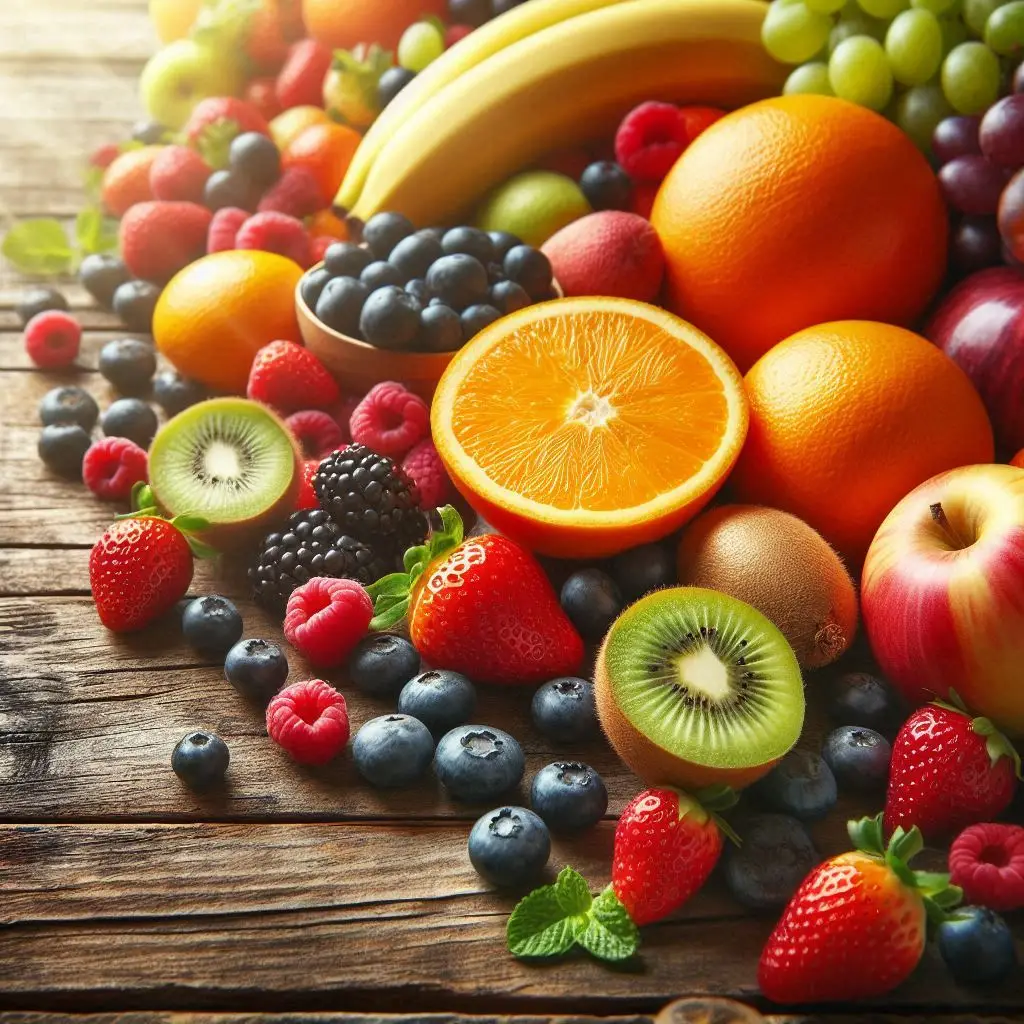
Fruits play an important role in any balanced diet, especially when it comes to blood pressure. Fruits such as bananas, berries, oranges, and kiwi are distinguished by their high potassium and fiber content.
Berries, in particular, contain plant compounds known as flavonoids, which have been linked in many studies to supporting blood vessel health. Citrus fruits like oranges are rich in vitamin C, which is known for its role in strengthening arterial health.
Eating whole fruits instead of processed juices is a better option, as it allows the body to retain fiber and nutrients in their natural form.
Fatty Fish: Healthy Fats for Vascular Health:
Fatty fish such as salmon, sardines, tuna, and mackerel are rich sources of omega-3 fatty acids. These healthy fats have been associated with reducing inflammation in the body, supporting heart health, and improving blood vessel flexibility.
For those interested in therapeutic nutrition, omega-3 is considered an important dietary component that may help reduce the risks associated with high blood pressure when consumed as part of a balanced diet.
Low-Fat Dairy Products: Calcium Balance Without Excess Fat:
Fat-free milk is an excellent source of calcium and is also low in fat, both of which significantly help reduce high blood pressure. Milk can be replaced with yogurt if preferred.
Choosing low-fat dairy products allows individuals to benefit from these nutrients without increasing saturated fat intake, making them suitable for those who prioritize heart health.

Reducing Sodium Without Sacrificing Flavor:
Most people consume more salt and sodium than they need. However, some individuals—especially older adults—are particularly sensitive to salt and sodium, so they should be especially cautious about their intake.
Choosing low-salt foods is an important part of a healthy dietary pattern.
Daily sodium intake should not exceed 2.3 grams (2300 milligrams), which is equivalent to 6 grams (about one teaspoon) of table salt per day. If a person has high blood pressure, a doctor may recommend less than 6 grams per day, including all salt and sodium consumed, whether used in cooking or added at the table.
A Comprehensive Dietary Pattern for Sustainable Health:
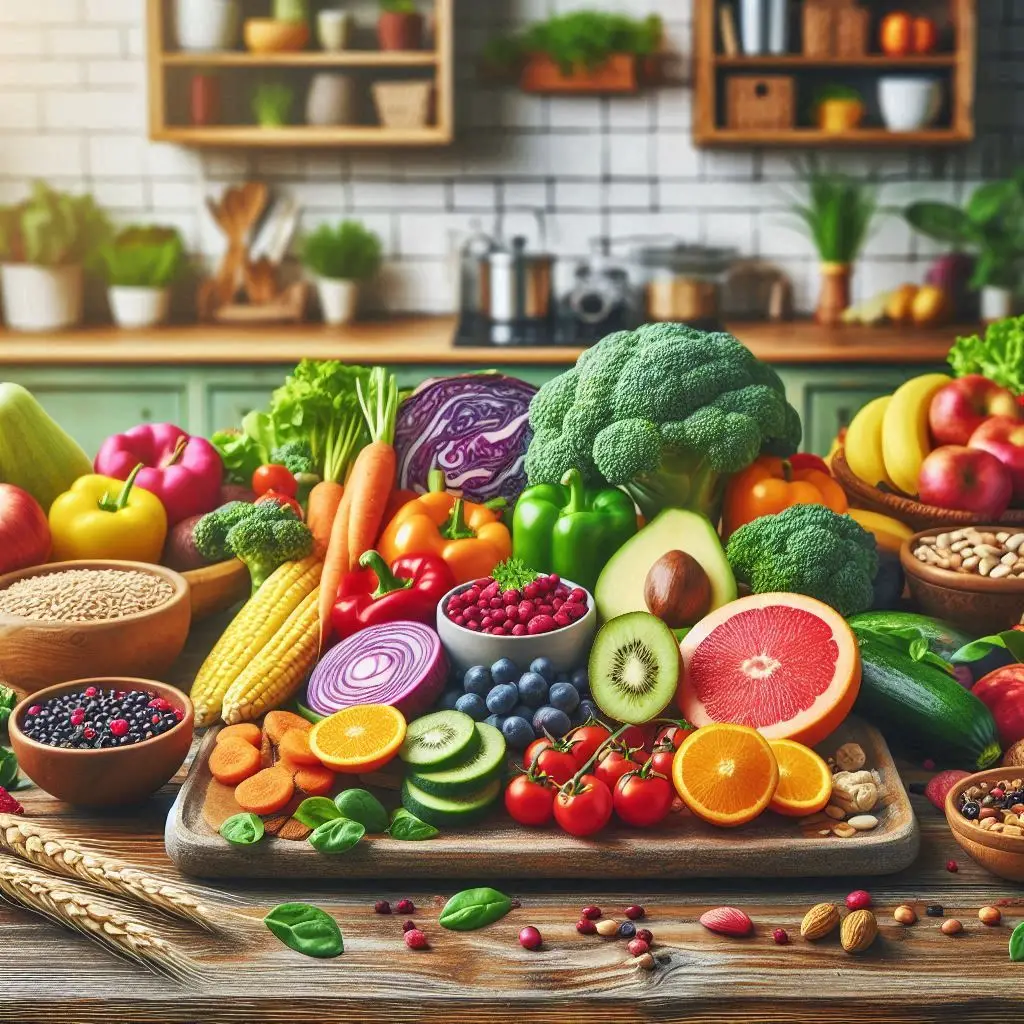
Managing high blood pressure naturally does not rely on a single type of food, but rather on a comprehensive and balanced dietary pattern. Combining vegetables, fruits, whole grains, and healthy proteins while reducing processed foods can make a real difference in the long term.
Most importantly, consistency matters. Small, ongoing changes in dietary habits are often more effective than sudden, short-term changes.
High blood pressure is not merely a number that is measured; it is an indicator of the body’s overall balance. For those interested in nutrition and health, food can be viewed as a supportive tool for the body, not just a temporary solution or a quick response to a health issue.
At Nutrition Travels, we are committed to providing reliable and simplified nutritional information that helps readers better understand the relationship between nutrition and health. Choosing natural foods rich in beneficial nutrients and paying attention to dietary quality may contribute to managing blood pressure naturally, supporting heart health, and improving overall quality of life. With increasing nutritional awareness, making healthy decisions becomes clearer and more accessible—especially when based on accurate knowledge and trustworthy sources.