

In the world of nutrition and fitness, advertisements and new products appear every day, promising users rapid fat loss without much effort. These products are often marketed as “100% natural” or “herbal-based”, leading many people to believe they are safe and effective. But do these herbal fat burners really work as advertised? Or is the truth completely different?
In this article, we reveal the scientific truth behind herbal fat burners, exploring their ingredients, how they supposedly work, their potential risks, and the right way to approach them.

What Are Herbal Fat Burners and How Do They Work?
Herbal fat burners are dietary supplements that contain plant-based ingredients claimed to help:
- Increase metabolic rate.
- Stimulate calorie burning.
- Reduce appetite or fat absorption.
These products come in various forms such as capsules, powders, or ready-to-drink beverages, and are often sold without a prescription.
Common Herbal Fat Burner Ingredients and Their Effects:
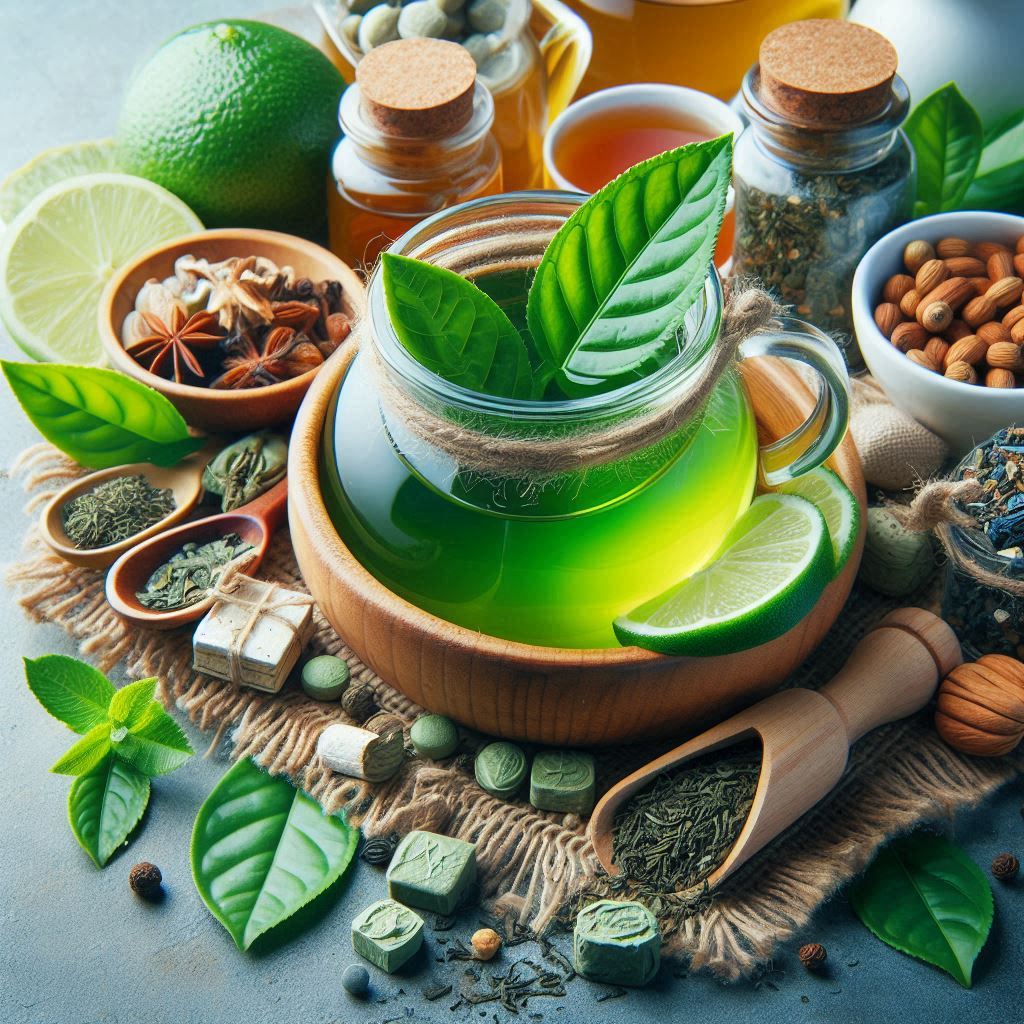
1. Green Tea:
Green tea contains antioxidants that help boost fat burning and enhance metabolism. It may also help suppress appetite and reduce hunger.
2. Caffeine:
Found in coffee, green tea, and guarana.
Caffeine increases energy and temporarily raises metabolism, but excessive intake may lead to rapid heartbeat or insomnia.
3. Ginseng:
A plant known for its health-boosting properties. Ginseng may help with weight management, and noticeable changes in body weight have been observed with daily intake for around eight weeks.
It is believed to combat obesity by altering fat composition and delaying fat absorption in the intestines. However, more studies are needed to confirm its effectiveness in weight loss.
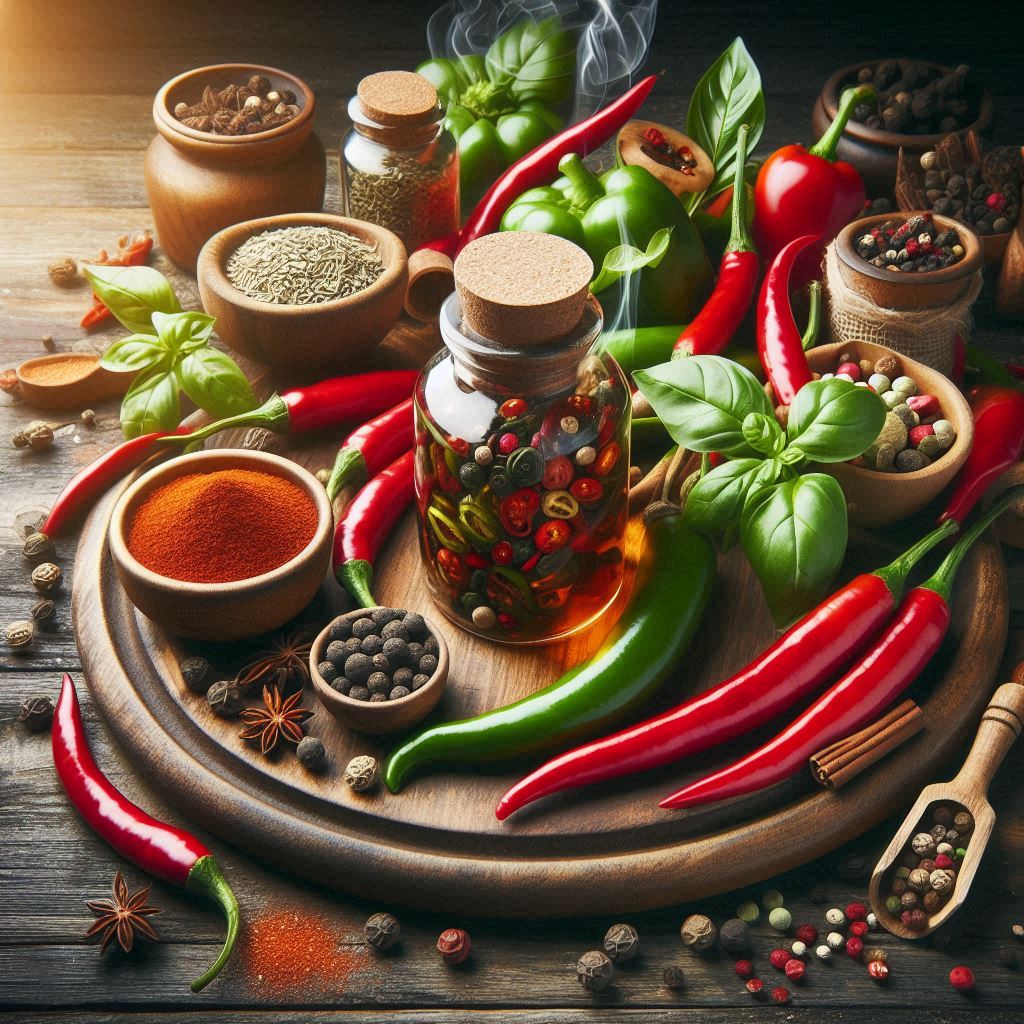
4. Capsaicin (Chili Pepper):
The active compound in chili peppers that produces a heating sensation—it may help increase energy expenditure temporarily.
How Herbal Fat Burners Are Supposed to Support Fat Loss?
Herbal fat burners are said to work by:
1. Increasing the basal metabolic rate (BMR), which is the amount of energy the body burns at rest.
2. Stimulating the nervous system to boost energy expenditure.
3. Reducing appetite or decreasing fat absorption.
Potential Side Effects and Health Risks of Herbal Fat Burners:
Although these products are marketed as “safe because they’re natural”, that’s not entirely true. Some herbs contain powerful compounds that may cause side effects, especially with prolonged use or when combined with other medications.
Possible risks include:
- High blood pressure and rapid heartbeat (due to caffeine and other stimulants).
- Insomnia, anxiety, and nervousness.
- Liver or kidney problems if the supplement contains unknown or contaminated herbs.
- Drug interactions, especially with heart, thyroid, or diabetes medications.
- Contamination of unregulated products with hidden synthetic drugs to enhance effects—making them potentially dangerous.
Natural and Safe Alternatives to Herbal Fat Burners:
Instead of relying on unproven supplements, better and longer-lasting results can be achieved through natural methods:
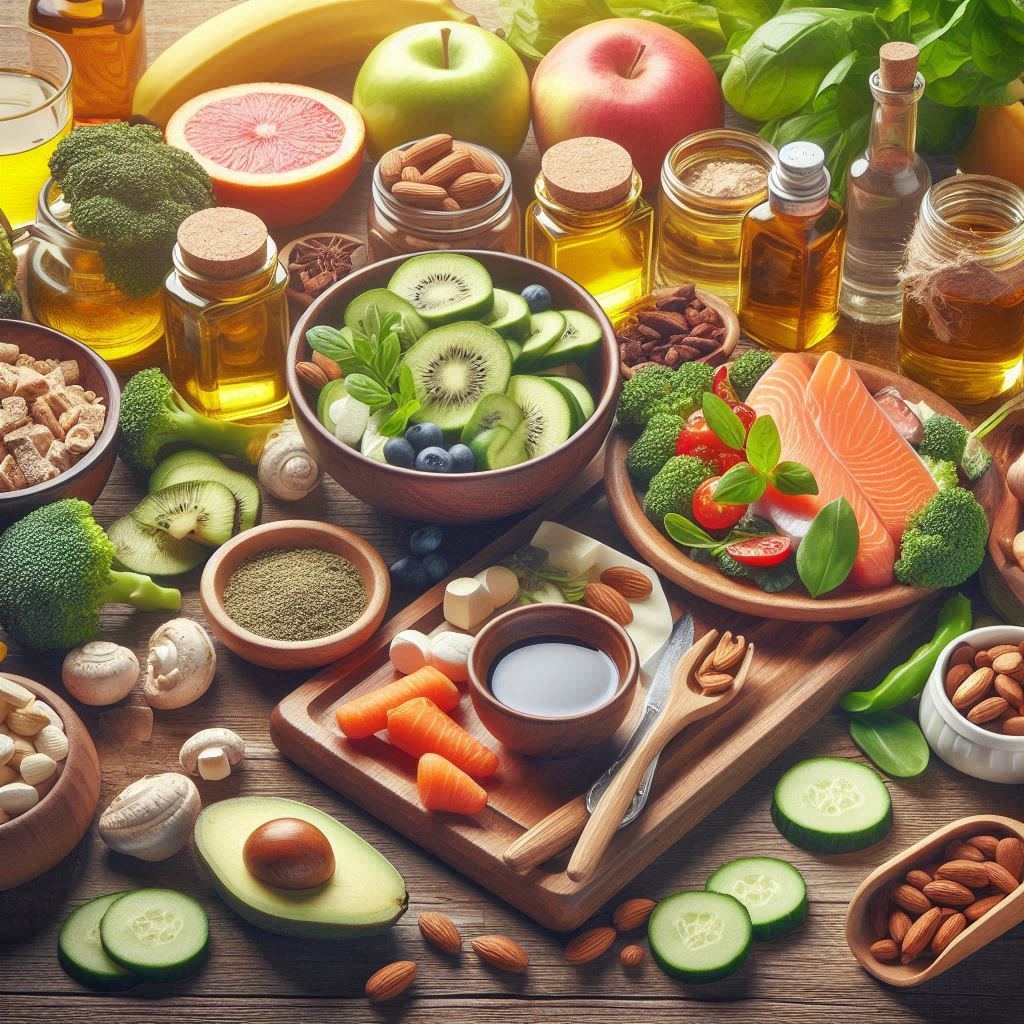
1. Follow a balanced diet rich in protein and fiber and low in refined sugars.
2. Exercise regularly, especially resistance (weight training) and cardio exercises.
3. Get enough sleep (7–8 hours per night) to support hormones responsible for metabolism and appetite regulation.
4. Stay hydrated to boost metabolism and reduce hunger.
5. Manage stress levels, as chronic stress increases cortisol, a hormone that promotes fat storage.
Although the idea of a “natural fat burner” sounds appealing, the reality is far different from marketing promises.
There are no magical herbs that melt away fat without effort, and relying on these supplements without lifestyle changes is a short-term and risky approach.
The true path to fat loss is a combination of balanced nutrition, regular physical activity, and good sleep.
Supplements can only serve as a minor supporting factor, not the ultimate solution many expect.
At Nutrition Travels, we believe that knowledge is the first step toward healthy change.
That’s why we always provide science-based, trustworthy information to help you understand your body, make informed nutritional decisions, and reach your health goals safely and sustainably.