
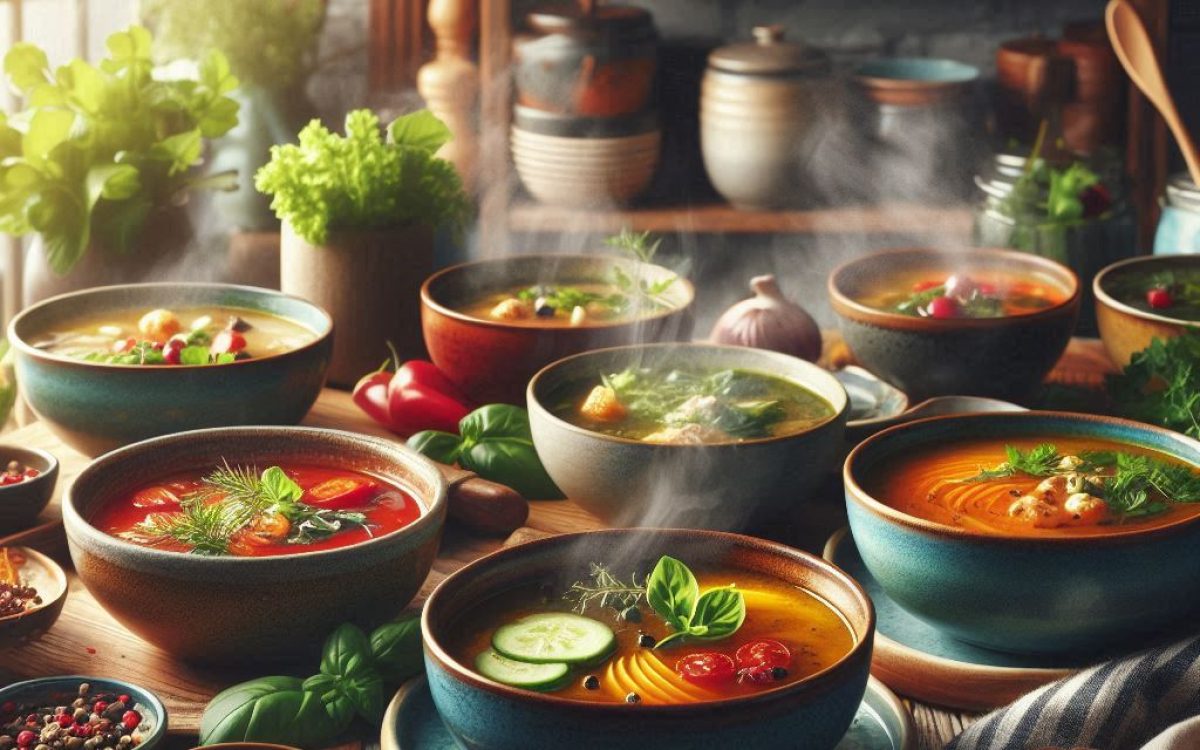
With the arrival of winter, Healthy Winter Soups become an ideal choice for anyone seeking warm, comforting, and nutritious meals. These soups are not only delicious but also provide essential vitamins, minerals, and fiber that help boost immunity, support digestion, and keep the body energized throughout the cold season. For people who care about nutrition, carefully selecting ingredients for these soups—such as seasonal vegetables, lean proteins, whole grains, and natural spices—offers a perfect opportunity to enjoy a hearty meal without compromising on health benefits. Whether it’s a quick weekday dinner or a leisurely weekend treat, nutritious winter soups can make every meal both satisfying and beneficial for overall well-being.

Benefits of Healthy Winter Soups:
Winter soups are not just delicious foods that fill the stomach with warmth; they also have multiple health effects:
1. Boosting immunity: Many soups contain vegetables rich in vitamins and minerals, such as carrots, spinach, and celery, which help the body fight seasonal illnesses like colds and flu.
2. Hydrating the body: In cold weather, the feeling of thirst decreases, but soups provide the necessary fluids to help maintain internal hydration.
3. Providing sustainable energy: Using grains and legumes in soups gives the body steady energy, unlike some fast foods that cause hunger shortly after consumption.
4. Supporting digestion: Fiber-rich soups help improve digestion and facilitate bowel movements, especially when ingredients like lentils, quinoa, or barley are included.
Ideal Ingredients for Healthy Winter Soups:
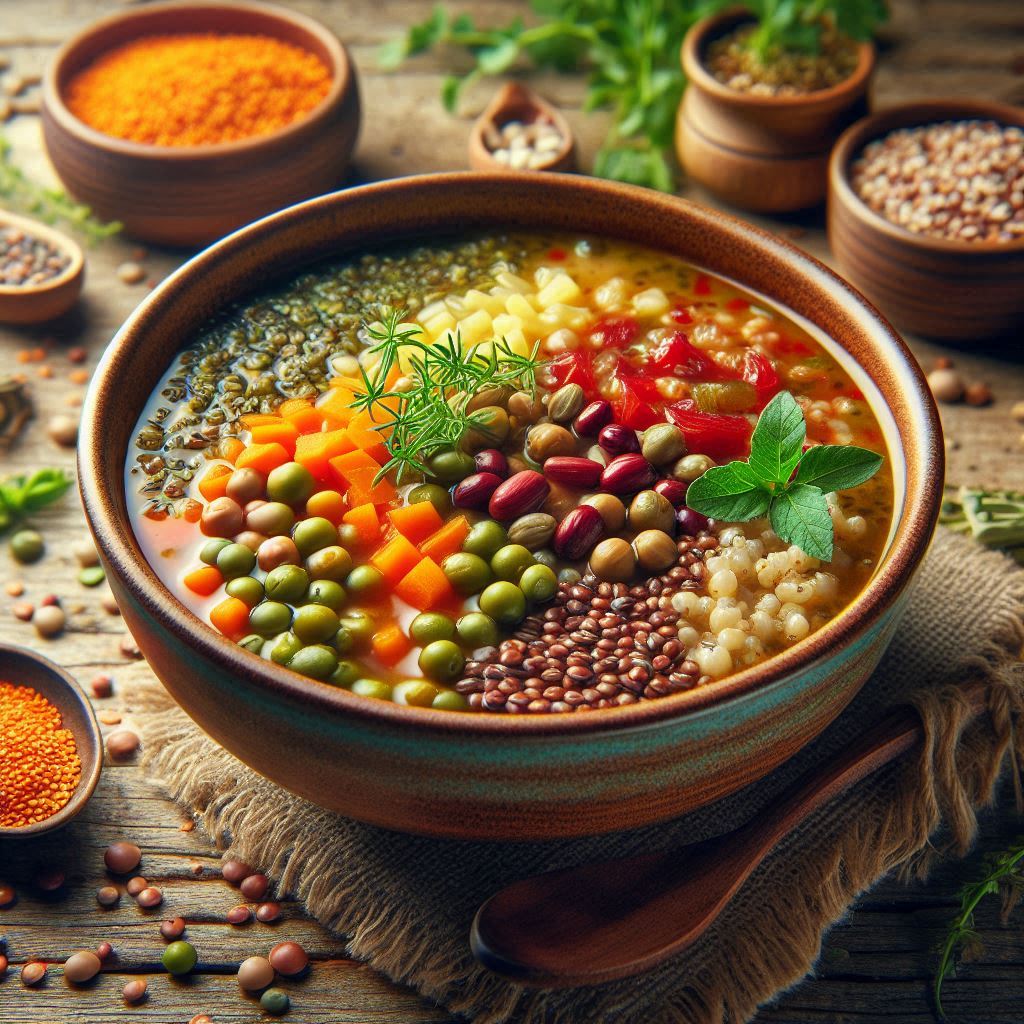
When thinking about a healthy soup, it’s important to choose ingredients that cover the body’s different needs. These ingredients can be categorized as:
1. Seasonal vegetables: Potatoes, carrots, cabbage, zucchini, broccoli, and spinach. These vegetables are rich in vitamins and minerals and add natural delicious flavors.
2. Healthy proteins: Chicken, fish, legumes like lentils and beans, which help increase satiety and support muscles.
3. Whole grains: Such as barley, brown rice, or quinoa, which give the soup extra thickness and increase its nutritional value.
4. Natural spices: Garlic, ginger, turmeric, black pepper; these spices enhance flavor and support health, especially immunity.
5. Healthy liquids: Chicken or vegetable broth, or even water with herbs, to make the soup base flavorful and nutritious.

Nutritious and Easy Healthy Winter Soup Recipes:
1. Lentil and Spinach Healthy Winter Soup:
Lentil and spinach soup is one of the most nutritious winter recipes, combining lentils rich in plant protein and fiber with spinach full of iron and vitamins. The lentils are cooked with garlic, pepper, and light spices, and spinach leaves are added at the last minutes to preserve their color and nutritional value. This soup has a smooth texture and a satisfying taste, giving you energy and warmth without feeling heavy.
2. Chicken and Sweet Corn Soup:
This soup combines shredded chicken rich in protein with sweet corn for a light, pleasant taste, making it a complete and filling recipe. Chicken broth is cooked with light spices, then chicken and corn are added to give the soup a balanced texture and comforting flavor. This recipe is ideal for busy weekdays and helps strengthen the body and restore energy.
3. Lentil Soup:
Rich in fiber, plant protein, and vitamins and minerals, especially calcium, iron, phosphorus, magnesium, and potassium.
4. Vegetable Soup:
Contains mineral salts and many antioxidant compounds, suitable for all age groups.
5. Chicken and Potato Soup:
Chicken and potato soup is perfect for welcoming the cold season, as it serves as a broth full of vegetables. This recipe is ideal for weekend meals and can be served with cabbage salad or whole-grain crispy bread for a healthy and satisfying dinner.
6. Clear Tomato and Basil Healthy Winter Soup:
This soup is perfect for those who prefer light and low-calorie meals. It’s prepared from fresh tomatoes cooked slowly with garlic and vegetable broth, and basil is added at the end to give it an aromatic flavor. Tomato soup enhances immunity thanks to antioxidants and is suitable as a light dinner or a warm appetizer before main meals.

Tips to Boost the Nutritional Value of Healthy Winter Soups:
1. Use healthy broth: Chicken or meat broth after removing fat, or vegetable broth.
2. Reduce salt: Use fresh herbs and spices instead of salt to enhance flavor, especially for those with high blood pressure.
3. Add thickness naturally: Oats or quinoa increase the soup’s thickness healthily.
4. Use proper cooking techniques: Mash some vegetables to make the soup creamier without needing too much fat.
5. Avoid high-calorie additives: Limit heavy cream, butter, and fatty meats.

Winter soups are not just food to warm you up; they are an opportunity to enjoy a rich mix of nutrients that support the body and mind during cold days. For people who value proper nutrition, soups can be a central part of their daily meals, combining delicious taste with health benefits. By carefully selecting ingredients and trying easy recipes like red lentil soup, creamy vegetable soup, barley soup, and pumpkin-ginger soup, everyone can enjoy a warm, nutritious meal that energizes the body and helps face winter challenges.
For those interested in deeper nutrition insights, Nutrition Travels is always a reliable source, offering useful recipes, nutritional tips, and educational articles that help integrate health and enjoyment into daily meals. If the goal is to combine health with culinary pleasure, winter soups provide the perfect solution—they are not only delicious but also an effective way to meet the body’s nutritional needs naturally and appetizingly.