In today’s world, where digital stimuli, fast food, and instant rewards are constantly competing for our attention, the brain is in a state of continuous neurological fatigue, especially when it comes to dopamine—the chemical responsible for feelings of reward and pleasure. In this context, a concept called “dopamine fasting” has emerged, which aims to reset the brain’s reward system, not only by reducing external stimulation but also through smart nutrition that directly affects dopamine production and activity.

What is Dopamine Fasting?
Dopamine fasting refers to temporarily refraining from activities that trigger dopamine production in the brain—activities that bring joy or pleasure—for a specific period, with the goal of reducing dependence on the reward-driven feelings these activities provide.
However, dopamine fasting is not complete without a proper nutritional strategy, as the foods we eat play a major role in regulating dopamine production and function.
The Relationship Between Nutrition and Dopamine:
Dopamine is synthesized in the body from an amino acid called tyrosine, which is found in many protein-rich foods. Without supplying the brain with these essential nutrients, resetting the reward system can be difficult, even with fasting from external stimuli.
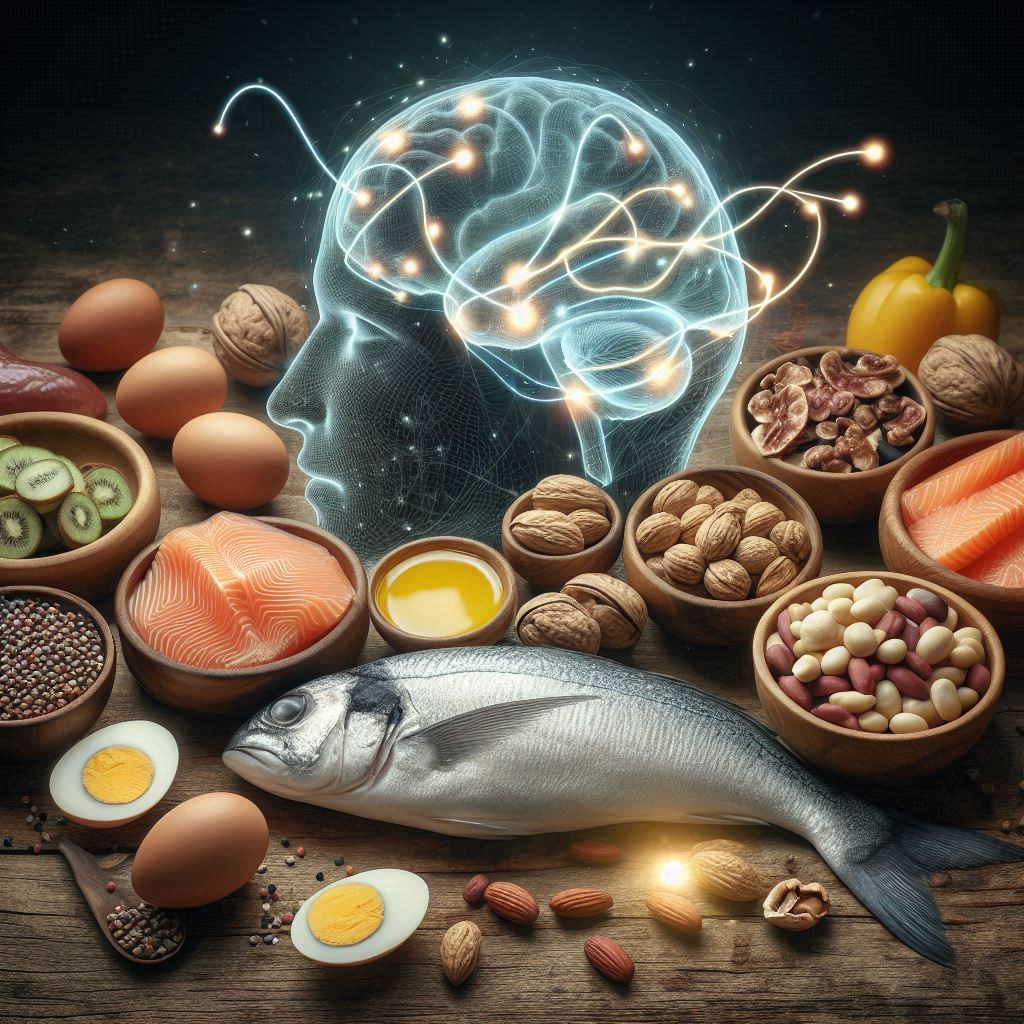
Foods That Help Increase Dopamine Production:
1. Bananas:
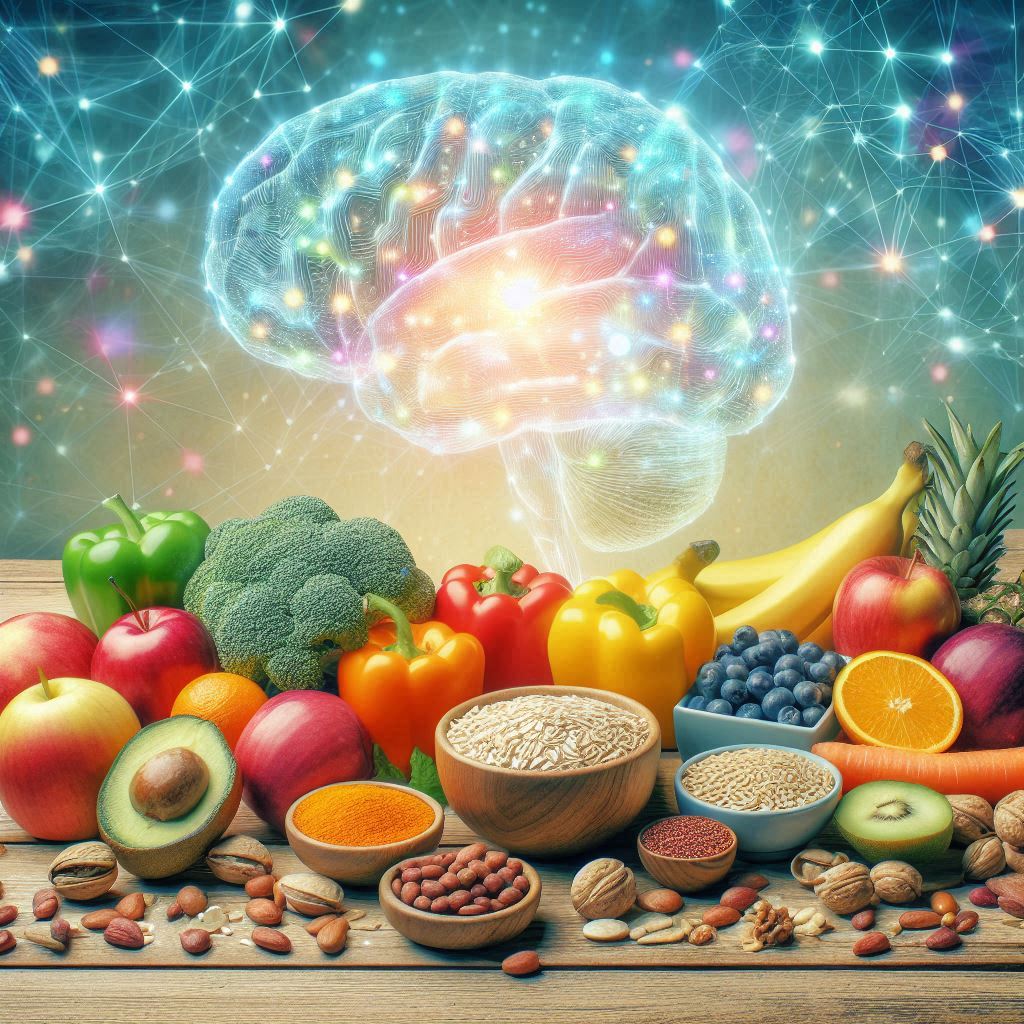
Bananas are rich in tyrosine, an amino acid the body converts into dopamine. They also provide a quick energy boost thanks to their natural sugars and are packed with vitamins B6 and C, which support overall brain health.
2. Nuts and Seeds:
Nuts and seeds, especially almonds, walnuts, and flaxseeds, are excellent sources of healthy fats, protein, and antioxidants. These nutrients protect brain cells and support dopamine production. They also contain magnesium, which helps relax the nervous system and reduce stress and anxiety.
3. Dark Chocolate:
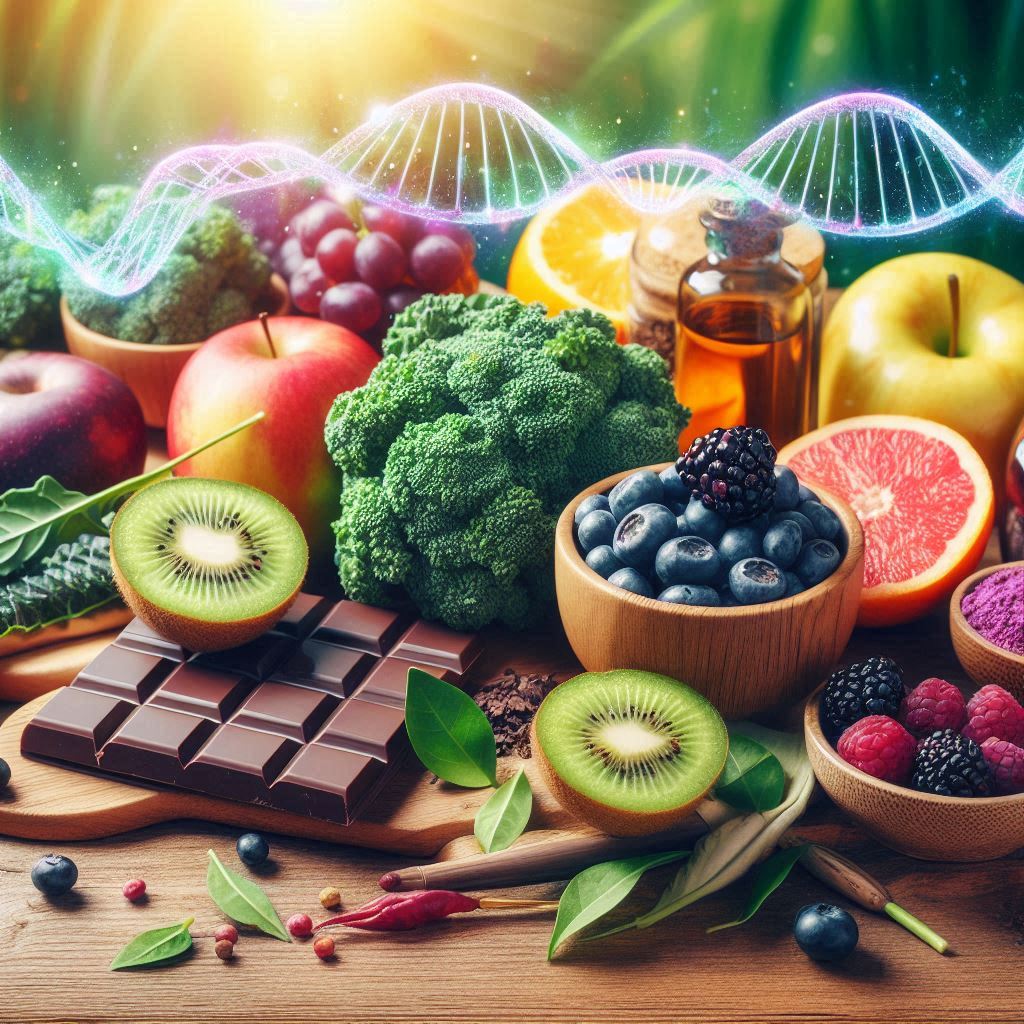
Dark chocolate contains phenylethylamine, a compound that stimulates the brain to release endorphins and dopamine. It interacts with multiple neurotransmitters, including serotonin and dopamine, which play a key role in regulating reward, mood, and appetite.

4. Avocado:
Avocados are high in healthy fats, particularly omega-3 fatty acids, which are essential for brain health. These fats improve brain cell structure, support neurotransmitter function, and enhance dopamine levels. Avocados also provide vitamins B and E, which help combat oxidative stress in the brain.
5. Berries:
Berries such as blueberries, strawberries, and raspberries contain antioxidants that protect brain cells from oxidative damage. They are also high in vitamin C and fiber, promoting overall brain health and supporting dopamine production.

6. Leafy Greens:
Leafy vegetables, including spinach, kale, and arugula, are nutrient-dense, providing iron, folate, and vitamin K, all essential for brain function. Iron, in particular, is crucial for dopamine production.
7. Fatty Fish:
Fatty fish such as salmon, mackerel, and sardines are rich in beneficial omega-3 fatty acids, which are necessary for maintaining brain health and improving neurotransmitter function, including dopamine.
8. Eggs:
Eggs are an excellent source of protein and contain high levels of tyrosine, which converts to dopamine in the brain. They also provide essential nutrients like choline, which supports brain health and cognitive function.

Foods That Might Hinder Dopamine Fasting:
On the other hand, certain foods and drinks can interfere with attempts to reset the reward system:
1. Refined sugars and sweets: They cause a sudden spike in dopamine followed by a sharp drop, making the brain more dependent on external stimulation.
2. Excessive caffeine: While it temporarily raises dopamine, it can create a cycle of constant craving for stimulation.
3. Processed and packaged foods: Containing additives and preservatives, these can negatively affect the brain’s chemical balance.

The Role of Dopamine Fasting with Smart Nutrition:
When dopamine fasting is combined with a nutrient-rich diet, several positive changes occur:
1. Restoring neural receptor sensitivity: The brain becomes more responsive to natural rewards, such as exercising or completing a meaningful task.
2. Balancing mood and energy: A diet rich in proteins and essential fatty acids reduces mood swings and enhances focus.
3. Stimulating natural dopamine production: Tyrosine-rich foods help generate dopamine in a balanced way without relying on external stimuli.
4. Improving sleep: Reduced dependence on constant stimulation allows for deeper, more stable sleep, which is essential for dopamine production and mood regulation.

Tips for Dopamine Fasting:
Here are some tips to try dopamine fasting:
1. Identify over-stimulating activities: List habits that provide instant gratification, such as excessive social media use, binge-watching TV shows, or eating fast food.
2. Set a time frame: Choose a reasonable period (for example, a few hours or a full day) to avoid these activities.
3. Replace these activities with mindful tasks: Engage in activities that promote mental clarity, like walking in nature, journaling, or reading.
4. Gradual reduction: Instead of stopping all stimulating activities at once, reduce them gradually to prevent frustration and discomfort.
5. Reflect and adjust: After fasting, reflect on your experience and consider incorporating beneficial changes into your daily routine.

Dopamine fasting is an opportunity to reconnect with the true pleasures of life, away from fast stimulation and artificial rewards. However, your brain needs nutritional support to achieve this goal. Focusing on high-quality proteins, healthy fats, fruits, and vegetables rich in vitamins and minerals, while avoiding refined sugars and processed foods, can be the decisive factor in the success of this experience.
And If you want to explore more about dopamine fasting and nutrition and gain detailed scientific insights, at Nutrition Travels we have all the information you need to help you understand your body and brain better.