In the modern world of tourism, travel planning is no longer limited to browsing photos or reading reviews. Today, travelers can experience a destination before physically arriving there. They can walk through the hotel, explore city streets, and even examine the smallest details as if they were already on site. This digital transformation is known as “Digital Twin Tourism”.
This technology is not merely a technological luxury; it has become a powerful tool reshaping the entire travel experience, whether for travelers seeking greater clarity and reassurance, or for hotels and cities aiming to present themselves with more transparency and innovation.
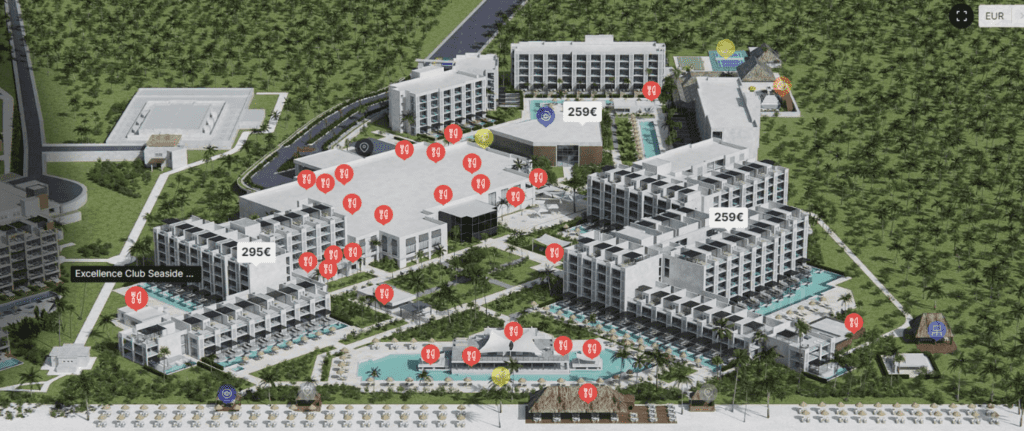
What Is the Concept of Digital Twin Tourism?
This concept refers to virtual replicas of tourist destinations created using advanced data and simulation technologies to enhance visitor experiences and management strategies. It relies on the latest innovations.
These digital twins utilize technologies such as IoT sensors and artificial intelligence. As digital twins continue to transform the global tourism landscape, they promise improved operational efficiency, personalized visitor experiences, and stronger environmental sustainability efforts.
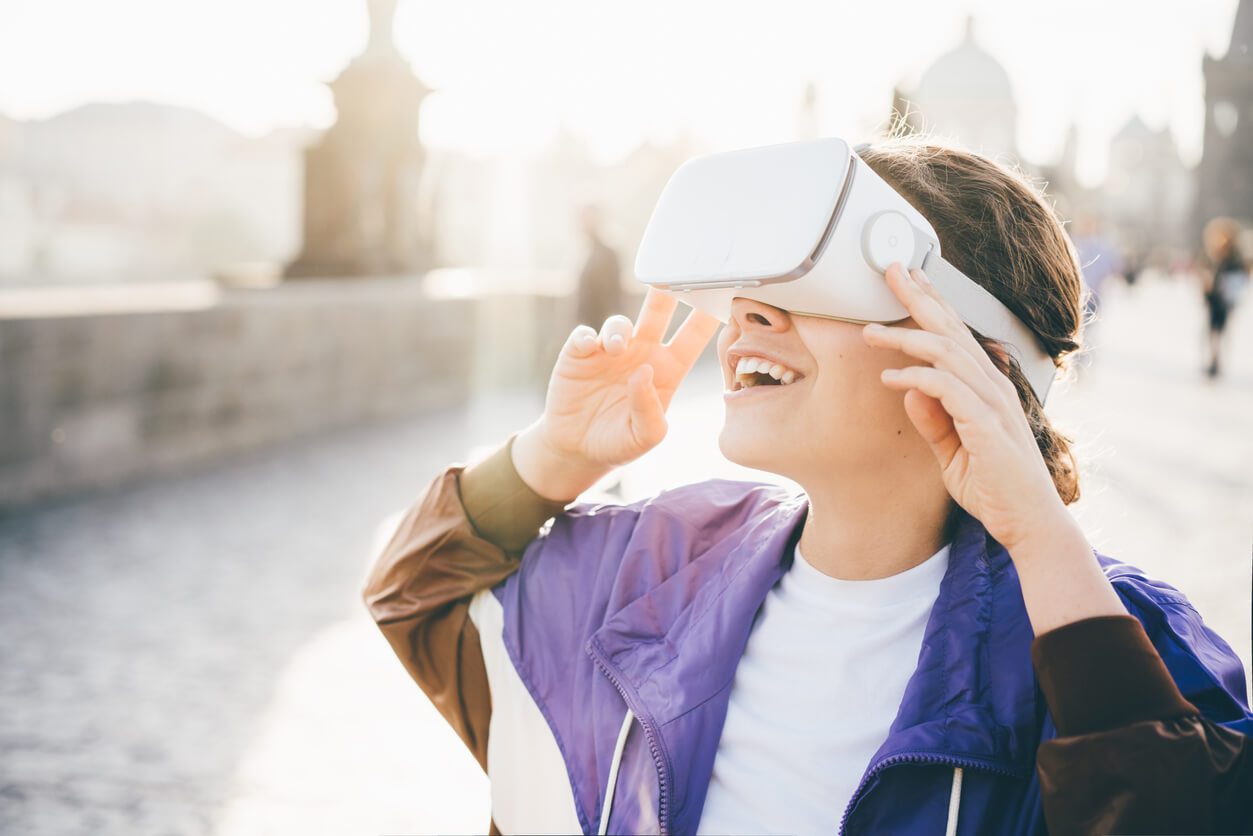
Why Has Virtual Tourism Become Important for Travelers?
Modern travelers are no longer satisfied with edited images or marketing promises. They seek transparency, realism, and assurance that what they see is what they will actually get.
1. Reducing Unwanted Surprises:
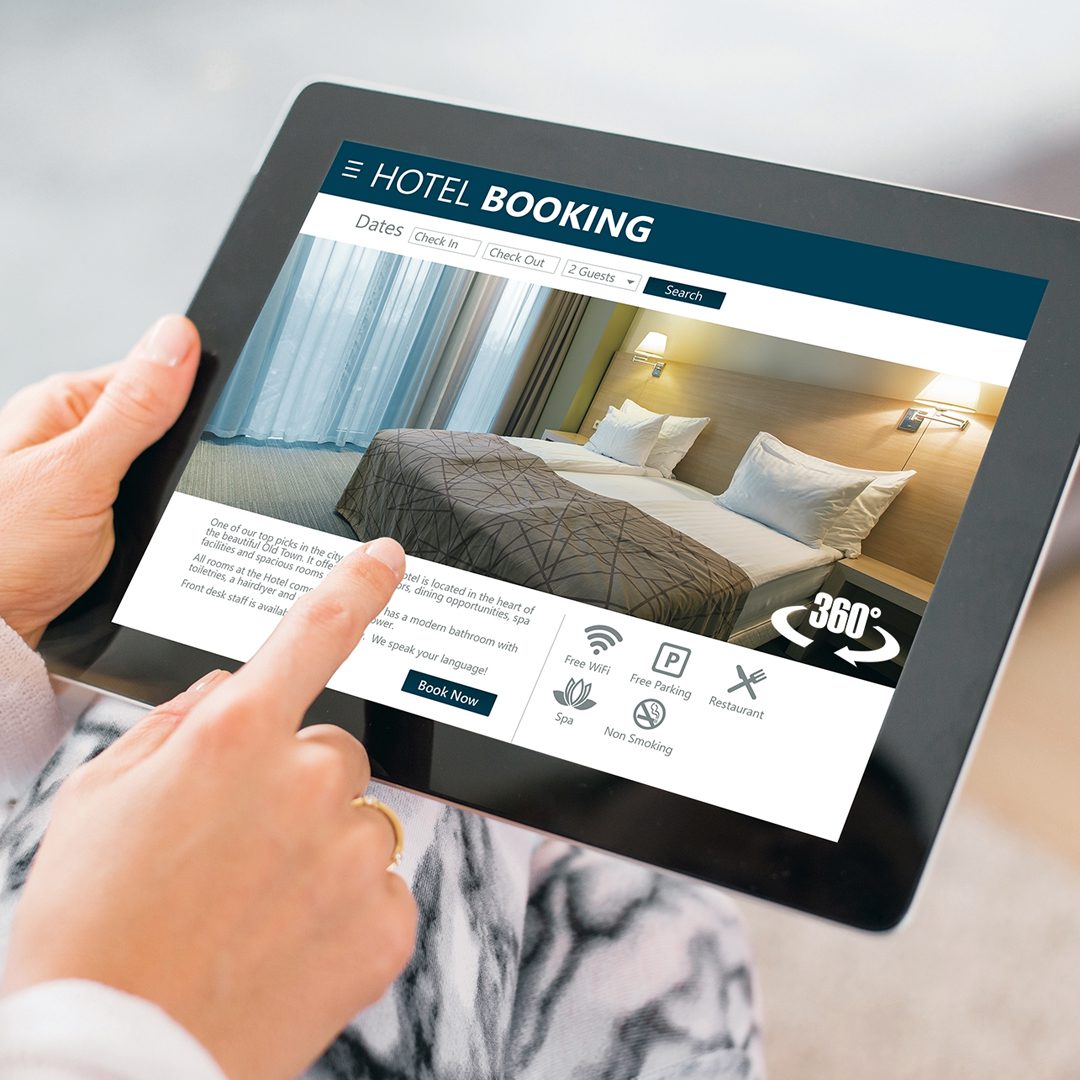
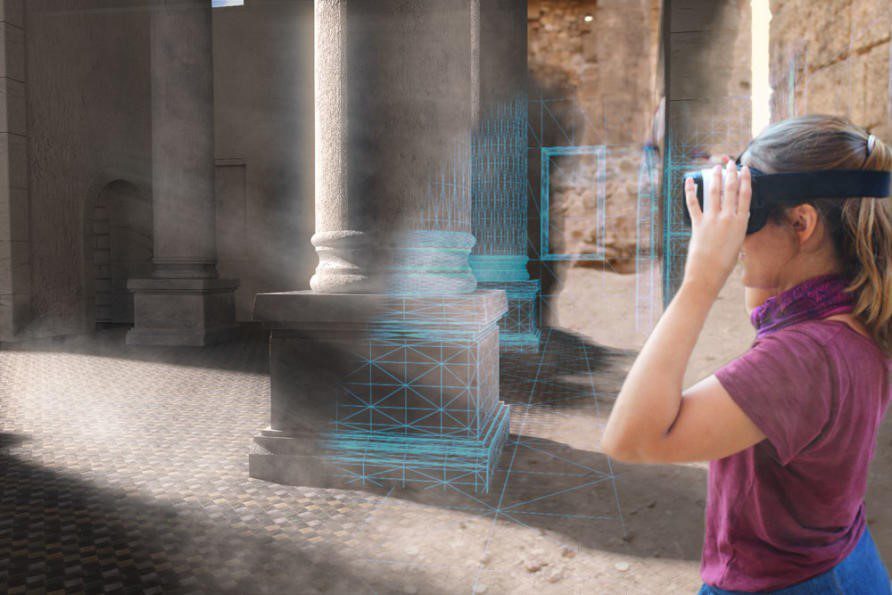
Many travelers have experienced arriving at a hotel that looks completely different from its online photos. With Digital Twin Tourism, it becomes possible to view the room at its real size, understand the distance between the bed and the balcony, see the actual view, and even explore surrounding facilities.
2. Smarter Trip Planning:
Travel enthusiasts who carefully plan their trips find digital twins to be an ideal tool. They can identify the hotel’s location relative to attractions, virtually walk through the neighborhood, and choose restaurants or activities based on prior digital exploration.
3. Personalized Experiences Based on Interests:
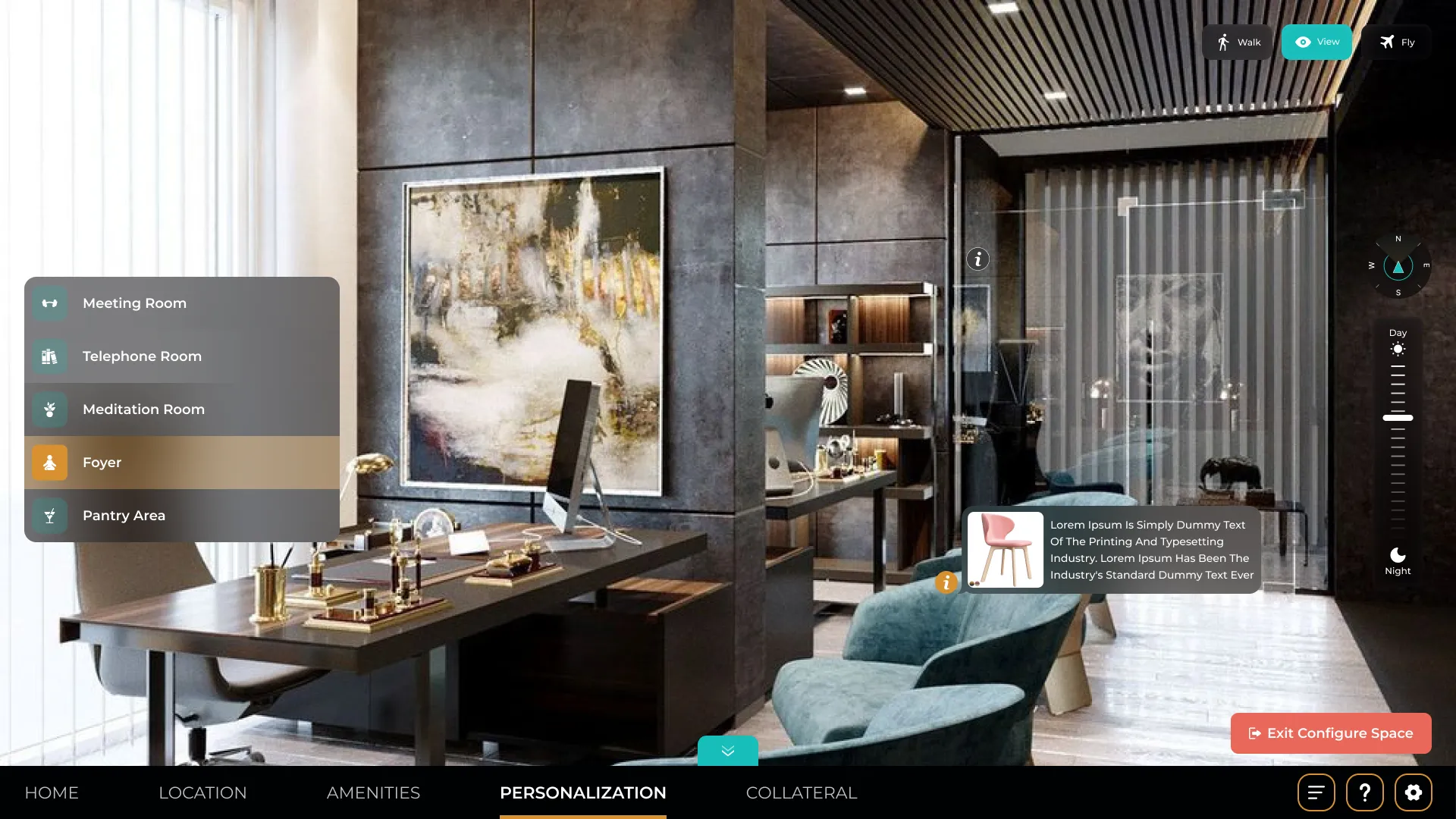
Luxury-focused tourists may wish to explore spa details, swimming pools, or premium suites. Families may focus on room sizes, children’s play areas, or proximity to essential facilities.
Business travelers may prioritize meeting rooms, internet speed, and the quietness of the location.
How Can Digital Twins Support Hotel Operations?
A digital twin is a virtual model of a real-world system—such as a building, machine, or process—that is continuously updated with data. It reflects what is happening in the real world in real time, helping businesses better understand and manage their operations.
Digital twins can represent physical spaces (such as airports, hotels, and cruise ships) or even complex operational workflows.
In the hospitality sector, digital twins are particularly valuable.
They can create a digital view of how a place or system operates—for example, how a hotel manages guest services or how a cruise ship handles logistics.
These virtual models allow operators to monitor real-time activity, track performance, and view key metrics in one centralized system.
What About Cities and Tourist Destinations?
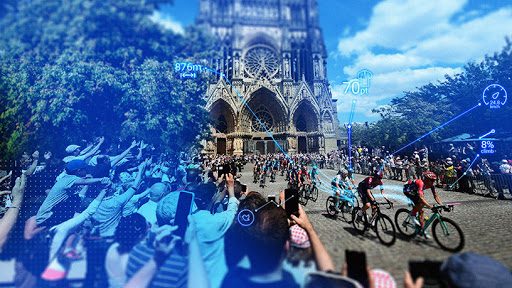
Digital Twin Tourism is not limited to hotels. Some cities have begun developing full digital replicas to showcase their attractions.
Imagine a traveler being able to:
- Virtually stroll through the old town.
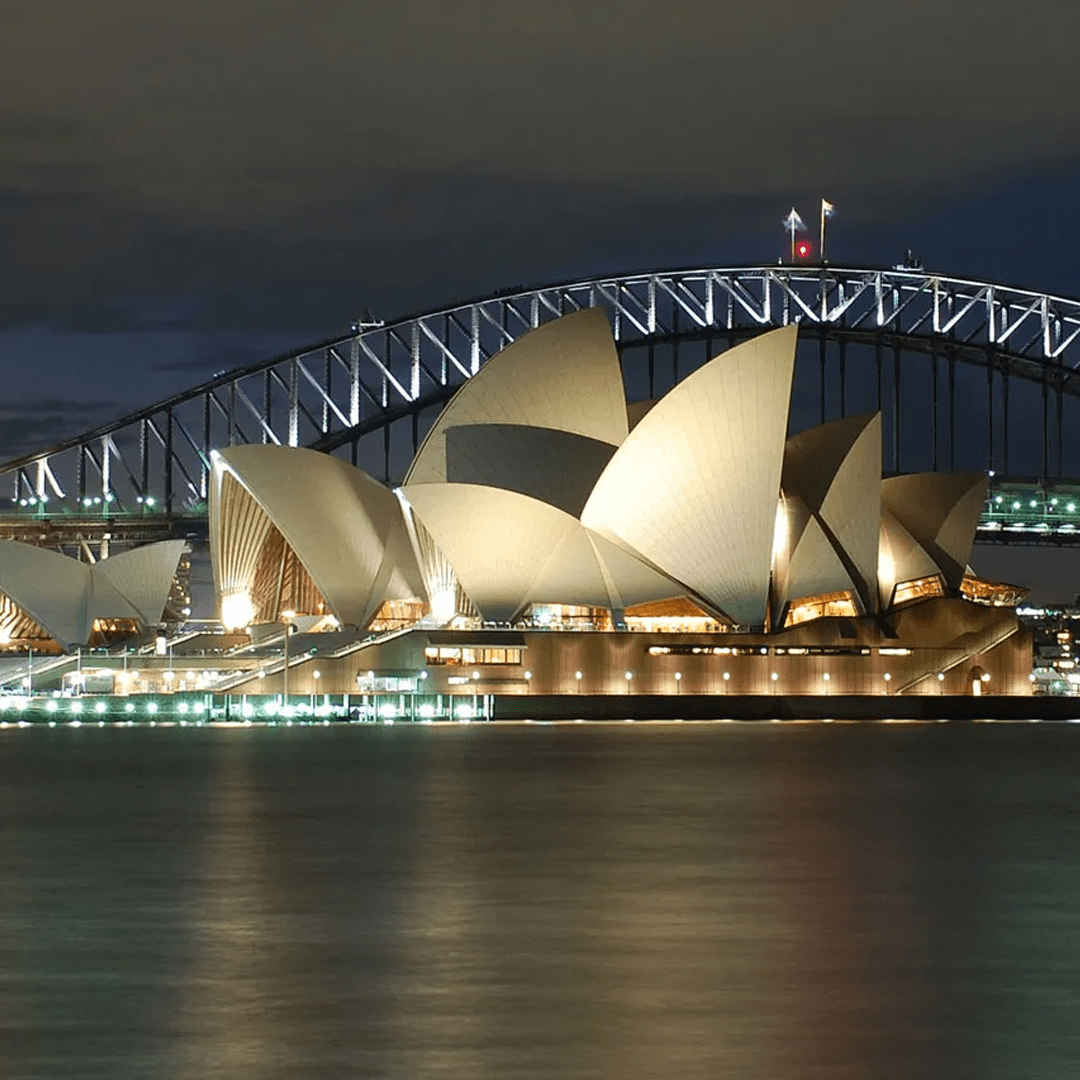
- View landmarks illuminated at night.
- Explore museums before purchasing tickets.
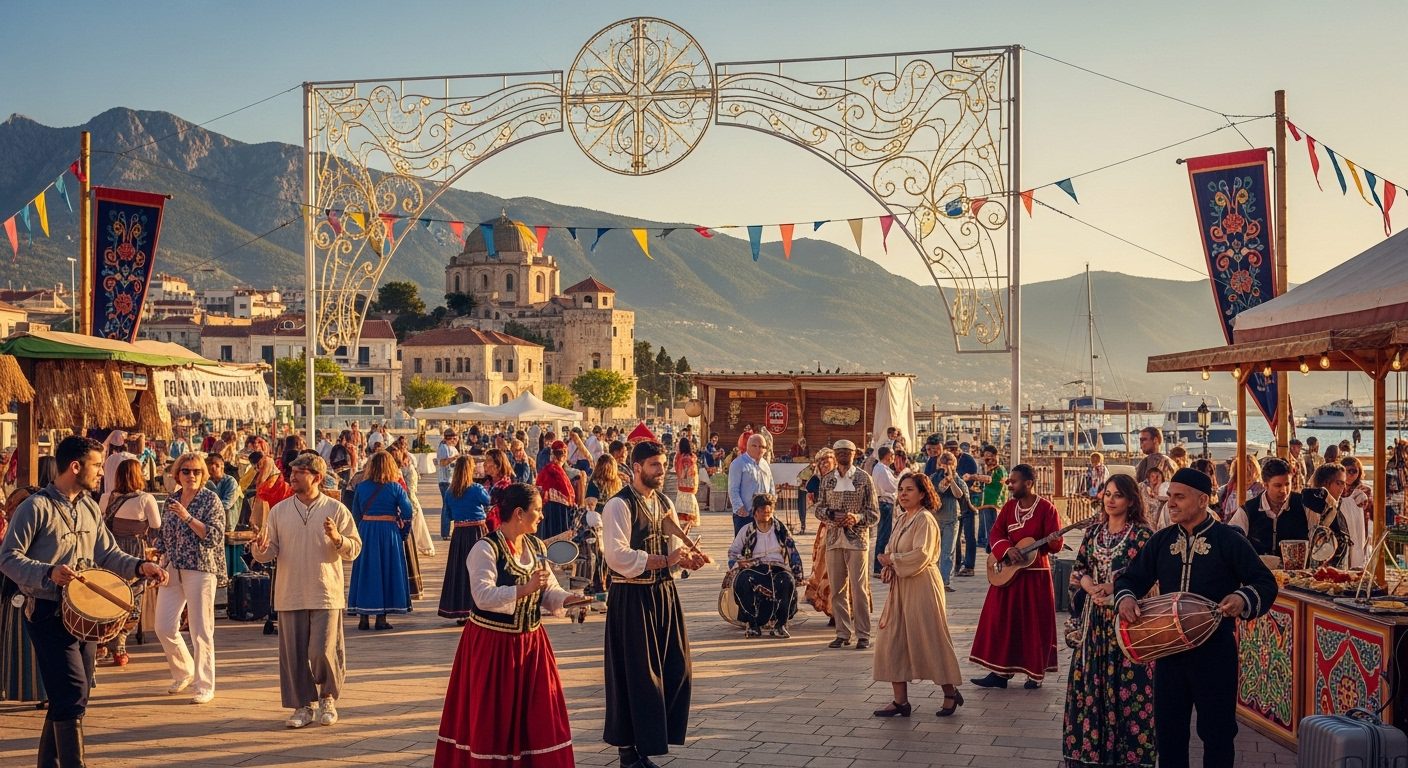
- Simulate attending a festival or cultural event.
Such experiences strengthen the desire for an actual visit, as they create an emotional connection with the destination before arrival.
Challenges Facing Digital Twin Tourism:
Despite its benefits, there are several challenges:
- The high cost of creating accurate 3D models.
- The need for strong technological infrastructure for users.
- Variations in internet speed across different countries.
However, as technology continues to evolve and costs gradually decrease, this innovation is expected to become more widespread.
The Future of Tourism with Digital Twins:
The tourism sector is expected to undergo deeper transformation in the coming years, especially with the integration of:
- Artificial Intelligence
- The Metaverse
- Big Data
- Behavioral analytics for travelers
Who Can Benefit Most from This Technology?
1. Travelers seeking a clear and reliable experience.
2. Families who want reassurance before traveling.
3. Business travelers who require precise facility insights.
4. Hotels aiming to increase booking rates.
5. Cities seeking to attract international tourists through modern approaches.
Digital Twin Tourism is not merely a passing digital trend; it represents a qualitative shift in how destinations are explored. The ability to walk through a hotel or city before traveling provides travelers with peace of mind and greater confidence, helping them make decisions based on clear insight.
For the tourism industry, it serves as a powerful marketing tool that enhances transparency and builds trust with customers, especially amid increasing global competition among destinations.
At Nutrition Travels, we are committed to providing the latest insights and trends in smart tourism and digital transformation, offering reliable content that helps travelers understand modern technologies and their impact on the travel experience.