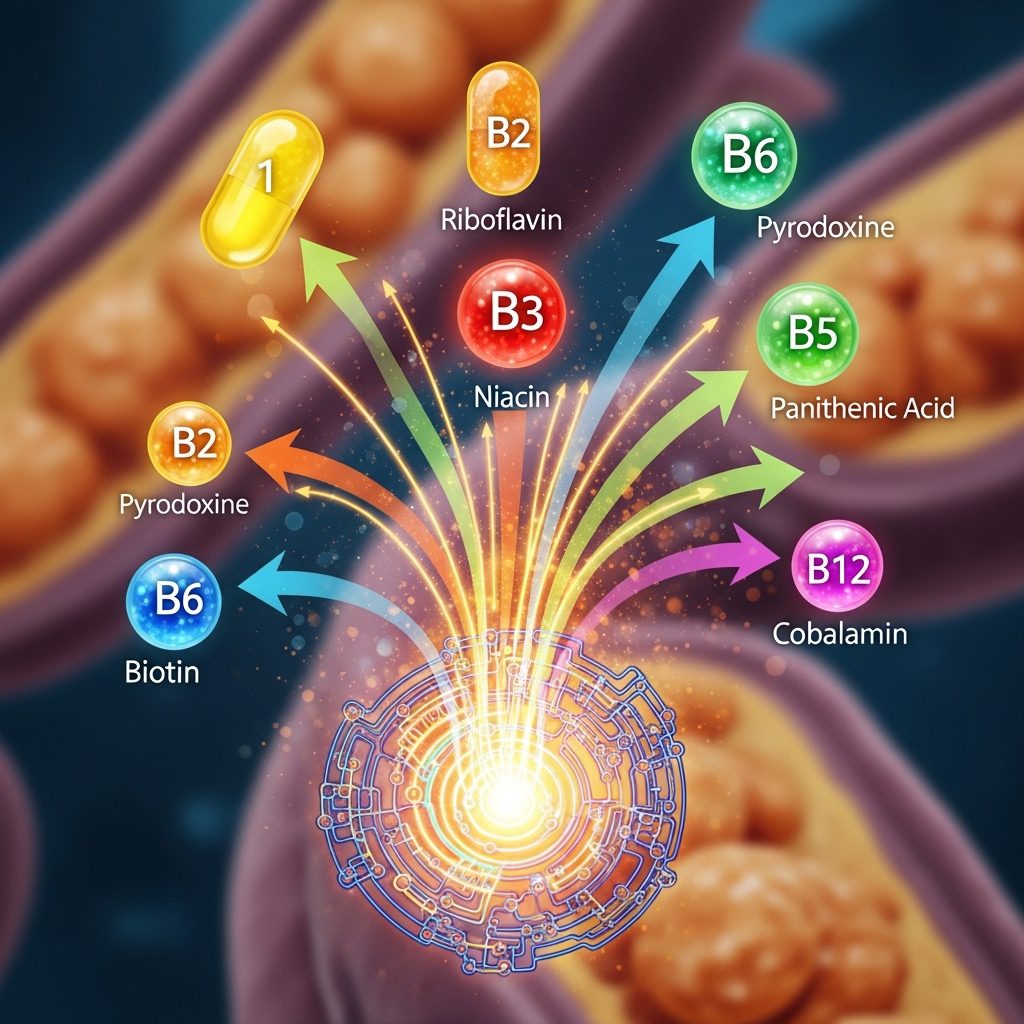

When it comes to athletic performance, training gets most of the spotlight. But there’s one factor that often makes or breaks results: nutrition. Even the most dedicated athletes can sabotage their progress if they’re making common nutrition mistakes. The good news? Once you recognize these pitfalls, you can fix them and unlock your body’s full potential.
Let’s break down the most frequent sports nutrition mistakes and learn how to avoid them.
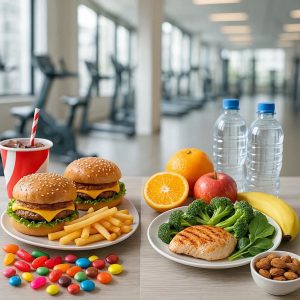
1-Skipping Pre-Workout Fuel
Some athletes believe training on an empty stomach helps burn fat faster. While it may sound effective, in reality, skipping pre-workout fuel can lead to fatigue, reduced performance, and muscle breakdown.
Better approach:
Eat a balanced meal 2–3 hours before training, or a light snack (like a banana with peanut butter or oatmeal with berries) 30–60 minutes prior. Carbs are your muscles’ preferred energy source, and combining them with a bit of protein helps sustain endurance.

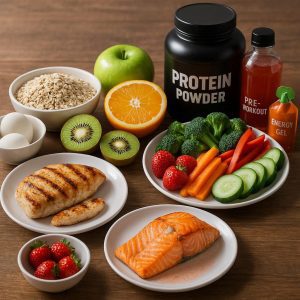
2-Over-Reliance on Supplements
Protein powders, pre-workout drinks, and energy gels are everywhere. While they can be helpful, many athletes rely too heavily on supplements instead of real food. Supplements should support your diet, not replace it.
Better approach:
Prioritize whole foods—lean meats, fish, eggs, whole grains, fruits, and vegetables. Use supplements only when your diet can’t meet your needs, and always consult a professional before adding them.
3-Not Eating Enough Carbohydrates
Low-carb diets might be trending, but for athletes, carbs are not the enemy—they’re the fuel. Restricting them too much can cause sluggish workouts, slow recovery, and even increase the risk of injury.
Better approach:
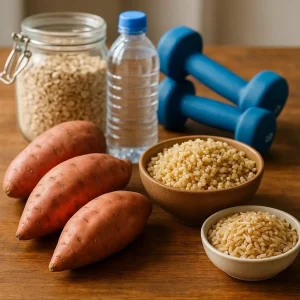
Choose complex carbs like sweet potatoes, quinoa, oats, and brown rice. Time your carb intake around workouts for maximum energy and recovery benefits.
4-Ignoring Hydration
Dehydration is one of the fastest ways to impair performance. Even a 2% drop in body fluids can cause fatigue, dizziness, and slower reaction times.
Better approach:
Drink water consistently throughout the day, not just during exercise. For workouts longer than 60 minutes, consider electrolyte drinks to replace sodium and potassium lost in sweat.

5-Post-Workout Neglect
After training, your muscles are like sponges, ready to absorb nutrients for repair. Skipping post-workout meals means you miss the chance to speed up recovery and build strength.
Better approach:
Within 30–60 minutes after exercise, refuel with a mix of carbs and protein (like a chicken wrap, Greek yogurt with fruit, or a smoothie with whey protein and oats).
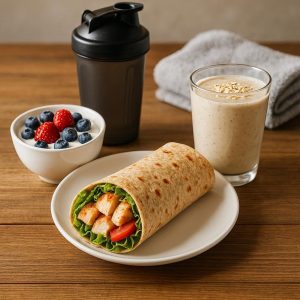
6-Eating Too Little or Too Much
Both under-fueling and overeating can hold athletes back. Eating too little may lead to muscle loss, fatigue, and slower progress. On the other hand, overeating—even healthy food—can add unnecessary weight that impacts performance.
Better approach:
Find your balance. Track your energy needs based on activity level, and adjust portion sizes accordingly.

7-Overdoing Processed “Health Foods”
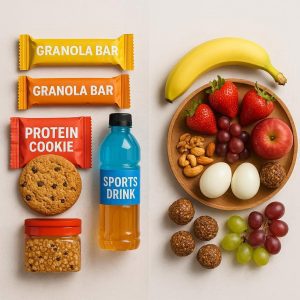
Granola bars, protein cookies, and “sports” drinks often contain hidden sugars, additives, and unhealthy fats. Relying too much on packaged options can undermine your health goals.
Better approach:
Focus on natural foods. Fruits, nuts, boiled eggs, or homemade energy bites are great portable snacks without the junk.
8-Forgetting About Micronutrients
It’s easy to focus on carbs, protein, and fats while overlooking vitamins and minerals. Deficiencies in iron, magnesium, or vitamin D can limit energy, recovery, and immunity.
Better approach:
Eat a variety of colorful vegetables and fruits daily. If you suspect a deficiency, get tested and consider supplementation under medical guidance.

9-Copying Other Athletes’ Diets
What works for one person may not work for another. Copying a famous athlete’s diet without considering your body, goals, and activity level can lead to poor results.
Better approach:
Personalize your nutrition. Pay attention to how your body responds, and if possible, work with a sports nutritionist to tailor a plan to your needs.
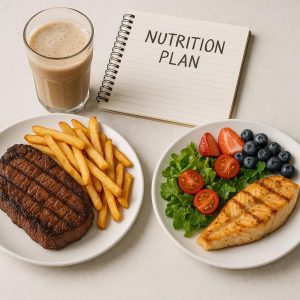
Sports nutrition isn’t about perfection—it’s about consistency and smart choices. By avoiding these common mistakes, you’ll boost your energy, enhance recovery, and perform at your best.
Small steps matter: drink water before you’re thirsty, prep balanced snacks in advance, and fuel your workouts instead of skipping meals.
For more expert guidance, practical meal ideas, and performance strategies, check out Nutrition Travels—your trusted source for eating smarter, training stronger, and living healthier every day. Start making better choices today and take your athletic journey to the next level!