

For many people, coffee is not just a drink — it’s the start of the day, a focus break, or even a comforting ritual , But the problem begins when reliance on coffee turns into coffee dependence, making the day feel impossible without it, while headaches, fatigue, and irritability appear as soon as the usual dose is delayed.
Breaking coffee dependence does not mean giving up coffee forever. It means regaining control over your relationship with caffeine, instead of letting it control your energy and mood.
What Is Coffee Dependence, Really?
Coffee dependence is linked to caffeine, a stimulant that directly affects the nervous system.
With regular daily use, the body begins to adapt and requires higher amounts to achieve the same effect.
Signs of coffee dependence may include:
- Headaches when you miss a cup of coffee
- Extreme fatigue or sluggishness without caffeine
- Irritability or mood swings
- Difficulty concentrating before drinking coffee
- Relying on coffee instead of sleep or proper nutrition
These signs do not indicate weak willpower — they reflect a natural biological response. Understanding this is important before starting the journey of reducing coffee dependence.
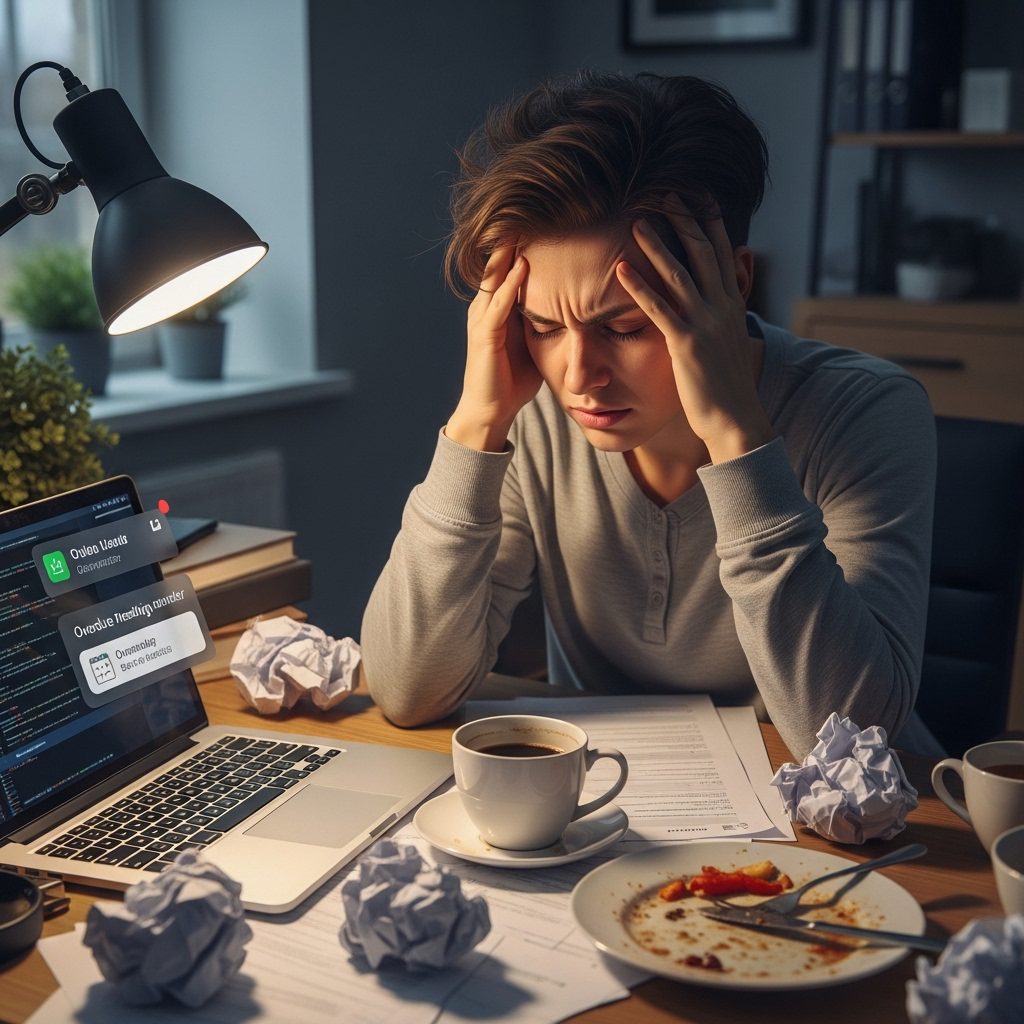
Why Does Reducing Coffee Cause Headaches?
Headaches are the most common symptom that makes people give up on reducing coffee.
The reason is simple: caffeine constricts blood vessels in the brain. When caffeine intake suddenly stops, the blood vessels expand again, which can trigger headaches.
For this reason, quitting suddenly is the worst way to deal with coffee dependence.
According to the Centers for Disease Control and Prevention (CDC), gradually reducing caffeine helps minimize withdrawal symptoms such as headaches and fatigue.
Coffee Dependence : The Common Mistake Quitting Suddenly
Many people decide abruptly:
“Starting tomorrow — no coffee!”
The result is often:
- Strong headaches
- Constant drowsiness
- Poor concentration
- Bad mood
This usually leads people back to coffee quickly, making them feel like they failed.
But the issue isn’t the decision — it’s the method.
The Safe Way to Reduce Coffee Dependence
Successfully breaking coffee dependence depends on gradual reduction, not deprivation.

First steps include:
- Reducing the amount gradually (for example, half a cup less every 2–3 days)
- Delaying the first cup of coffee in the morning
- Avoiding coffee on an empty stomach
- Replacing coffee with lower-caffeine drinks
These simple steps reduce the shock to the nervous system.
Are All Types of Coffee the Same?
No. Caffeine levels vary significantly:
- Strong black coffee contains higher caffeine
- Espresso is concentrated but served in smaller amounts
- Instant coffee often contains less caffeine
- Tea contains less caffeine than coffee
- Decaffeinated coffee is not 100% caffeine-free, but much lower
Understanding these differences helps you reduce caffeine without feeling deprived.
Coffee Dependence Isn’t Always the Only Issue
Sometimes coffee is just covering a deeper problem, such as:
- Lack of sleep
- Ongoing stress
- Iron or magnesium deficiency
- Irregular meals
If these causes are not addressed, coffee dependence may persist even if you change what you drink.

Smart Alternatives to Coffee That Ease Withdrawal
Reducing coffee dependence doesn’t mean switching to a “weaker” drink, but to beverages that support energy more gently:
Green tea
Contains less caffeine and includes L-theanine, which supports focus without tension.
Herbal tea (chamomile, mint, ginger)
Doesn’t provide direct energy but helps reduce stress often mistaken for fatigue.
Decaffeinated coffee
A great transitional option that preserves the ritual without high caffeine intake.
Water with a pinch of natural salt or lemon
Dehydration increases fatigue, and many people confuse thirst with needing coffee.
These alternatives help reduce withdrawal symptoms, especially during the first week.
How to Boost Energy Without Caffeine
One of the biggest misconceptions is that coffee is the only source of energy.
In reality, stable energy comes from simple foundations:
- Regular sleep schedule
- Balanced breakfast (protein + healthy fats + complex carbohydrates)
- Morning light exposure
- Light movement, like a 5–10 minute walk
All of these factors gradually reduce caffeine dependence and support natural energy levels.

A Simple Two-Week Plan to Reduce Coffee
Instead of drastic decisions, try a flexible plan:
Days 1–3 :
- Reduce one-quarter of your usual amount
- Drink coffee after eating, not on an empty stomach
4–7 :
- Replace one cup with decaf coffee or green tea
- Increase water intake
8–14 :
- Limit coffee to once per day
- Notice improvements in headaches and sleep
Most people notice coffee withdrawal symptoms improving significantly after the first week.
When Is Headache Normal — and When Is It Not?
Mild headaches during the first days of reducing coffee are normal and temporary.
However, if:
- Headaches last more than 7–10 days
- They are very severe
- They are accompanied by strong dizziness
It’s best to consult a doctor, as the issue may not be caffeine alone.
According to the National Institutes of Health (NIH), caffeine withdrawal is usually temporary, though its severity varies depending on dosage and individual health factors.

Can You Drink Coffee Without Becoming Dependent?
Yes — simply by following these habits:
- Don’t drink coffee to compensate for lack of sleep
- Don’t rely on it to improve mood
- Make it a choice, not a necessity
Coffee itself is not the enemy — coffee dependence is the real issue.
An Important Psychological Point
Many people associate coffee with focus, productivity, or emotional comfort.
Breaking coffee dependence can sometimes be psychological before it is physical.
Ask yourself:
Do I need coffee — or do I need rest?
Breaking coffee dependence:
- Doesn’t require deprivation
- Doesn’t require suffering
- Requires awareness + gradual change + patience
Every small step that reduces caffeine dependence is a real gain for your body, sleep, and focus.
If you’d like to learn more about smart nutrition, natural energy, and building healthy habits without being hard on yourself, visit nutritiontravels and explore reliable content that helps you live healthier, step by step.