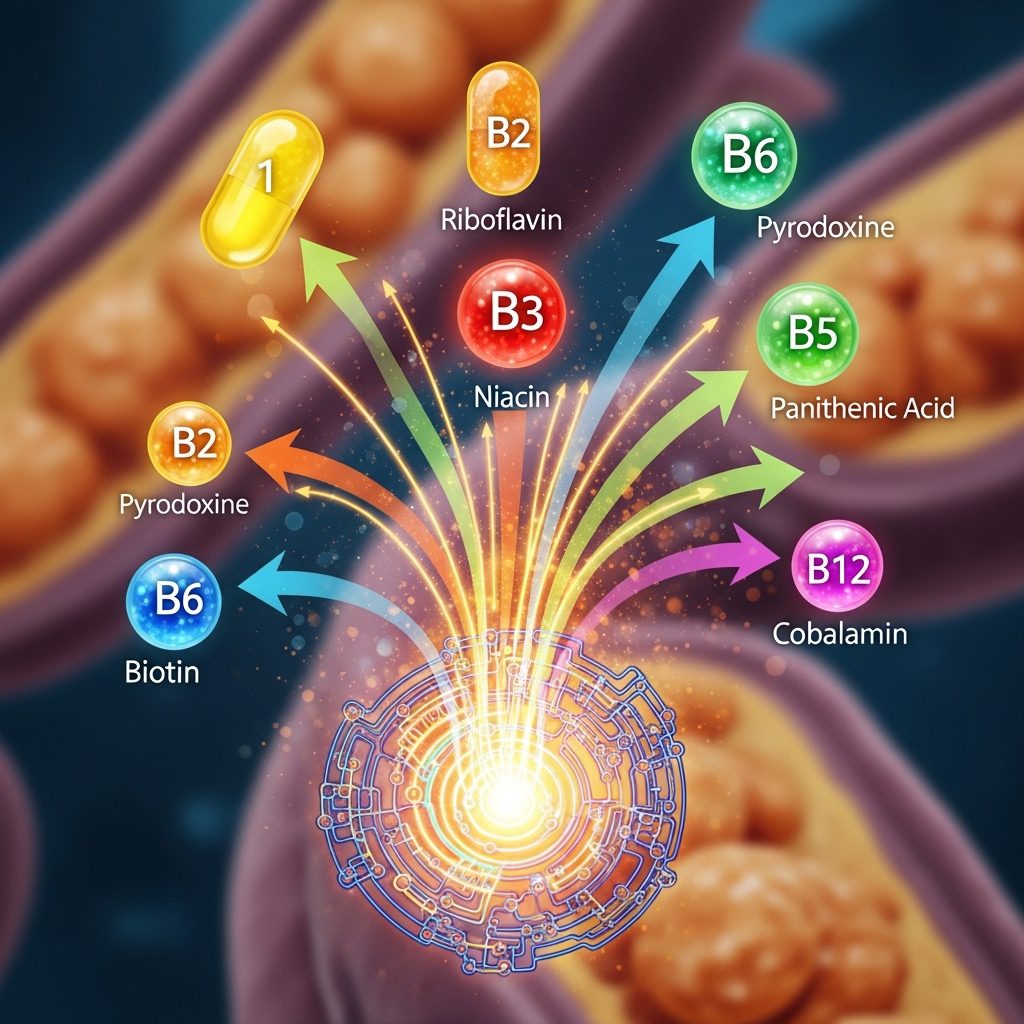

Starting a balanced diet doesn’t mean waking up tomorrow and cutting out everything you love. It doesn’t mean starving, counting every calorie, or living on salads forever. In fact, the biggest mistake beginners make is thinking that healthy eating has to be extreme. The truth is much simpler—and far more sustainable.
A balanced diet is about adding nourishment, not punishment. It’s about learning how to fuel your body so you feel energized, focused, and satisfied instead of tired, bloated, or constantly hungry. Once you understand the basics, healthy eating stops feeling complicated and starts feeling natural.
Let’s break it down step by step—in a way that actually works for real life.

What Does a Balanced Diet Really Mean?
At its core, a balanced diet means giving your body what it needs—in the right proportions. According to trusted sources like the World Health Organization and Mayo Clinic, your daily meals should include a variety of whole foods:
- Fruits and vegetables
- Whole grains
- Lean proteins
- Healthy fats
- Plenty of water
Each of these plays a different role. Carbohydrates give you energy, proteins help build and repair tissues, fats support brain and hormone health, and fruits and vegetables supply vitamins, minerals, and fiber that keep everything running smoothly.
Balance doesn’t mean perfection. It means variety, moderation, and consistency.
The Power of Whole Foods
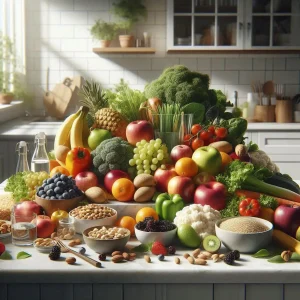
One of the easiest ways to improve your diet—without overthinking it—is to focus on whole foods. These are foods that are close to their natural form: vegetables, fruits, legumes, whole grains, eggs, fish, nuts, and seeds.
Whole foods are rich in fiber, which helps digestion, keeps you full longer, and stabilizes blood sugar levels. They also naturally crowd out ultra-processed foods that are often loaded with added sugars, unhealthy fats, and excess salt.
You don’t have to eliminate processed foods completely. Just make them the exception, not the foundation.

Build Every Meal Around the “Healthy Plate” Rule
If nutrition feels overwhelming, this one rule can change everything.
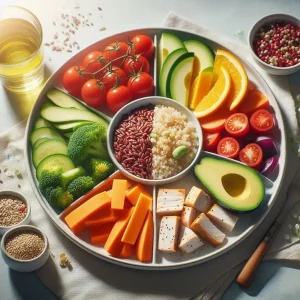
Imagine your plate divided into sections:
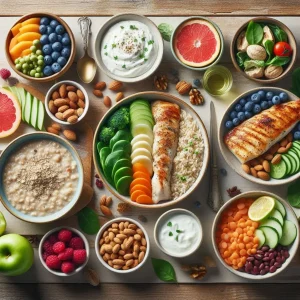
- Half the plate: colorful vegetables and fruits
- One quarter: whole grains like brown rice, oats, quinoa, or whole wheat bread
- One quarter: lean protein such as chicken, fish, eggs, legumes, or tofu
Add a small amount of healthy fat—like olive oil, avocado, or nuts—and you’ve built a balanced meal without counting a single calorie.
This method works because it naturally controls portions, boosts fiber intake, and ensures your body gets all essential nutrients.
Don’t Fear Carbs or Fats—Choose Them Wisely
Many beginners fall into the trap of cutting carbs or avoiding fats altogether. But your body needs both.
The key is quality.
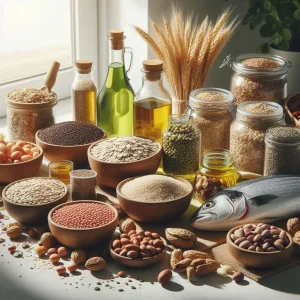
Choose complex carbohydrates such as oats, brown rice, whole grains, lentils, and beans. These provide steady energy and prevent energy crashes.
For fats, focus on unsaturated sources like olive oil, nuts, seeds, and fatty fish. These support heart health and help you absorb fat-soluble vitamins.
What to limit? Refined carbs, fried foods, and trans fats found in heavily processed snacks.
Hydration: The Most Underrated Habit
Before changing your food, look at your water intake.
Many people confuse thirst with hunger, leading to unnecessary snacking. Drinking enough water improves digestion, concentration, energy levels, and even appetite control.
Aim for 6–8 glasses a day or more, depending on your activity level. Make water your default drink, and limit sugary beverages as much as possible.

Why Breakfast Still Matters
Skipping breakfast may seem harmless, but for many people, it leads to intense hunger later in the day and poor food choices.
A balanced breakfast kickstarts your metabolism and provides steady energy. It doesn’t have to be fancy—just balanced.
Examples:
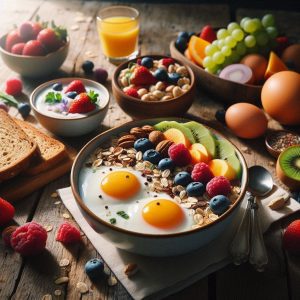
- Oats with fruit and nuts
- Eggs with whole-grain bread and vegetables
- Yogurt with fruit and seeds
The goal is to combine protein, fiber, and healthy fats to keep you full and focused.
Eat Slowly, Eat Mindfully
Healthy eating isn’t just about what you eat—it’s also about how you eat.
Eating too fast doesn’t give your brain enough time to recognize fullness. Chewing slowly, putting your fork down between bites, and truly tasting your food can reduce overeating and improve digestion.
Give your body about 20 minutes to register satiety. This simple habit alone can transform your relationship with food.

Start Small to Succeed Long-Term
The biggest reason diets fail is trying to change everything at once.
Instead of removing foods, add better ones:
- Add vegetables to one meal per day
- Replace sugary drinks with water
- Swap white bread for whole grain
- Cook one meal at home instead of ordering out
Small changes feel manageable—and manageable habits last.

Common Beginner Mistakes to Avoid
Many beginners unknowingly sabotage their progress. Watch out for these:
- Skipping meals, especially breakfast
- Overeating “healthy” foods like nuts or oils
- Relying on juices instead of whole fruits
- Avoiding carbs completely
- Expecting instant results
Healthy eating is not a race. It’s a lifestyle you build gradually.

Sample Day of Balanced Eating
Breakfast:
Oatmeal with fruit and a handful of nuts
Snack:
Greek yogurt or a piece of fruit
Lunch:
Grilled chicken, brown rice, and a large green salad
Snack:
Raw vegetables or a small handful of nuts
Dinner:
Baked fish or lentils with steamed vegetables
Simple, realistic, and nourishing.
Final Thoughts: Your Journey Starts Today
Starting a balanced diet isn’t about becoming perfect. It’s about becoming consistent. Every healthy choice—even a small one—moves you closer to better energy, stronger immunity, and a healthier relationship with food.
If you’re ready to take the next step and learn more about practical nutrition, healthy habits, and sustainable wellness, explore more expert-backed content on Nutrition Travels.
Your healthier lifestyle doesn’t start “someday”—it starts with your very next meal.