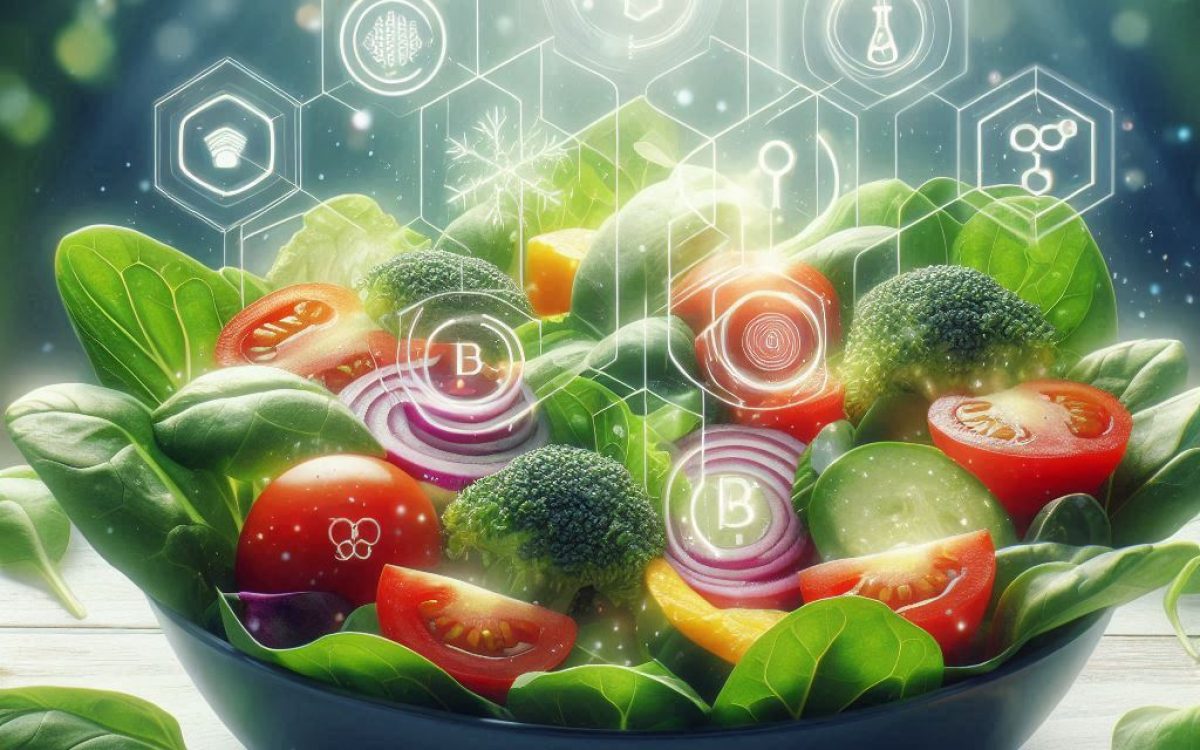
Anti-nutrients explained, when we talk about healthy eating, lectins and oxalates often appear as “enemies” in the food world. This idea shows up frequently in discussions about fresh vegetables and colorful salads. Many people wonder if their favorite salad could actually cause harm. Others question whether certain vegetables should be avoided because of these compounds.
In this article, we will try to provide a clear and realistic picture of these anti-nutrients, focusing on scientific evidence, and explore how to manage them in a balanced way without excessive worry.

What Are Anti-Nutrients?
Anti-nutrients are natural substances found in both plant and animal foods. Their name comes from how they act in the body after consumption. These compounds can interfere with the absorption of some nutrients in the intestines. Because of this interaction, the body may receive slightly fewer nutrients from certain foods.
Some of the most common types of anti-nutrients include:
- Lectins: These are found in some whole grains, legumes like soybeans, beans, and peanuts, as well as in some nuts and seeds.
- Oxalates: These are found in coffee, certain types of tea, and leafy green vegetables. Other foods high in oxalates include potatoes, beans, and beets.
Lectins: Friend or Foe?
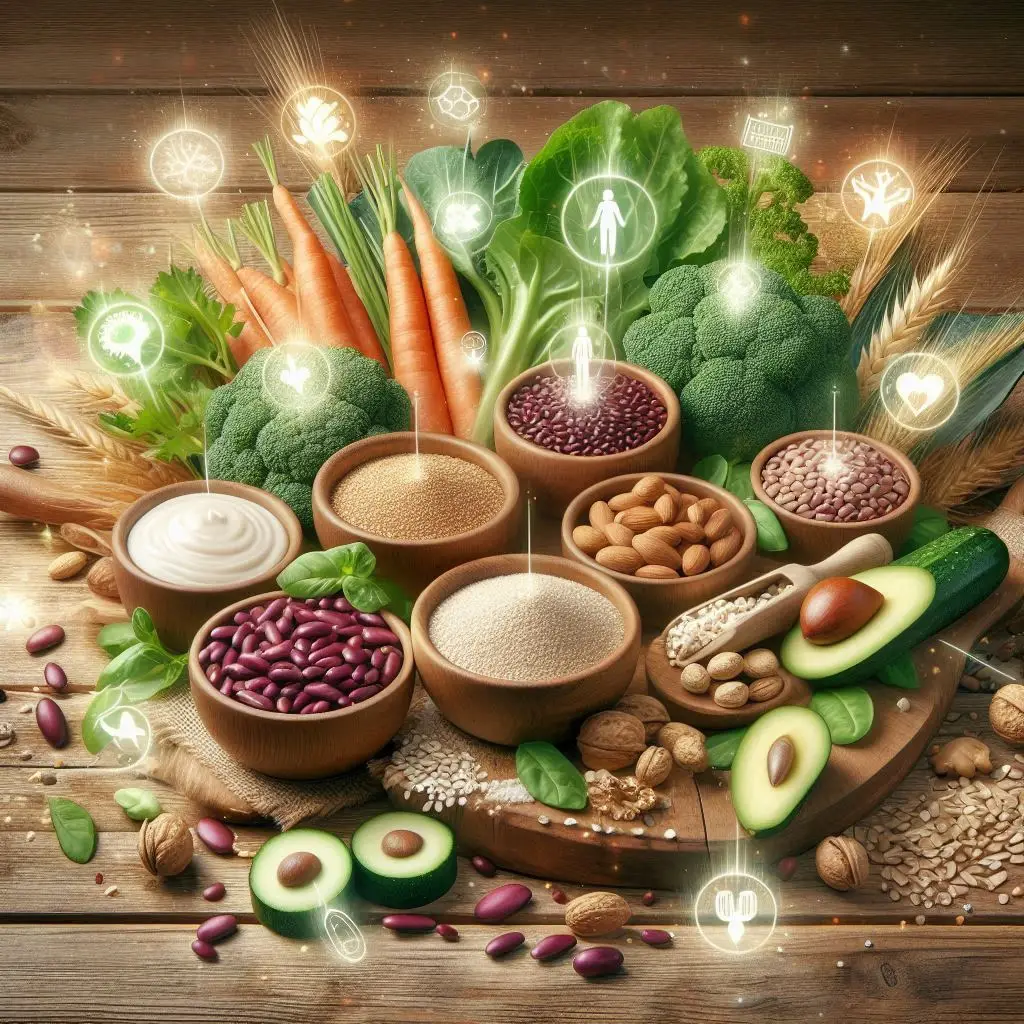
Lectins are natural proteins found in a variety of foods. They can bind to sugars on the surface of body cells, and studies have shown that they may cause some digestive irritation or reduce the absorption of certain minerals when consumed in large amounts and raw. However, it is important to note that:
- Cooking greatly reduces their effect: Most lectins in beans and lentils are destroyed with proper cooking, making the food completely safe.
- Quantity matters: Consuming small amounts of raw vegetables that contain lectins does not cause problems for most healthy individuals.
- Dietary variety reduces concern: Eating a variety of fruits and vegetables lessens any potential lectin effects, as the body receives minerals and vitamins from multiple sources.
Oxalates: When Do They Become a Problem?
Oxalates, or oxalic acid, are natural organic compounds found in most foods and beverages, especially plant foods and leafy greens, while animal foods contain only small amounts. Oxalates are also present in the human body at varying concentrations, with most produced naturally, while the rest comes from foods containing oxalates. Additionally, vitamin C in foods can convert to oxalates in the digestive system.
However, there are key points to consider:
- Not harmful to everyone: Most people are not significantly affected by oxalates.
- Balanced diet matters: Eating foods rich in calcium, like milk or yogurt, along with oxalate-rich foods can reduce any harmful absorption.
- Variety reduces risks: Avoiding reliance on a single oxalate-rich food all the time helps prevent accumulation.
Recent research indicates that focusing on oxalates in salads is often exaggerated, especially if the diet is balanced and contains a variety of mineral sources.
Do Anti-Nutrients Have Benefits?
Interestingly, anti-nutrients are not all “bad”. Some lectins and oxalates may even offer health benefits, such as:
- Lectins: Some studies suggest they may help regulate immune responses and reduce the risk of certain types of cancer when consumed in natural amounts.
- Oxalates: They act as partial antioxidants, contributing to protection against inflammation.
Looking at current scientific evidence, concern about lectins and oxalates often seems exaggerated. Healthy people who follow a varied and balanced diet usually do not face serious issues from these compounds.
Daily salads that include both raw and cooked vegetables offer strong health benefits. They supply fiber, vitamins, minerals, and antioxidants. These advantages clearly outweigh the possible effects of anti-nutrients.
More accurate and evidence-based information about nutrition and anti-nutrients is available on our website Nutrition Travels.