As we age, the body naturally begins to change. Skin gradually loses elasticity, energy levels may decline, and muscles require greater support. This is where anti-aging nutrition plays a vital role that can’t be ignored.
The goal isn’t to stop time—but to support the body in aging more healthily, with fewer negative effects along the way.
Anti-aging nutrition doesn’t mean following a strict diet or eating exotic foods. It’s about choosing real, nourishing foods that help cells resist damage and support essential body functions day after day.
Why Does Food Affect Aging?
Aging is closely linked to three main factors:
- Chronic inflammation
- Oxidative stress (cell damage caused by free radicals)
- Reduced cell regeneration
What we eat daily can:
- Reduce inflammation
- Support collagen production
- Protect cells from damage
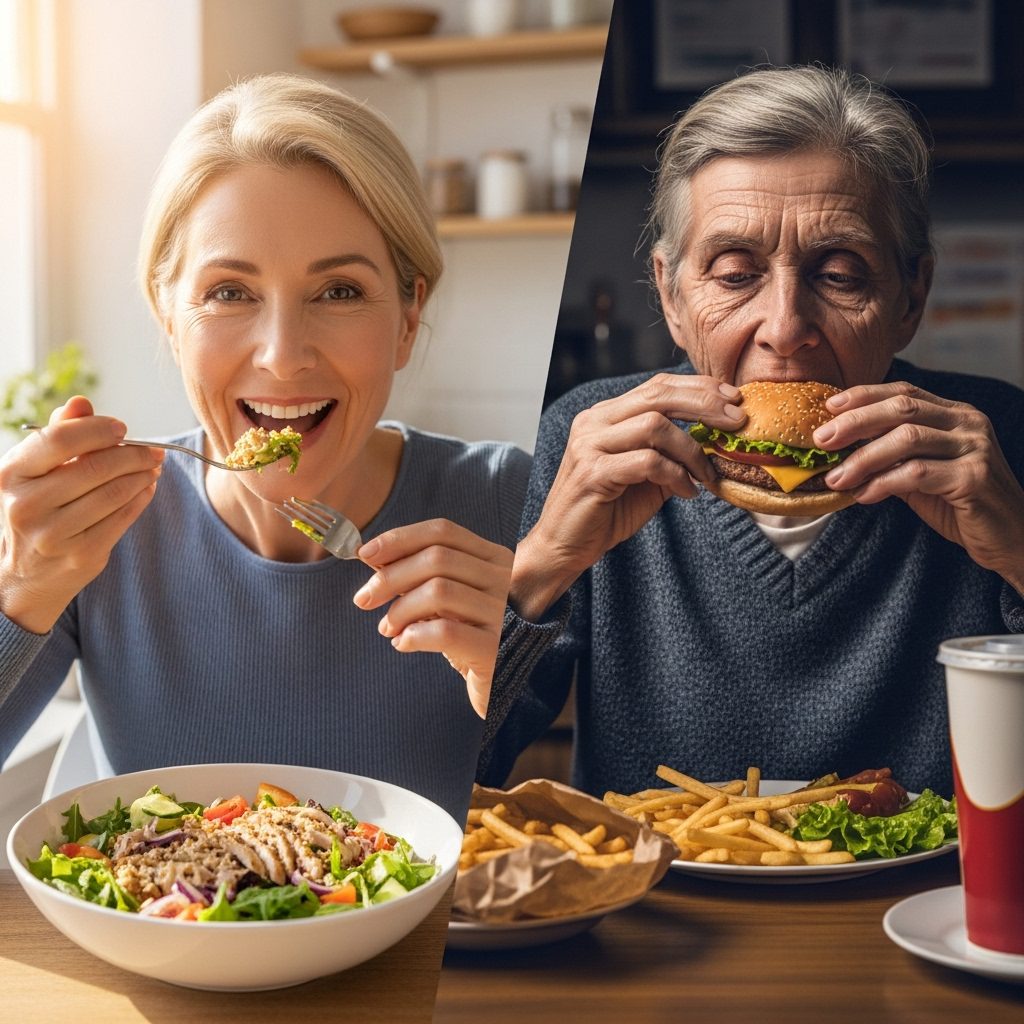
That’s why focuses on foods rich in antioxidants, vitamins, and healthy fats.
Antioxidants: The First Line of Defense Against Aging
Antioxidants are a cornerstone of any anti-aging nutrition plan.
Their primary role is to protect cells from damage that accelerates visible and internal signs of aging.
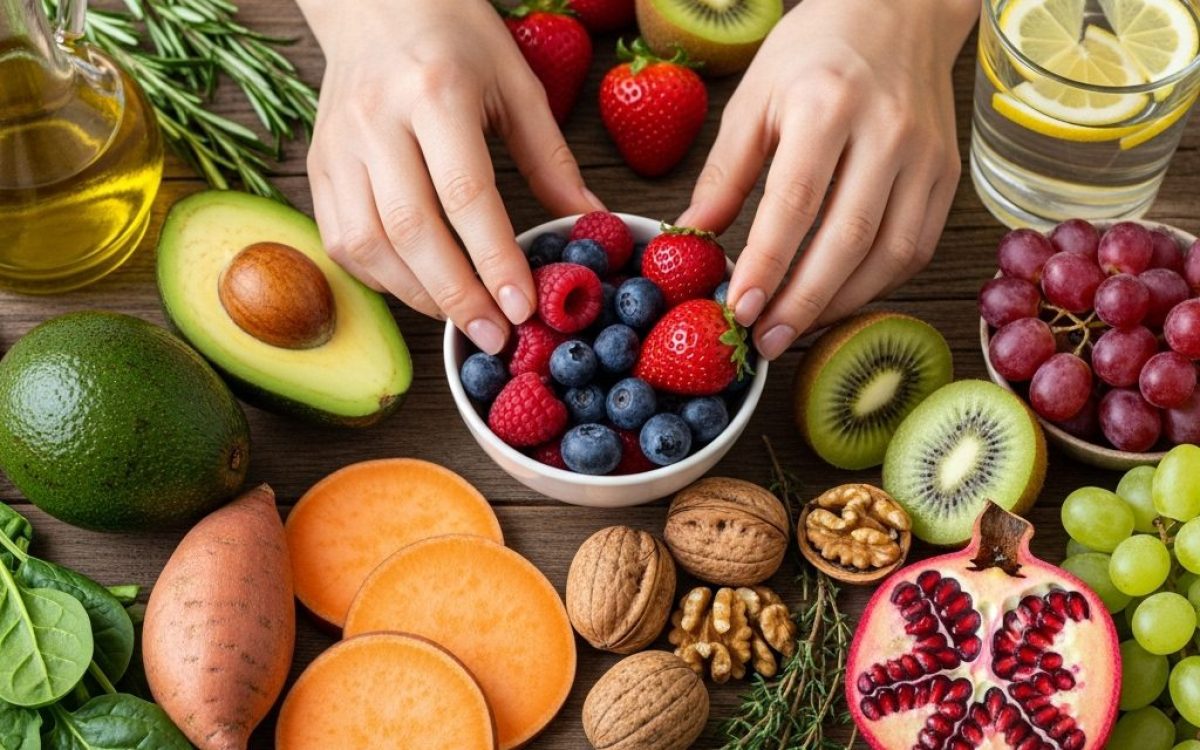
Top antioxidant-rich foods include:
- All types of berries
- Pomegranate
- Red grapes
- Dark leafy greens
Anti-Aging Nutrition : These foods help
- Protect skin cells
- Support heart health
- Maintain brain function as we age

Healthy Fats and Their Role in Youthful Skin
The skin needs healthy fats more than we often realize.
In anti-aging nutrition, unsaturated fats play a key role in maintaining skin elasticity and reducing dryness.
Best anti-aging fat sources:
- Extra virgin olive oil
- Avocado
- Nuts
- Fatty fish such as salmon and sardines
These fats:
- Reduce inflammation
- Support collagen production
- Maintain the skin’s natural protective barrier
Anti-Aging Nutrition : Protein and Cell Renewal
With age, the body’s ability to build muscle and regenerate cells declines.
Protein is essential in anti-aging nutrition because it:
- Supports skin tissue renewal
- Preserves muscle mass
- Aids cellular repair
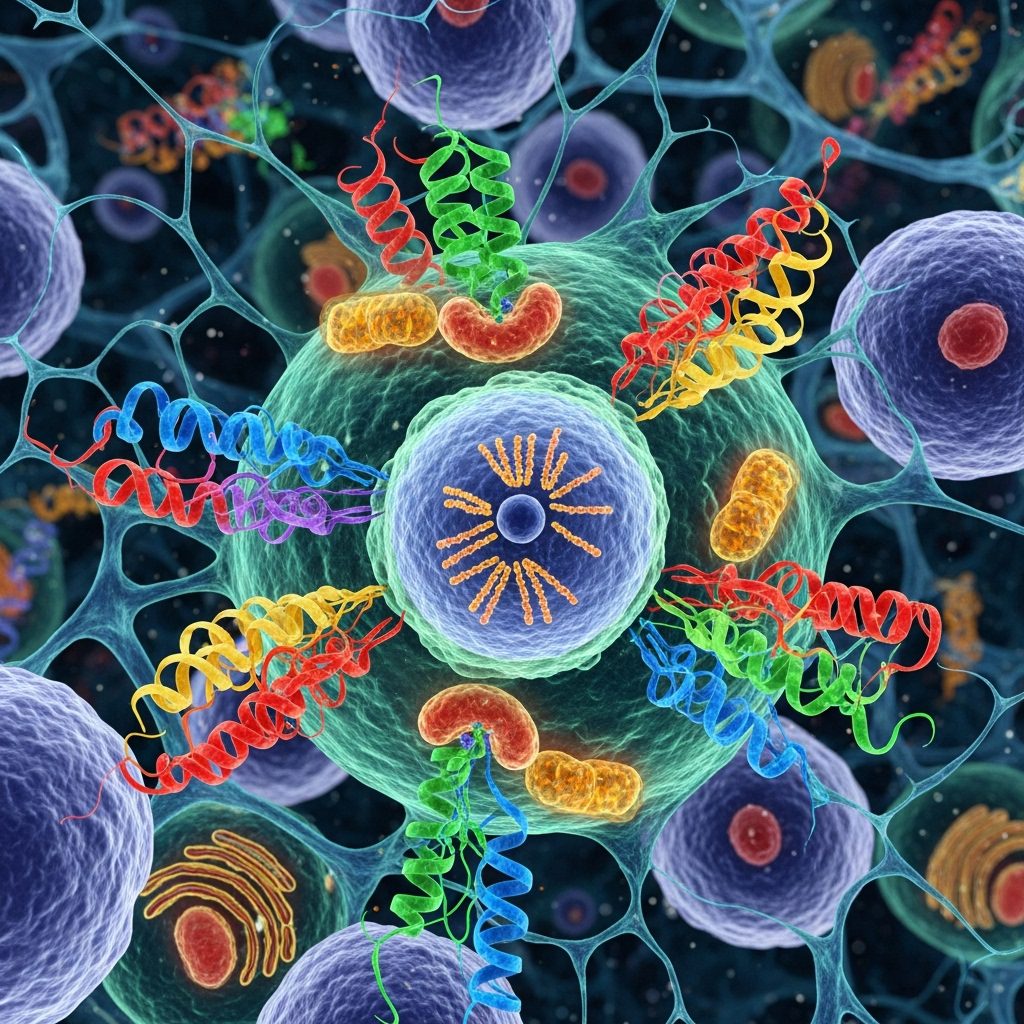
Good protein sources include:
- Eggs
- Legumes
- Fish
- Natural yogurt
Added Sugar: The Silent Enemy of Youth
Excess sugar doesn’t just affect weight—it accelerates aging from the inside.
High sugar intake contributes to a process called glycation, which damages collagen and elastin in the skin.
Reducing added sugars is a core principle of anti-aging nutrition. Replacing them with natural fruits provides sweetness along with valuable nutrients—without the harm.
Best Foods for Maintaining Youthful Skin :
Colorful Vegetables
Brightly colored vegetables like carrots, red peppers, and sweet potatoes are rich in beta-carotene, which the body converts into vitamin A.
Vitamin A:
- Supports skin cell regeneration
- Reduces dullness
- Enhances a healthy skin appearance with age
Including these vegetables regularly has a visible impact on skin vitality.

Vitamin C–Rich Fruits
Vitamin C is essential for collagen production. Without it, skin loses firmness more quickly.
Top sources include:
- Oranges
- Kiwi
- Strawberries
- Guava
These fruits not only support skin health but also boost immunity and reduce inflammation—key elements of balanced nutrition.
Anti-Aging Nutrition: Gut Health and Its Connection to Aging
It may not seem obvious, but gut health has a powerful influence on aging.
An imbalance in beneficial gut bacteria can increase inflammation and negatively affect skin, energy levels, and mood.
In an anti-aging nutrition plan:
- Natural yogurt
- Kefir
- Fermented foods
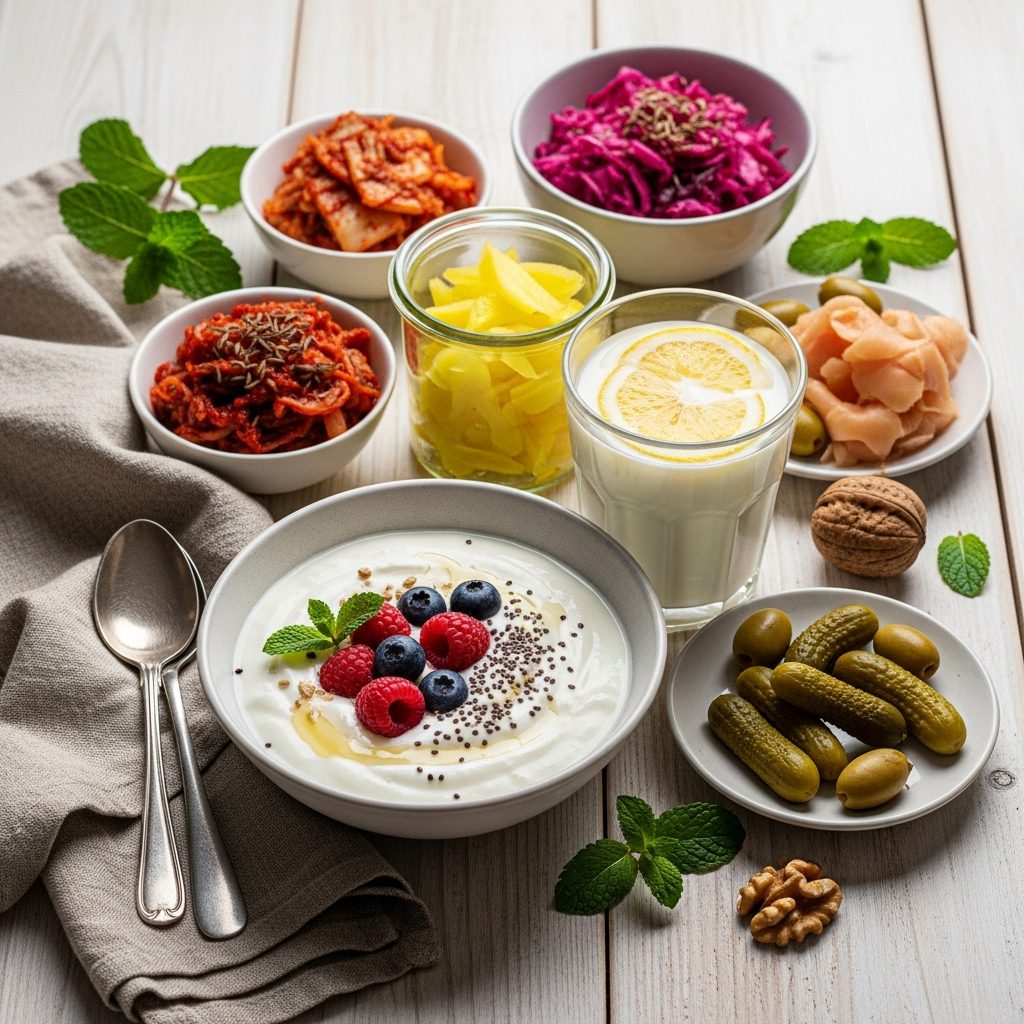
Help:
- Improve nutrient absorption
- Reduce chronic inflammation
- Support skin health from within
Hydration: Just as Important as Food
Even the best diet won’t deliver results without proper hydration.
Water:
- Maintains skin elasticity
- Supports kidney and liver function
- Helps the body eliminate toxins
Hydration is a fundamental part of anti-aging nutrition—not a minor detail.
Eating Habits That Slow Aging
Food quality matters, but so does how you eat.
Youth-supporting habits include:
- Eating slowly to improve digestion
- Distributing protein across meals
- Reducing processed foods
- Maintaining regular sleep schedules

These habits enhance the body’s ability to benefit from anti-aging nutrition.
Anti-Aging Nutrition : Are Supplements Necessary?
In most cases, essential nutrients can be obtained from real food.
However, at certain life stages, supplements may be helpful under professional guidance—especially:
- Vitamin D
- Omega-3
- Vitamin B12
Food should always remain the foundation, as anti-aging nutrition begins in the kitchen—not in a pill bottle.
Aging Is Natural—How You Nourish Yourself Shapes the Experience
Aging is a natural part of life, but how we nourish our bodies determines how we experience it.
Anti-aging isn’t a miracle solution—it’s a long-term journey built on smart daily choices that support skin health, energy, and overall well-being.
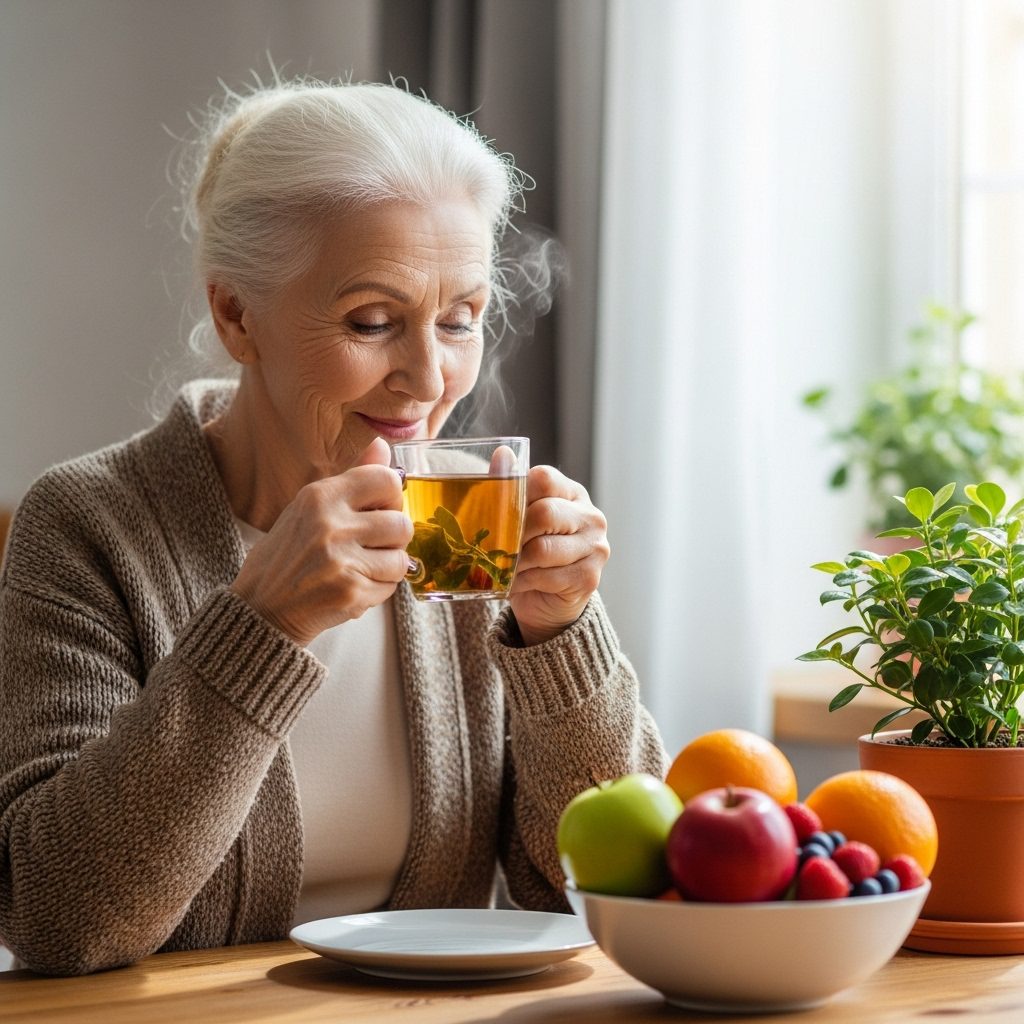
Start with simple steps:
- Add more real foods
- Reduce sugar and processed products
- Support gut health
- Stay consistently hydrated
If you’d like to explore skin health, and science-based eating habits in more depth, visit nutritiontravels where you’ll find practical, reliable, and easy-to-apply content for everyday life