

In a world where psychological stress has become a part of daily life, there is a growing interest in natural solutions that support the body’s ability to adapt rather than just addressing the symptoms. Here comes the concept of adaptogens, an ancient idea from herbal medicine that has made a strong comeback in modern nutrition and functional health.
People interested in nutrition understand that stress is not just a fleeting psychological state, but a biological factor that affects hormones, immunity, gut health, sleep quality, and even body composition. Therefore, seeking nutritional or plant-based elements that help the body regulate its response to stress is a logical step in the path of comprehensive health care.
Among the most well-known adaptogens that attract the attention of researchers and nutrition experts are Ashwagandha and Holy Basil (Tulsi).

What Are Adaptogens?
Adaptogens are herbs and plants that help the body cope with physical, emotional, or environmental stress. Unlike stimulants or sedatives, they support the body’s natural response to stress, enhancing balance and resilience.
Imagine your body as a finely tuned machine. When facing stress, this system needs to adapt and respond appropriately. Adaptogens act as gentle guides, helping your body overcome challenges smoothly and efficiently. They do not force your body into a fixed state but enable it to find its own balance.

What is Ashwagandha?
Ashwagandha is classified as an adaptogen, meaning it helps the body adapt to stress and strain. Its roots, and sometimes leaves, are used to prepare herbal supplements.
Ashwagandha and Cortisol:
Cortisol is the primary stress hormone. When stress is prolonged, cortisol levels remain high, which may be associated with:
- Anxiety and insomnia
- Weight gain
- Slower recovery after exercise
Multiple studies suggest that Ashwagandha may help regulate cortisol levels, which translates into a greater sense of calm and reduced stress. For those interested in nutrition and fitness, this means a more balanced hormonal environment that supports:
- Reduced anxiety and stress
- Improved mood and mental clarity
- Better sleep quality
- Support during physical exertion

Ashwagandha and Energy:
Ashwagandha may help alleviate chronic stress or daytime fatigue. Research shows it can increase endurance, reduce feelings of tiredness, and decrease lethargy, resulting in higher energy and vitality. This is why some athletes turn to it.
Sleep and Recovery Support:
Taking Ashwagandha supplements may aid sleep and reduce insomnia. Recent studies suggest that regular intake can improve sleep duration and quality, as well as reduce nighttime awakenings, especially for those experiencing stress-related insomnia. It is believed that Ashwagandha helps regulate the body’s biological clock and promotes deep sleep.

Holy Basil and the Nervous System:
Holy Basil, known for its adaptogenic and anti-inflammatory properties, is a common herb in Ayurvedic medicine. It helps relieve stress, improves mood, and supports the immune system.
Holy Basil and the Nervous System:
Stress does not only manifest as anxiety but can also appear as:
- Mental distraction
- Mood swings
- Mental fatigue
- Difficulty focusing
Holy Basil is linked to supporting nervous system balance, which can lead to:
- A greater sense of calm
- Improved mental clarity
- Better coping with daily pressures
This is particularly valuable for those working in intense mental environments or leading fast-paced lifestyles.
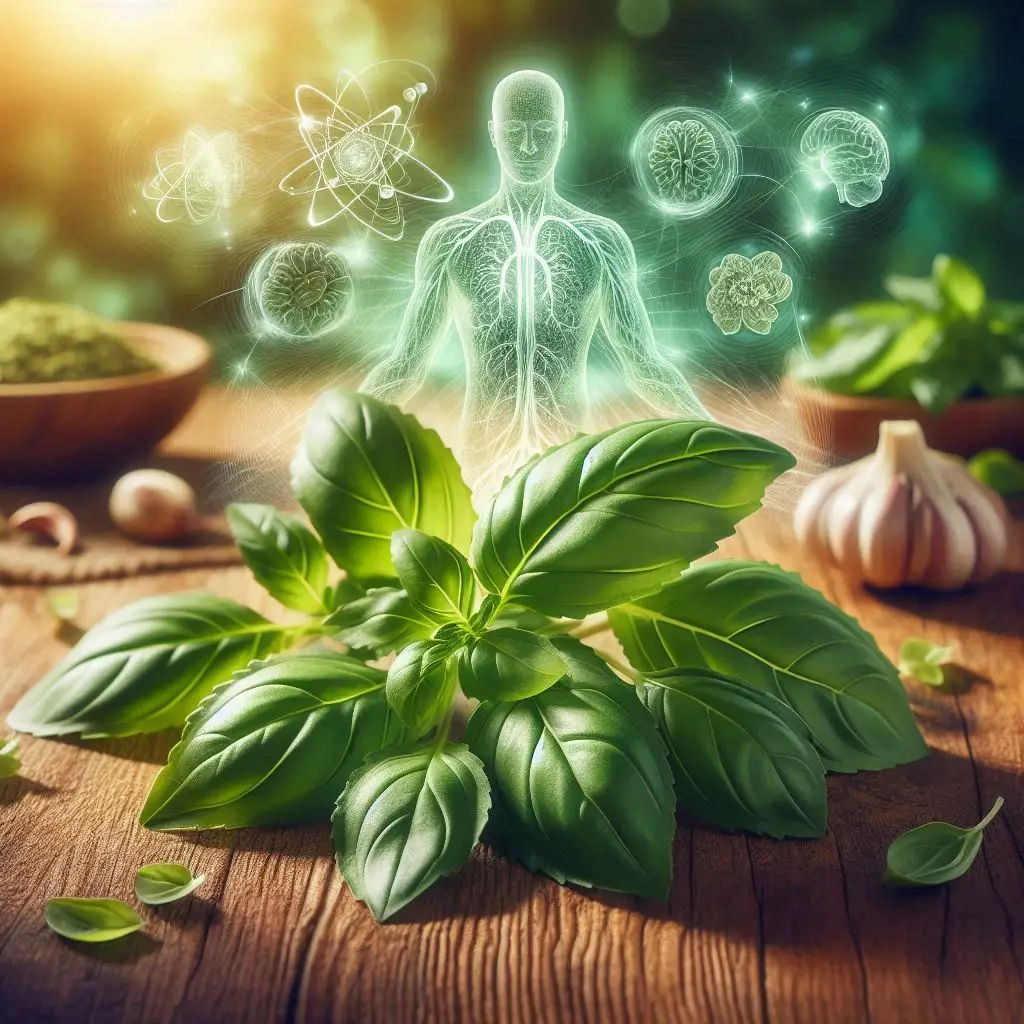
Immune Support During Stress:
Holy Basil contains antioxidants and compounds that may support the immune response. In the context of nutrition, it is seen as part of a supportive lifestyle that includes:
- Nutrient-rich foods
- Adequate sleep
- Stress management
Its role is not isolated but part of an integrated system.

Ashwagandha and Holy Basil represent a clear example of how medicinal plants can meet modern nutrition science. Instead of treating stress as an enemy to be ignored, it is viewed as a factor that requires smart management.
For nutrition enthusiasts, these herbs open the door to a deeper understanding of health.
Here, the true value of adaptogens emerges — acting as a bridge between nutrition, the nervous system, and hormones — in a world where stress is increasing day by day. At Nutrition Travels, this type of information is presented in a simplified manner based on scientific understanding of nutrition, helping readers connect food with body functions more deeply and consciously.