
In today’s fast-paced world, where obesity and digestive issues are becoming increasingly common, dietary fiber stands out as one of the most powerful natural tools for maintaining both weight and gut health. Fiber doesn’t provide calories or energy like carbohydrates or fats, yet it plays a crucial role in regulating appetite, supporting digestion, and even improving overall metabolic balance. Understanding how fiber works can help you make smarter food choices that benefit your body from the inside out.

What Is Dietary Fiber?
Dietary fiber is a type of carbohydrate that the human body cannot completely digest or absorb. Instead of breaking down into glucose, fiber passes through the digestive system largely intact, performing important physiological functions along the way.
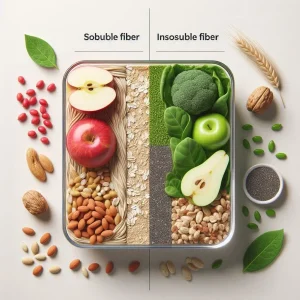
There are two main types of fiber:
- Soluble fiber: Dissolves in water to form a gel-like substance that helps lower cholesterol levels and stabilize blood sugar.
- Insoluble fiber: Adds bulk to the stool, promotes regular bowel movements, and prevents constipation.
Both types are essential for good health, and consuming a mix of the two supports not only digestion but also long-term metabolic and cardiovascular well-being.
Fiber and Weight Management
One of the most recognized benefits of fiber is its strong connection to weight management. Unlike quick-fix diets, fiber helps you lose or maintain weight naturally through several mechanisms:
1- Promotes Satiety and Reduces Overeating
Foods high in fiber take longer to chew and digest, helping you feel full for longer periods. This reduces overall calorie intake without the need to restrict portions drastically.
2- Balances Blood Sugar Levels
Soluble fiber slows the absorption of glucose, preventing sharp spikes in blood sugar. This helps control hunger hormones and reduces cravings for sugary or high-fat foods.
3- Lowers Caloric Density
High-fiber foods tend to be less energy-dense — meaning you can eat larger portions without consuming excessive calories. For example, a bowl of vegetables or beans offers volume and satisfaction with fewer calories than refined foods.
4- Boosts Metabolism
Some studies show that fiber can slightly increase the number of calories burned during digestion, a phenomenon known as the “thermic effect of food.”

Fiber and Gut Health
Beyond weight control, fiber plays an essential role in maintaining a healthy digestive system and supporting the trillions of microorganisms living in your gut.
- Regulates Bowel Movements: Insoluble fiber increases stool bulk and helps waste move through the intestines efficiently, reducing constipation and promoting regularity.
- Feeds Beneficial Gut Bacteria: Soluble fiber acts as a prebiotic — a food source for beneficial bacteria. These microbes produce short-chain fatty acids (SCFAs) that strengthen the intestinal lining, reduce inflammation, and support immune function.
- Prevents Digestive Disorders: A fiber-rich diet lowers the risk of conditions like irritable bowel syndrome (IBS), diverticulitis, and even colorectal cancer.
When your gut is balanced, your entire body benefits — from better nutrient absorption to improved mood and energy.

Top Food Sources of Fiber
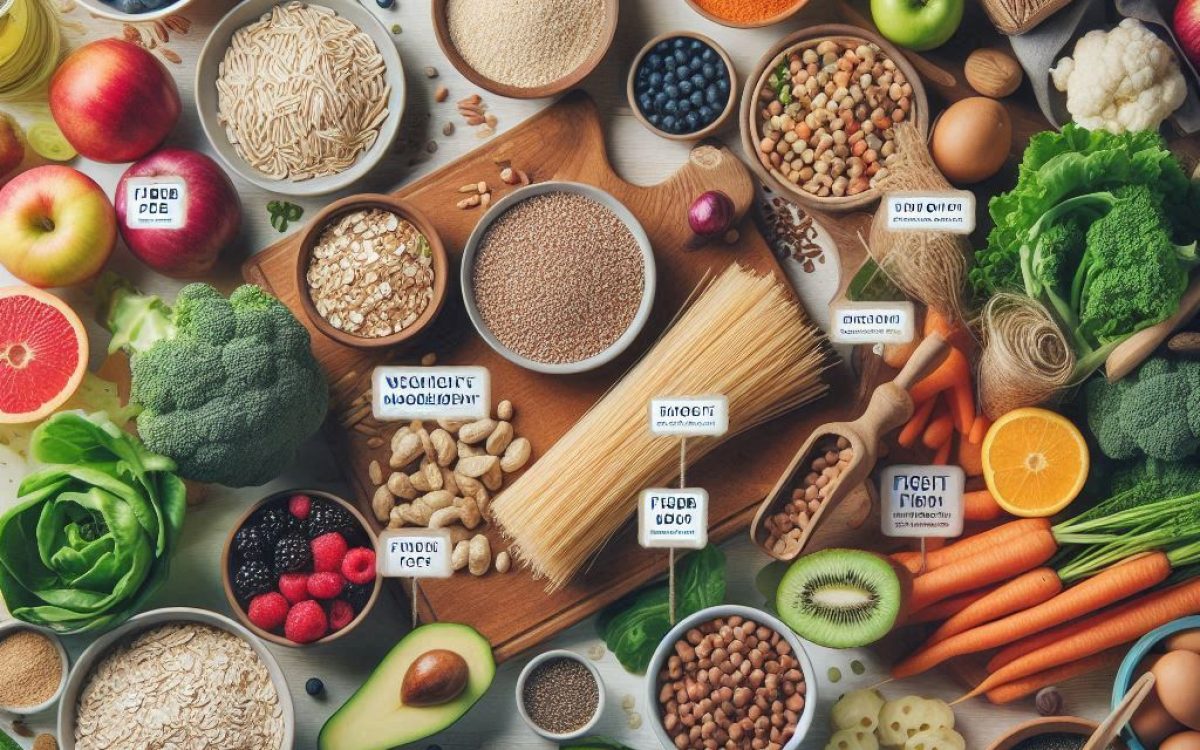
To meet the recommended daily intake — around 25 to 35 grams of fiber per day for adults — it’s important to include a wide variety of plant-based foods in your diet. Some of the best sources include:
- Fruits: Apples, pears, oranges, berries.
- Vegetables: Broccoli, carrots, spinach, zucchini.
- Whole Grains: Oats, brown rice, barley, quinoa.
- Legumes: Lentils, chickpeas, beans.
- Nuts and Seeds: Almonds, chia seeds, flaxseeds.
Combining these foods ensures a balance of soluble and insoluble fiber, maximizing their digestive and metabolic benefits.

The Gut Microbiome and Fiber’s Hidden Power
Your gut microbiome — the community of trillions of bacteria living in your digestive tract — thrives on dietary fiber. When these microbes ferment fiber, they produce short-chain fatty acids (SCFAs) such as butyrate, acetate, and propionate. These compounds nourish colon cells, reduce inflammation, and strengthen the immune system.
Research has found that people who consume a high-fiber diet tend to have a more diverse gut microbiome, which is linked to lower risks of obesity, diabetes, and chronic diseases.
Fiber and Heart Health
Fiber, especially soluble fiber, has proven benefits for heart health. It binds to cholesterol in the digestive system, helping the body eliminate excess LDL (“bad”) cholesterol. Regular intake of fiber can also help lower blood pressure, improve circulation, and reduce the risk of heart disease.
In short, eating more fiber doesn’t just help your gut — it supports your entire cardiovascular system.

Tips for Increasing Fiber Intake Gradually
Suddenly increasing your fiber intake can cause bloating or discomfort, so it’s best to add it gradually. Follow these simple tips:
- Add fruits or vegetables to every meal.
- Replace white bread and rice with whole-grain options.
- Include legumes like lentils or beans in soups and salads.
- Snack on nuts and seeds instead of processed chips.
- Drink plenty of water — fiber works best when the body is well-hydrated.
Consistency is key: small, daily choices lead to big results over time.
Choosing the Right Fiber for Weight Loss
Not all fibers act the same way in the body. Some types — like glucomannan (found in konjac root) and beta-glucan (found in oats and barley) — are particularly effective for weight management.
These fibers form a gel-like structure in the stomach that slows digestion, promotes fullness, and helps regulate appetite. If you struggle to get enough fiber from food alone, supplements can help — but always consult your doctor before starting any new product.

How Fiber Enhances Quality of Life
A diet rich in fiber doesn’t just improve digestion and weight control — it can transform your overall quality of life.
A healthy gut leads to better sleep, higher energy levels, improved mood, and even sharper mental focus. By maintaining a balanced gut microbiome, fiber indirectly supports hormonal balance and reduces chronic inflammation — two major factors behind fatigue and disease.
Fiber is far more than a dietary accessory — it’s a foundation of good health.
It supports digestion, balances weight naturally, strengthens the immune system, and protects against chronic diseases.
By simply adding more fruits, vegetables, and whole grains to your daily meals, you can take powerful steps toward better health and long-term wellness.
Start your wellness journey today with Nutrition Travels — explore expert tips, healthy recipes, and practical guides to make fiber a natural part of your everyday life.
Let Nutrition Travels be your partner on the path to a stronger gut, balanced weight, and vibrant health.