
In today’s world, where delicious temptations are everywhere, it’s completely normal to have days when we eat more than usual — during gatherings, celebrations, or stressful periods.
But overeating doesn’t go unnoticed; it can strain the digestive system, cause bloating and fatigue, and over time, lead to weight gain and digestive issues.
The good news? Your body has an incredible ability to heal and detoxify itself — if you give it the right support. Let’s explore how to help your body recover naturally after overeating, without extreme diets or deprivation.

1. What Happens Inside Your Body After Overeating
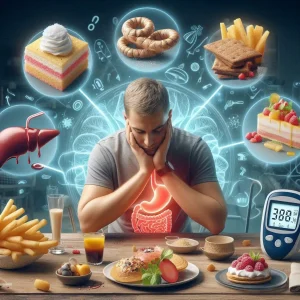
When you consume a large amount of food, your digestive system works overtime. The stomach expands to accommodate the extra food, causing pressure and discomfort — sometimes even shortness of breath.
Blood sugar levels spike quickly, triggering the pancreas to release more insulin to bring them down. Repeated overeating can disrupt hormonal balance and promote fat storage, especially around the abdomen.
The liver, which acts as the body’s natural detoxifier, also becomes overworked as it processes excess fats and sugars. That’s why giving your body a rest period helps it recover and restore normal function.
2. First Step – Hydration and Detox Support
After overeating, the first thing your body needs is water. Staying hydrated helps:
- Activate the liver and kidneys to flush out toxins.
- Improve digestion and prevent constipation.
- Reduce bloating and regulate body temperature.
Drink warm water instead of cold, and add slices of lemon, cucumber, or mint leaves for extra detox power and freshness.
You can also try cleansing drinks such as:
- Lemon and ginger water: Boosts metabolism and relieves bloating.
- Peppermint tea: Soothes the stomach and supports digestion.
- Turmeric tea: Rich in antioxidants and supports liver function.

3. Eat Light, Nourishing Foods
Don’t skip meals the next day — that only slows your metabolism. Instead, choose light, nutrient-rich foods that are easy to digest, like:
- Steamed vegetables (broccoli, zucchini, carrots).
- Fiber-rich fruits (apple, kiwi, orange).
- Whole grains (oats, quinoa) to stabilize blood sugar.
- Natural yogurt with probiotics to restore gut balance.
Avoid fried foods, sweets, and fast food for at least 48 hours to give your digestive system a real break.

4. Gentle Movement Helps Your Body Recover
While it might be tempting to lie down after overeating, light activity can make a big difference. Try:
- Walking for 20–30 minutes to improve circulation and digestion.
- Deep breathing or yoga to calm your body and mind, reducing stress-related eating.
- Gentle stretching after meals to ease bloating and improve gut mobility.
Movement doesn’t mean intense exercise — even small, mindful actions can help your body restore balance and burn off excess calories.

5. Listen to Your Body — Don’t Punish It
Many people feel guilty after overeating and try to “make up for it” with fasting or excessive workouts. But punishment only creates more stress.
Your body doesn’t need punishment — it needs balance. Treat that day of overeating as an exception, not a failure. Focus on healthy choices the next day instead of restriction.
Learn to differentiate between real hunger and emotional hunger. Sometimes we eat because we’re stressed, bored, or tired, not because our bodies need food. Before eating, take a short walk, drink water, or practice mindfulness.

6. The Mayo Clinic Method for Regaining Balance
One of the most trusted and science-based systems for restoring balance after overeating is the Mayo Clinic Diet.
This approach focuses on:
- Eating moderate portions of nutrient-dense foods.
- Cutting down on added sugars and saturated fats.
- Increasing fruits, vegetables, whole grains, and lean proteins.
It also promotes gradual habit changes instead of restrictive dieting.
The goal is to develop a healthy relationship with food — by eating slowly, recognizing fullness, and enjoying meals mindfully.
What makes it great is its flexibility — it’s sustainable, realistic, and fits easily into daily life, making it perfect for those recovering from overeating.

7. Quick Tips for Natural Body Cleansing
- Start your morning with warm lemon water to stimulate the liver.
- Avoid caffeine and fizzy drinks for at least two days.
- Prioritize good sleep — it regulates hormones and aids detox.
- Eat plenty of fiber to clean the intestines and reduce fat absorption.
- Try gentle intermittent fasting, not extreme fasting.

8. Balance Is the Real Secret
Body cleansing isn’t a one-day fix — it’s a lifestyle based on moderation in everything: food, drink, and rest.
Instead of harsh detoxes or quick fixes, focus on small daily habits that build lasting wellness.
Your body doesn’t need punishment; it needs awareness.
Your goal isn’t restriction but care.

Start with one simple action today: an extra glass of water, a healthy snack, or a short walk after eating.
Over time, you’ll notice more energy, clearer skin, and smoother digestion.
Cleansing after overeating isn’t just about recovery — it’s an invitation to live with awareness and balance.
Listen to your body, respect its signals, and give it the care it deserves.
Begin your journey today toward renewed energy and better health — and for more nutrition and wellness tips, visit Nutrition Travels to make balance a part of your everyday life.