
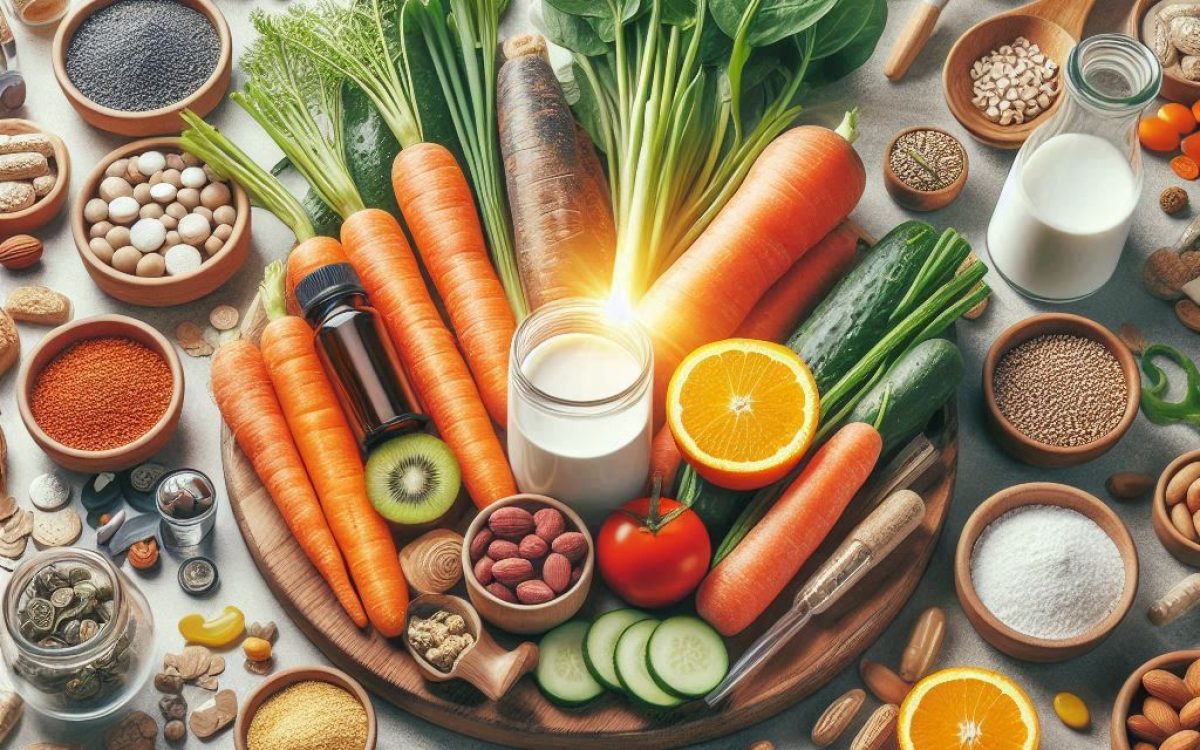
In our busy, fast-paced daily lives, many of us suffer from constant fatigue and low energy levels. One effective way to combat this is by including natural energy nutrients in our diet. These essential nutrients not only support energy production but also enhance focus, physical activity, and overall vitality. The energy our body needs isn’t just a matter of rest and good sleep—it largely depends on the quality of the food we consume and the nutrients we receive. In this article, we will explore the most important natural energy nutrients, their sources, and their benefits in boosting energy naturally.

Carbohydrates: Key Natural Energy Nutrients for Fuel:
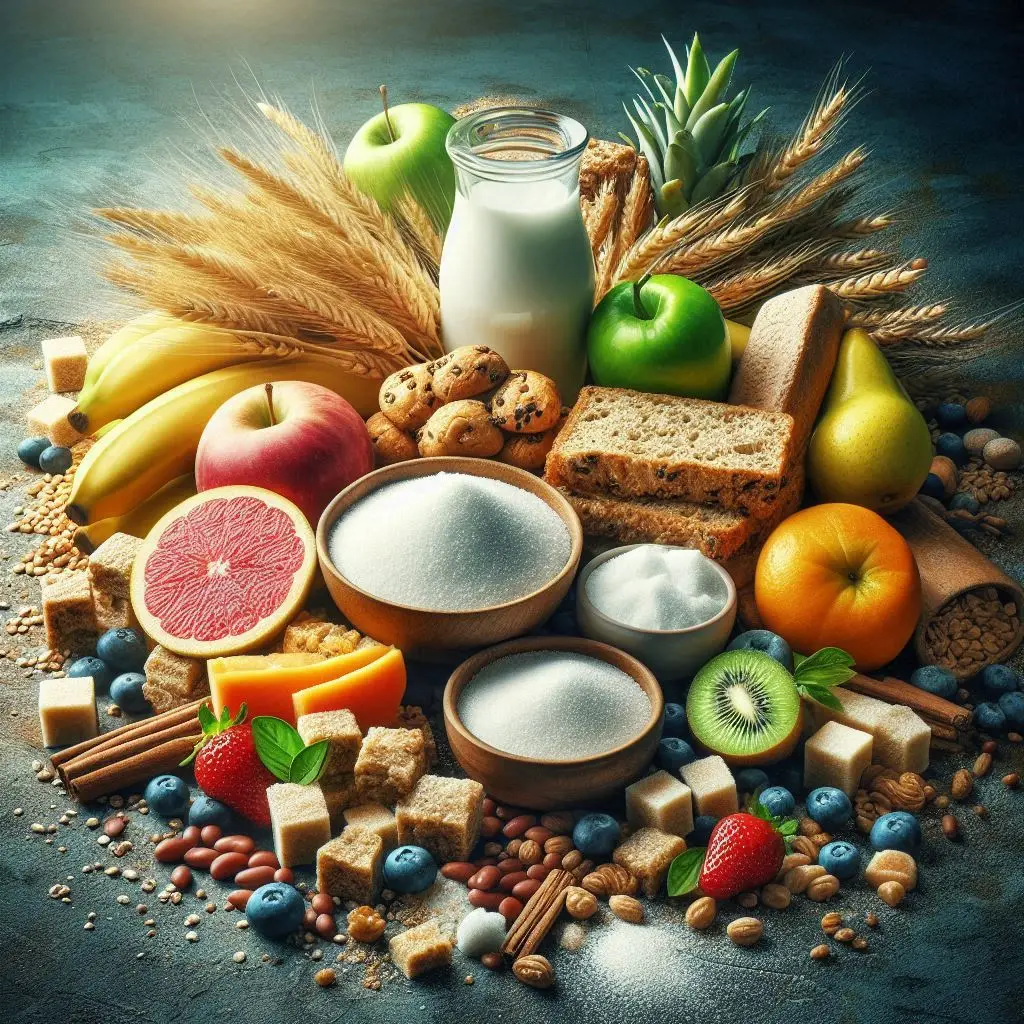
Carbohydrates are the primary source of energy in the body. The carbohydrates we consume are converted into glucose in the blood, which serves as the fuel used by the brain and muscles to produce energy. Carbohydrates can be classified into simple and complex types:
- Simple carbohydrates: Found in sugars and fruits, providing quick but short-lived energy.
- Complex carbohydrates: Found in whole grains, vegetables, and legumes; they break down slowly, providing sustained energy for a longer period.
Eating meals that contain complex carbohydrates, such as oats, brown rice, lentils, and vegetables, ensures a steady supply of energy throughout the day and prevents sudden energy crashes.
Protein: Sustainable Energy from Natural Energy Nutrients:
Proteins are not only essential for building muscles but also play a significant role in energy production, especially when the body is under stress or lacking carbohydrates. Proteins are partially converted into glucose through a process called gluconeogenesis, which provides the body with energy when needed.
Rich natural sources of protein include:
- Lean meats such as chicken and turkey.
- Fish such as salmon and tuna.
- Eggs and low-fat dairy products.
- Legumes and nuts.
Consuming protein with carbohydrates helps produce sustainable energy and increases the feeling of fullness for longer periods.

Healthy Fats: Long-Lasting Energy from Natural Nutrients:
Fats are not the enemy, as many believe—they are an important energy source, especially for long-lasting energy. When healthy fats are consumed, they are converted into fatty acids, which are used to produce ATP, the molecule that serves as the body’s actual energy source.
Sources of healthy fats include:
- Olive oil and avocado oils.
- Nuts and seeds such as almonds, walnuts, and chia seeds.
- Fatty fish such as salmon and mackerel.
Healthy fats help the body maintain stable energy levels, protect the heart, and support overall health.
Iron: A Vital Natural Energy Nutrient:
The body needs iron to produce hemoglobin, a protein found in red blood cells that transports oxygen from the lungs to various body organs. A deficiency in iron reduces the efficiency of oxygen delivery to body cells, which may lead to anemia, accompanied by fatigue and weakness.
The risk of iron deficiency is higher in vegetarians, as the richest natural sources of iron are meats and fish, in addition to pregnant women and people who lose significant amounts of blood, who may need iron supplements.
Natural sources of iron include:
- Red meat and liver.
- Legumes such as lentils and beans.
- Leafy green vegetables like spinach.
- Nuts and seeds.
Magnesium: Essential Mineral for Natural Energy Nutrients:
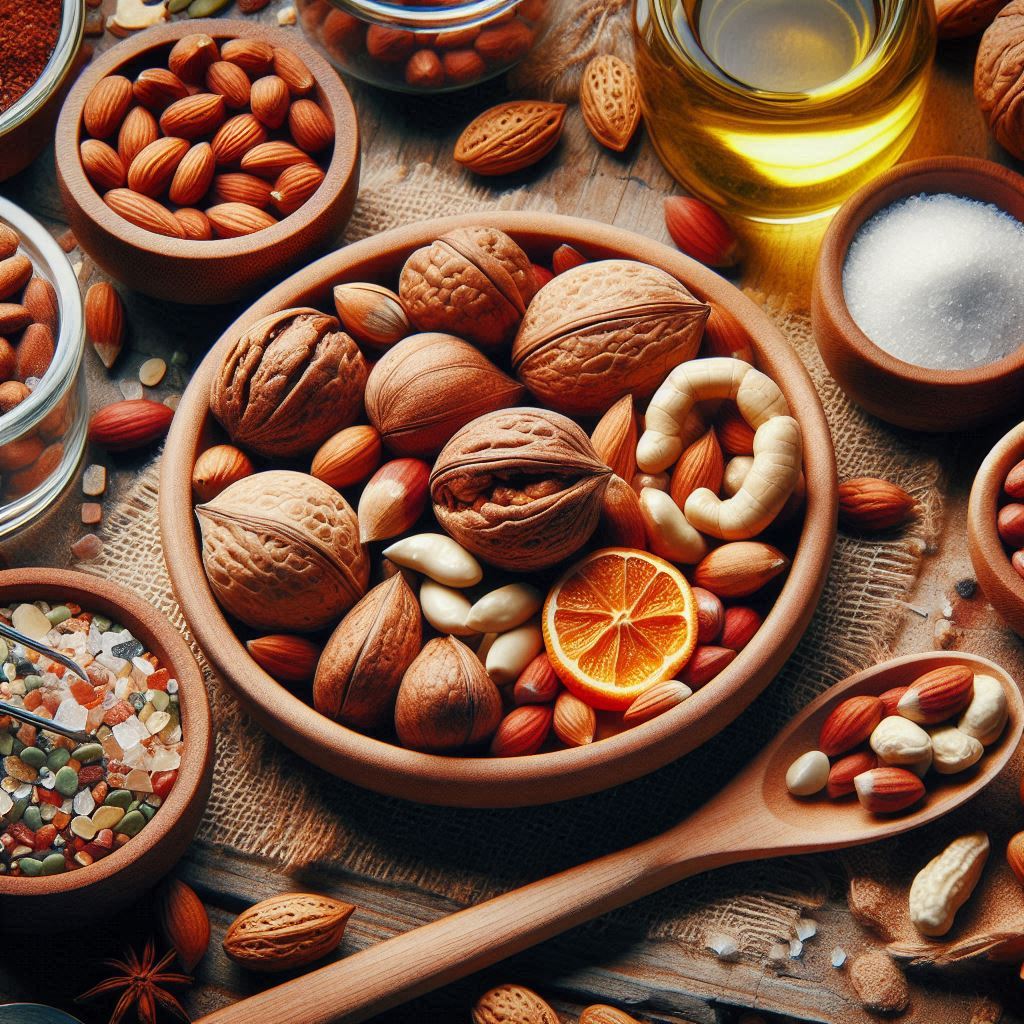
The body needs magnesium to carry out more than 300 biochemical reactions, including converting sugar (glucose) into energy. A deficiency in magnesium may result in low energy levels.
Magnesium can be naturally obtained by consuming nuts, whole grains, or fish, and it is also available through dietary supplements.
Natural Caffeine: Temporary Energy Boost:
Caffeine is a natural stimulant that helps enhance focus and provides a temporary energy boost by increasing heart rate and stimulating the central nervous system. Natural sources of caffeine include:
- Coffee.
- Green tea.
- Dark chocolate.
Despite its benefits, it should be consumed in moderation to avoid insomnia or excessive nervousness.

Water: Supporting Energy with Natural Nutrients:
Dehydration reduces the efficiency of energy metabolism and makes the body feel tired quickly. Regular water intake helps maintain energy levels, improves focus, and supports vital bodily functions. It is recommended to drink at least 8 glasses a day, with increased intake during exercise or hot weather.
The process of obtaining energy is not just about drinking coffee or taking a short nap; it is closely linked to the quality of food and nutrients the body receives. Complex carbohydrates, protein, healthy fats, vitamins and minerals such as B-complex, iron, and magnesium, along with antioxidants and water, are all essential elements for naturally and sustainably producing energy. By following a balanced diet and practicing healthy habits, the body can produce energy efficiently, improving both physical and mental performance and making daily life more active and vibrant.
For more information about energy-boosting nutrients and healthy eating in general, you can visit Nutrition Travels for reliable and comprehensive information to help you improve your dietary lifestyle.