
The Best Plant-Based Iron Sources , Iron deficiency is one of the most common global nutrition problems, especially among people who follow plant-based diets. Although many think iron comes only from meat, there are plenty of plant-based options that can meet the body’s daily needs when consumed correctly.
In this guide, you’ll learn about the top iron-rich plant foods, how to boost absorption, and practical eating habits that make a real difference—without relying on meat or supplements.
If you want more energy, stronger immunity, and protection from anemia naturally, this article will give you exactly what you need in a clear and simple way.
The Importance of Iron in the Body—and Why Plant-Based Eaters Need It
Before exploring the best plant-based iron sources, it’s important to understand how essential iron is for the body. It supports oxygen transport through hemoglobin, boosts energy production, strengthens immunity, and aids brain function. When levels drop, symptoms like fatigue, hair loss, pale skin, poor focus, and cold hands or feet start to appear.
Those following plant-based diets are more at risk of deficiency—not because plants lack iron, but because they provide non-heme iron, which needs the right dietary habits to be absorbed effectively. This makes it crucial to know the best plant-based iron sources and the factors that improve the body’s ability to benefit from them.
Top Iron-Rich Legumes for a Healthy Diet :
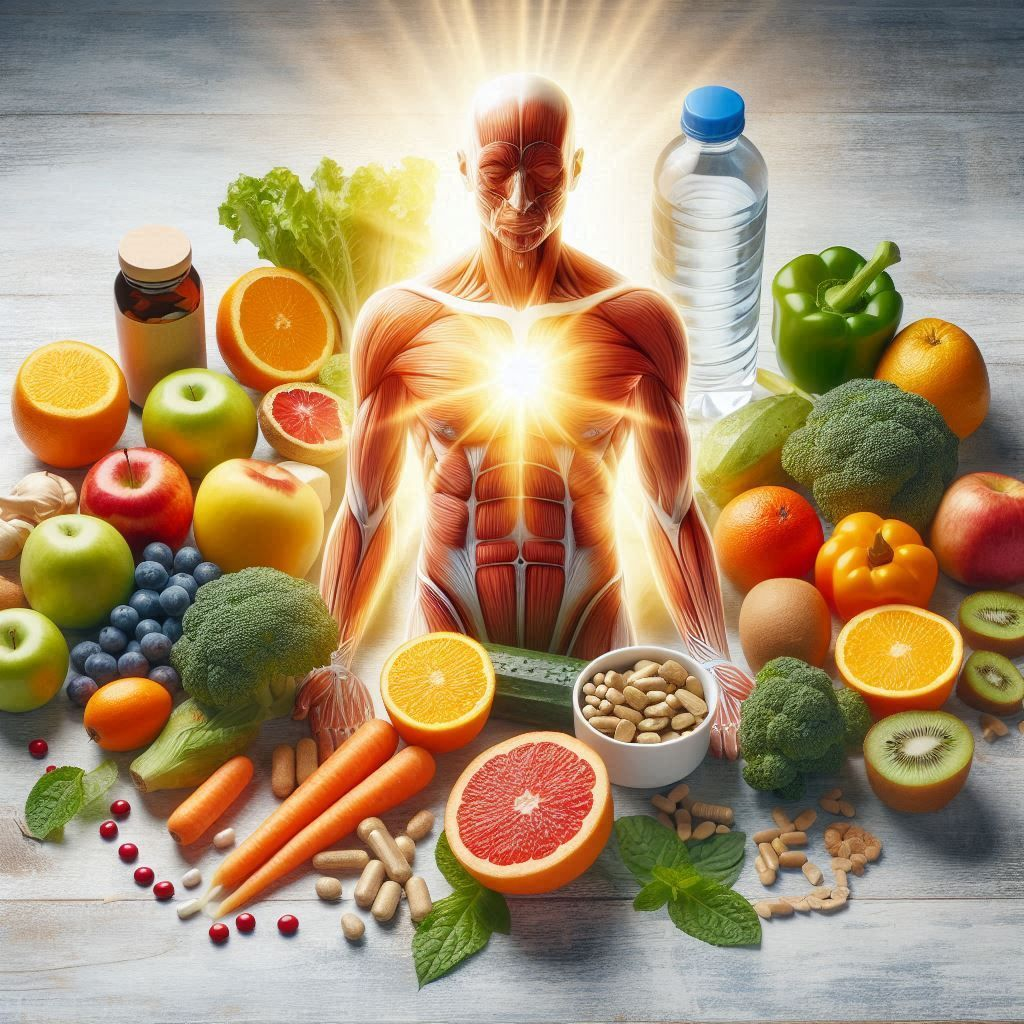
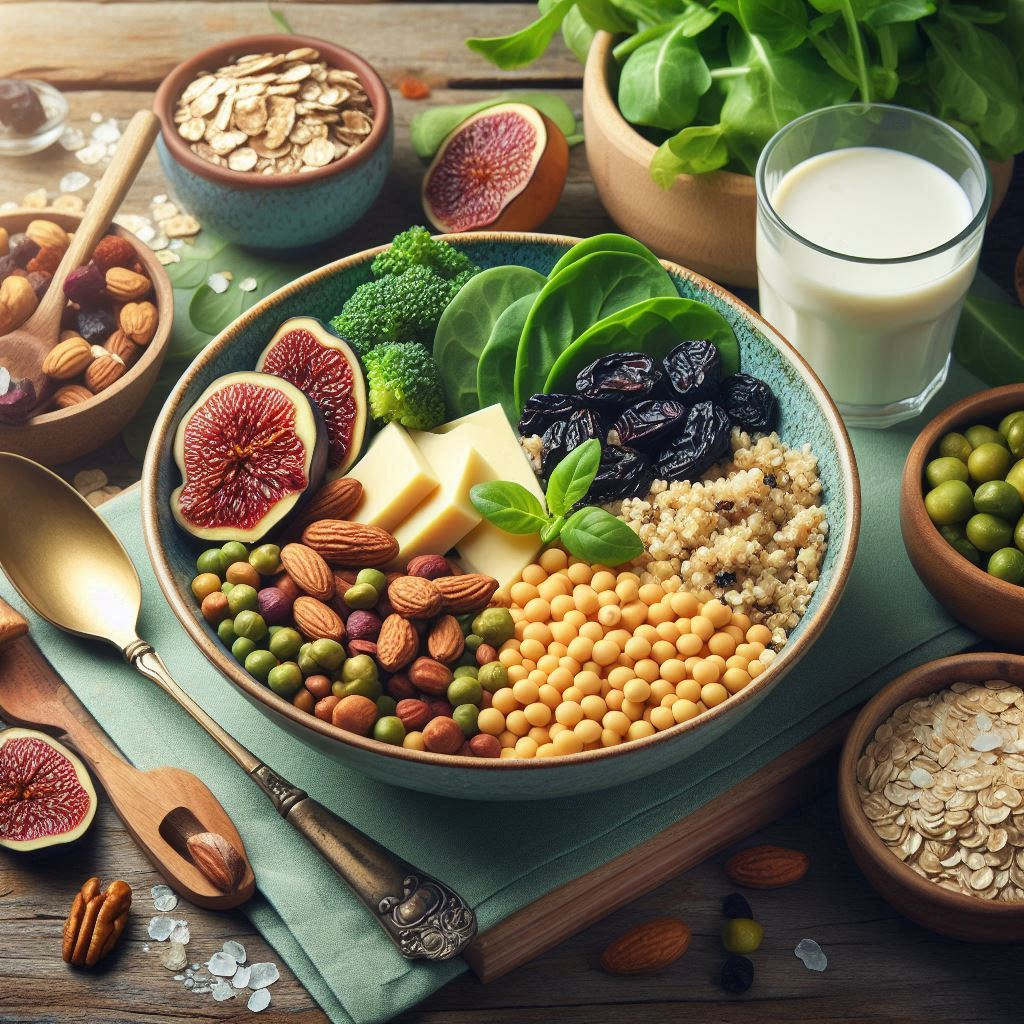
Legumes of all kinds are among the strongest plant-based sources of iron that can be easily incorporated into a daily diet. These include lentils, chickpeas, white and red beans, dried peas, and fava beans.
- Half a cup of cooked lentils contains a significant amount of iron.
- Chickpeas are an excellent source and can be used in salads, hummus, and stews.
- Beans add high nutritional value when combined with grains or vegetables.
To improve absorption, it’s recommended to eat these legumes with lemon juice or vegetables rich in vitamin C, instead of combining them with foods that reduce absorption, such as cheese and tea.
Leafy Greens: Powerful Green Iron Sources
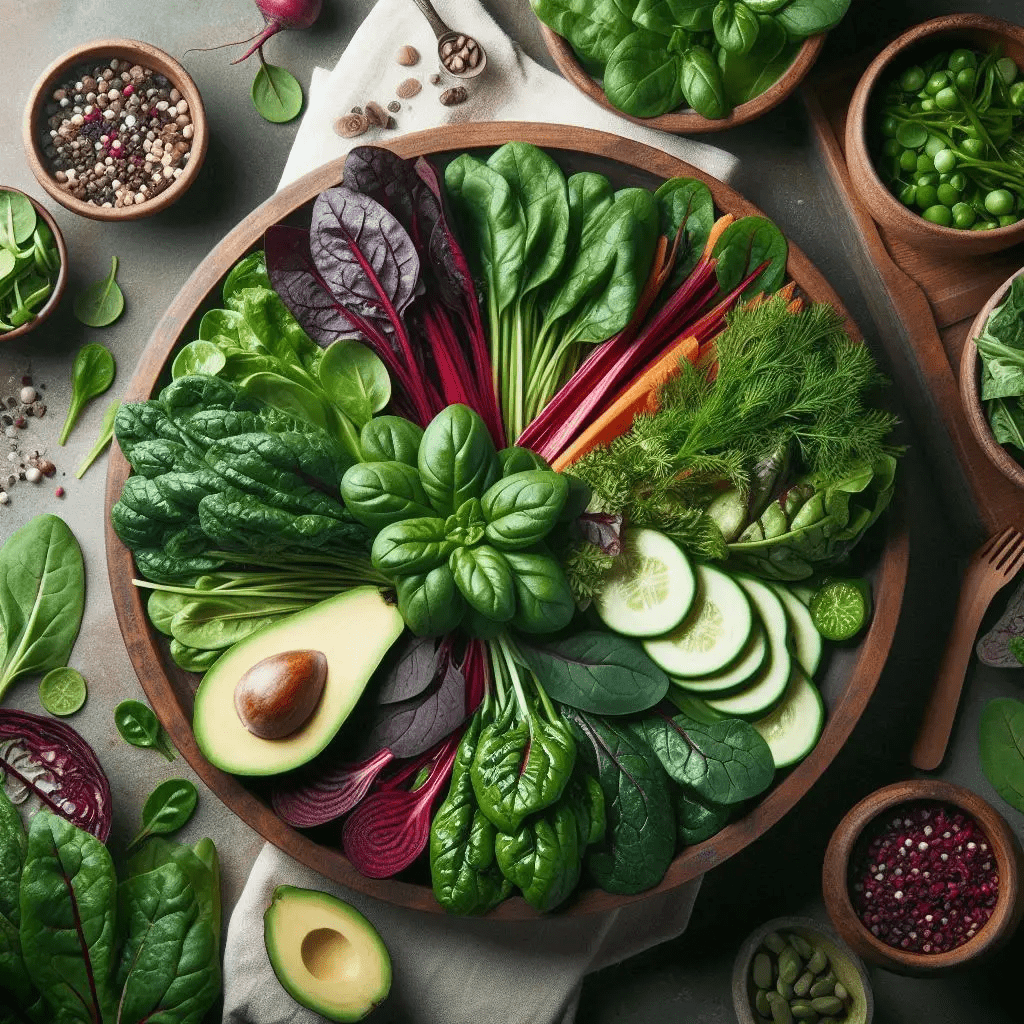
Dark leafy greens are among the most important plant-based iron sources that can be consumed daily. The most notable include:
-
- Spinach
- Arugula
- Swiss chard
- Kale
- Beet greens
They can be added to salads, cooked in soups, or blended into green smoothies. While iron absorption from these vegetables is moderate, consuming them with lemon, bell peppers, or tomatoes significantly enhances absorption.
Seeds and Nuts: Concentrated Plant-Based Iron Sources
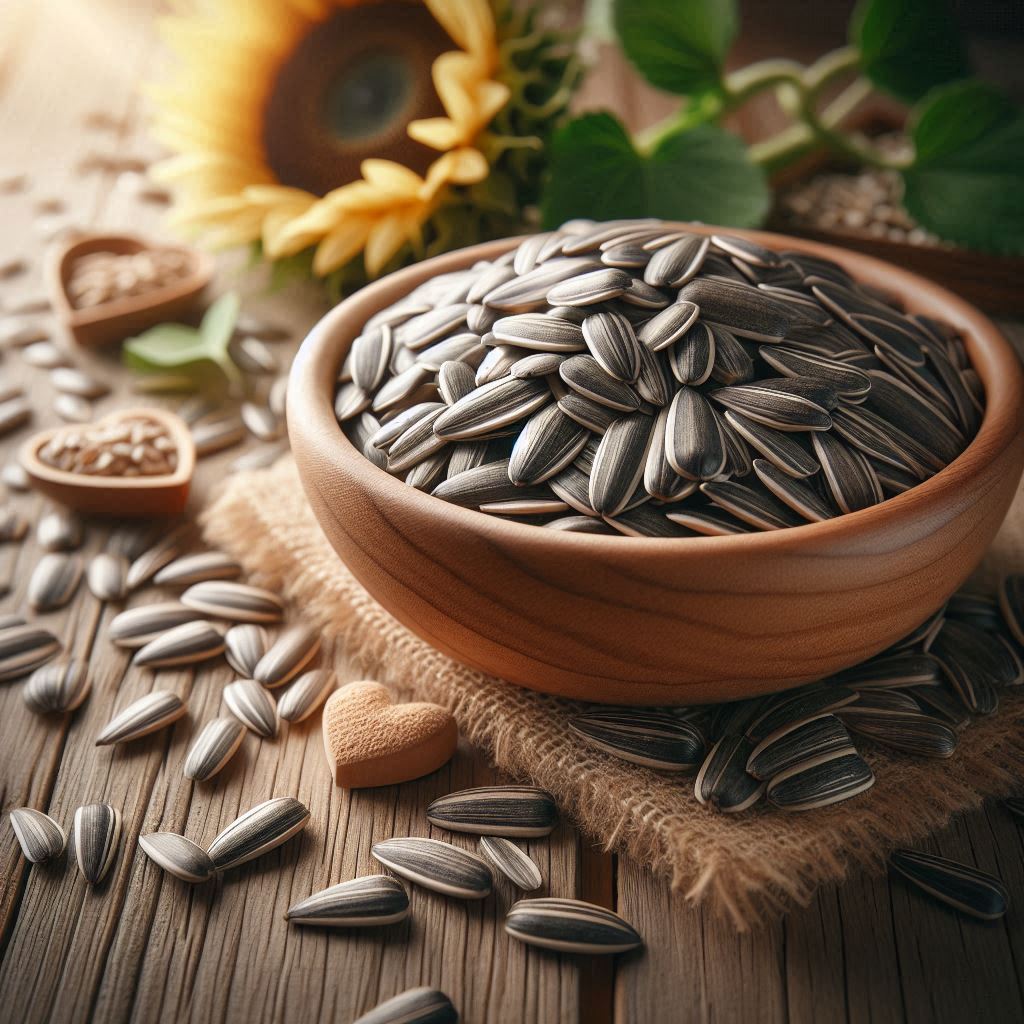
Seeds and nuts are not just snacks—they are strong plant-based sources of iron that enrich the diet with essential nutrients. Notable examples include:
-
- Pumpkin seeds
- Chia seeds
- Sesame
- Sunflower seeds
- Almonds
- Cashews
They can be eaten as snacks, added to salads, or mixed with oats or plant-based yogurt. Sesame can also be ground to make tahini, which is an excellent source of iron along with healthy fats.
Whole Grains: Steady Support for Iron Levels
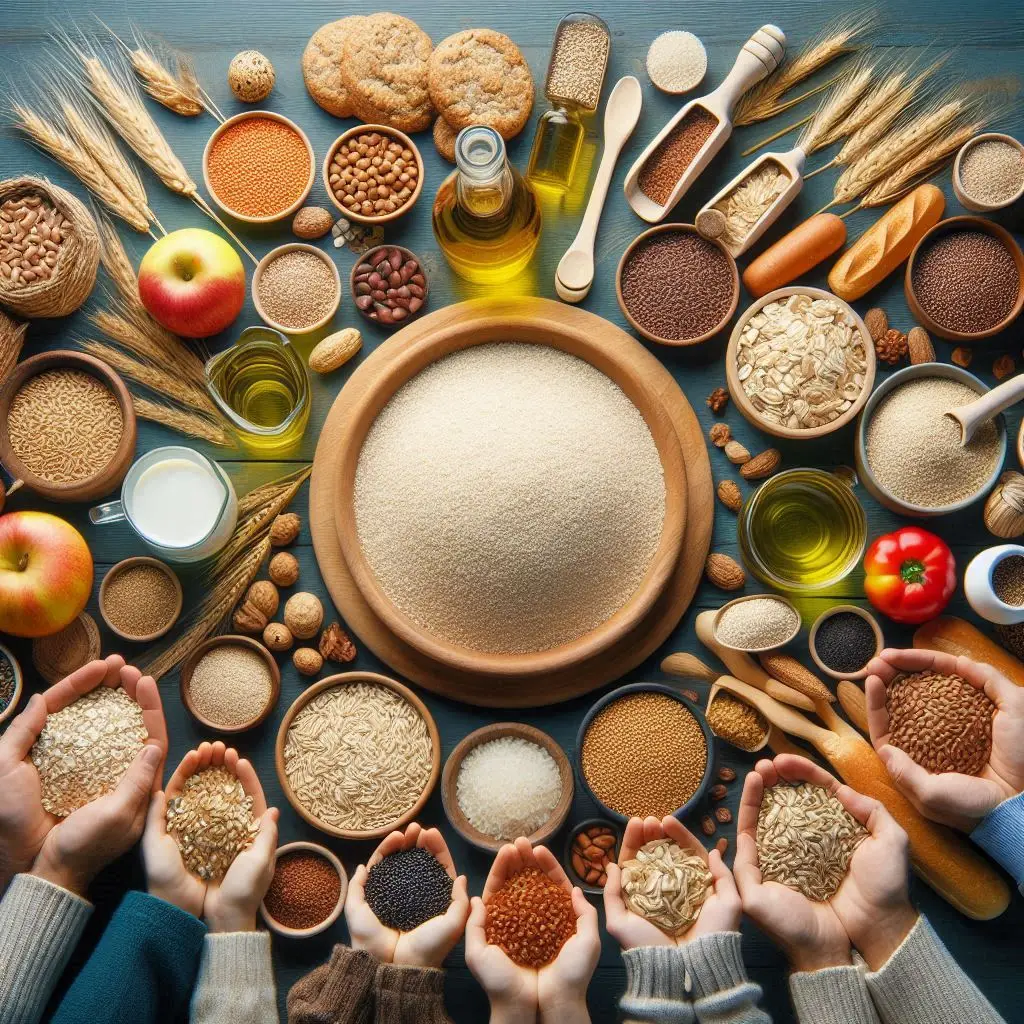
Including whole grains among plant-based iron sources is essential. Examples include:
-
- Oats
- Quinoa
- Bulgur
- Brown rice
- Whole grain bread
These grains are not only a source of iron but also provide fiber and other minerals that support digestion and energy. It’s best to eat them with vegetables or legumes for better nutritional balance.
Dried Fruits: A Natural, Iron-Rich Treat
Dried fruits are among the plant-based iron sources that can be easily used, especially between meals. These include:
-
- Raisins
- Dried figs
- Dried apricots
- Prunes
Two pieces of dried figs or a handful of raisins can help support daily iron needs when eaten with a source of vitamin C to improve absorption.
How to Improve Iron Absorption from Plant Sources
Despite the abundance of plant-based iron sources, absorption depends largely on what they’re eaten with. Several factors help the body make the most of plant-based iron, such as:
- Pairing Iron with Vitamin C
Adding lemon juice or consuming bell peppers, oranges, or tomatoes with a meal greatly enhances iron absorption. - Proper Cooking of Legumes and Vegetables
Soaking before cooking reduces absorption inhibitors like phytates, making iron more available to the body. - Separating Iron and Calcium
Calcium found in milk or supplements may reduce iron absorption, so it’s best to separate them by at least two hours. - Avoiding Tea and Coffee After Meals
Tannins in coffee and tea reduce the body’s ability to benefit from plant-based iron, so it’s preferable to delay them for an hour or more after eating.

Fortified Foods: A Practical Way to Boost Plant-Based Iron
Alongside natural plant-based iron sources, there are products enriched with iron, such as:
-
- Breakfast cereals
- Fortified oat or soy milk
- Enriched whole wheat bread
- Plant-based meat alternatives
Including these foods in your daily routine helps meet iron needs more easily, especially if a busy lifestyle doesn’t allow frequent home preparation.
Incorporating Plant-Based Iron Sources into Daily Life: Practical Tips
To truly benefit, it’s recommended to distribute plant-based iron sources throughout the day instead of limiting them to one meal. Here are some practical ideas:
-
- Breakfast: Oats with nuts and raisins
- Lunch: Cooked lentils with spinach and a chickpea salad
- Dinner: Quinoa with vegetables and sesame seeds
- Snack: Dried figs or a handful of nuts
This distribution helps the body absorb iron more efficiently and provides stable energy throughout the day.
Symptoms of Iron Deficiency Despite Plant-Based Intake
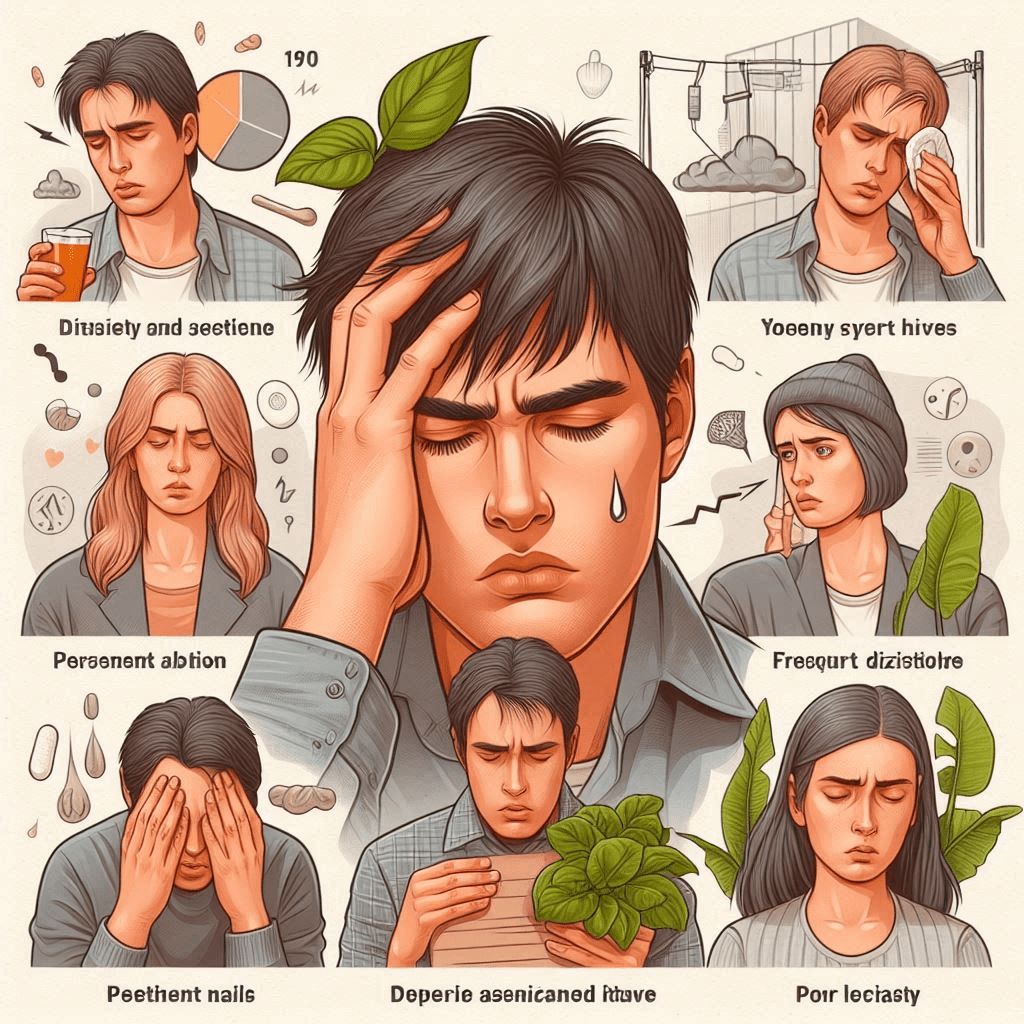
Even with regular consumption of iron sources, some people may notice signs of deficiency that indicate poor absorption or insufficient intake, such as:
-
- Pale skin
- Persistent fatigue and tiredness
- Weak nails
- Frequent dizziness or headaches
- Hair loss
- Poor concentration
When these symptoms appear, it’s best to do a blood test for iron and ferritin levels under medical supervision.
Common Mistakes When Relying on Plant-Based Iron Sources
To ensure the maximum benefit from plant-based iron sources, it’s important to avoid certain common practices:
-
- Relying on only one type daily, such as lentils alone
- Not consuming vitamin C with meals
- Excessive coffee or dairy consumption after eating
- Lack of variety among seeds, vegetables, legumes, and grains
- Neglecting dried fruits
All these mistakes can lead to iron deficiency despite the availability of plant-based foods.
Are Plant-Based Iron Sources Enough for Strong Health?
Relying on plant-based iron sources isn’t just a diet trend—it can support energy, immunity, and focus when managed properly. The key isn’t only in eating spinach or lentils, but in variety, smart meal timing, boosting absorption with vitamin C,and avoiding inhibitors like tea and coffee.
Whether you’re fully plant-based, reducing meat, or seeking healthier iron alternatives, understanding how to use iron sources is essential for maintaining healthy hemoglobin levels and preventing fatigue. With simple planning, a plant-based diet can meet your iron needs without restriction or difficulty.
Visit NutritionTravels now, You’ll find trustworthy articles, simplified tips, and practical guides to help you raise iron levels safely and naturally—without unnecessary supplements or complicated regimes.
Start your journey toward stronger health…
A simple choice today could make a big difference tomorrow!