Warsaw, the capital of Poland, is one of the most fascinating and attractive cities in Europe. A city that rose from the devastation of war to dazzle the world with its beauty, where rich history meets European modernity. Warsaw is not only a political and economic capital, but also a complete tourist destination, full of historical landmarks, vibrant culture, and breathtaking nature.
In this article, we will take you on a comprehensive journey to discover tourism in Warsaw—exploring its historical landmarks, tourist activities, and modern atmosphere that make it one of the most beautiful cities in Europe.
The Charm of Tourism in Warsaw
Warsaw attracts millions of tourists every year thanks to its unique atmosphere that combines the scent of history with the spirit of modernity. Walking through its streets feels like flipping through an open history book, where medieval traces stand alongside modern skyscrapers. It’s a city that never sleeps, offering visitors unforgettable experiences—whether you’re passionate about art, history, or Poland’s rich culinary traditions.
Top Historical Landmarks in Warsaw
Warsaw is a city brimming with history, telling its story through landmarks that reflect heritage, culture, and art. Among its most famous sites:
1. Old Town (Stare Miasto):
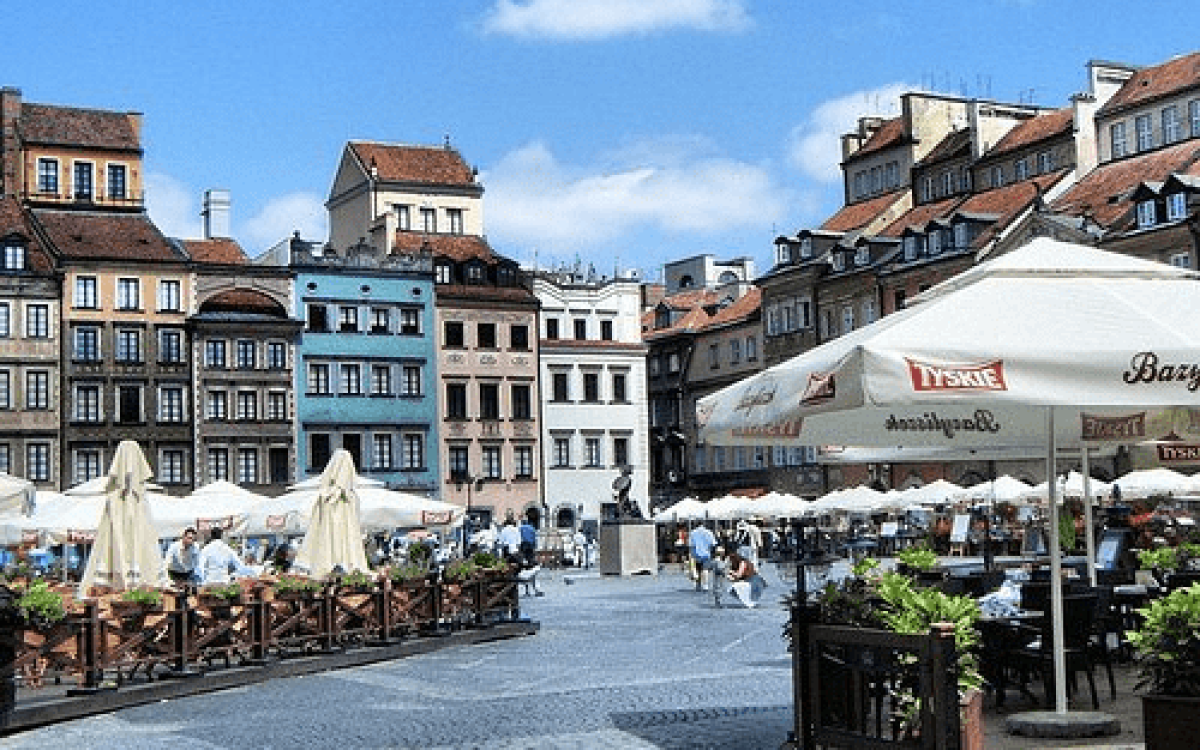
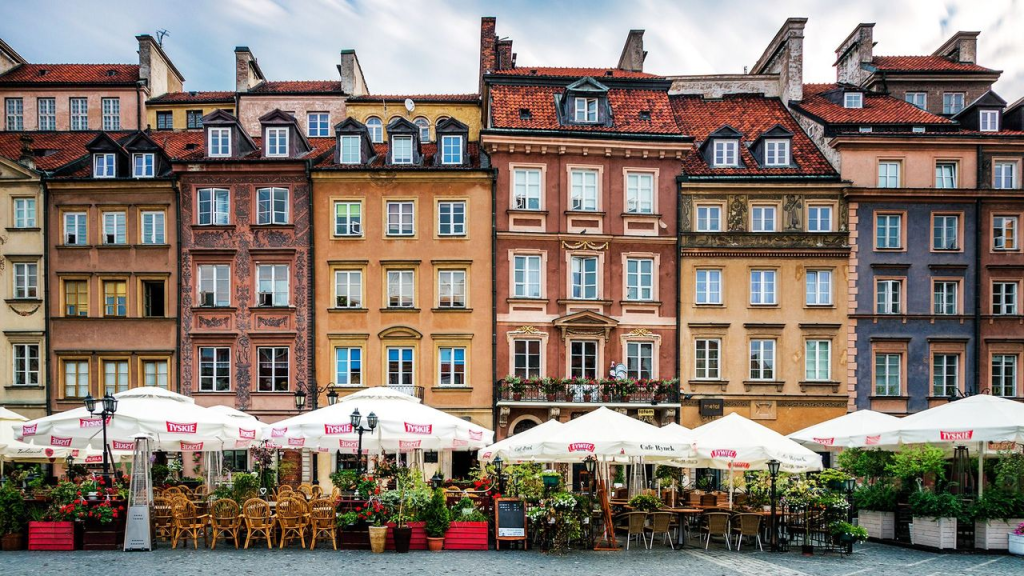
The beating heart of Warsaw and a UNESCO World Heritage Site. Completely rebuilt after World War II, it’s now an open-air masterpiece of charming squares, colorful houses, and cozy cafes. Wandering through its narrow alleys feels like stepping back into the Middle Ages.
2. Royal Castle:
The former residence of Polish kings, now a museum housing priceless art collections and royal treasures. From its courtyards, you can enjoy a stunning view of the Vistula River while exploring Poland’s political and cultural past.
3. Palace of Culture and Science:
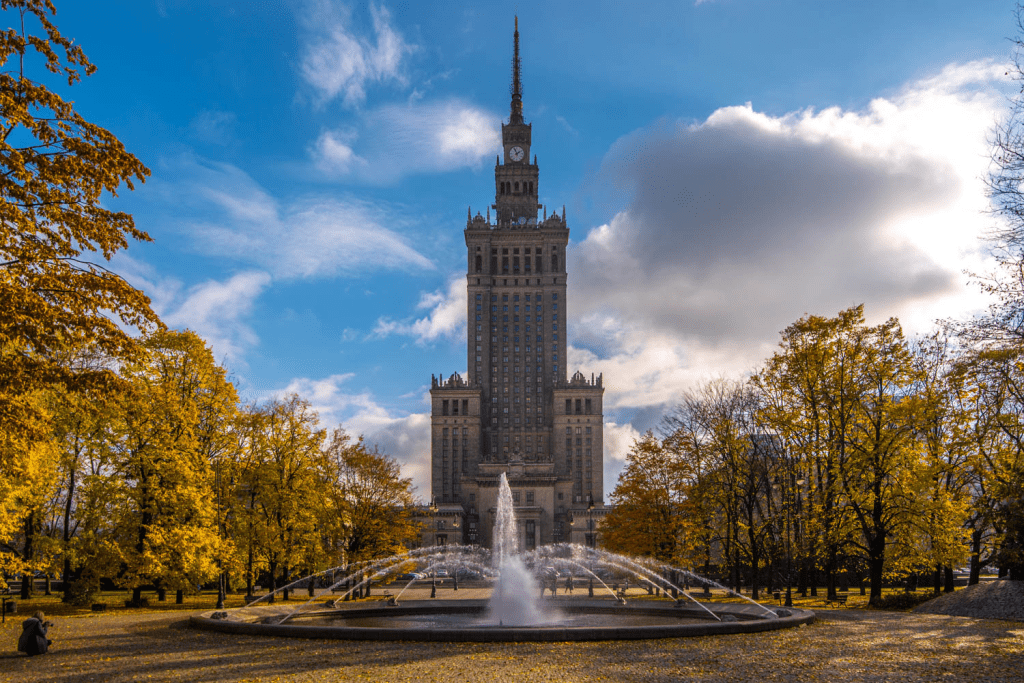
One of Warsaw’s most iconic landmarks and among the tallest buildings in Poland. It hosts theaters, cinemas, museums, and an observation deck offering breathtaking panoramic views of the city.
4. Warsaw Uprising Monument:
A moving memorial that honors the bravery of Warsaw’s citizens during the 1944 Uprising against Nazi occupation. It stands as a symbol of Polish resilience and courage.
5. Warsaw Uprising Museum:
One of the most important museums in Eastern Europe. Using interactive exhibits and multimedia, it immerses visitors in the dramatic events of the Uprising—an experience both educational and emotional.
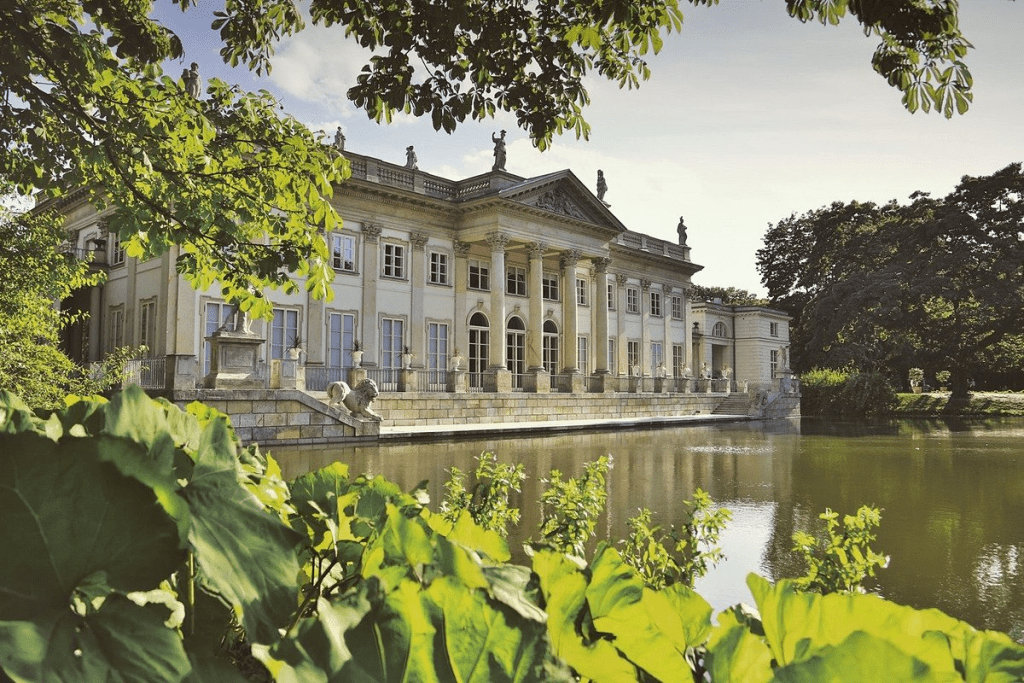
6. Łazienki Park:
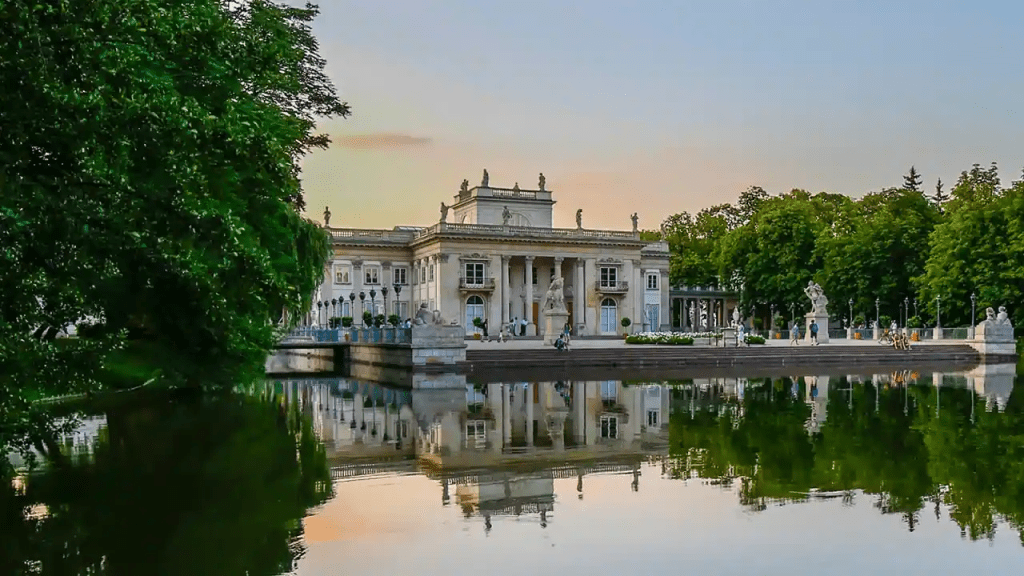
One of the most beautiful royal parks in Europe, featuring the famous “Palace on the Water,” stunning sculptures, open-air theaters, and serene lakes. Peacocks roam freely, adding a magical touch to this enchanting space.
7. The Old Jewish Quarter:
A place rich in history, home to the POLIN Museum of the History of Polish Jews and the poignant Ghetto Heroes Monument, both shedding light on an essential part of Warsaw’s past.
8. St. John’s Archcathedral:
One of the oldest churches in Warsaw, designed in a Gothic style. It played a significant role in the city’s religious and political life, hosting royal coronations and historic ceremonies.
9. Piłsudski Square:
A central square where national celebrations and military parades take place. It also features the Tomb of the Unknown Soldier, honoring Poland’s fallen heroes.
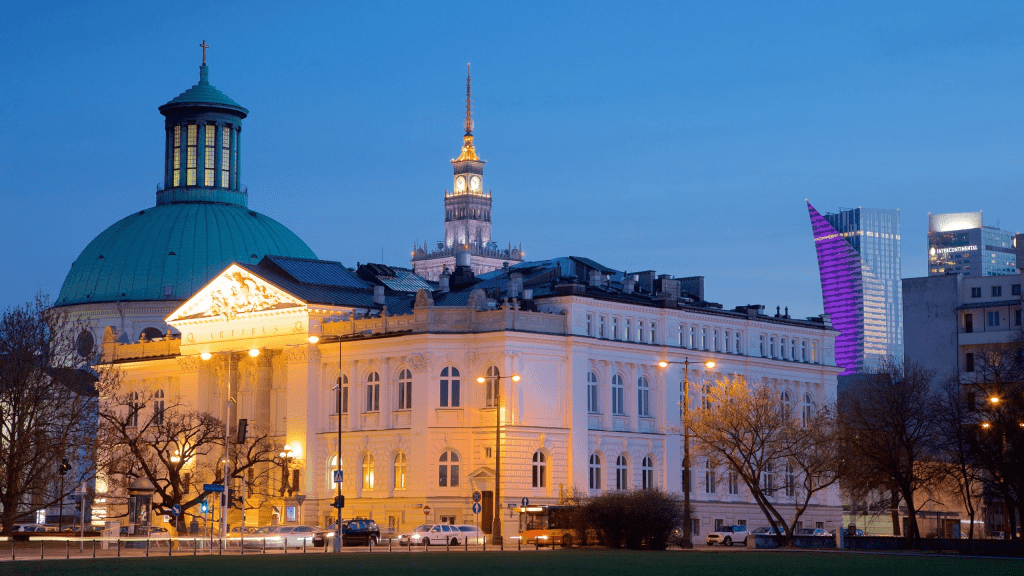
10. University of Warsaw :
Among the oldest universities in Central Europe, renowned for its historic buildings and scenic gardens. The campus offers a glimpse into Warsaw’s intellectual and cultural heritage.
11. Warsaw University Library:
Famous for its innovative design and rooftop garden open to the public, offering panoramic views of the Vistula River.
12. The Barbican:
One of the few remaining medieval fortifications in Warsaw. Today it’s a popular spot for strolling, photography, and open-air performances.
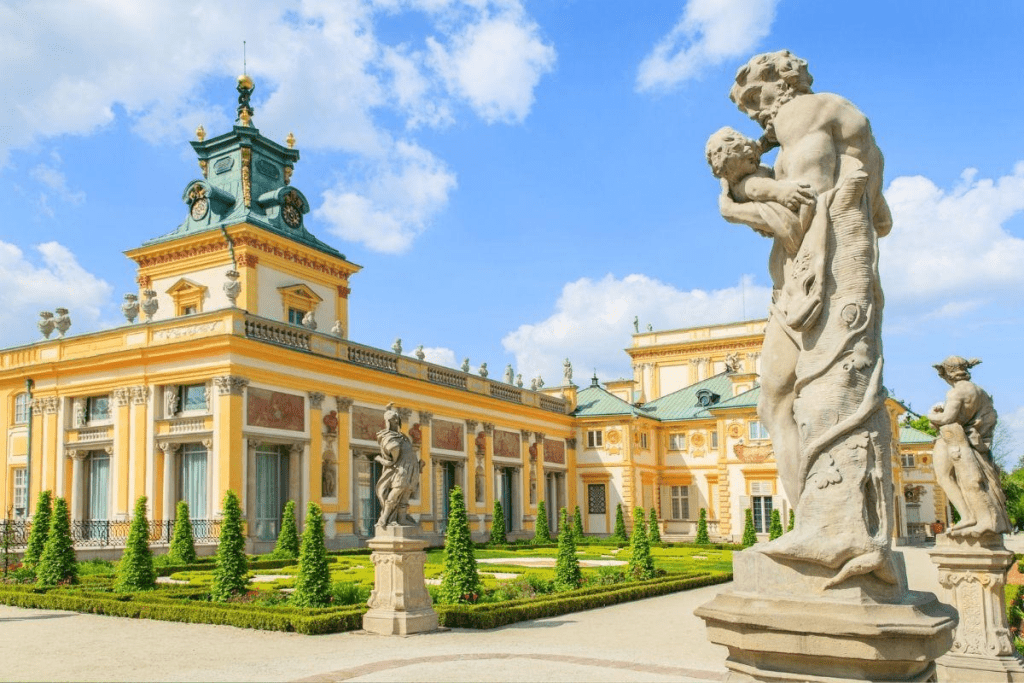
13. Wilanów Palace:
Known as the “Polish Versailles,” this baroque palace boasts vast gardens and art exhibitions, reflecting the grandeur of Poland’s golden age.
With all these landmarks, Warsaw takes its visitors on a journey through time, from the Middle Ages to modernity, in one breathtaking setting of art, architecture, and history.
The Natural Beauty of Warsaw :
Warsaw is not just about history—it’s also blessed with stunning nature that adds tranquility to its vibrant life.
- Vistula River: The lifeline of Warsaw and one of its most iconic natural features. Enjoy boat cruises for a new perspective of the city, or relax by its banks lined with cafes, food trucks, and bike paths. In summer, the river becomes a hub for kayaking, paddleboarding, and other water sports.
- Public Gardens: Such as the Saxon Garden, one of the oldest in Warsaw and among the oldest in Europe, filled with classical statues, fountains, and seasonal blooms.
- Łazienki Park: A highlight of Warsaw’s greenery, with manicured gardens, free-roaming peacocks, and open-air Chopin concerts near his famous monument.
- Kampinos Forest: A UNESCO-listed biosphere reserve on the city’s outskirts, perfect for hiking, cycling, and exploring diverse wildlife.
- Urban Parks: Like Mokotów Field and Praga Park, offering great spaces for families and quick city escapes.
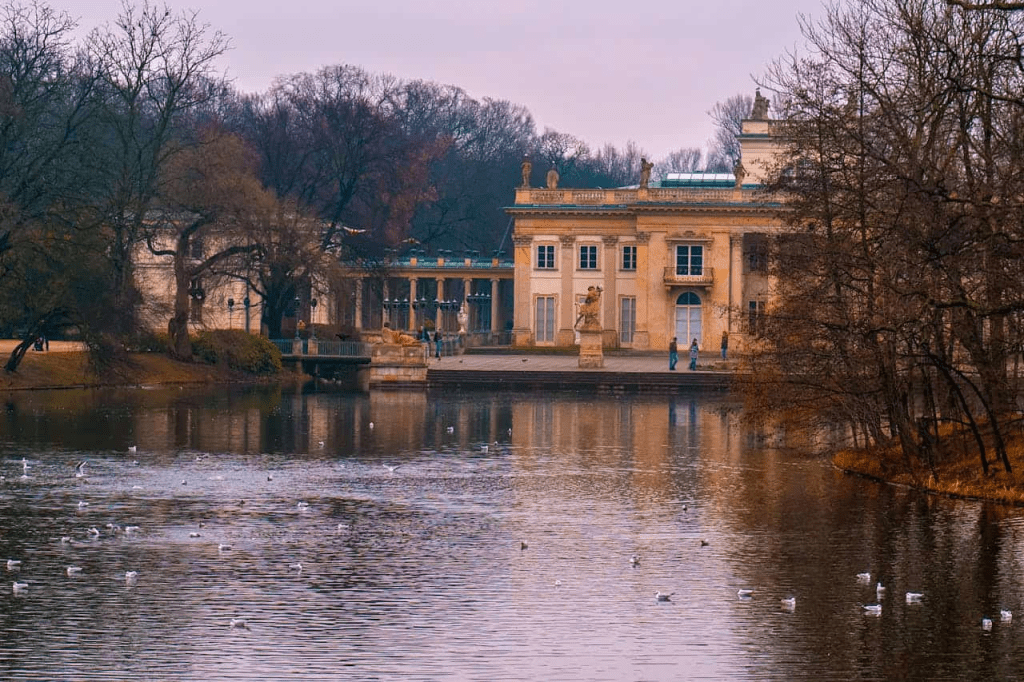
These natural gems balance Warsaw’s vibrant energy with peaceful retreats, ensuring a well-rounded travel experience.
Tourist Activities in Warsaw :
- Historical Tours: Stroll through the Old Town or join guided walking tours led by local experts.
- Museums & Culture:
- Chopin Museum: Celebrating the life of the legendary composer.
- National Gallery of Art: Showcasing rich collections of European and Polish art.
- Concerts & Opera: From classical symphonies to flamenco and jazz evenings, Warsaw’s stages are alive with music.
- Shopping: Explore local markets like Hala Mirowska or shop in modern malls such as Złote Tarasy.
- Polish Cuisine: Savor traditional dishes like Pierogi (stuffed dumplings) and Bigos (hunter’s stew). Warsaw’s restaurants offer a mix of local and international flavors.
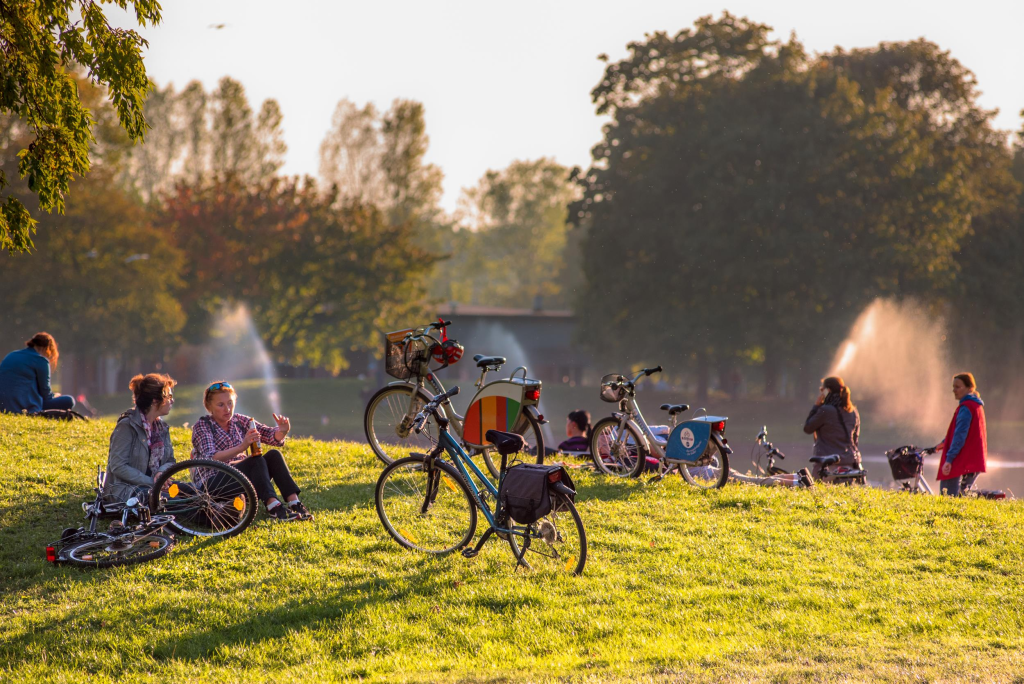
- River Cruises & Cycling: Enjoy biking across wide boulevards or a scenic cruise along the Vistula.
Festivals & Events in Warsaw :
- Chopin Music Festival: Attracts classical music lovers from all over the world.
- Polish Independence Day (November): A major national celebration.
- Summer Festivals: Featuring open-air concerts, theater performances, and traditional markets.
Travel Tips for Warsaw :
- Best Time to Visit: Spring and summer, when the weather is mild and the city is in full bloom.
- Transportation: An excellent metro and bus network, plus the city is very walkable.
- Accommodation: Stay near the city center to be close to major attractions.
- Language: Polish is the official language, but English is widely spoken.
Why Choose Warsaw?
Because it embodies the spirit of Poland. Warsaw blends history and modernity, offering visitors stunning landmarks, beautiful nature, and a rich cultural scene. It’s not just a destination—it’s an unforgettable experience.
From the warm welcome of its people to its captivating charm, Warsaw will win your heart and leave you longing to return.
Plan Your Trip to Warsaw Now
If you’re looking for a destination that combines history, culture, and nature, Warsaw is the perfect choice. From castles and palaces to markets and restaurants, it offers a complete experience.
Don’t wait any longer—make Warsaw your next travel stop and discover for yourself why it’s one of Europe’s most beautiful cities. Book your trip now with NutritionTravels and start your adventure in the heart of Poland!