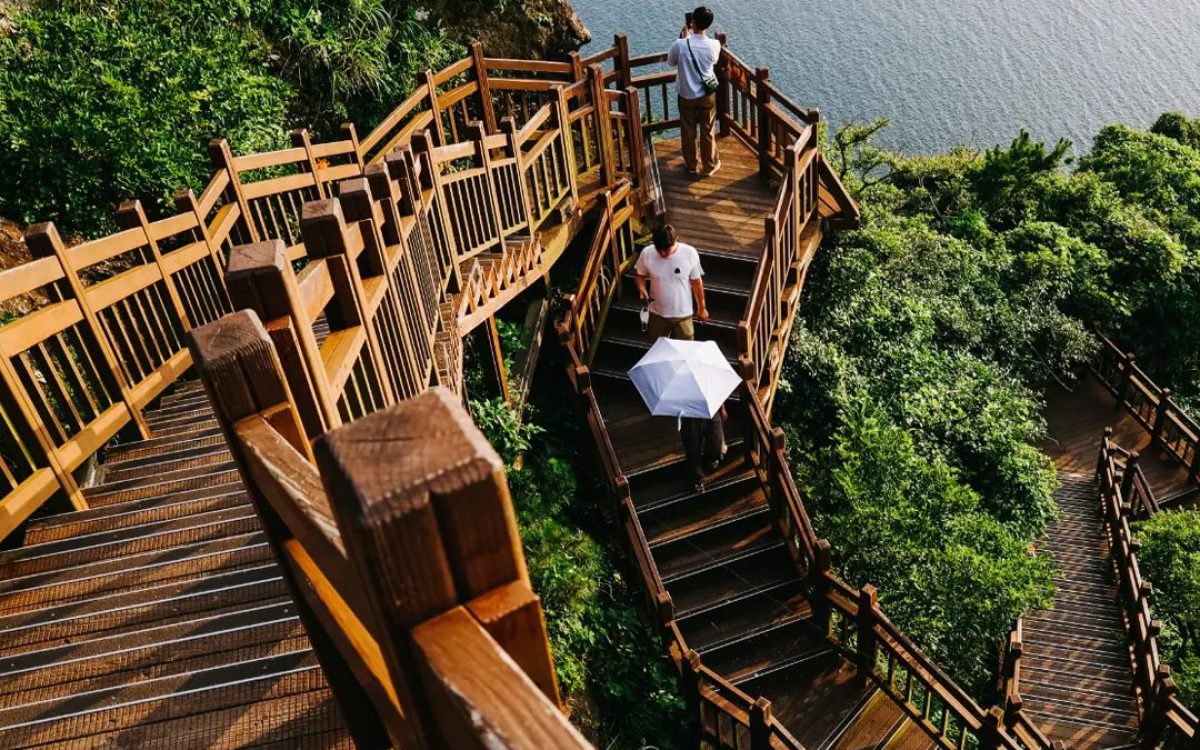
Imagine stepping onto an island where emerald-blue waters sparkle under the sun, volcanic craters tower above lush forests, and traditions whisper through every breeze. Welcome to Jeju Island, South Korea’s tropical jewel and UNESCO World Heritage site. Often called the “Hawaii of Korea,” Jeju is more than just a vacation spot—it’s a living adventure that fuses breathtaking landscapes, deep-rooted culture, and unforgettable flavors. Whether you’re chasing waterfalls, hiking to the summit of Hallasan, or tasting Jeju’s signature black pork, every corner of this island offers something magical.
Where is Jeju Island Located?
Jeju lies in Asia, off the southern coast of South Korea in the Korean Strait. Its strategic location has shaped its unique identity: isolated enough to develop its own traditions, yet connected enough to welcome travelers from around the world. The island’s volcanic origins give it dramatic scenery, from lava tubes and crater lakes to rugged coastlines dotted with waterfalls.
Why Jeju Island is Special
What makes Jeju stand out among the countless islands of Asia?
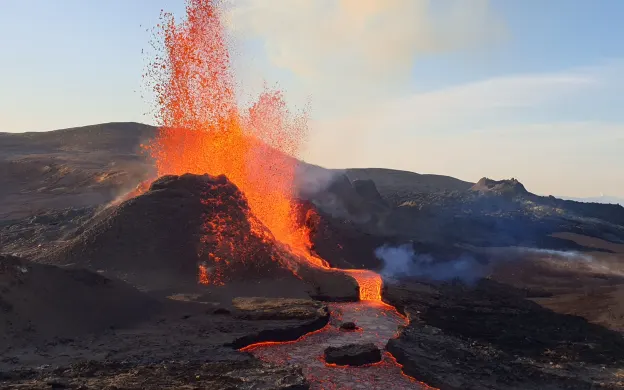
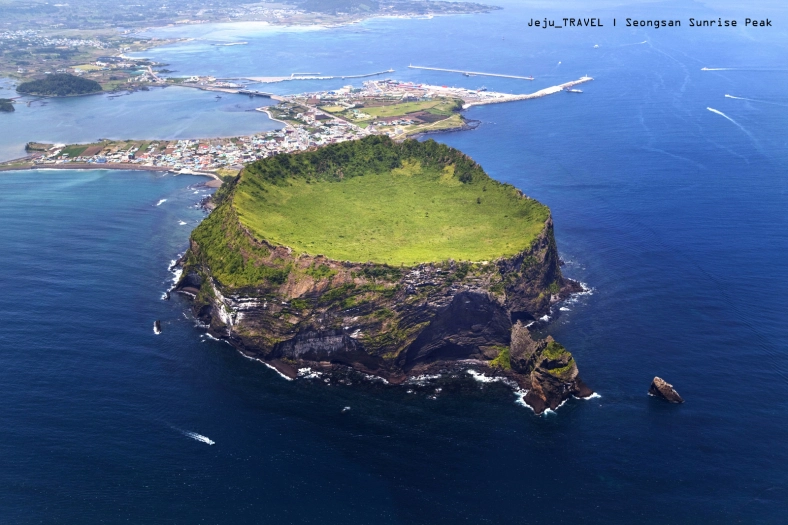
- Volcanic Wonders – Home to Hallasan, South Korea’s tallest mountain, and Seongsan Ilchulbong, a volcanic tuff cone perfect for sunrise lovers.
- Breathtaking Scenery – Golden beaches, rolling hills, and flower fields that change with the seasons.
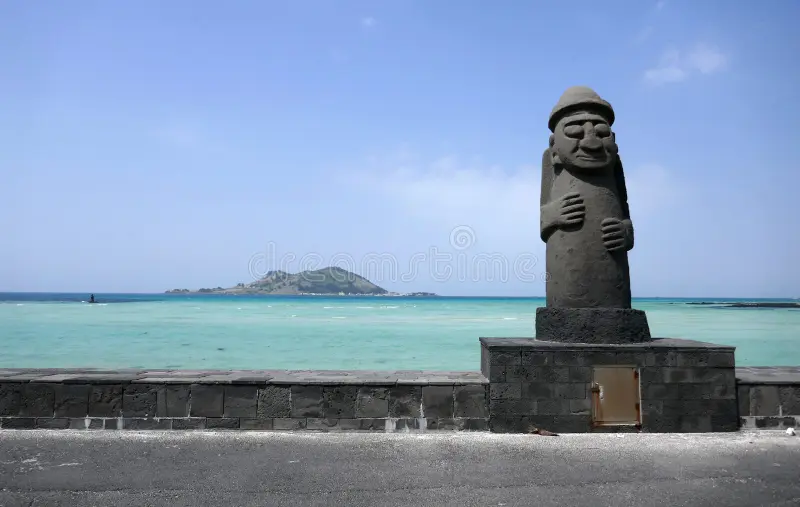
- Cultural Richness – From the legendary Haenyeo women divers to Dol Hareubang stone statues.
- Unique Flavors – Famous tangerines, Jeju black pork, and fresh seafood straight from the ocean.
- Year-Round Beauty – Spring blossoms, summer beaches, autumn hikes, and winter snowscapes.
Top Attractions & Adventures in Jeju
1- Conquer Hallasan Mountain
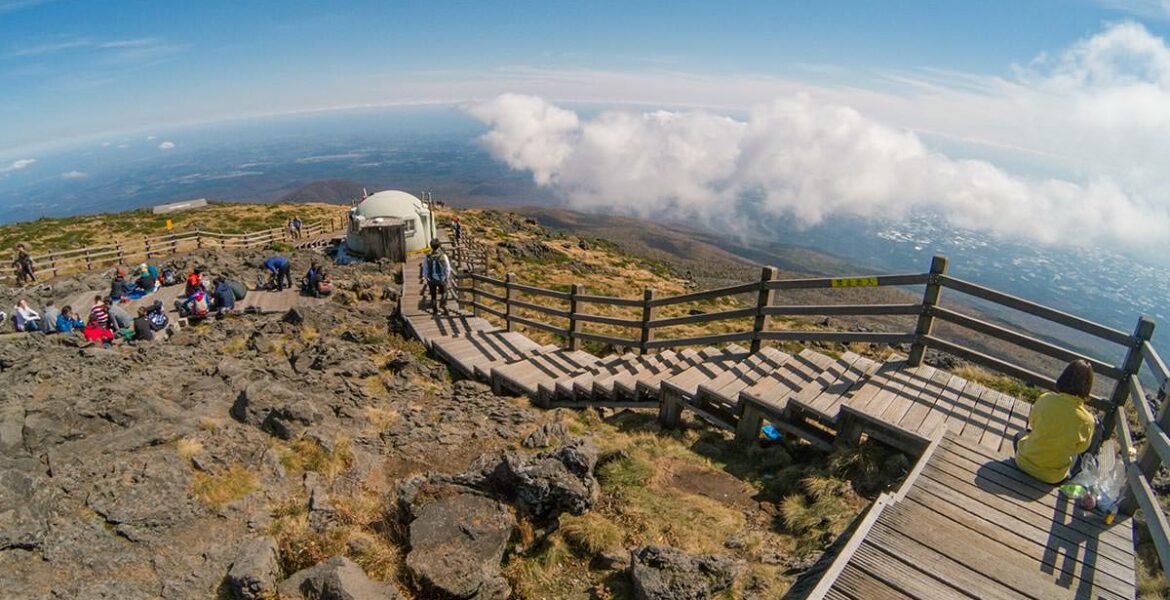
Standing at 1,950 meters, Hallasan is the centerpiece of Jeju. Multiple hiking trails lead through forests, volcanic craters, and alpine meadows. Reaching the summit rewards you with panoramic views of the island surrounded by the vast ocean.
2- Sunrise at Seongsan Ilchulbong (Sunrise Peak)
This UNESCO World Heritage site is a must. As the first rays of sun paint the sky, the volcanic crater glows golden—a sight you’ll never forget.
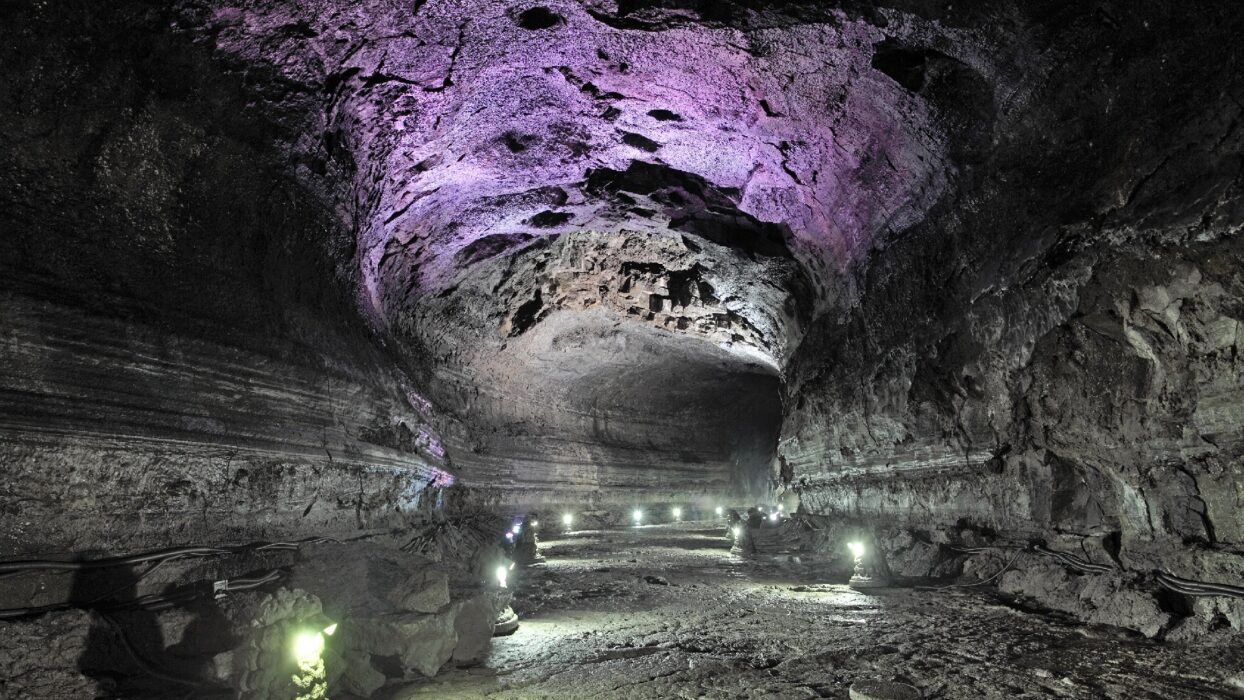
3- Explore Manjanggul Lava Tube
Step underground into one of the world’s largest lava tubes, a surreal tunnel with fascinating rock formations, stalactites, and eerie beauty.
4-Beaches for Every Mood
- Hyeopjae & Geumneung – White sand and turquoise waters, perfect for relaxation.
- Hamdeok – Family-friendly with calm waves and cafés lining the shore.
- Jungmun Beach – Surfers’ paradise with bigger waves and dramatic cliffs.
5- Chase the Waterfalls
Jeju is famous for its waterfalls:
- Jeongbang Waterfall – One of the few in Asia that plunges directly into the ocean.
- Cheonjiyeon Waterfall – Surrounded by lush greenery, a fairytale setting.
- Cheonjeyeon Falls – Known as “The Pond of God,” with three cascading tiers.
6- Escape to Udo Island
Just 15 minutes by ferry, Udo is Jeju’s little sister. Explore by bike or scooter, enjoy peanut ice cream, and relax on coral beaches.
7- Walk the Olle Trails
Over 20 walking routes circle Jeju, leading you through coastal paths, fishing villages, farms, and forests. Each trail offers a different side of the island.
8- Dive into Museums & Culture
- Jeju Folk Village – Step back into the 19th century and discover traditional island life.
- O’sulloc Tea Museum – A green tea paradise with beautiful plantations.
- Jeju Love Land – A playful outdoor sculpture park, quirky and unique.
Jeju’s Unique Culture & Traditions
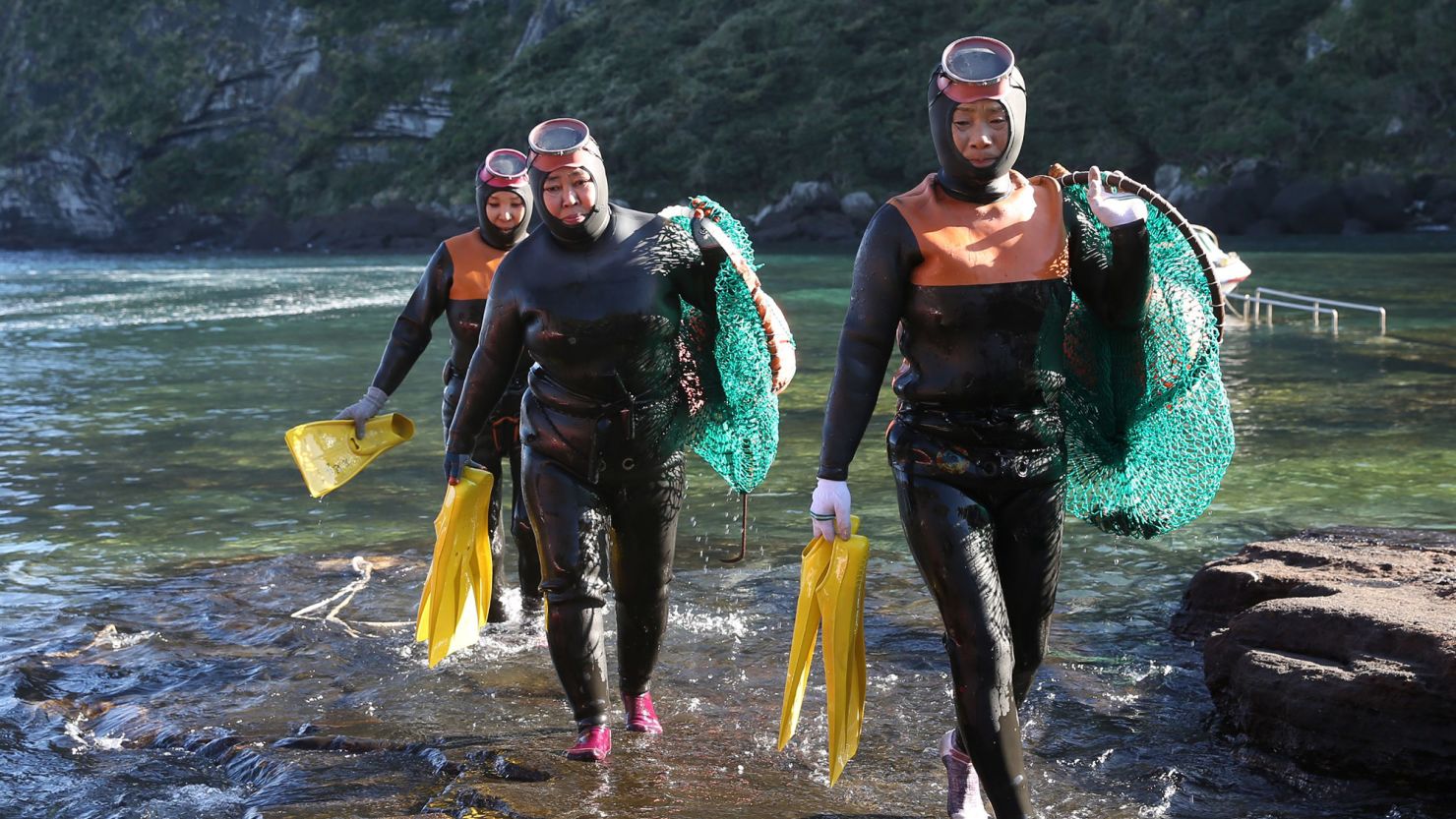
Haenyeo – The Women Divers
Jeju’s most iconic cultural symbol, the Haenyeo, are women who dive without oxygen tanks to collect abalone, octopus, and seaweed. Their courage and resilience earned them UNESCO recognition as Intangible Cultural Heritage.
Dol Hareubang – Stone Guardians
These large statues carved from volcanic rock are found across the island, believed to protect against evil spirits and symbolize fertility.
Folklore & Festivals
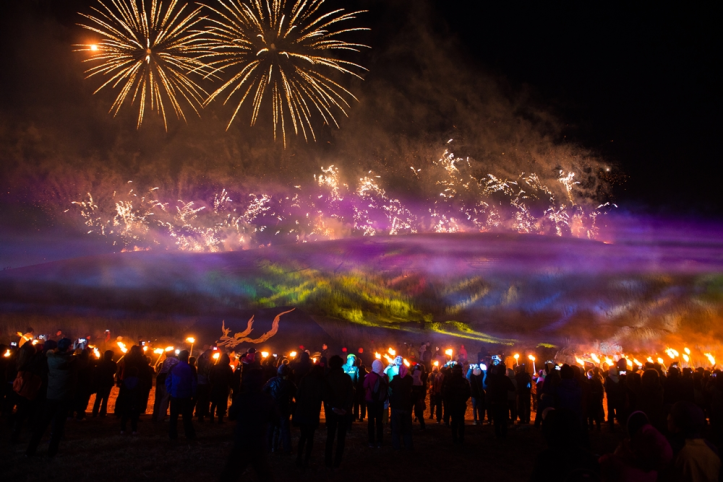
- Jeju Fire Festival – A dramatic celebration marking the start of farming season, with bonfires and fireworks lighting the night sky.
- Legends & Myths – From mountain spirits to sea gods, Jeju’s stories give its landscapes a magical aura.
Food & Flavors of Jeju
- Jeju Black Pork – Grilled to perfection, juicy and smoky, it’s Jeju’s most famous dish.
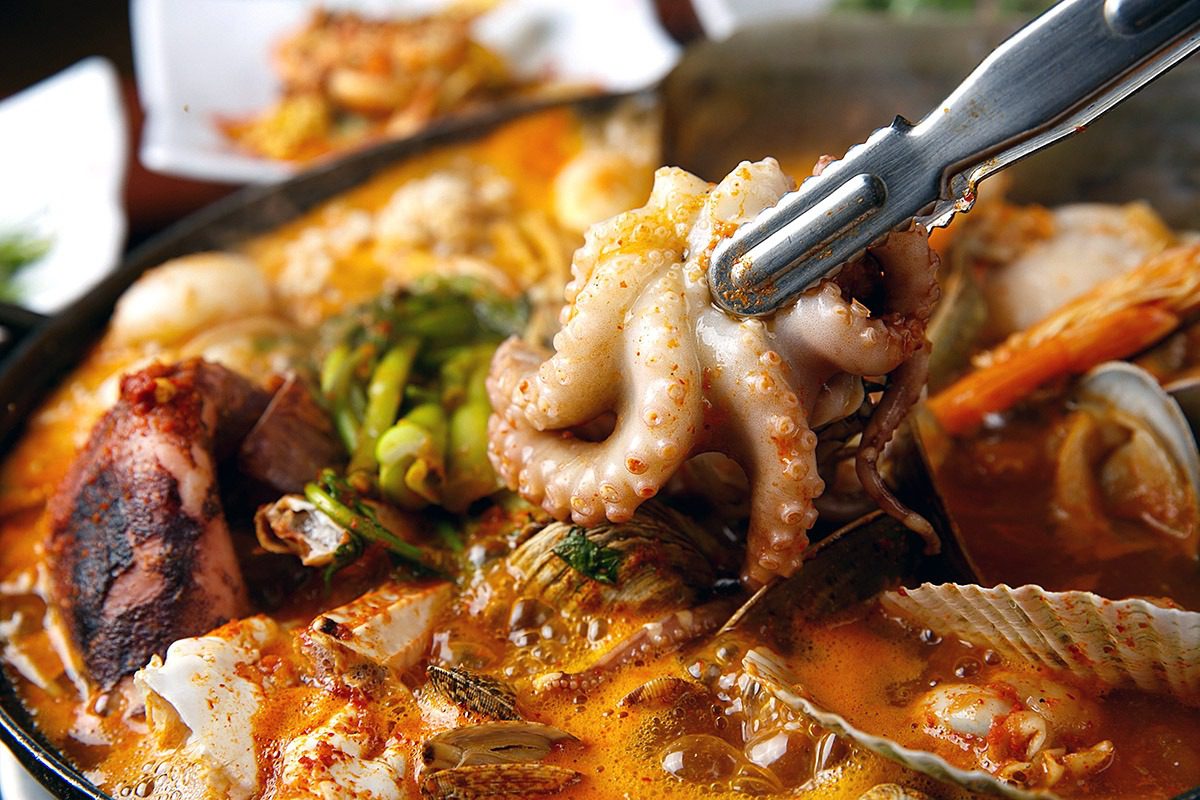
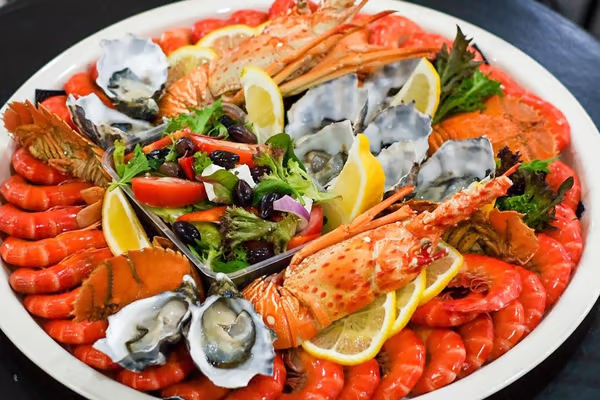
- Seafood Delights – From raw fish platters to seafood stews, fresh catches dominate local menus.
- Hallabong Oranges – Sweet, seedless citrus that thrive in Jeju’s fertile volcanic soil.
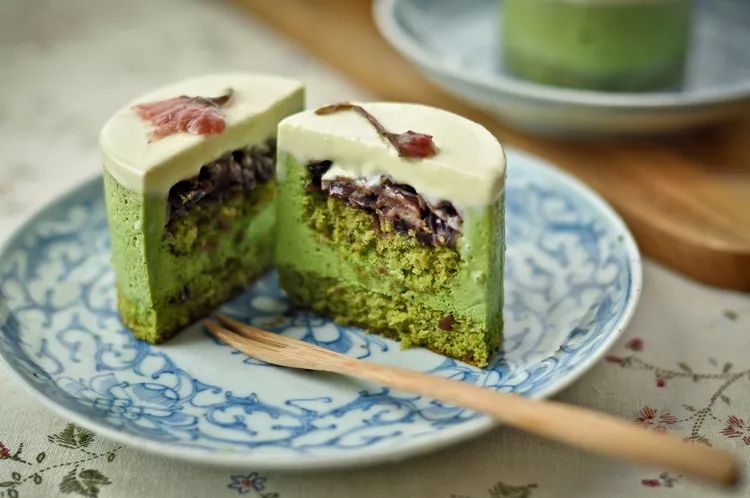
- Green Tea & Desserts – The O’sulloc plantations produce some of Korea’s best green tea, used in cakes, lattes, and ice cream.
Best Time to Visit Jeju
- Spring (March–May) – Fields of canola flowers and cherry blossoms.
- Summer (June–August) – Peak beach season with lively festivals.
- Autumn (September–November) – Cooler weather, stunning foliage, ideal for hiking.
- Winter (December–February) – Snowy Hallasan and fewer tourists, perfect for peaceful getaways.
Travel Tips for Visitors
- Transport – Renting a car is highly recommended, as public buses don’t cover all scenic spots.
- Where to Stay – Jeju City for convenience, Seogwipo for nature, or luxury resorts in Jungmun.
- Insider Tips – Book early for festivals, wear comfy shoes for trails, and try to learn a few Korean phrases—it goes a long way.
Jeju Island isn’t just a place to visit—it’s a destination to live, breathe, and remember forever. From volcanic peaks and hidden waterfalls to rich traditions and irresistible flavors, every moment here feels like stepping into a dream.
Ready to turn this dream into reality?
With Nutrition Travels, your journey to Jeju Island becomes more than a trip—it becomes an adventure tailored to your soul.