
For centuries, herbs have been trusted as natural allies against the common cold, offering comfort and healing when modern medicine provides only temporary relief. Colds affect millions worldwide every year, bringing symptoms like sore throat, congestion, fatigue, and runny nose. Today, more people are rediscovering the power of herbal remedies—not just for symptom relief, but also for boosting immunity and supporting overall wellness. In this article, we’ll dive into the most effective herbs for colds, their proven benefits, practical ways to use them, and precautions to ensure safe consumption.
In this article, we will explore the most important herbs used in treating colds, their benefits, methods of use, and the precautions that should be taken.
Why Choose Herbs for Colds as Natural Remedies?
Choosing herbal remedies for colds isn’t just a tradition—it’s a science-backed approach with unique advantages:
1. Immune Support: Many herbs contain natural compounds that stimulate white blood cell activity.
2. Symptom Relief: Herbs help ease sore throats, reduce coughing, and open congested airways.
3. Antioxidant Power: Rich in flavonoids and anti-inflammatory agents that speed recovery.
4. Gentle & Safe: Compared to many over-the-counter medications, herbs generally cause fewer side effects and can be safely integrated into daily routines.

Key Herbs for Colds: Benefits and Uses:
1. Ginger:
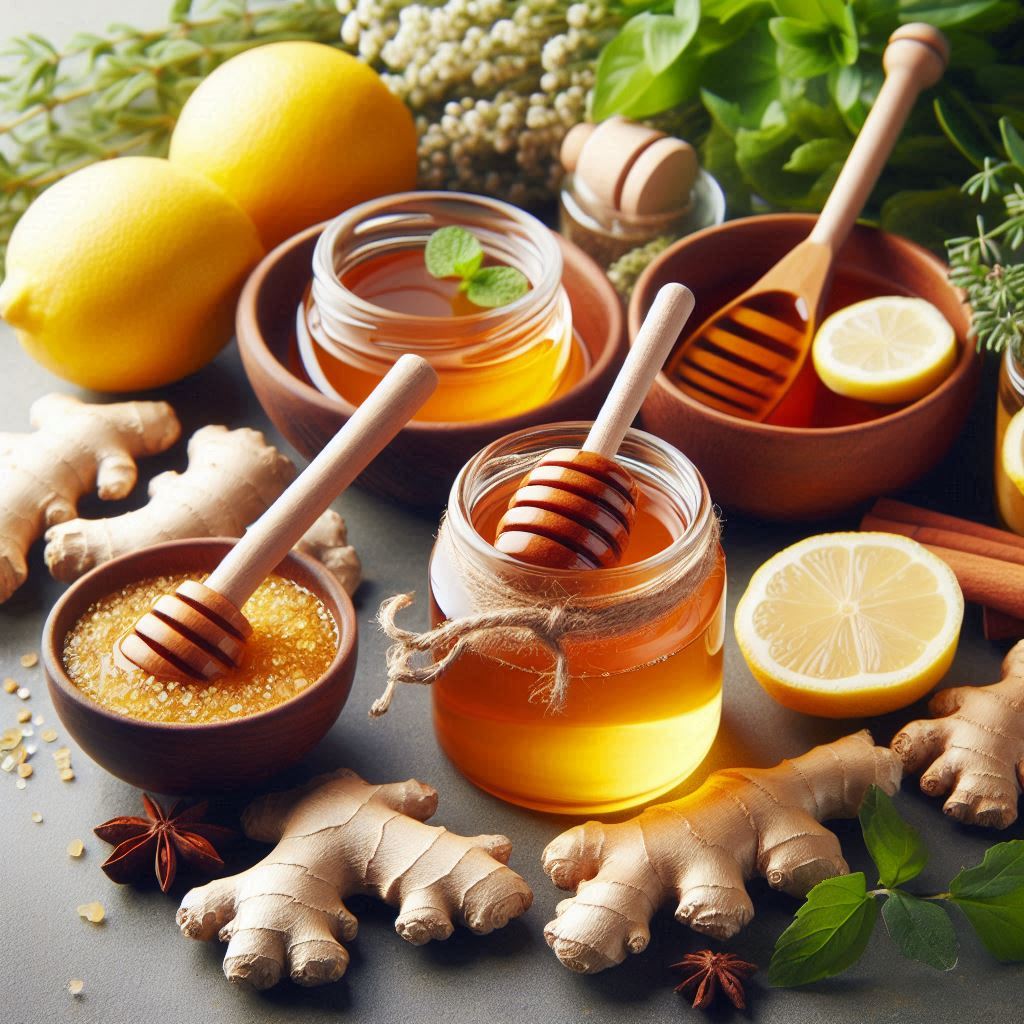
Ginger has long been a staple in natural cold remedies thanks to its bioactive compounds—gingerols and shogaols—that fight inflammation, reduce throat irritation, and calm nausea. It also warms the body, supporting circulation and faster recovery.
- How to use: Slice fresh ginger into boiling water, let it steep for 5–7 minutes, and sip it warm. For an extra boost, add honey and lemon for added antibacterial and vitamin C benefits.
2. Peppermint:
Peppermint is rich in menthol, a natural decongestant that opens blocked sinuses, eases breathing, and reduces coughing. It also soothes throat irritation and provides a refreshing cooling effect.
- How to use: Brew peppermint tea, inhale steam with a few drops of peppermint oil, or use sugar-free menthol lozenges to keep the airways clear.
3. Chamomile:
Chamomile is more than a calming bedtime tea—it’s a gentle herb with antibacterial and anti-inflammatory properties that fight infections, ease sore throats, and relax the body. It also improves sleep quality, which is vital for faster recovery.
- How to use: Steep dried chamomile flowers in hot water for 5 minutes, cover to retain the essential oils, and drink warm before bedtime.

4. Cinnamon:
Cinnamon, a warming spice, is packed with antioxidants that help fight winter infections. It loosens mucus, soothes coughs, and provides a comforting sense of warmth during cold weather. Its mood-lifting qualities also help reduce fatigue.
- How to use:
Simmer cinnamon sticks or powder in boiling water for 5 minutes. Drink as is, or mix with warm milk and honey for a soothing cold remedy.
5. Anise:
Anise seeds are a traditional winter favorite thanks to their antiviral, expectorant, and soothing properties. They reduce inflammation in the throat and tonsils while helping clear phlegm and calm persistent coughs.
- How to use: Prepare anise tea 2–3 times daily, sweetened with a teaspoon of honey to boost its soothing effects.
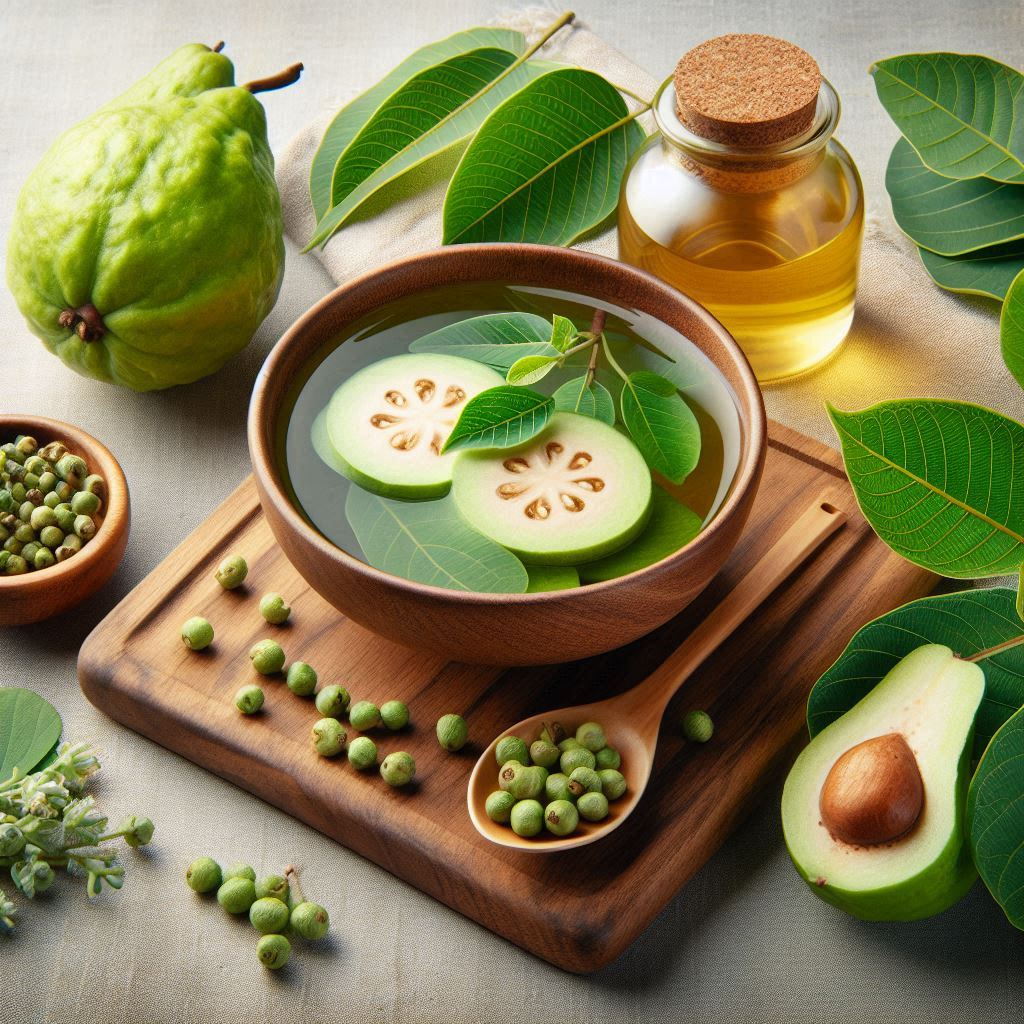
6. Guava Leaves:
Guava leaves are an underrated herbal powerhouse, rich in flavonoids that relax airways, reduce cough frequency, and help the lungs fight infections. They are particularly effective for stubborn or chronic coughs.
- How to use: Boil guava leaves in water, cover for 10 minutes, and drink warm twice daily.
Best Practices for Using Herbs for Colds:
1. Early action: Begin herbal remedies as soon as symptoms appear for best results.
2. Consistency matters: Drink herbal infusions regularly throughout the illness.
3. Smart combinations: Pair herbs like ginger, lemon, and honey for extra relief—but avoid mixing too many herbs at once, which may dilute their benefits.
Precautions When Using Herbs for Colds:
1. Allergies: Herbs like chamomile may trigger allergic reactions in sensitive individuals.
2. Special groups: Pregnant women, breastfeeding mothers, and children should seek medical advice before use.
3. Drug interactions: Certain herbs (e.g., garlic or ginger) may interact with blood thinners or other medications.
4. Quality assurance: Always buy herbs from trusted sources to avoid contamination or poor-quality products.
Herbal remedies are not a miracle cure, but they offer a safe, effective, and time-tested way to ease cold symptoms, boost immunity, and bring comfort during recovery. When combined with rest, hydration, and a healthy lifestyle, herbs can help shorten the duration and intensity of colds.
At Nutrition Travels, we’re committed to bringing you science-backed guidance and practical tips on natural remedies and nutrition—helping you make smart choices for lasting health and wellness.