
Carbohydrates—some people love them, others fear them. If you’re active or trying to improve your fitness, you’ve probably wondered: Are carbs helping my workouts, or are they standing in the way of my goals?
In the world of nutrition, few topics spark as much debate as carbs. On one hand, they’re often blamed for weight gain and low energy crashes. On the other, athletes and trainers swear by them as the body’s primary fuel. So, are carbs a friend or an enemy when it comes to exercise? Let’s break it down.

What Role Do Carbs Play in the Body?
Carbohydrates are the body’s preferred source of energy. When you eat carbs, they break down into glucose, which fuels your muscles and brain. During exercise, your body taps into stored glycogen (carbs stored in your muscles and liver) to power movement.
Without enough carbs, you may feel sluggish, weak, or unable to perform at your best. But too many carbs—especially from refined sources—can lead to weight gain and poor blood sugar control. Balance is key.
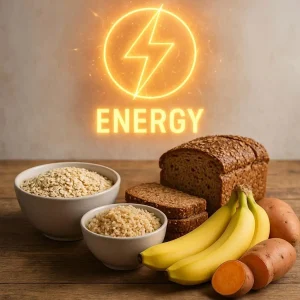
The Benefits of Carbs for Exercise
- Quick Energy Boost: Carbs provide fast, accessible energy, making them essential for high-intensity workouts like sprinting, weightlifting, or HIIT training.
- Improved Endurance: Long-distance runners, cyclists, and athletes often rely on carb-loading before big events. This helps maximize glycogen stores and delay fatigue.
- Faster Recovery: After exercise, carbs help replenish glycogen stores, reducing muscle breakdown and speeding up recovery when paired with protein.
- Mental Focus: Since the brain runs primarily on glucose, carbs help you stay sharp and focused during workouts—and throughout the day.

The Downsides of Too Many Carbs
While carbs are important, overdoing them can backfire:
- Weight gain: Excess carbs can be stored as fat if not burned off.
- Energy crashes: Refined carbs (white bread, pastries, sugary drinks) cause quick spikes in blood sugar, followed by sudden drops.
- Inflammation risk: Processed carbs may contribute to chronic inflammation if consumed in large amounts.

Carbs and Different Types of Exercise
-
Strength Training
Carbs help fuel heavy lifts by supplying quick bursts of energy. A moderate intake before training supports performance, while carbs + protein post-workout boost muscle recovery.
-
Endurance Training
For long sessions (over 60 minutes), carbs are critical. Without them, the body may break down muscle tissue for energy. Runners, cyclists, and swimmers often benefit from carb-rich meals before and during activity.
-
Low-Intensity Exercise
During walking, yoga, or light activity, the body relies more on fat for fuel. Carbs aren’t as essential here, but they can still help maintain steady energy.

How to Use Carbs Wisely for Exercise
-
Choose quality carbs:
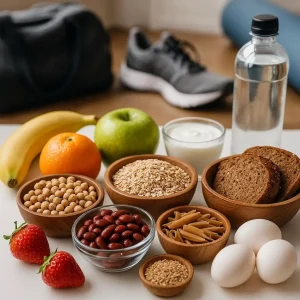
Go for whole grains, fruits, vegetables, beans, and legumes instead of refined sugars.
-
Time your intake:
Pre-workout: A small carb-based meal or snack 1–3 hours before training.
Post-workout: Carbs + protein within 30–60 minutes to refuel and repair.
-
Listen to your body:
Some people thrive on higher-carb diets, while others feel better with moderate intake.
-
Stay hydrated:
Carbs are stored with water—so hydration plays a big role in how well your body uses them.
Carbs: Friend or Enemy?
The truth is, carbs are neither good nor bad—they’re a tool. Used wisely, they fuel workouts, enhance recovery, and support long-term fitness. Misused, they can slow you down and affect your health.
Instead of labeling carbs as the “enemy,” think about how they fit into your lifestyle, goals, and training routine.
Carbs aren’t the villain they’re often made out to be. For active people, they’re actually one of your biggest allies. The key lies in choosing the right carbs, eating them at the right times, and balancing them with protein and healthy fats.
Next time you lace up your sneakers, remember: carbs can be the fuel that powers you through your workout, boosts your recovery, and helps you hit your goals faster.
Want more expert tips on nutrition and fitness? Visit Nutrition Travels for practical guides, meal ideas, and strategies to help you perform at your best—both in and out of the gym.