Tourism in Bosnia offers a rare blend of untouched charm, natural beauty, and historical richness. Nestled in the heart of the Balkans, Bosnia captivates visitors with its towering mountains, clear rivers, cultural landmarks, and centuries of peaceful coexistence between religions and traditions. In this guide, explore the most breathtaking destinations Bosnia has to offer—where history, nature, and hospitality come together.
The Magic of Nature in the Heart of Bosnia:
1- Mountains and Green Forests:
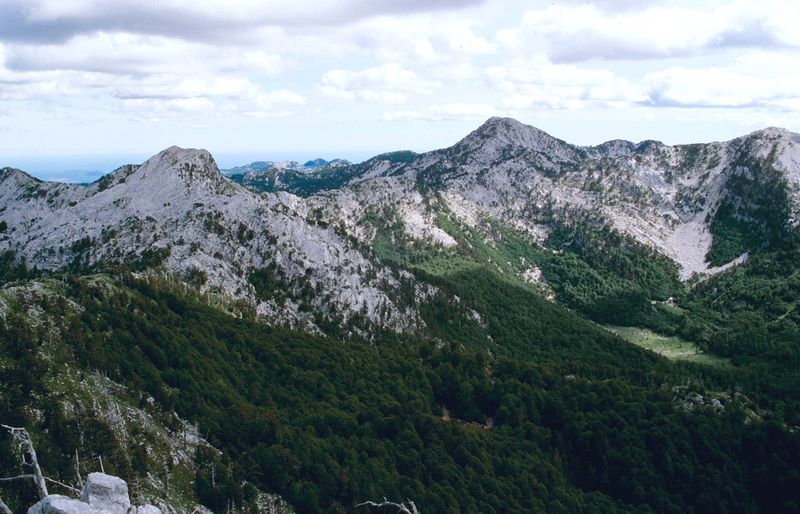
Mountains cover more than half of Bosnia’s territory, making it an ideal destination for nature lovers. Among the most famous mountain ranges is the Dinaric Alps, home to charming mountain villages and hiking trails, especially in the summer.
2- Rivers and Waterfalls:
One of the most famous rivers in the country is the Neretva River, which flows through the city of Mostar and is considered one of the purest rivers in Europe. Also, Kravice Waterfalls are a stunning natural attraction, with water flowing through green trees in a scene that adds a sense of serenity.
3- National Parks:
Don’t miss Una National Park, known for its turquoise rivers and waterfalls, where you can enjoy rafting and camping. Also, Sutjeska National Park is one of Europe’s oldest forests and includes Mount Maglić, the highest peak in Bosnia.
Top Tourist Cities in Bosnia:
1- Sarajevo: Where East Meets West:
Sarajevo, the capital of Bosnia, is a vibrant city full of stories. Its rich history is evident in every corner and reflects a unique coexistence of religions and cultures.
- Baščaršija: Start your tour in the heart of old Sarajevo. This bustling Ottoman bazaar is perfect for strolling through narrow alleys, shopping for traditional handicrafts, and enjoying the aroma of Bosnian coffee at one of its vintage cafés. Don’t miss taking a photo at Sebilj Fountain, the iconic wooden fountain and a symbol of the city.
- Tunnel of Hope: A living testimony to the city’s resilience during the siege of the 1990s. This tunnel was Sarajevo’s lifeline, used to transport supplies and humanitarian aid. Today, it offers a powerful insight into human determination.
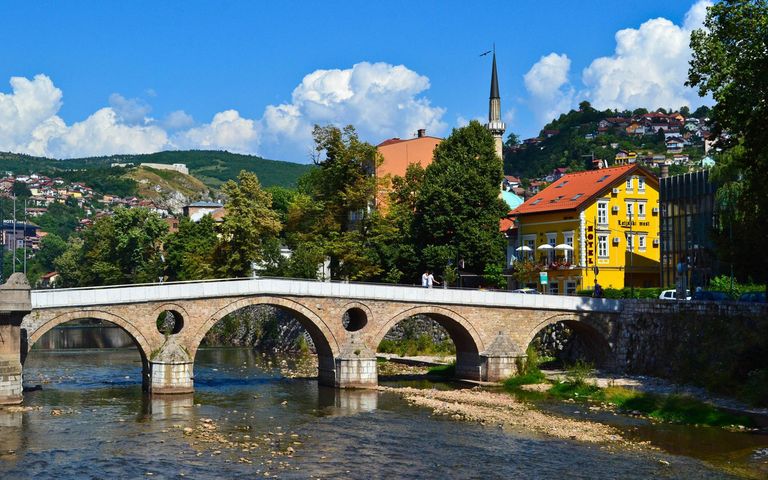
- Latin Bridge: A historic bridge dating back to the 16th century, globally known as the site of the assassination of Archduke Franz Ferdinand—the event that triggered World War I.
- Religious Diversity: What makes Sarajevo special is the unique harmony between mosques, Orthodox and Catholic churches, and synagogues, standing side by side as a symbol of tolerance.
- National Museum of Bosnia and Herzegovina: The largest museum in the country, housing rich collections that tell the story of Bosnia from prehistoric times to the modern era.
2- Mostar: The Charm of the Old Bridge and the Spirit of the East:
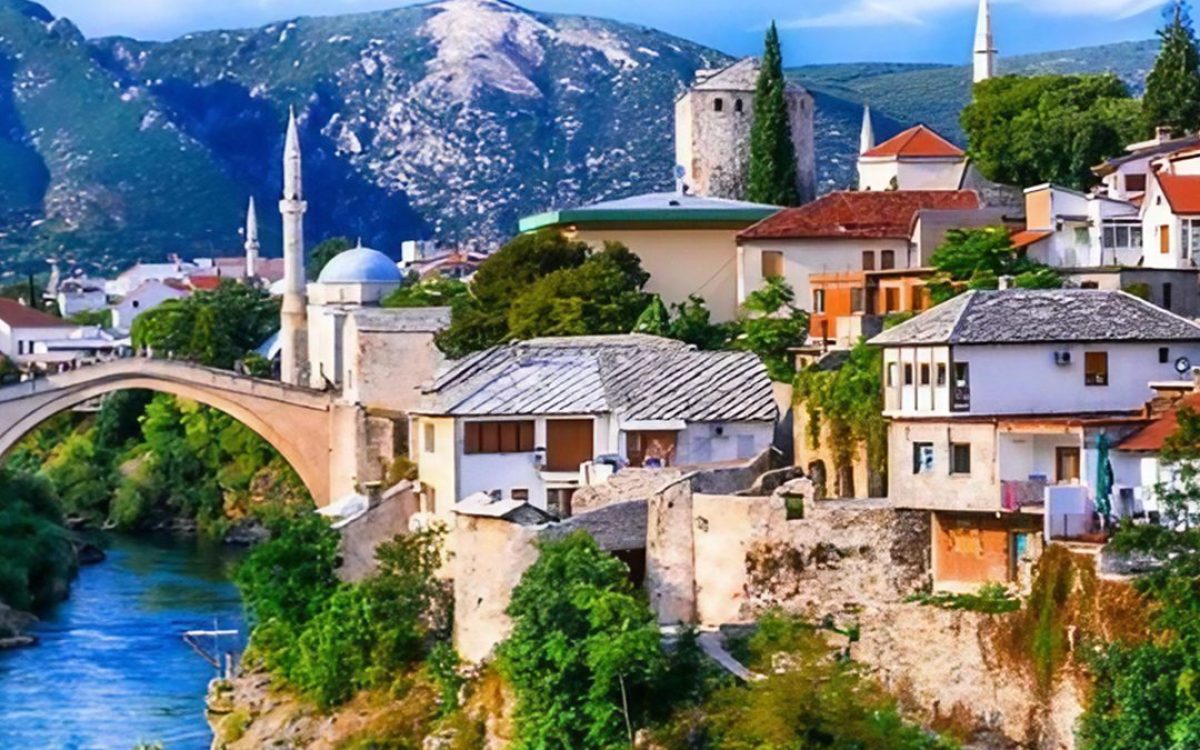
Mostar is one of the most beautiful cities in Bosnia and is known for its Old Bridge (Stari Most), which is listed as a UNESCO World Heritage Site. It’s more than just a bridge—it’s a symbol of resilience and cultural connection.

- The Old Bridge: Watch local youth dive fearlessly from the top of the bridge into the cool turquoise waters of the Neretva River—an age-old tradition symbolizing bravery.
- The Old Town: Surrounding the bridge are cobblestone streets filled with traditional markets selling local crafts, from shiny copperware to colorful rugs.
- Neretva River: With its emerald-clear waters, this river is ideal for boat rides or enjoying a meal at one of the many riverside restaurants.
3- Blagaj: Tranquility and the Beauty of Sufi Architecture:
Just a short drive from Mostar lies the peaceful village of Blagaj, home to the Blagaj Tekke, a Dervish monastery spectacularly built on the edge of a cliff next to the source of the Buna River.
- Blagaj Tekke: A breathtaking site that blends natural beauty with stunning architecture. The source of the Buna River is one of the largest karst springs in Europe, with crystal-clear blue water that makes the spot ideal for relaxation.
- Buna River: Don’t miss the chance to enjoy coffee or a traditional meal at one of the cafés overlooking the spring—or even go rafting in its refreshing waters.
4- Kravice Waterfalls: Bosnia’s Hidden Paradise:
Often referred to as the “Niagara of Bosnia,” Kravice Waterfalls are a natural masterpiece. A collection of cascading waterfalls pouring into a natural lake, forming an unforgettable scene.
- Swimming and Relaxation: In summer, visitors can swim in the refreshing waters beneath the falls—a truly unforgettable experience amidst lush greenery.
A Journey Through Bosnia’s Deep History:
1- Traces of the Islamic and Ottoman Eras:
Bosnia was part of the Ottoman Empire for centuries, which is clearly reflected in its Islamic architecture:
- Domed mosques with elegant minarets
- Traditional hammams and covered markets
- Ottoman stone bridges scattered across the country

2- Remnants of War and Conflict:
Modern Bosnia still bears the scars of the 1990s civil war. Notable sites include:
- Documentation museums in Sarajevo, explaining the conflict’s history
- Sarajevo Tunnel (Tunnel of Hope), which helped the city survive during the siege
3- Villages and Rural Homes:
Visiting Bosnian villages offers a unique experience with wooden and stone houses and warm hospitality. Many of these villages offer tourist accommodations in the heart of nature.
Best Time to Visit Bosnia:
- Spring (April – June): Pleasant weather and nature at its finest.
- Summer (July – September): Ideal for outdoor activities and city visits.
- Winter (December – February): Perfect for skiing, especially in areas like Mount Jahorina.
Tourism in Bosnia is not just a typical trip—it’s a complete experience that combines natural beauty, rich history, and warm people. Whether you’re an adventure seeker, a peace lover, or someone passionate about Islamic heritage, Bosnia offers everything you dream of and more.
Not sure where to start? At Nutrition Travels, we’ve gathered everything you need: detailed guides, top destination picks, and practical tips based on real experiences. 👉 Don’t waste time searching aimlessly—start your journey with us and let Bosnia open the doors to stories you’ll never forget.