

Have you ever wondered why some days your child seems calm and focused, while on others they’re restless or irritable? The answer might be on their plate.
Nutrition isn’t just fuel for little bodies — it feeds growing minds and shapes emotions, focus, and daily behavior in ways more powerful than most parents realize.

How Food Shapes Your Child’s Mood and Mind:
It’s easy to connect food with physical health — but what your child eats also whispers quietly into their behavior. Every bite fuels not only the body, but the brain’s delicate chemistry, shaping how they feel, focus, and interact with the world around them.
The brain contains a set of chemical messengers known as neurotransmitters, including:
- Dopamine: linked to reward and motivation
- Serotonin: linked to mood and calmness
- Norepinephrine: linked to attention and focus
Key Nutrients That Affect Children’s Behavior:
Your child’s moods and behaviors aren’t just written by their environment — they’re shaped by what’s on their plate. Here’s a closer look at the key nutrients that can turn stormy days into calm ones and help little minds stay clear and focused:
1- Omega-3:
Play a vital role in brain development and cognitive function. A deficiency can lead to concentration issues and hyperactivity.
Sources: Fatty fish like salmon, flaxseeds, walnuts, fish oil.

2- Iron:
Essential for delivering oxygen to the brain. A lack of iron is linked to fatigue, poor focus, and irritability.
Sources: Red meat, liver, lentils, spinach, fortified cereals.
3- Zinc:
Important for nervous system development and appetite regulation. Zinc deficiency can result in heightened irritability and weakened immunity.
Sources: Meat, legumes, nuts, whole grains.
4- Magnesium:
Has a calming effect on the nervous system. A deficiency may cause anxiety and sleep disturbances.
Sources: Leafy greens, almonds, bananas, brown rice.
5- Vitamins B6 and B12:
Crucial for the production of neurotransmitters. A deficiency may lead to hyperactivity, anxiety, and mood swings.
Sources: Meat, eggs, dairy, whole grains.
What to Put on Their Plate for Calmer Days:
1- Vegetables:
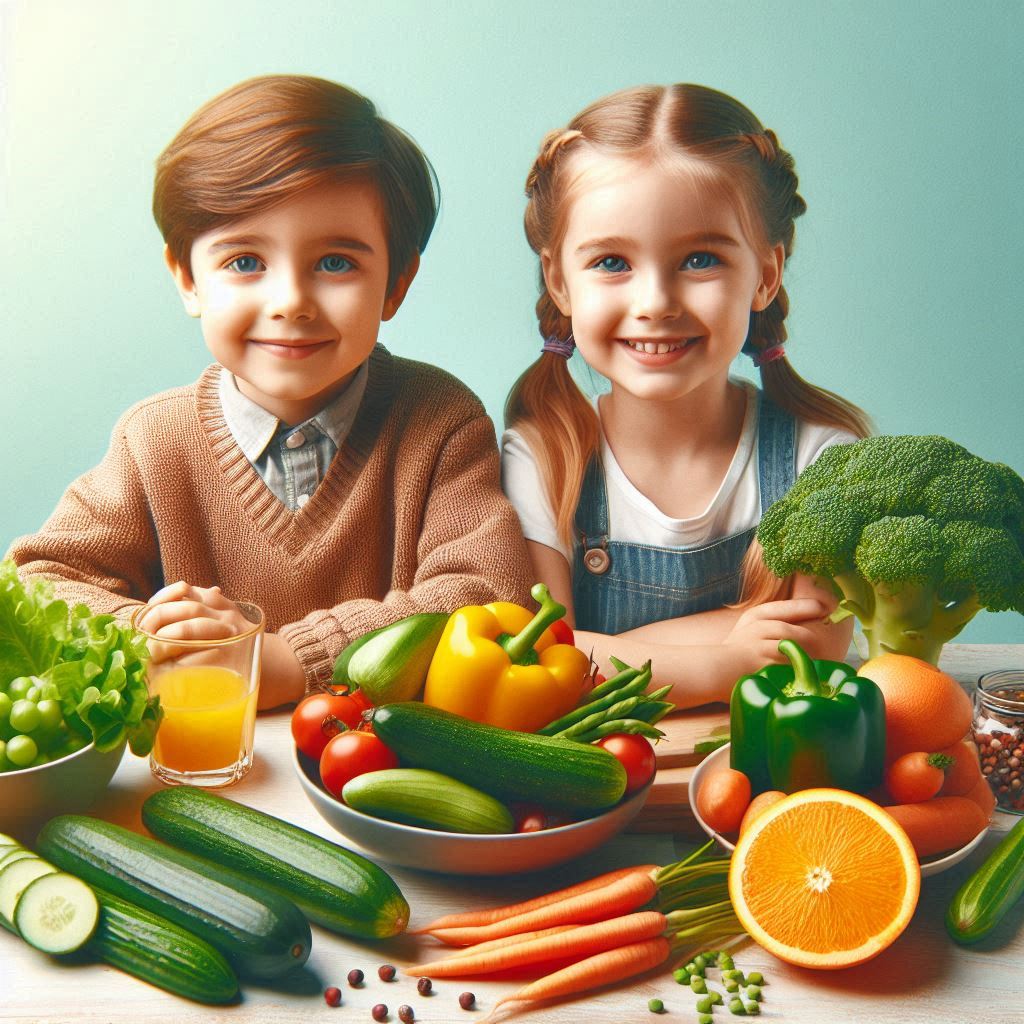
Especially fresh vegetables help calm the child. Experts recommend including: bell peppers, carrots, spinach, leafy greens, cauliflower, and broccoli.
2- Whole Grains:
Rich in B-complex vitamins, which support relaxation and promote the brain’s production of serotonin—a neurotransmitter that encourages calmness and happiness.
3- Nuts:
Especially almonds and walnuts, which help reduce stress and anxiety, leading to fewer tantrums and calmer behavior.
4- White Meats:
Chicken and turkey are excellent calming foods due to their high tryptophan content. Tryptophan works alongside serotonin to soothe the nervous system.
5- Salmon:
Salmon promotes mental clarity and focus in children. These fatty fish also help stabilize mood swings.
Practical Tips to Improve Your Child’s Behavior Through Nutrition:
1- Start the day with a balanced breakfast that includes protein, complex carbohydrates, and fruit.
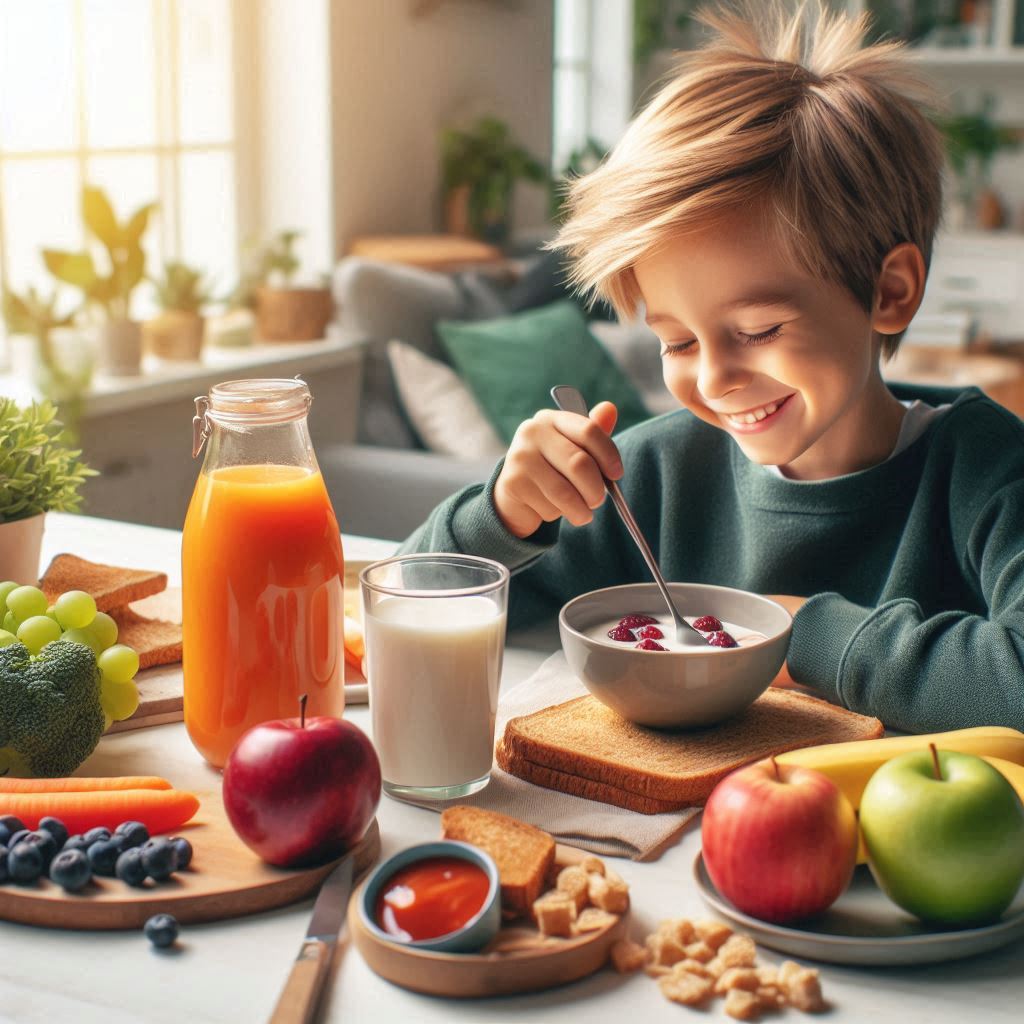
2- Limit sugary foods, especially in the morning or before bedtime.
3- Regularly include omega-3-rich foods in your child’s meals.
4- Ensure your child gets essential vitamins and minerals either through food or doctor-recommended supplements.
5- Encourage drinking water and avoiding soft drinks.
6- Observe your child’s reactions to certain foods to spot any behavioral triggers.
Good nutrition is more than healthy bodies — it’s the foundation for balanced minds, calm days, and brighter futures. When you understand how food affects your child’s mood and behavior, you’re empowered to make simple, loving choices every day that help them thrive.
At Nutrition Travels, we believe mindful eating is part of mindful parenting. We’re here to help you make every meal a small step toward a calmer, happier child.
We provide science-backed, practical guidance to help you apply healthy eating in your child’s daily life in a fun and child-friendly way. Follow us to discover how food can make a real difference in your child’s growth, mood, and behavior.