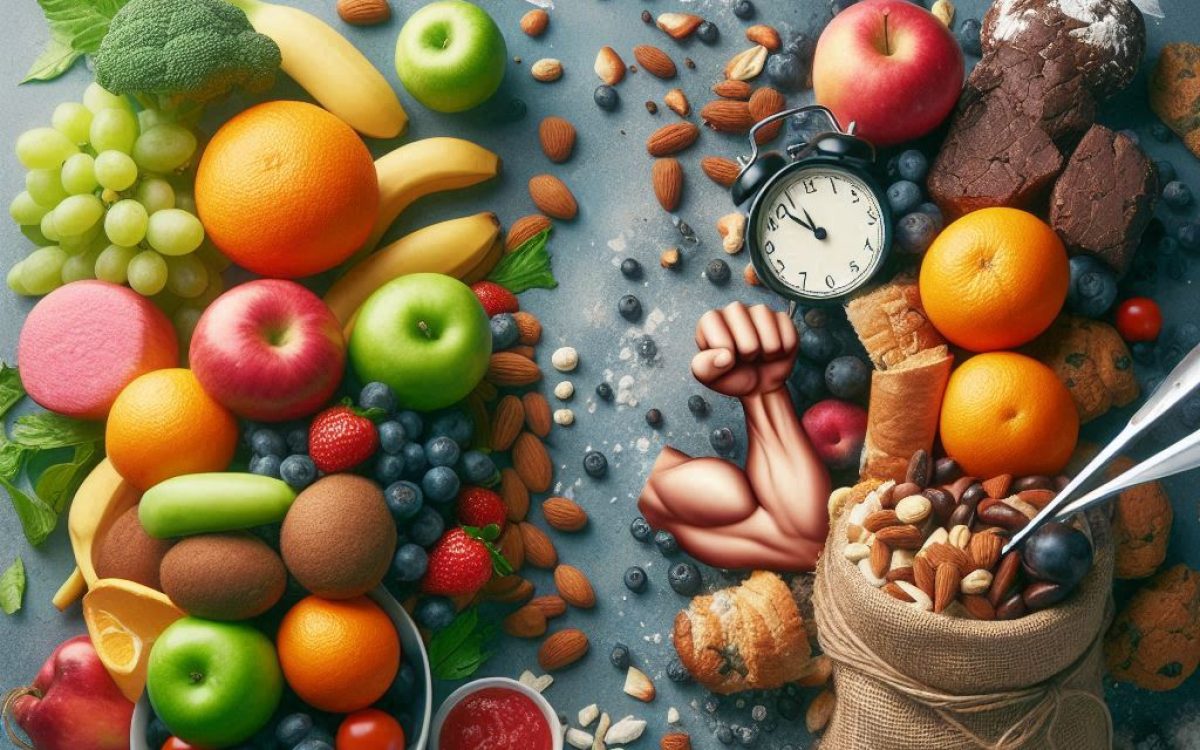
Balanced nutrition is no longer a luxury or a secondary option; it has become a necessity in our modern world—one where psychological stress and poor dietary habits are becoming increasingly common. With rising health awareness, many people are beginning to understand the importance of eating balanced meals to maintain ideal weight and overall health. At the same time, crash diets continue to tempt some with quick fixes and immediate results.
In this article, we’ll dive deep into the comparison between balanced nutrition and crash diets, to explore which is more effective, safer, and offers longer-lasting benefits.
1. Definitions: What Is Balanced Nutrition? What Are Crash Diets?
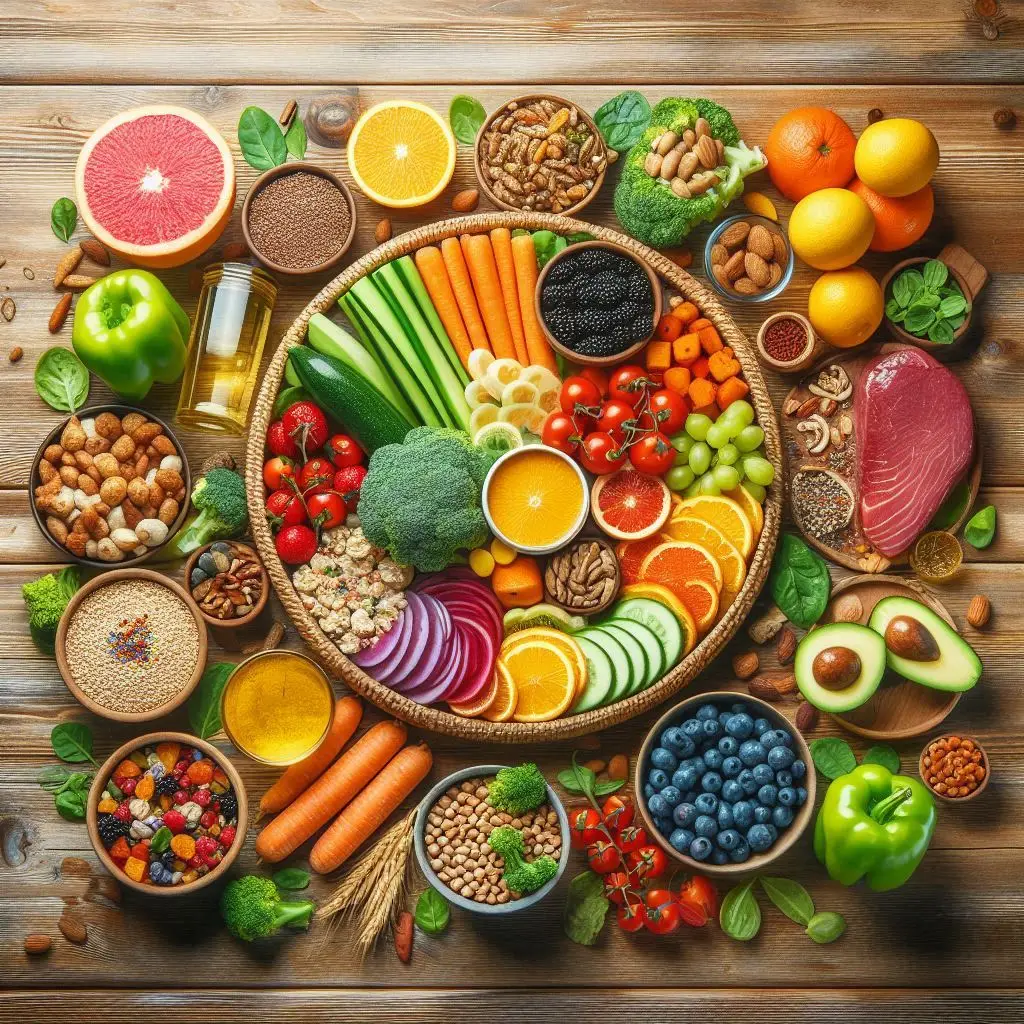
What is balanced nutrition?
Balanced nutrition refers to a dietary pattern that provides the body with all essential nutrients—proteins, carbohydrates, healthy fats, vitamins, and minerals—from natural sources and in moderate quantities.
It’s not a temporary diet, but a long-term lifestyle aimed at maintaining a healthy weight and overall well-being.
What are crash diets?
Crash diets (or extreme diets) are restrictive eating plans that involve significantly reducing calorie intake or eliminating entire food groups (like carbohydrates or fats) to achieve rapid weight loss in a short period. These diets are often unbalanced and can lead to negative side effects.
2. Key Differences Between the Two Approaches
| Aspect | Balanced Nutrition | Crash Diets |
| Goal | Maintain health and ideal weight | Rapid weight loss only |
| Duration | Long-term (lifestyle choice) | Short-term |
| Nutritional Balance | Includes all food groups | Often excludes essential nutrients |
| Results | Gradual and stable | Fast but unstable |
| Effect on the body | Supports immunity, energy, and brain function | Causes fatigue, muscle loss, general weakness |
| Sustainability | High | Very low |
| Health Risks | Low or nonexistent | High |
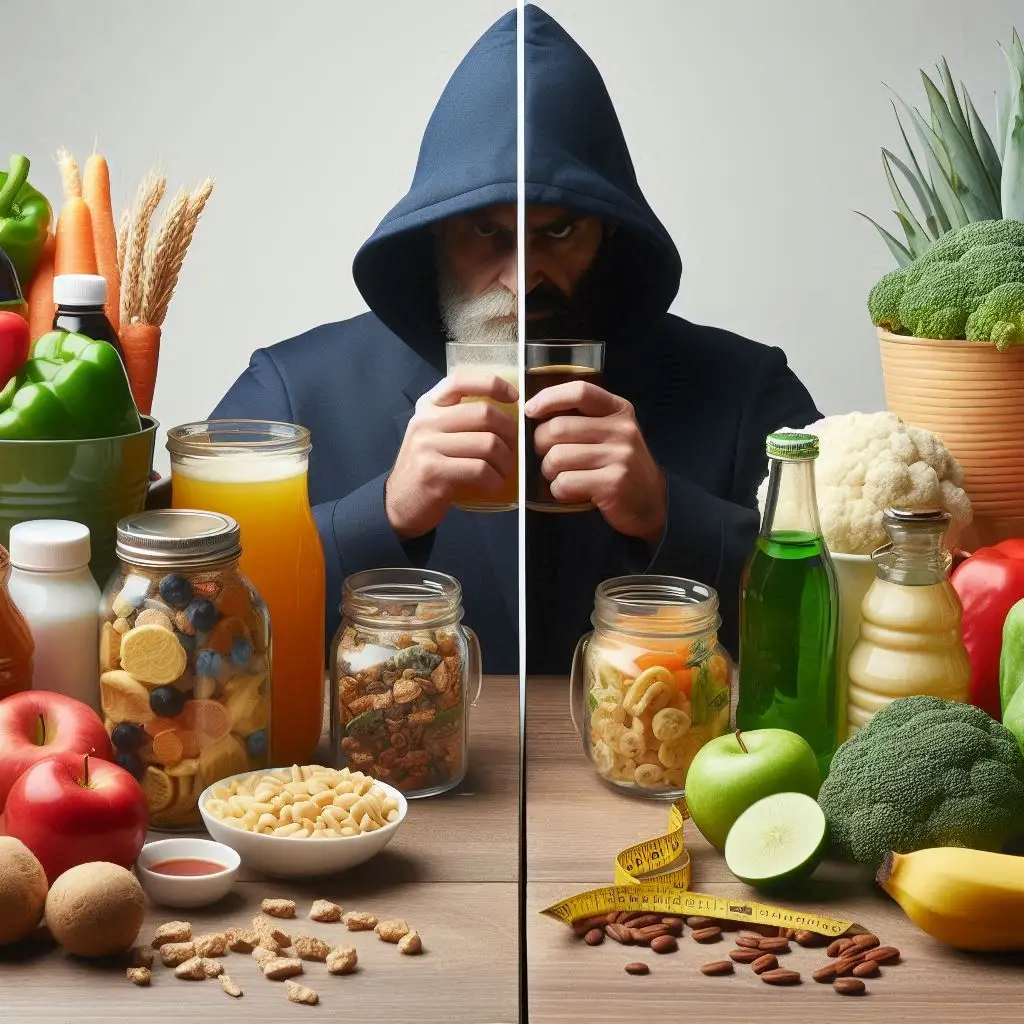
3. What Happens to the Body on a Crash Diet?
When calorie intake is drastically reduced or entire food groups are eliminated, the body enters “survival mode,” rapidly depleting its energy reserves. As a result, this can lead to:
- Loss of muscle instead of fat
- Sudden drop in energy and mood
- Slowed metabolism
- Weakened immune system
- Skin, hair, and nail issues
- The “yo-yo” effect—rapid weight loss followed by quick regain
4. How Does Balanced Nutrition Work Effectively?
Balanced nutrition doesn’t rely on deprivation or starvation. Instead, it focuses on:
- Distributing meals into 3 main and 2 small meals per day
- Eating moderate amounts from each food group
- Choosing healthier alternatives (e.g., plant-based fats instead of trans fats)
- Monitoring portion size and quality
- Drinking water regularly
- Incorporating daily movement and physical activity
This dietary pattern provides the body with all it needs to function efficiently, without pressure or deficiency.

5. Psychological Impact: Balanced Nutrition vs. Crash Diets
Balanced Nutrition:
- Promotes a healthy relationship with food
- Reduces guilt when enjoying occasional treats
- Builds self-confidence through mindful eating
- Helps stabilize mood and mental well-being
Crash Diets:
- Induce guilt when deviating from the “plan”
- Can lead to disordered eating like bingeing or anorexia
- Encourage all-or-nothing thinking
- Cause frustration when quick results don’t last
6. Real-Life Experiences and Scientific Studies
- A study published in The Lancet found that people who lost weight gradually through balanced eating were more likely to maintain it long-term compared to those who followed extreme diets.
- Personal stories often reveal that crash diets lead to skin, hair, and energy issues—pushing individuals to return to balanced eating shortly afterward.
- Health organizations like the World Health Organization (WHO) consistently recommend balanced nutrition and discourage the use of crash diets.

7. Can You Combine Both Approaches?
A newer approach, often called “nutritional rebalancing,” starts with a short, professionally supervised dietary reset. This is then followed by a gradual transition into a sustainable, balanced nutrition plan. Importantly, this method should always be guided by a licensed nutritionist to ensure safety and effectiveness.
8. The Long-Term Impact of Crash Diets
Crash diets may lead to:
- Kidney and liver strain due to nutrient imbalances
- Heart health issues from altered cholesterol levels
- A weakened immune system
- Negative effects on fertility and menstrual health in women
9. How to Begin Your Balanced Nutrition Journey
- Consult a registered dietitian to understand your body’s needs
- Learn to read food labels and avoid hidden sugars or trans fats
- Reduce consumption of processed, fried, and sugary foods
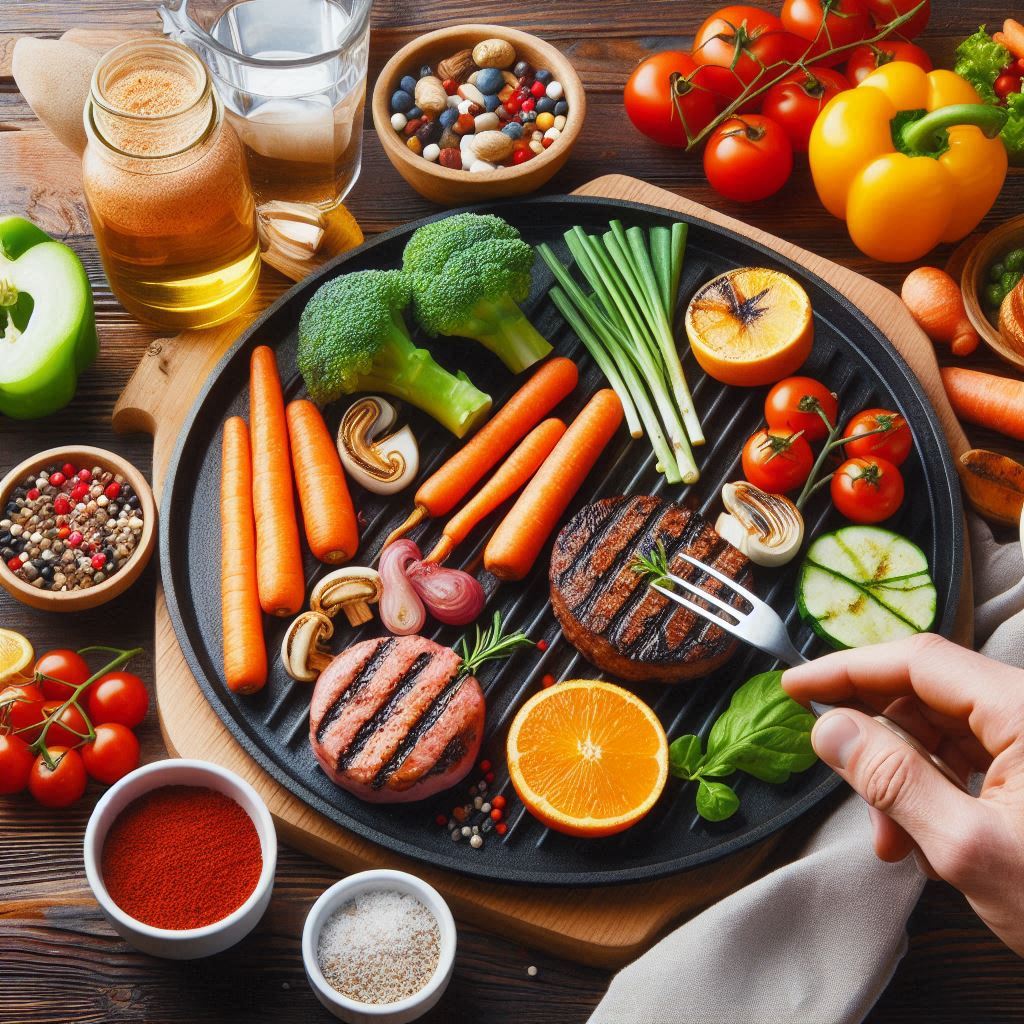
- Use healthy cooking methods like baking, steaming, or grilling
- Include fruits and vegetables in every meal
- Avoid deprivation—practice portion control instead
10. Quick Summary: Which One Lasts?
| Aspect | Balanced Nutrition | Crash Diets |
| Sustainability | ✅ Yes | ❌ No |
| Health safety | ✅ Safe | ❌ Risky in many cases |
| Relationship with food | ✅ Encourages positivity | ❌ Promotes guilt and stress |
| Energy and mood | ✅ Supports well-being | ❌ Often causes fatigue |
| Body impact | ✅ Balanced and healthy | ❌ Temporary and harmful |
If you’re considering losing weight or improving your health, remember that balanced nutrition is not a short-term choice, but a sustainable way of life.
Crash diets may offer shiny, quick results, but they come with hidden physical and mental costs that are often hard to reverse.
Choose a lasting path—seek balance, not deprivation. Seek health, not just numbers on a scale.
Every balanced meal is a love letter to your body, and every healthy choice is a step toward a better life.
And because real change starts with knowledge, we invite you to explore Nutrition Travels your trusted source for practical tips, science-backed articles, and sustainable nutrition plans tailored to your lifestyle.