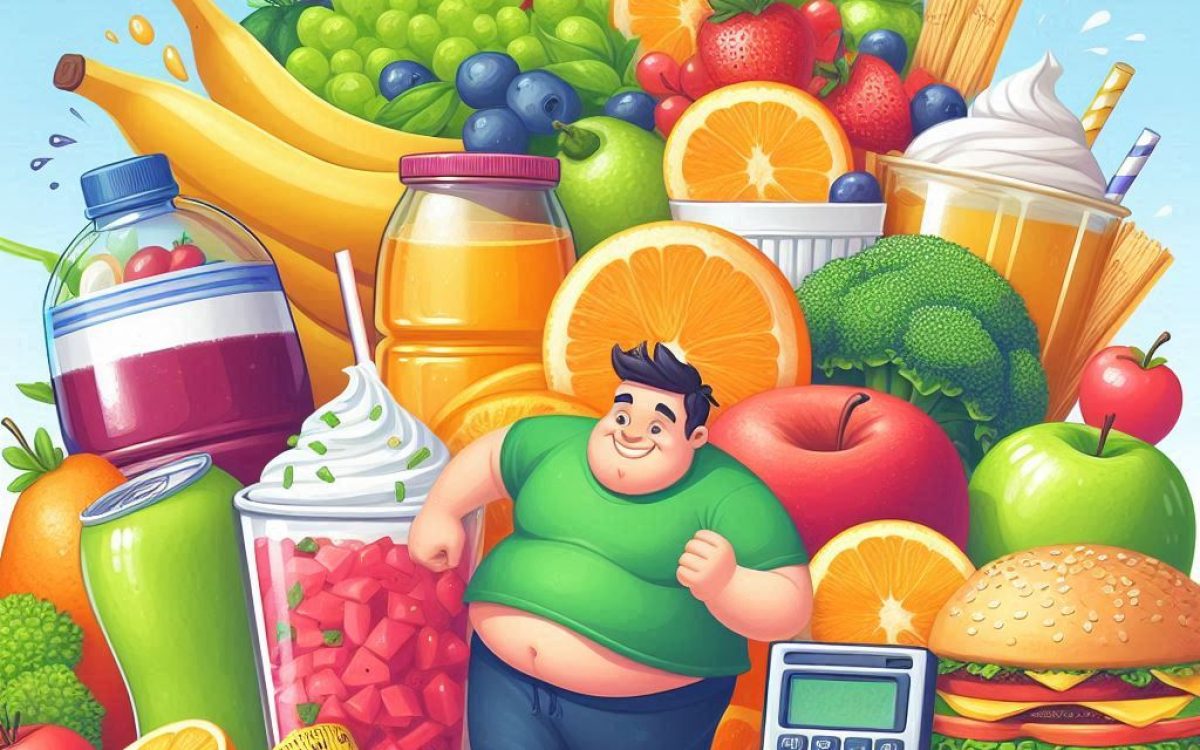
Obesity has become one of the most widespread and alarming global health issues. With the fast-paced modern lifestyle and shifting dietary habits, what is often overlooked is the deep and complex relationship between daily eating behaviors and the gradual increase in weight. Is obesity merely the result of overeating? Or do our daily patterns from food quality to meal timing play a much bigger role than we think?
This article sheds light on this complex relationship, explaining how healthy habits or the lack thereof impact the body, and why obesity and nutrition cannot be separated when discussing prevention and treatment.
What is Obesity?
Obesity goes far beyond just being “overweight.” It’s the abnormal buildup of body fat to the point where it puts your health at risk. The most common measurement is Body Mass Index (BMI), and a score over 30 signals obesity. But the story doesn’t stop there — it’s not just about numbers, but what’s behind them: food quality, metabolism, habits, and even emotions.
However, this simple definition does not reflect the complexity of obesity. It’s not merely about how much food is consumed but also about the quality of food, lifestyle, genetics, and psychological and social factors.
Nutrition and Obesity: How Does the Story Begin?
-
Our Daily Food Choices
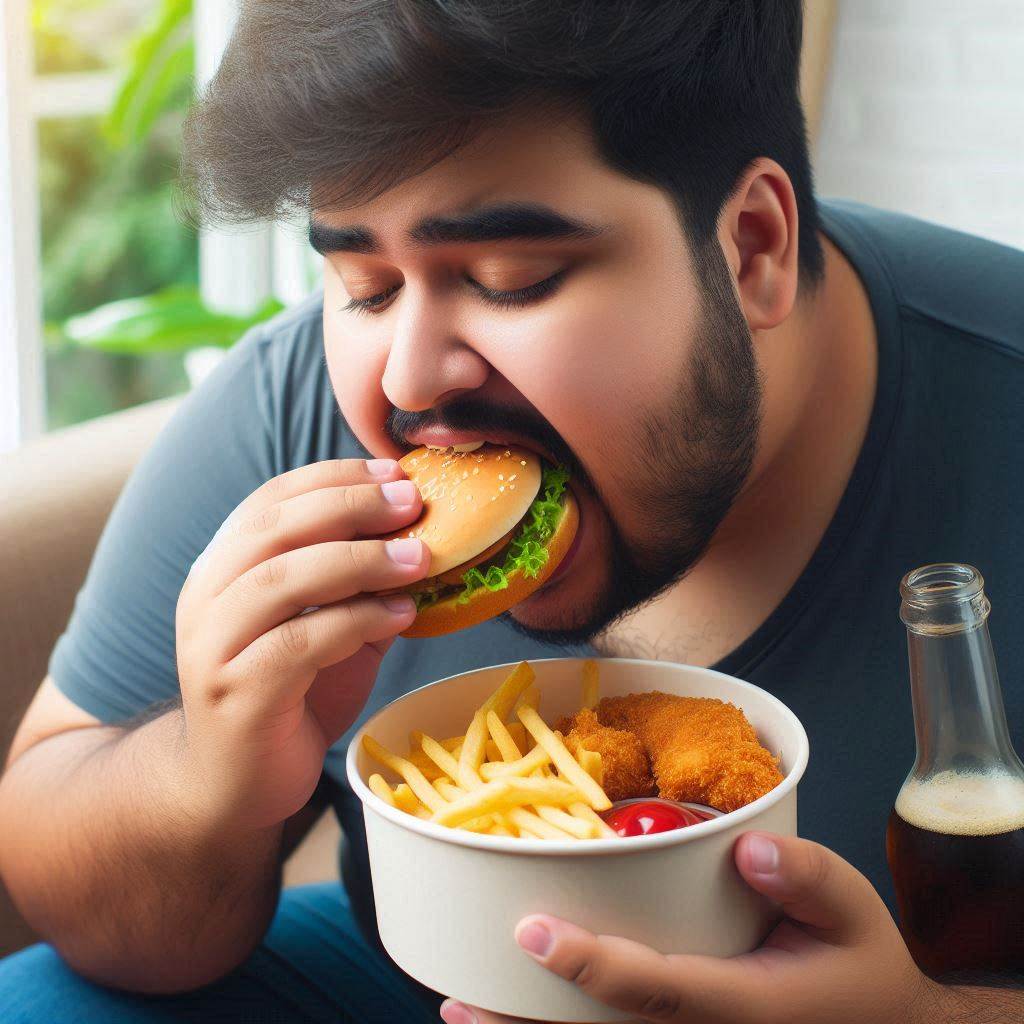
Many people consume high-calorie, low-nutrient foods, such as:
- Fast food
- Sugary soft drinks
- Processed sweets
These types of foods increase daily caloric intake without providing a feeling of fullness, leading to overeating and, eventually, weight gain.
-
Meal Timing and Its Effects
Studies show that meal timing plays a significant role in weight regulation. For example:
- Eating heavy meals late at night may lead to fat storage rather than fat burning.
- Skipping breakfast or delaying meals can disrupt metabolic rates.
-
Emotional Eating Patterns
Many individuals turn to food as a coping mechanism for:
- Stress
- Depression
- Anxiety
This condition is known as emotional eating, and it’s a common cause of weight gain, especially in urban societies.
Seemingly Healthy Habits That May Lead to Obesity:

Sometimes, the very habits we think are “healthy” may be silently working against us:
- Cutting Out All Fats:
Thinking all fats are bad? Not quite. Your body needs good fats — like Omega-3s — to regulate hormones and metabolism. Eliminating them completely may actually increase hunger and slow fat-burning. - Extreme Dieting Without Guidance:
Jumping headfirst into strict diets like keto or intermittent fasting — without professional support — might give fast results, but often backfires. These patterns can confuse your metabolism, and once you stop, the weight tends to come back… fast. - Lack of Sleep
Sleep deprivation disrupts the hormones leptin and ghrelin, which are responsible for:- Regulating appetite
- Feeling of fullness
Result? Increased appetite and weight gain.
Psychological and Social Influences:
- Surrounding Environment
Easy access to junk food and tempting advertisements encourage unhealthy eating behaviors.

- Social and Cultural Pressure
In some cultures, food is a sign of generosity and affection, which may lead to overeating. - Lack of Awareness
The absence of nutritional education in schools or media leaves many people unaware of how to choose healthy foods.
Is Obesity Always Caused by Nutrition?
Although eating habits are crucial, other factors contribute to obesity, such as:
- Genetics – Some individuals are genetically predisposed to store fat.
- Hormonal Imbalances – For example, thyroid disorders.
- Physical Inactivity – Long periods of sitting and lack of exercise.
So, while nutrition shouldn’t be blamed entirely, it remains the most controllable factor.
Tips to Prevent and Manage Obesity Through Nutrition:
- Balanced Diet – Avoid deprivation; instead, control portions and diversify food sources.
- Calorie Control – Know your daily needs based on age, gender, and activity level.
- Increase Fiber Intake – Fruits, vegetables, and whole grains promote satiety.
- Stay Hydrated – Drinking water regularly reduces appetite and aids digestion.
- Reduce Added Sugars – Especially in beverages and desserts.
- Self-monitoring – Keep a food diary to stay aware of quantity and quality.
- Avoid Eating in Front of Screens – It often leads to unconscious overeating.
Can Nutrition Alone Treat Obesity?
Eating well is a powerful first step — but it’s not a magic cure. Long-term obesity management often needs more than just nutrition:
- Movement to keep your body active
- Emotional and psychological support, especially if food is tied to stress
- A support system that keeps you accountable and motivated
- In some cases, medical or surgical help becomes necessary A full-circle approach always works better than going it alone

Obesity doesn’t happen overnight — it’s the result of small, repeated choices that your body remembers. Every bite, every skipped meal, every stressful snack… it all adds up. But the good news? So do the healthy choices.
Start shifting your habits today, and your body will thank you tomorrow — with better energy, improved mood, and long-term vitality.
At Nutrition Travels, we offer rich, evidence-based content to help you make healthier choices every day whether you’re just beginning your wellness journey or looking to improve existing habits.
Discover the secrets of healthy eating, daily tips, balanced meal plans, and the latest research in a simplified and practical way.
Follow our website today and take the first step toward better health and a higher quality of life!