Located on the western shores of the Arabian Gulf, Kuwait may be small in size, but it holds a big place on the regional stage. Renowned for its strategic location, the country has long played a pivotal role in both Gulf politics and economics. Before oil reshaped its destiny, Kuwait flourished as a vibrant center for maritime trade and pearl diving—a legacy still echoed in its cultural fabric today.
Kuwait follows a constitutional system of governance and has a diverse society that blends tradition with modernity. It is moving confidently toward progress while preserving its cultural heritage and Arab identity. Kuwait is also recognized for its balanced diplomacy and its active humanitarian and relief efforts worldwide. These factors have made Kuwait a unique country that combines Gulf authenticity with a modern, global outlook.
History:
Kuwait boasts an ancient history dating back to early civilizations, including the Mesopotamian civilization. During the Middle Ages, it was part of the Abbasid Empire and later came under Ottoman control.
In the 18th century, Sheikh Sabah established the first ruling dynasty in Kuwait, followed by the Al-Sabah family, who continue to rule to this day. In the 19th century, Kuwait grew as a hub for the pearl trade, which eventually declined after the invention of cultured pearls in Japan during the 20th century.
Culture:
Kuwait is known for its cultural diversity, shaped by its history as a center for trade and cultural exchange. Islam is the main religion, and the country respects religious freedom and minority rights.
Traditional clothing reflects Kuwaiti heritage: men often wear the white dishdasha, while women wear colorful traditional dresses such as the dara’a, along with the hijab.
Economic Development:
Kuwait is one of the wealthiest countries in the world, thanks to its vast oil reserves. Since the discovery of oil in the 20th century, Kuwait has witnessed significant economic growth, along with major developments in infrastructure and public services.
Museums:
Kuwait is home to several notable museums, including:
1- The Kuwait National Museum:
-
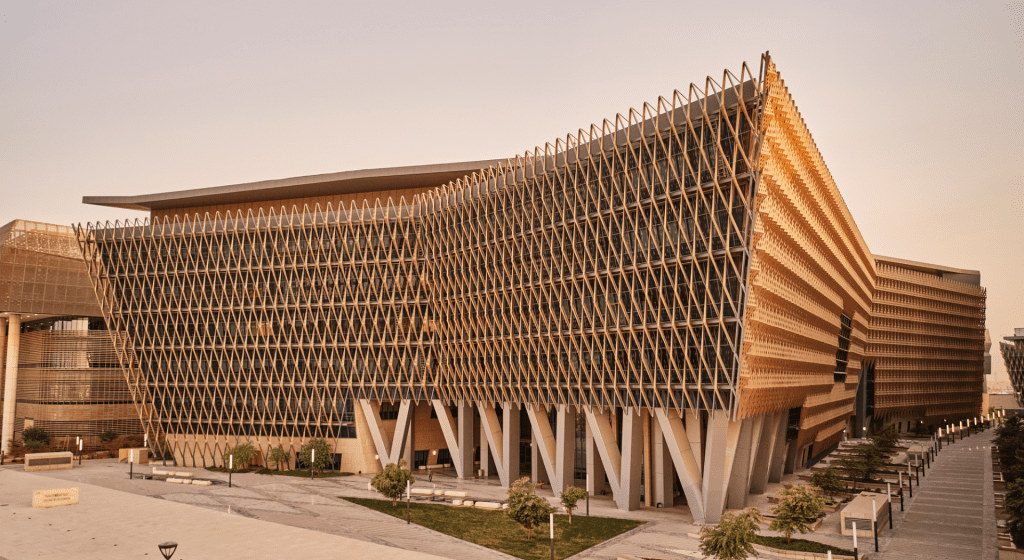
- One of the most important cultural landmarks, this museum houses a remarkable collection of artifacts dating back to the Bronze Age and aims to preserve the country’s social, economic, and cultural heritage.
2- Tareq Rajab Museum:
-
- This museum features a unique collection of Islamic art, including jewelry, traditional clothing, and antique pieces of Arabic calligraphy.
3- Museum of Islamic Science and Technology:
-
- This museum highlights major scientific and artistic contributions in fields like astronomy, geology, medicine, and engineering, and includes interactive and entertainment facilities.
4- The Maritime Museum:
-
- Marked by the display of three traditional wooden boats at its entrance, this museum features a comprehensive collection of photographs, ships, and maritime tools reflecting Kuwait’s seafaring heritage.
Towers:
Kuwait also features a number of iconic towers, including:
1- Water Towers:
-
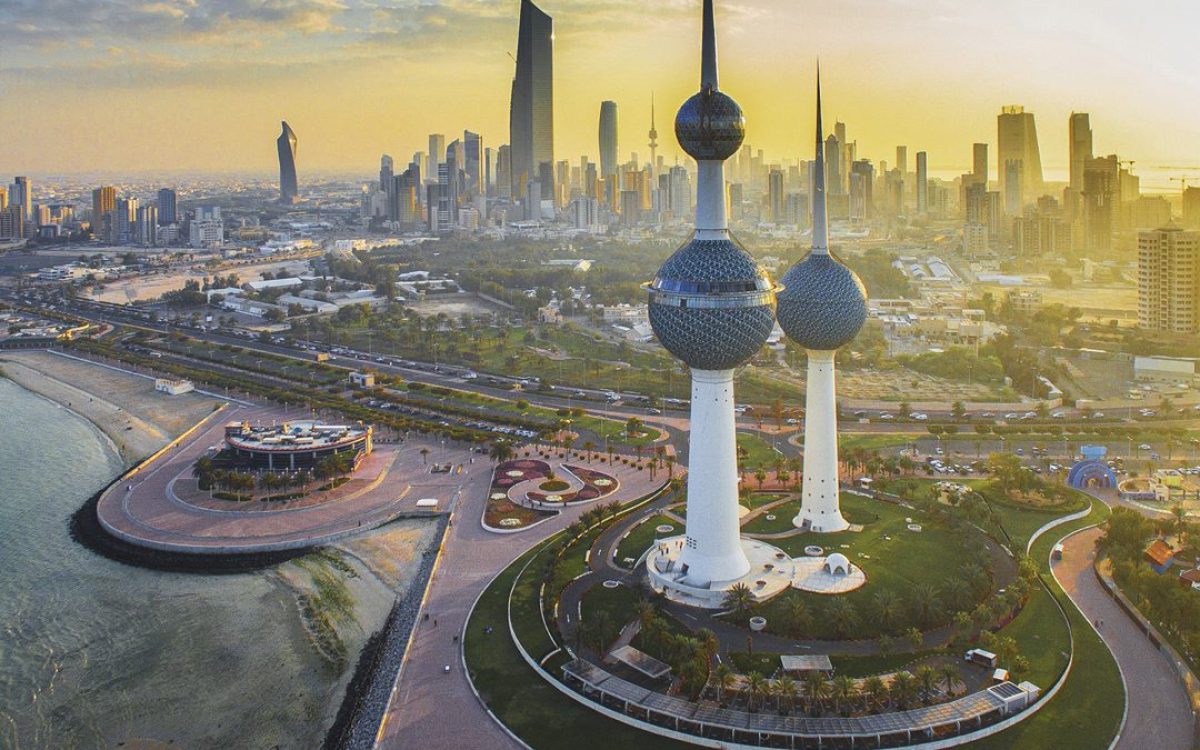
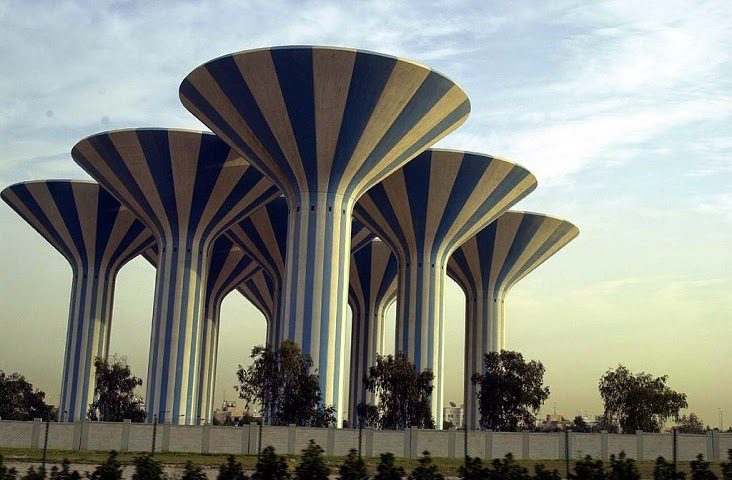
- These mushroom-shaped towers are not just practical—they’re part of Kuwait’s architectural identity. Serving a crucial role in distributing desalinated water across the nation, they also add a distinct visual element to the city skyline.
2- Liberation Tower:
-
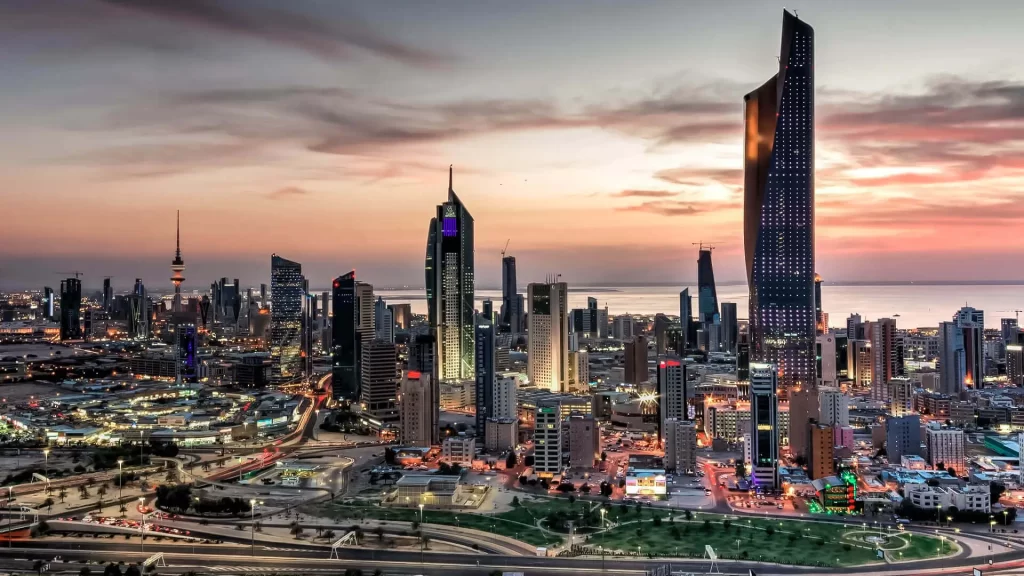
- The Liberation Tower is the second tallest tower in Kuwait, standing at 372 meters. With its UFO-like design, the tower offers impressive architecture. Although the observation deck is currently closed, visitors can still enjoy scenic views from the lower levels. Completed in 1993, it ranks among the 50 tallest buildings in the world.
Cultural and Technological Centers:
Kuwait is distinguished by the diversity of its cultural centers, most notably:
1- Sheikh Abdullah Al Salem Cultural Centre:
-
- One of the largest cultural complexes in the world, it includes over 1,100 exhibits and six museums, such as the Natural History Museum, the Science Museum, the Space Museum, and the Fine Arts Center.
2- Amricani Cultural Centre:
-
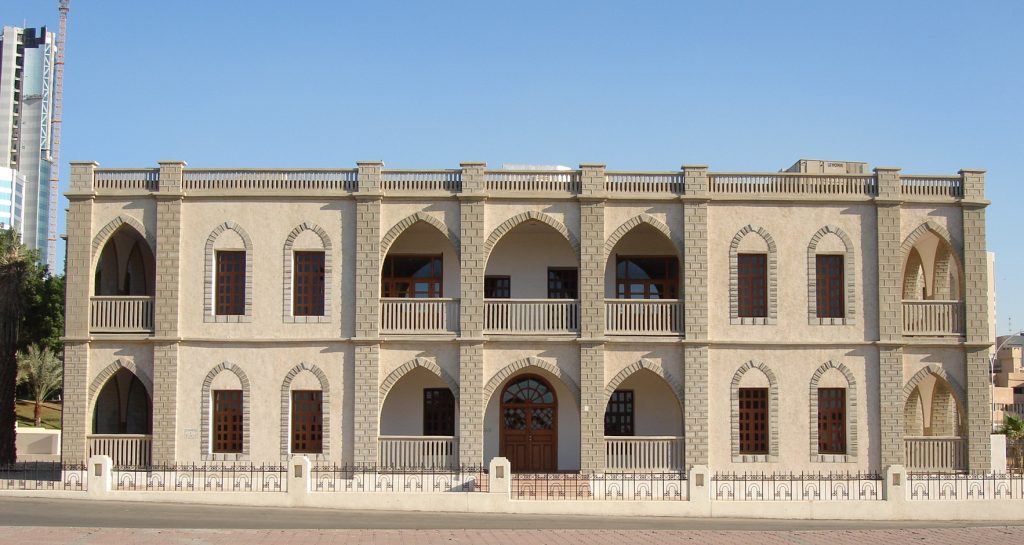
- Located within the former American Mission complex, it houses a collection of Islamic art artifacts, rare handicrafts, and relics from Mesopotamian civilization.
3- The Scientific Center:
-
- Home to the largest aquarium in the Middle East, designed in the shape of a sail. It features a unique collection of marine life, including giant spider crabs and glowing jellyfish, as well as an interactive section and 3D educational shows.
Parks, Resorts, and Entertainment Centers:
Kuwait offers a wide variety of recreational areas and parks, including:
1- Al Shaheed Park:
-
- The largest urban park in Kuwait, hosting educational and cultural programs such as environmental initiatives, cultural clubs, and public lectures, along with science and art activities.
2- Green Island:
-
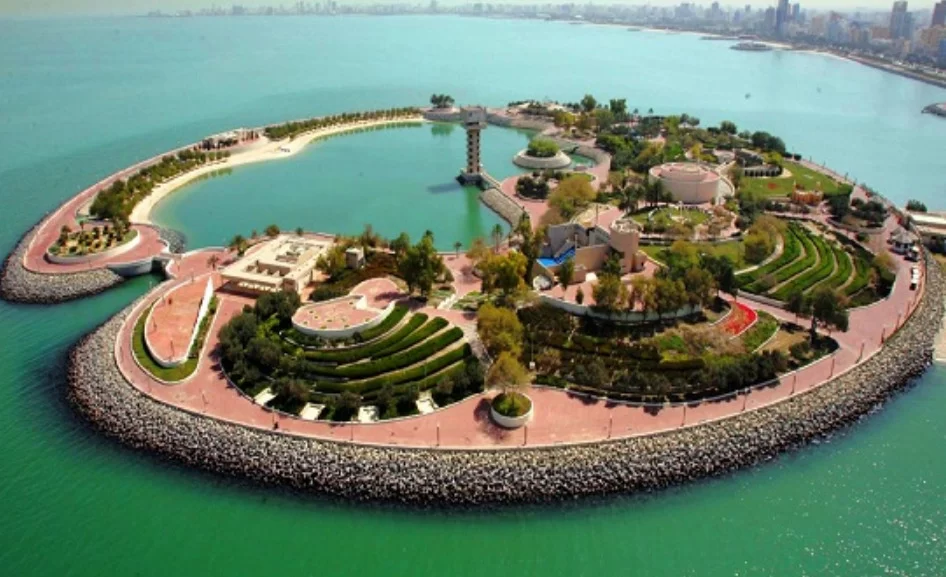
- A man-made island located near the corniche, where visitors can enjoy BBQs and rent bicycles.
3- Failaka Island:
-
- Located 20 km off the coast of Kuwait, the island contains archaeological remains from ancient civilizations, with some displayed on-site, making it an attractive destination for history and heritage enthusiasts.
4- Youm Al Bahar Heritage Village:
-
- A charming area where visitors can stroll along traditional alleyways, explore souvenir and gift shops, and enjoy mint tea.
5- Heritage Village:
-
- Showcasing the cultural heritage of Kuwait and the Gulf countries, it features museums representing each GCC member state and hosts traditional competitions and activities.
Beaches:
Among Kuwait’s most notable beaches are:
1- Al Messila Beach:
-
- One of the most famous private beaches, stretching from Salmiya to Beda’a. It features stunning views, green spaces, swimming pools, and gardens, including ladies-only pools.
2- Khiran Beach:
-
- Located in the south of Kuwait, it features artificial waterways, palm trees, and soft sand, offering recreational activities such as water skiing and diving.
3- Al Kout Beach:
-
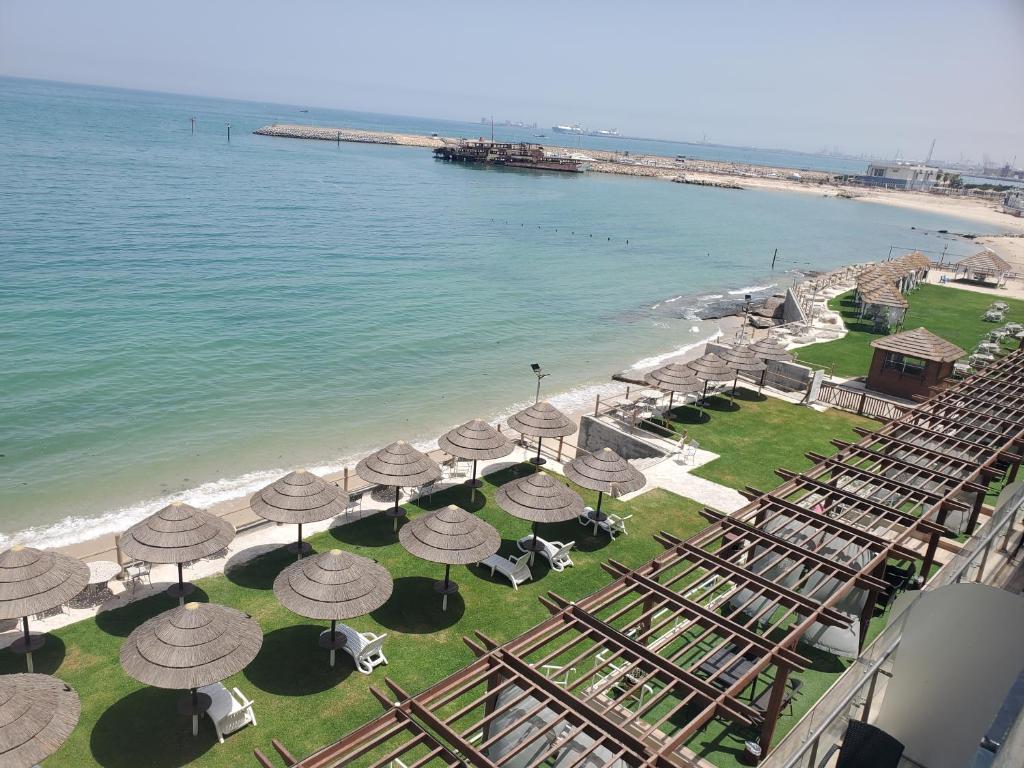
- A favorite among families, Al Kout Beach is celebrated for its pristine white sands and relaxed ambiance. Whether you’re watching a golden Gulf sunset, splashing in nearby pools, or enjoying a meal by the sea, this beach promises a full sensory experience.
Markets and Shopping Areas:
Among the most well-known markets in Kuwait are:
1- Souq Al-Mubarakiya:
-
- A beloved traditional market offering a unique shopping experience with its charming scenery and aromatic spices. It includes a special section called “Souq Al Hareem” where women sell items such as eyeliner and colorful dresses in Kuwaiti flag colors.
2- Fish Market:
-
- Offers a wide variety of fish and live seafood. Vendors showcase their fresh daily catches, including shrimp, alongside stalls selling fresh fruits and vegetables.
Other Landmarks in Kuwait:
Prominent landmarks include:
1- The Grand Mosque:
-
- One of the largest mosques in Kuwait, accommodating over 17,000 worshippers. It features luxurious interiors with stunning decorations, such as stained glass, engraved marble, and Moroccan mosaics.
2- Contemporary Art Platform:
-
- One of the top galleries in Kuwait, hosting exhibitions by Kuwaiti and international artists, in addition to seminars and panel discussions.
3- Kuwait Oil Company Exhibition:
-
- Showcases the different aspects of Kuwait’s oil industry, including its discovery, extraction, and history, and offers a 4D cinema experience.
4- Red Fort:
-
- A living example of ancient architecture, built during the rule of Sheikh Mubarak Al-Sabah, it includes watchtowers and a half-meter-thick wall.
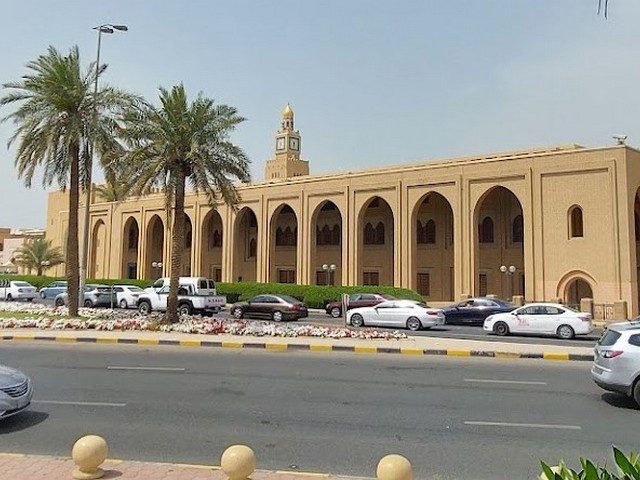
5- Seif Palace:
-
- A private property of the ruling family used for celebrations. It is distinguished by Islamic architectural style and its massive facilities, including an artificial lake and a helicopter landing pad.
Thanks to its development, Kuwait has become a major financial and commercial hub in the region, hosting numerous global companies and international institutions.
Kuwait offers a unique blend of rich history, cultural heritage, and tremendous economic growth—making it one of the most prominent destinations in the Arabian Gulf and the world.
At Nutrition Travels, we take you on a journey like no other. Follow us on our website and discover how travel can become an inspiring and healthy adventure!