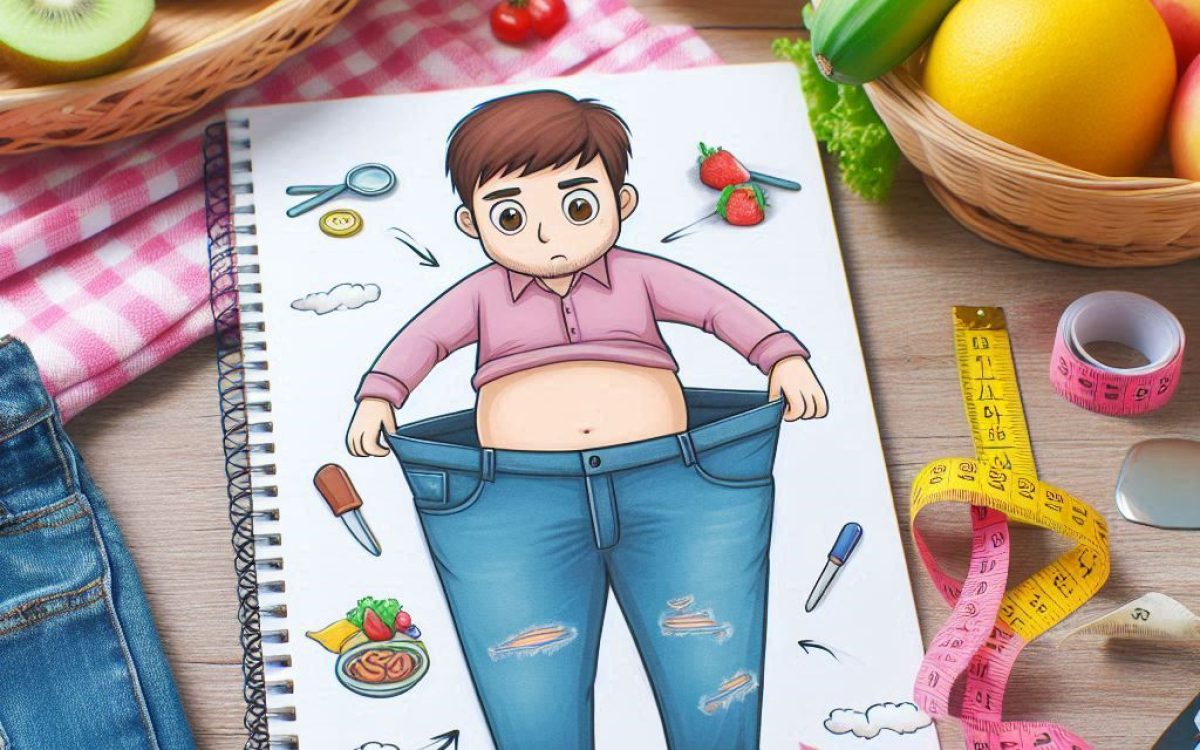
What if the real secret to lasting weight loss wasn’t about restriction or trends—but about making smarter everyday food choices? Healthy nutrition is the real key to shedding pounds safely while boosting your energy, vitality, and overall well-being. With rising obesity rates and the widespread adoption of unhealthy lifestyles, the need for balanced nutrition has become more urgent than ever. Many people are looking for effective ways to lose weight, but they often fall into the trap of extreme diets or quick fixes that may lead to health complications—without realizing that the real solution begins in the kitchen and with daily eating habits.
Healthy Nutrition: Your First Step Toward Lasting Weight Loss
Healthy nutrition means providing the body with all the essential nutrients it needs to perform its vital functions efficiently, while avoiding excessive calories or harmful foods. It is not about deprivation or hunger, but about making smart and balanced food choices.

A healthy diet includes the following elements:
- Complex carbohydrates: Such as whole grains like oats, whole wheat bread, and brown rice.
- Proteins: Including lean meats, fish, eggs, and legumes.
- Healthy fats: Found in olive oil, nuts, and avocados.
- Fiber: Found in vegetables, fruits, and whole grains.
- Vitamins and minerals: From various natural sources to support different body systems.
- Water: A crucial element for hydration and regulating body functions.
6 Reasons Why Healthy Eating Beats Every Fad Diet
Unlike harsh diets that drastically cut calories or eliminate entire food groups, According to the World Health Organization, healthy eating habits promote gradual and sustainable weight loss while protecting against chronic diseases. Here’s why:
- Keeps You Feeling Full
Foods rich in fiber and protein help suppress appetite, reducing the need to eat large quantities or resort to fast food. - Boosts Metabolism
When your body receives all its nutritional needs, it functions more efficiently, which helps increase fat burning. - Prevents Nutrient Deficiency
Losing weight through unhealthy means can cause deficiencies in important vitamins and minerals, leading to fatigue and lack of energy. A balanced diet prevents this. - Provides Sustainable Energy
A balanced meal plan gives you steady daily energy, enhancing your ability to stay active and exercise regularly. - Reduces Risk of Disease
Obesity is linked to a higher risk of heart disease, diabetes, and high blood pressure. Healthy eating gradually reduces these risks.
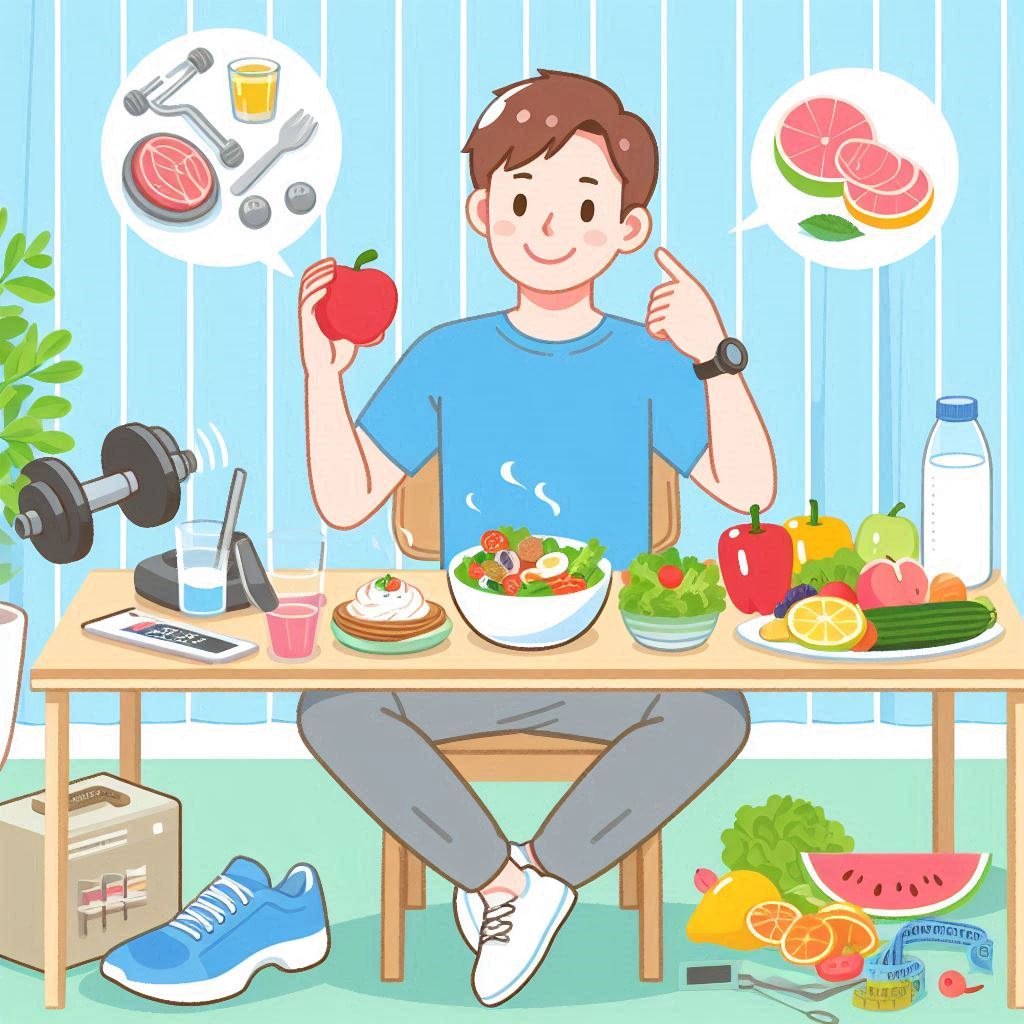
Practical Steps to Start Healthy Eating and Lose Weight:
- Set a Realistic Goal
Start with a clear, achievable goal, like losing 4–5 kilograms in two months. Remember: slow and steady progress is better in the long term. - Calculate Your Daily Caloric Needs
Everyone’s calorie needs differ based on weight, height, gender, and activity level. Use calorie calculators to determine your daily intake. - Divide Your Meals Smartly
Aim for three main meals and two to three healthy snacks throughout the day to prevent overeating and cravings. - Focus on Food Quality, Not Just Quantity
Limit processed and fried foods. Increase your intake of vegetables and fruits, and choose healthy cooking methods like grilling, boiling, or steaming. - Drink Enough Water
Water helps regulate body temperature, promote satiety, and improve digestion. Aim for 2–3 liters daily. - Cut Down on Sugar and Saturated Fats
Replace white sugar with natural honey in moderation. Avoid trans fats found in processed sweets and fried foods. - Stay Physically Active
Nutrition alone isn’t enough. Combine it with physical activity such as brisk walking, swimming, or home workouts—at least 30 minutes a day.

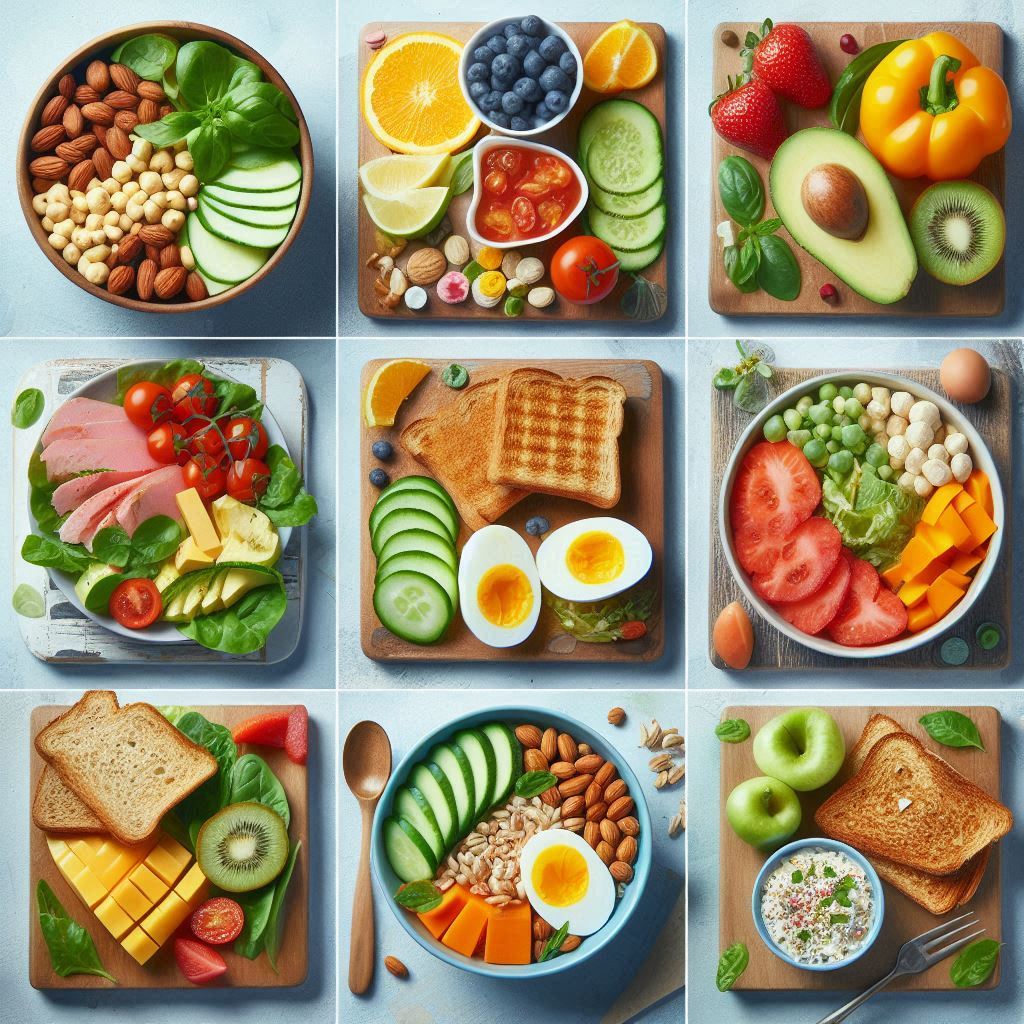
Examples of Healthy Meals for Weight Loss:
Breakfast:
- Oatmeal with low-fat milk, a spoon of honey, and some nuts.
- Boiled eggs with cucumber slices and whole wheat bread.
- Natural yogurt with fruit slices and chia seeds.
Lunch:
- Grilled chicken breast with brown rice and sautéed vegetables.
- Grilled fish with green salad and boiled lentils.
- Tuna salad with olive oil and whole wheat bread.
Dinner:
- Vegetable soup with a slice of whole wheat bread.
- Cottage cheese salad with fresh vegetables.
- Fat-free yogurt with a spoonful of oats.
Healthy Snacks Between Meals:
- A handful of unsalted nuts.
- A piece of fruit.
- A square of dark chocolate (once a week).
- Carrot or cucumber sticks with hummus.
Extra Tips for Long-Term Success:
- Don’t starve yourself: Extreme hunger often leads to overeating later.
- Watch out for “hidden calories” in juices and soft drinks.
- Celebrate small victories: Every kilogram lost is a step closer to your goal.
- Keep a food diary to monitor your progress.
- Don’t compare yourself to others: Everyone’s journey is different.
Healthy nutrition is not a temporary diet—it’s a lifelong lifestyle. And if you’re wondering: “Can I really lose weight without giving up carbs completely?”—the answer is yes. It’s about balance, not restriction. It not only helps you achieve a slimmer body, but also improves your overall health, stabilizes your mood, and gives you energy and vitality throughout the day. Healthy habits don’t demand perfection—they start with small, consistent steps. Swap one processed snack for a fresh fruit today, and you’ve already taken your first step toward a healthier, more energized you.
You can follow our website Nutrition Travels to learn more about nutrition.