A child’s growth—both body and mind—depends deeply on proper nutrition. Childhood isn’t just a stage; it’s the foundation of lifelong health—physically, mentally, and emotionally. Without essential nutrients, a child’s body and mind begin to struggle. This state is called malnutrition—and it can impact every aspect of their development. This condition negatively affects physical growth, weakens immunity, impacts academic performance, and alters daily behaviors. With the growing prevalence of this issue across various countries, including those with medium and high income, it is essential to understand the causes of malnutrition in children, how to treat it, and how to prevent it early on.
What Is Malnutrition in Children:
Malnutrition occurs when a child’s diet fails to meet their nutritional needs—either due to a lack of essential nutrients or an excess of harmful ones, such as sugars and saturated fats. It presents with a range of symptoms that vary in severity. Malnutrition is generally classified into two main types:
1- Undernutrition: such as a deficiency in proteins or vitamins.
2- Overnutrition: such as obesity caused by excessive intake of sugars and fats.
Causes and Symptoms of Malnutrition:
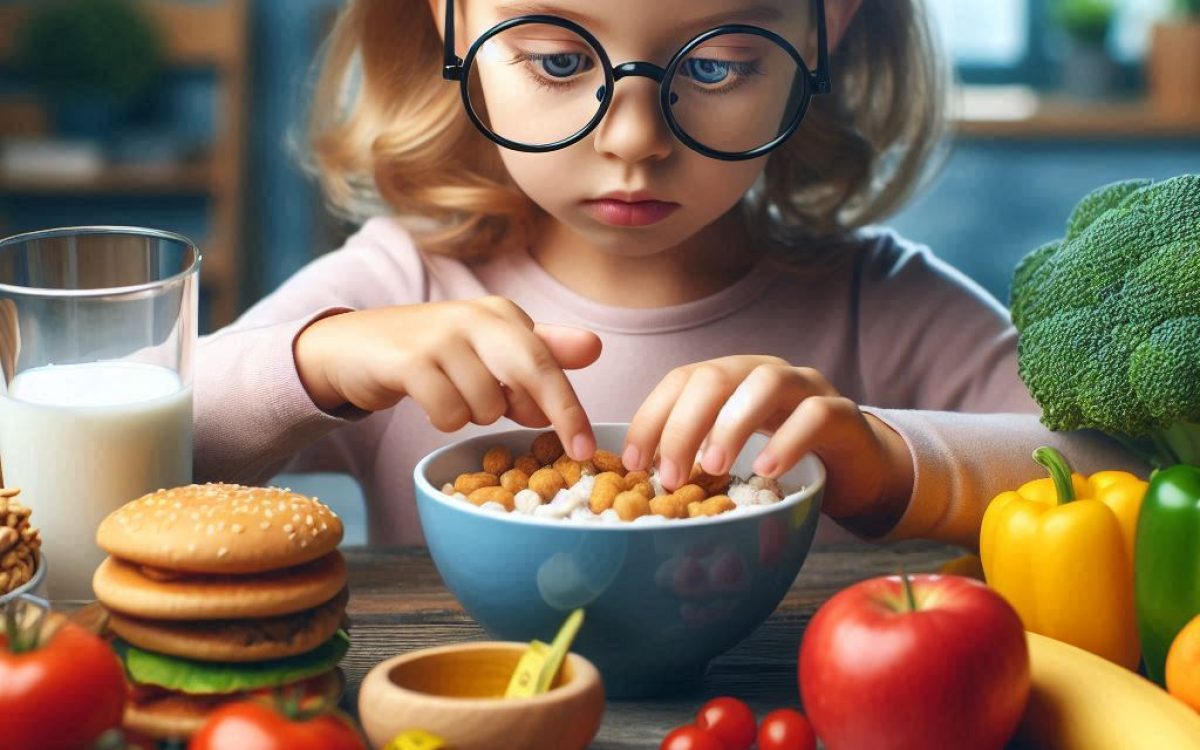
1- Poor eating habits: Some children have unhealthy dietary patterns, including overeating or consuming high-calorie, low-nutrient foods.
2- Digestive disorders: Diseases that affect digestion and nutrient absorption, such as inflammatory bowel disease, increase the risk of malnutrition.
3- Psychological conditions: Disorders like depression and anxiety can reduce or increase appetite, affecting nutritional balance.
4- Poor hygiene: Bad hygiene habits raise the risk of infections such as diarrhea and recurrent illnesses, which contribute to malnutrition.
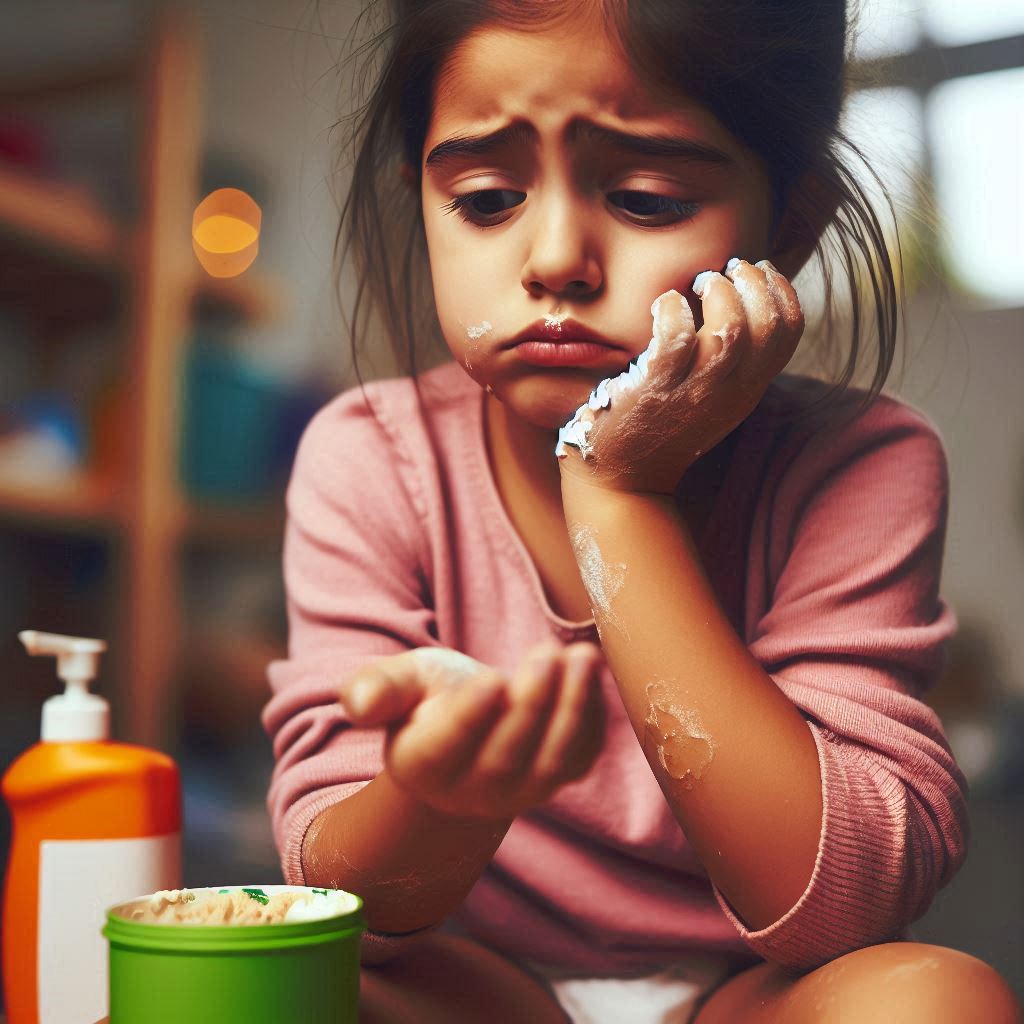
Symptoms:
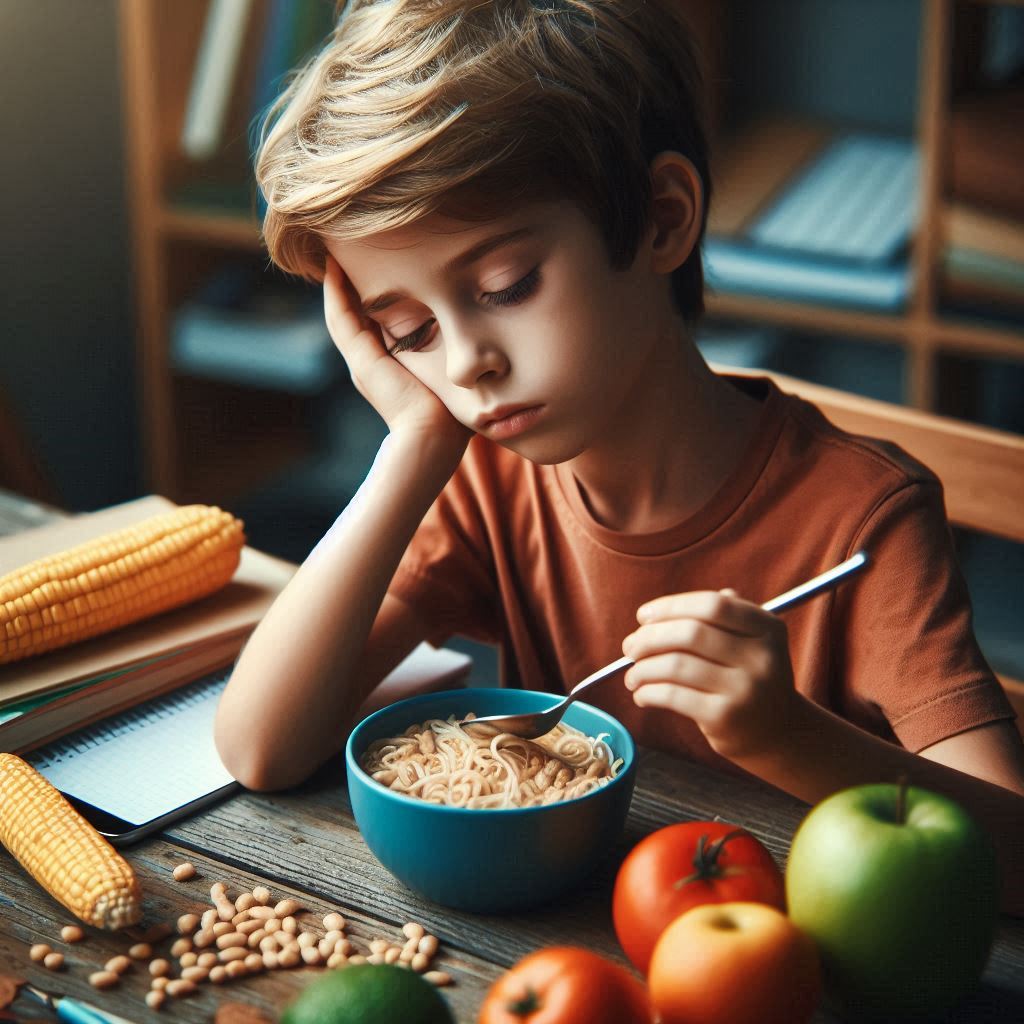
1- Constant fatigue and low energy levels
2- Reduced muscle mass
3- Weak or brittle bones
4- Weakened immune system
5- Hair loss
6- Frequent illnesses
7- Noticeable weight loss or growth stagnation
8- Mood swings and behavioral changes

How to Treat Malnutrition in Children:
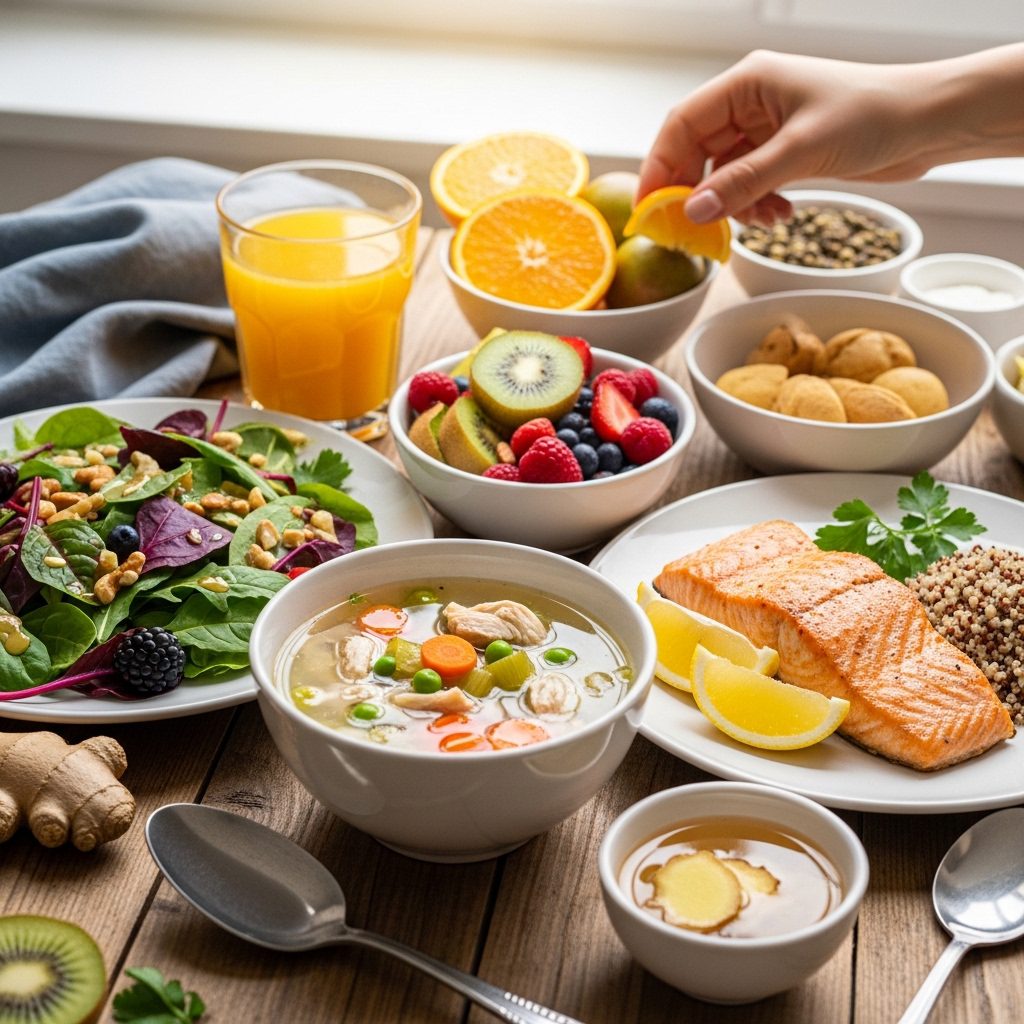
1- Provide balanced meals that include proteins, carbohydrates, healthy fats, and essential vitamins.
2- Gradually introduce vegetables and fruits into the child’s daily diet.
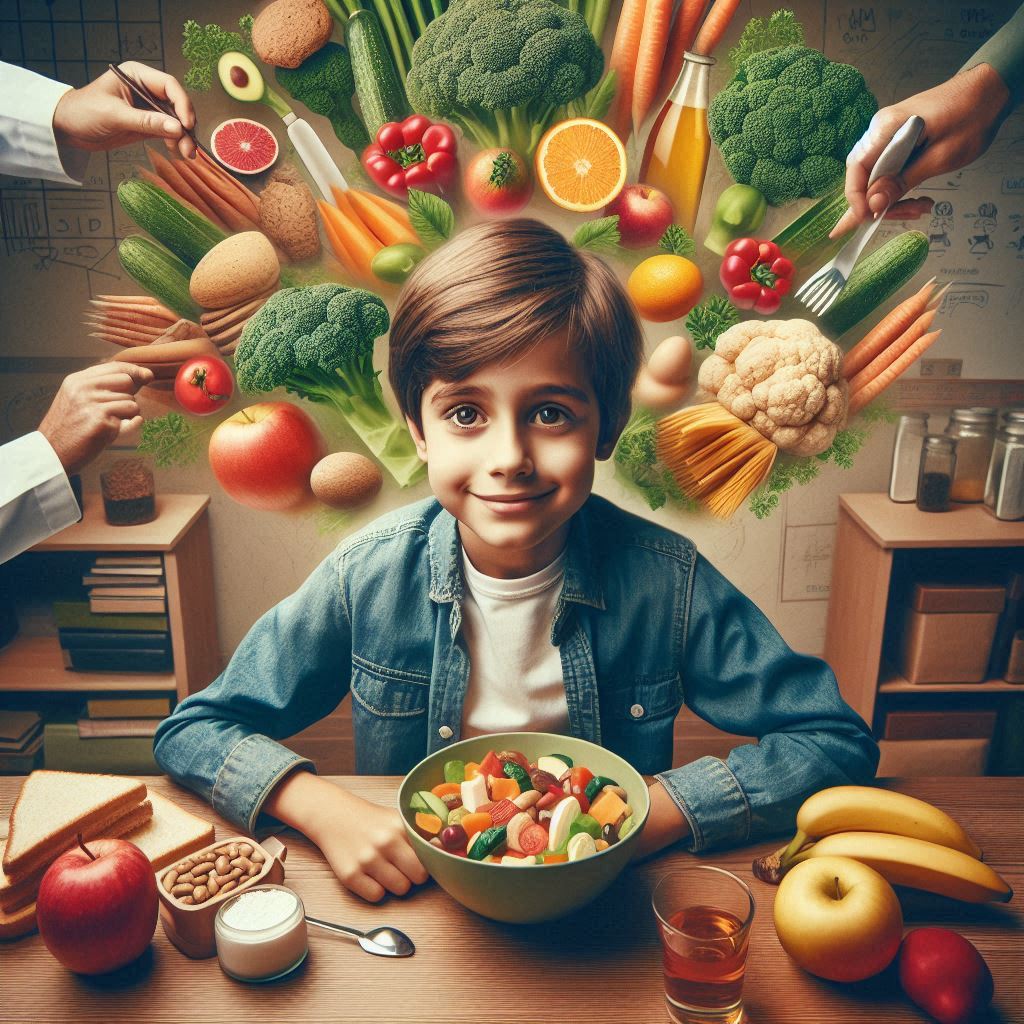
3- Reduce the intake of fast food and sugary drinks.
4- In some cases, doctors may recommend supplements such as iron, zinc, vitamin D, and calcium to correct deficiencies.
5- Educate families about the importance of healthy nutrition starting from a child’s early years.
Malnutrition in children is more than just a health issue — it’s a critical challenge that directly affects the future of generations to come. Addressing this condition requires awareness, responsibility, and active steps such as nutritional education, improving meal quality, and providing appropriate support to families and children. Healthy food doesn’t just nourish the body—it shapes minds, inspires imagination, and builds the strong, confident leaders of tomorrow.
At Nutrition Travels, we believe that prevention begins with knowledge. That’s why we are committed to delivering trustworthy scientific content to help parents and caregivers understand the fundamentals of healthy eating. Follow us to discover daily tips, nutrition plans, and expert articles that support your child’s journey to better health and a balanced life.