
Children’s nutrition plays a pivotal role in shaping their physical and mental health from the very first years of life. A child doesn’t only grow physically—this stage lays the foundation for cognitive development, a strong immune system, and healthy eating habits that may last a lifetime. Providing well-balanced and comprehensive nutrition during childhood is one of the most valuable investments parents can make in their children’s future.
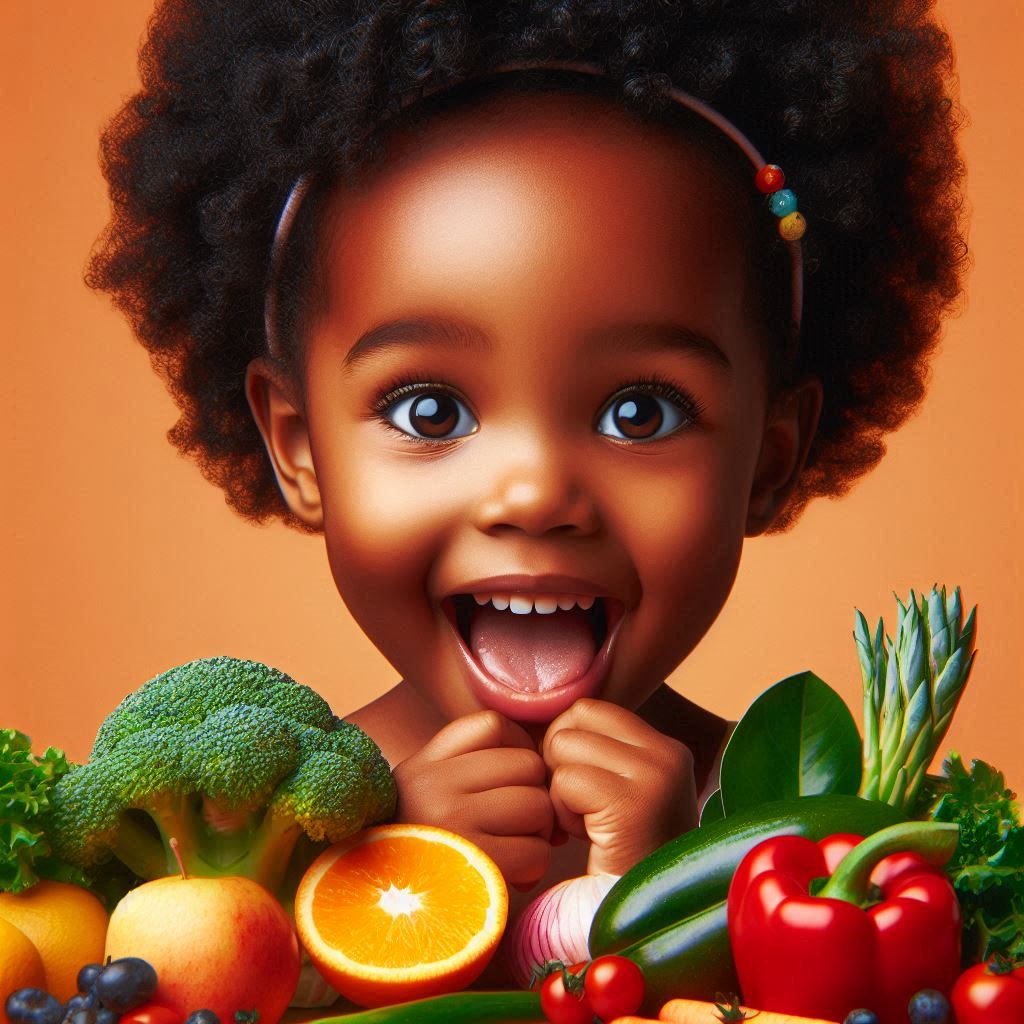
Why Is Nutrition Important in Early Childhood?
A balanced diet is essential for a child’s proper development. It directly affects:
- Physical growth: Height, weight, and the development of muscles and bones.
- Cognitive development: Nutrients contribute significantly to brain growth, focus, and learning capacity.
- Strengthening the immune system: Healthy food builds a robust defense system against illnesses and infections.
- Preventing chronic diseases: Such as obesity, diabetes, and heart disease later in life.
Essential Nutrients for Child Growth:
-
Proteins
Proteins are vital for building tissues and muscles. A child’s diet should include sources such as:
- Eggs
- Milk and dairy products

- Lean meats
- Fish
- Legumes (like lentils and beans)
-
Carbohydrates
Carbohydrates provide the energy needed for physical activity and mental alertness. It’s best to opt for complex carbs like:
- Whole grain bread
- Oats
- Brown rice
- Potatoes
-
Healthy Fats
Fats aren’t the enemy—especially in childhood, when they’re crucial for the development of brain and nerve cells. Healthy sources include:
- Olive oil
- Avocados
- Nuts (in appropriate amounts)
- Fatty fish like salmon
-
Vitamins and Minerals
- Calcium: Needed for strong bones and teeth. Found in:
- Dairy products
- Sardines
- Dark leafy greens

- Iron: Helps prevent anemia and transports oxygen in the blood. Found in:
- Red meat
- Liver
- Lentils
- Spinach
- Zinc and Magnesium: Support immune function and cell development.
- Vitamin D: Essential for calcium absorption. It’s obtained from sunlight or supplements (under medical supervision).
Meal Frequency and Timing Of Children’s Nutrition:
Experts recommend three main meals a day (breakfast, lunch, and dinner), along with 2–3 healthy snacks, such as:
- Fresh fruits
- Natural yogurt
- Cheese cubes
- A handful of nuts
Establishing regular mealtimes helps instill healthy eating habits and reduces random snacking or eating in front of screens.
Tips to Encourage Healthy Eating Habits
-
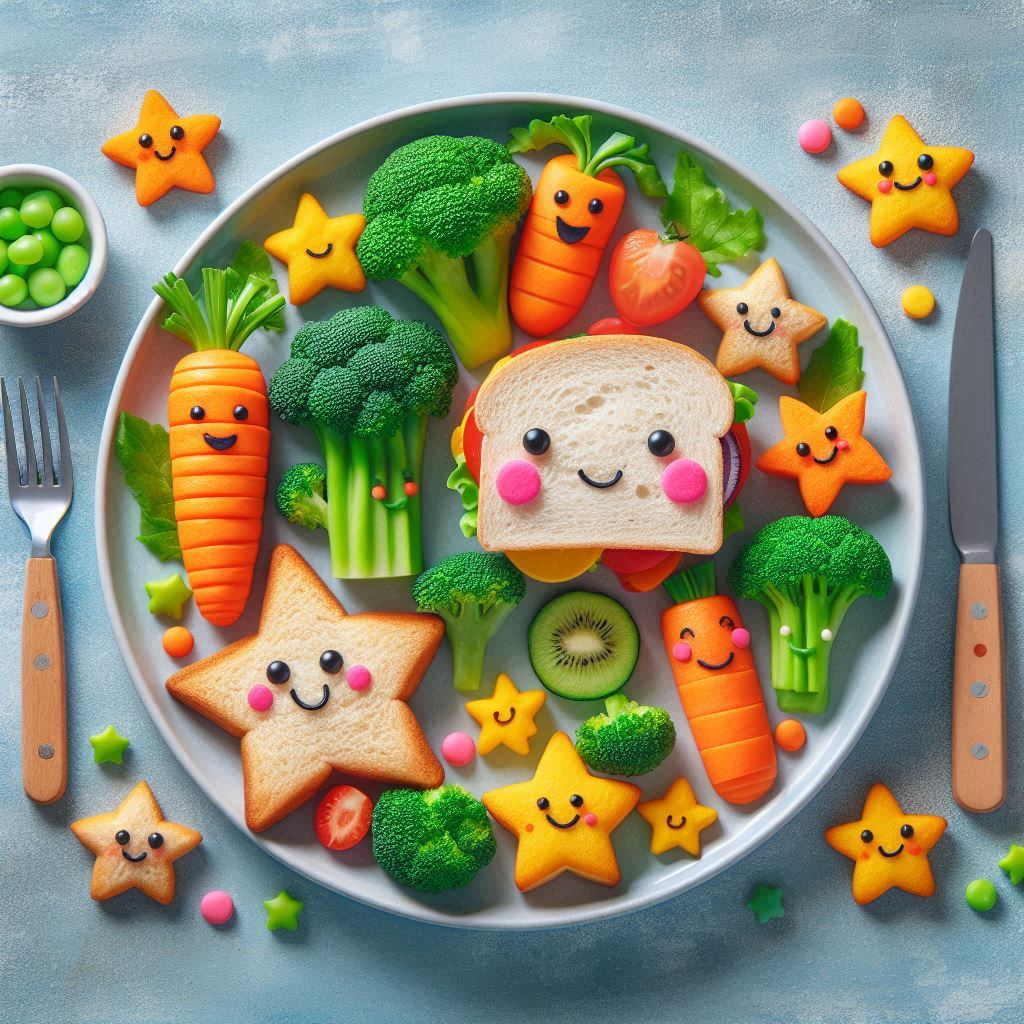
Make Meals Visually Appealing
Use colorful fruits and vegetables and cut them into fun shapes to make meals more attractive to kids.
-
Involve Kids in Meal Preparation
Let children help with tasks like washing vegetables or choosing the fruit for a snack. This makes them more excited to eat the food they’ve helped prepare.
-
Be a Role Model
Children imitate adults. When they see their parents eating healthy, they’re more likely to follow suit.
-
Avoid Forcing Food
Pressuring children to eat certain foods can create resistance. Instead, offer a variety of options and encourage them positively.
Foods to Limit:
Some foods may be tempting and tasty but should be consumed in moderation to avoid harming a child’s health, including:
- Processed sugars: Candies, soda, and packaged juices.
- Fast food: Often high in unhealthy fats, salt, and preservatives.
- Artificial colors and flavors: Common in chips and pre-packaged sweets.

Common Nutritional Challenges in Children
-
Loss of Appetite
Children may go through phases of low appetite. As long as they remain energetic and healthy, this is usually normal. Offer favorite foods in fun, stress-free ways.
-
Underweight or Overweight
If a child’s weight is not proportional to their age, it’s advisable to consult a nutritionist to evaluate the cause and design a tailored meal plan.
-
Food Allergies
Some children may be allergic to foods like dairy, nuts, or eggs. Watch for symptoms like rashes or breathing issues and consult a doctor immediately.
Importance of Drinking Water:
Water aids digestion, regulates body temperature, and helps flush out toxins. Teach your child to drink water throughout the day instead of relying on sugary beverages.

What About Supplements?
Generally, a child with a balanced diet does not need supplements. However, in cases of nutritional deficiencies or absorption issues, a pediatrician may recommend supplements like iron or vitamin D.
The Role of Schools in Promoting Healthy Eating:
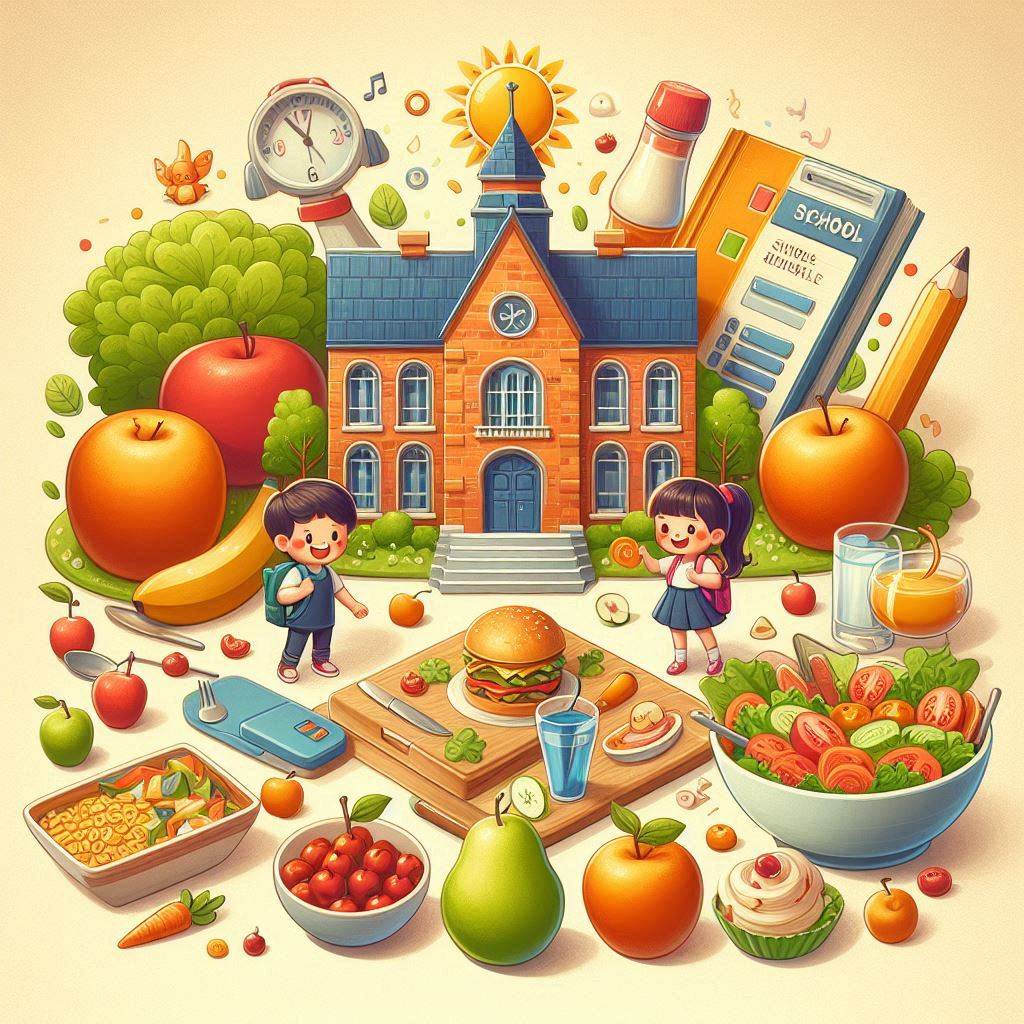
Children spend a large portion of their day at school, making it crucial for schools to:
- Provide nutritious meals
- Ban the sale of candies and soft drinks
- Organize awareness campaigns about healthy eating
- Promote the consumption of fruits and vegetables during break time
Childhood nutrition isn’t just about food—it’s about laying the foundation for a physically and mentally strong individual. Every meal a child eats today contributes to the adult they’ll become tomorrow. Let’s nurture in our children a love for wholesome food and equip them with all the nutrients they need to grow, explore, and thrive in a world full of opportunities.
And because nutrition is not a one-size-fits-all topic—it’s a vast world filled with categories, insights, and fascinating facts—we invite you to join us at Nutrition Travels. Let us take you on a rewarding journey through the world of healthy eating: from children’s nutrition to various diet plans to the latest research in wellness.
Follow us on Nutrition Travels and discover how nutrition can transform your life and your child’s future for the better!