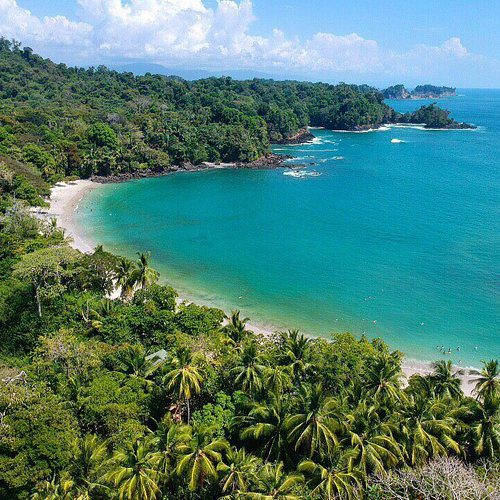
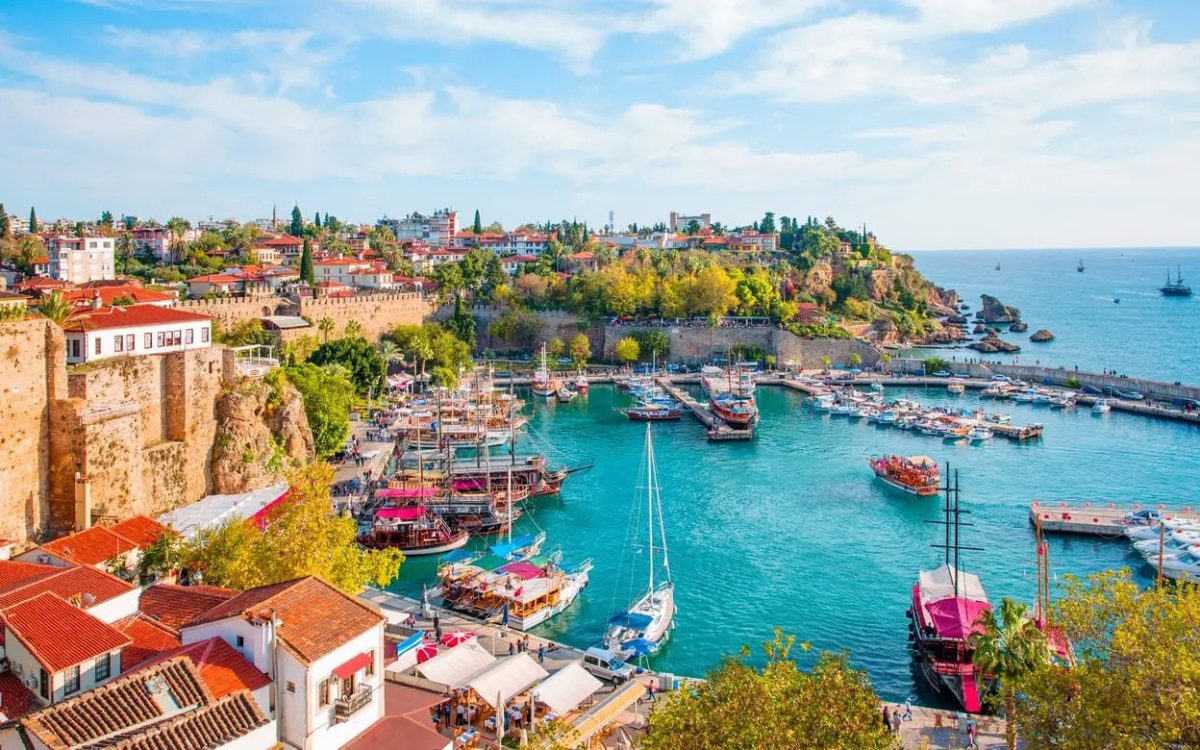
Turkey is a captivating destination that beautifully blends ancient history, vibrant culture, and stunning natural landscapes. Strategically located at the crossroads of Southeast Europe and Southwest Asia, Turkey has, throughout the ages, served as a meeting point for numerous civilizations, including the Hittites, Romans, Byzantines, and Ottomans. This rich convergence of civilizations has shaped Turkey’s unique cultural identity, where Eastern and Western traditions meet in harmony—evident in its architecture, cuisine, and daily life.
Geographically, Turkey stretches along the shores of the Black Sea, the Aegean Sea, and the Mediterranean Sea. The Bosphorus Strait, the Sea of Marmara, and the Dardanelles separate the European and Asian parts of the country. Turkey is divided into seven distinct geographical regions: the Black Sea Region, the Marmara Region, the Aegean Region, the Mediterranean Region, Central Anatolia, Eastern Anatolia, and Southeastern Anatolia—each possessing its own unique characteristics.
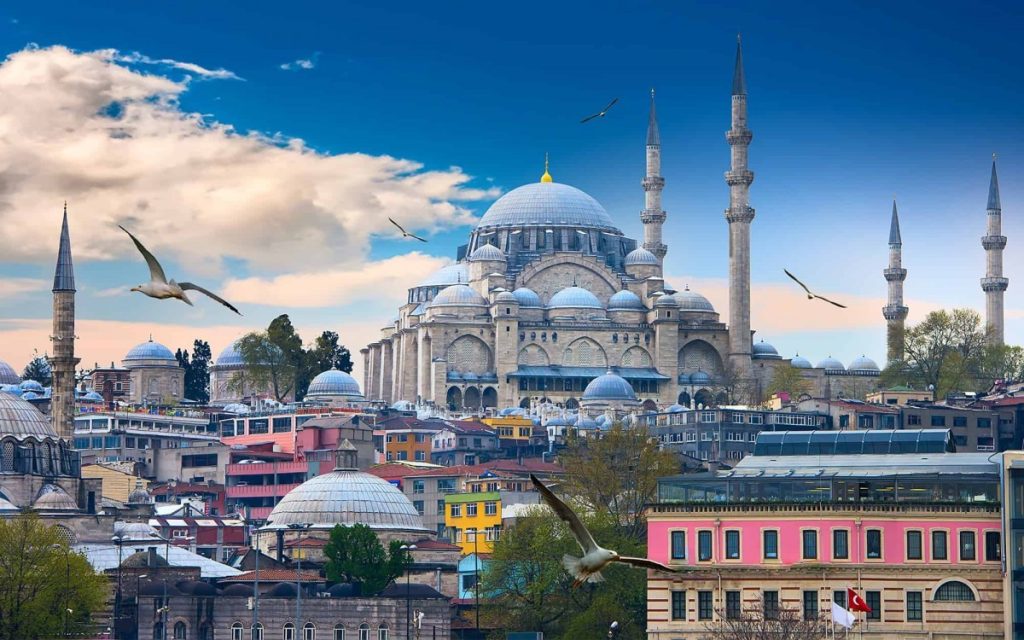
Turkey’s diverse topography includes coastal plains, a central elevated plateau, and expansive mountain ranges. This geographical variety contributes to differing climates and tourism activities across the regions. Coastal areas are famous for their beaches and water activities, while the inland regions offer unique natural scenery along with rich cultural and historical attractions.
Weather and Best Time to Visit:
- Turkey’s climate patterns vary greatly by region. A Mediterranean climate prevails in the coastal areas along the Aegean and Mediterranean Seas, where summers are hot and dry, and winters are mild and rainy.
- In contrast, the inland regions experience a continental climate with hot, dry summers and cold, snowy winters. Along the Black Sea coast, a maritime climate dominates, characterized by mild, rainy summers and cold, wet winters.
- Istanbul enjoys a transitional climate, with hot summers and cold winters often accompanied by snowfall. These regional climatic differences make it essential for travelers to plan their trips based on their chosen destinations.
Travelers can expect average temperatures and rainfall in popular tourist destinations like Istanbul, Cappadocia, Antalya, and Izmir throughout the year.
- Istanbul experiences warm summers with an average temperature of around 25°C (77°F), while winter temperatures drop to an average of about 5°C (41°F).
- In Cappadocia, summer temperatures often range between 30°C and 35°C (86°F to 95°F), with cooler evenings providing a welcome relief. Winters are cold and snowy, with averages around 0°C (32°F)
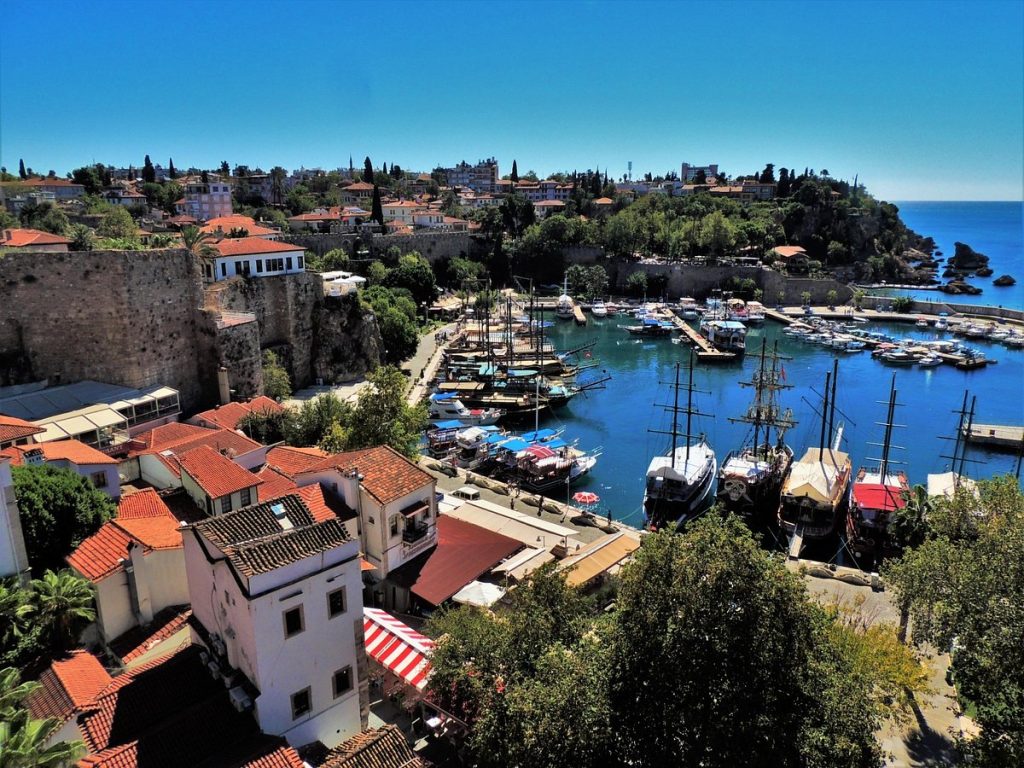
- Spring (April to June) and autumn (September to November) are ideal for sightseeing, thanks to pleasant weather and fewer tourists.
- Summer (June to August) is ideal for beach holidays along the Aegean and Mediterranean coasts.
- Winter (December to February) is perfect for ski lovers who can enjoy resorts in areas such as Uludağ and Cappadocia. Spring and autumn are also excellent for hiking and outdoor activities.
Top Entertainment Destinations in Turkey:
Istanbul is one of Turkey’s most prominent cities, offering a wide range of entertainment activities. Visitors can explore its famous historical landmarks such as:
- Hagia Sophia and the Blue Mosque, wander through the lively Grand Bazaar, and enjoy a scenic Bosphorus cruise.
Antalya, located on the Mediterranean coast, is an ideal destination for beach holidays, known for its beautiful beaches and luxurious resorts, as well as its impressive ancient ruins.
Izmir combines rich history with vibrant cultural events, making it especially appealing to visitors seeking both leisure and cultural experiences.

Bodrum, with its iconic castle and vibrant nightlife, is well worth exploring. Meanwhile, the charming town of Yalova which is a beloved getaway destination, especially among local and regional tourists, renowned for its relaxing hot springs and peaceful natural surroundings
Each city offers its own character and unforgettable cultural experiences.
Top Historical Destinations in Turkey:
Turkey is home to numerous historical sites that have been inscribed on the UNESCO World Heritage List, reflecting the depth of its history and its remarkable cultural significance.
- The ancient city of Ephesus, located near the Aegean coast, is one of the most outstanding sites. It is considered one of the best-preserved Greek and Roman cities in the Eastern Mediterranean.
- The legendary city of Troy, made famous by Homer’s Iliad, lies in northwestern Turkey and showcases ruins dating back thousands of years.
- In Istanbul, Hagia Sophia stands out as a unique architectural masterpiece. Over the centuries, it has transformed from a Byzantine church to an Ottoman mosque and later into a museum, representing a remarkable blend of Byzantine and Ottoman architecture.
- Cappadocia, in central Turkey, is renowned for its surreal volcanic landscapes, rock-cut dwellings, and ancient cave churches dating back to early Christian times. These sites, among many others on the UNESCO list, offer visitors a glimpse into Turkey’s rich history and diverse cultural heritage.

- The Ottoman Empire has left a lasting mark on Turkey’s historical and cultural landscape. This is evident in the many palaces, mosques, and historic towns scattered across the country.
- The Topkapi Palace in Istanbul is one of the most iconic landmarks. It served as the residence of Ottoman sultans for centuries and now houses museums showcasing priceless treasures from the empire’s history.
- Also in Istanbul, the Blue Mosque is considered one of the most beautiful and well-known Ottoman mosques, famous for its stunning architecture and exquisite interior decorations.
- The town of Safranbolu, located in the Black Sea region, a remarkably well-preserved Ottoman town, showcasing traditional architecture from the 17th to 19th centuries. Its authentic houses and urban fabric earned it a place on the UNESCO World Heritage list.
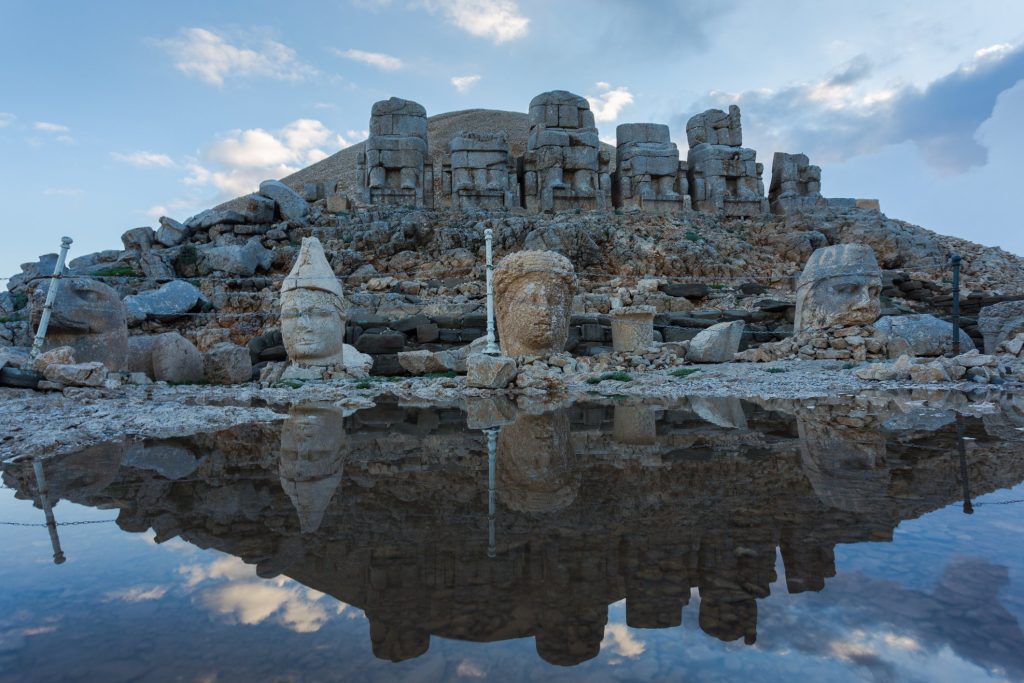
- Beyond the well-known landmarks, Turkey offers many other historical and archaeological sites worth visiting. Among them is Mount Nemrut, in southeastern Turkey, famous for its massive stone heads from the ancient Kingdom of Commagene.
- The ancient city of Hattusa, near Çorum in north-central Turkey, was the capital of the Hittite Empire and contains significant ruins dating back to the second millennium BCE.
- Lastly, Göbekli Tepe, near Şanlıurfa, is one of the oldest known ritual sites in the world, dating back approximately 11,500 years to the Pre-Pottery Neolithic era. It is considered a groundbreaking archaeological discovery that reshaped our understanding of early human civilization.
Top Natural Destinations in Turkey:
Turkey is renowned for its stunning coastlines stretching along the Aegean Sea, the Mediterranean Sea, the Black Sea, and the Sea of Marmara, offering visitors a diverse array of breathtaking landscapes and enjoyable outdoor activities.
- The Aegean and Mediterranean coasts are famous for their golden sandy beaches and crystal-clear waters, attracting tourists from around the world. Among the most popular beaches are Ölüdeniz, Patara, and Lara Beach.
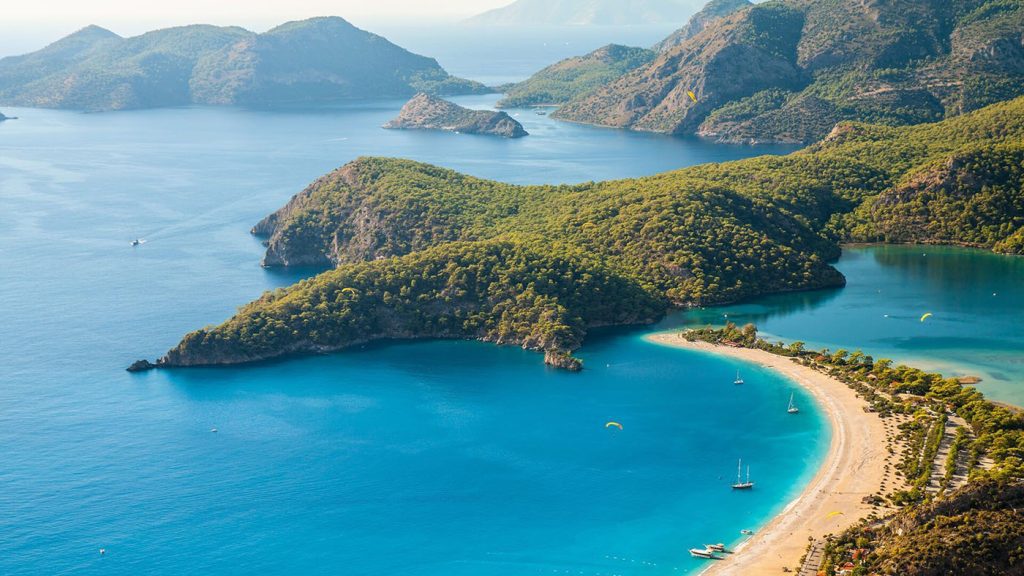
- In contrast, the Black Sea coast offers lush green landscapes and rugged terrain, providing visitors with unique natural scenery and opportunities for relaxation, water sports, and exploring the unspoiled beauty of Turkey’s northern coastline.
Beyond the beaches, Turkey is home to numerous national parks and nature reserves, known for their striking beauty and rich biodiversity.
- The region of Cappadocia is famous for its surreal rock formations known as “fairy chimneys,” creating a truly magical landscape.
- Pamukkale is another extraordinary natural site, characterized by white travertine terraces formed by the flow of mineral-rich thermal waters.
- The Kaçkar Mountains in the Black Sea region are a paradise for hikers and nature lovers, offering scenic mountain trails and alpine beauty.
- Additional highlights include national parks such as Yedigöller (Seven Lakes), Köprülü Canyon, and the Dilek Peninsula, all of which showcase the natural diversity of the country.
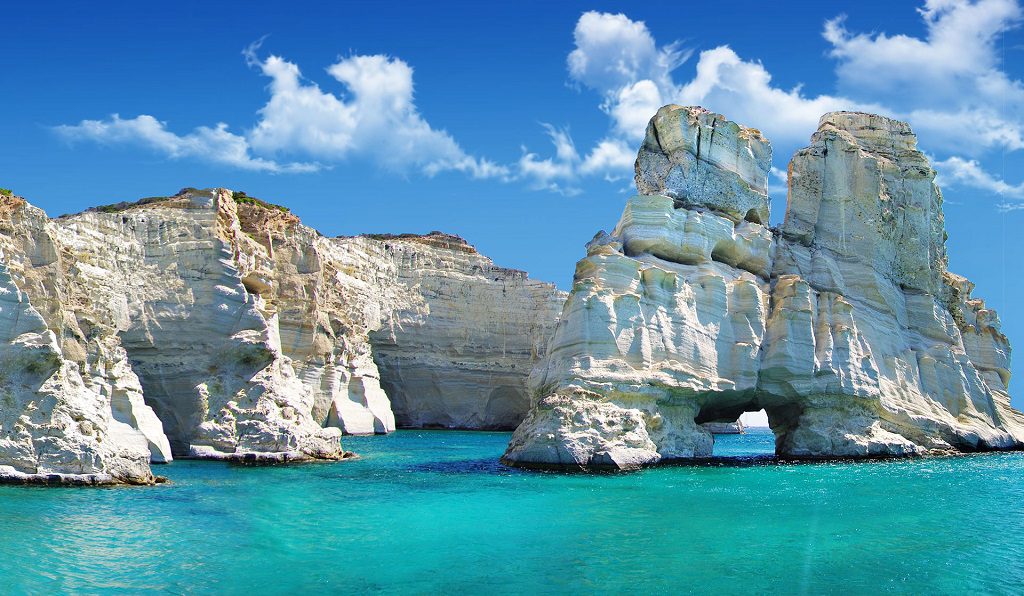
Turkey’s natural landscapes also include lakes, rivers, mountains, and unique geological formations that further enhance its appeal.
- Lake Van, the largest lake in Turkey, is located in the east and is known for its deep blue waters and breathtaking surroundings.
- The Belgrad Forest, a popular retreat for Istanbul’s residents, offers a peaceful escape into nature with hiking and biking trails.
- Butterfly Valley in Fethiye is a natural sanctuary home to many rare butterfly species.
- Saklıkent Gorge is a deep and narrow canyon with cold mountain waters and striking rock formations.
- Mount Ararat, the highest peak in Turkey, holds cultural and religious significance and is traditionally associated with the biblical resting place of Noah’s Ark—though no definitive archaeological evidence supports this.
With its historical charm, natural beauty, and vibrant modern cities, Turkey promises an unforgettable journey for every traveler seeking culture, adventure, and inspiration.
To uncover more of Turkey’s hidden gems and top travel spots, visit Nutrition Travels, where you’ll find everything you need to plan the perfect adventure. Join us now and start your adventure with Turkey in all its details!