
Fats play an important role in diet and overall health. The impact of healthy fats and heart health on the elderly is even more important due to the increased risks associated with heart disease. and blood vessels with age.
Types of Fats and Their Impact on Health
Fats are divided into several types, each with different effects on health:
Saturated Fats:
Saturated fats provide some energy and help the body absorb some vitamins. Eating too much can lead to high levels of harmful cholesterol (LDL). Balance is key: While some saturated fats are okay, it is important to focus on healthy fats during pregnancy, such as avocados, nuts, and olive oil, as they are full of essential nutrients.

Trans Fats:
These fats are found in processed foods and ready-made baked goods, and they pose a problem for heart health. They’re like little bullies, increasing bad LDL cholesterol and decreasing good HDL cholesterol. This increases the risk of heart disease in the future.
Unsaturated Fats:
Unsaturated fats are like your favorite foods. They’re found in delicious plant sources and pack a powerful punch for your health: Found in delicious sources like vegetable oils, nuts, and seeds, they’re all important for your heart health.
Importance of Healthy Fats for Heart Health
Healthy fats, particularly unsaturated fats, play a crucial role in supporting heart health by providing several benefits, including:
Lowering LDL Cholesterol Levels:
The Power of Polyunsaturated Fats: Omega-3 fatty acids, a type of polyunsaturated fat, are important for heart health. They are rich in fatty fish and also help lower bad LDL cholesterol. Talk to your doctor about the appropriate amount and types of healthy fats.
Increasing HDL Cholesterol Levels:
The power of unsaturated fats: Found in delicious plant sources like olive oil, nuts, and seeds, these fats provide a double whammy for your heart health. Skip the butter and use olive oil for cooking and salad dressing. These monounsaturated fats add a delicious twist to your meals. Snack on almonds, walnuts, or cashews for a healthy dose of monounsaturated and polyunsaturated fats.
Reducing Inflammation:
These fats are found in delicious plant sources like olive oil, nuts, and seeds. Omega-3 fatty acids, a type of polyunsaturated fat found in fatty fish, have superpowers that go beyond heart health! They possess anti-inflammatory properties, which can help reduce chronic inflammation associated with heart disease and other health concerns.
Improving Blood Vessel Flexibility:
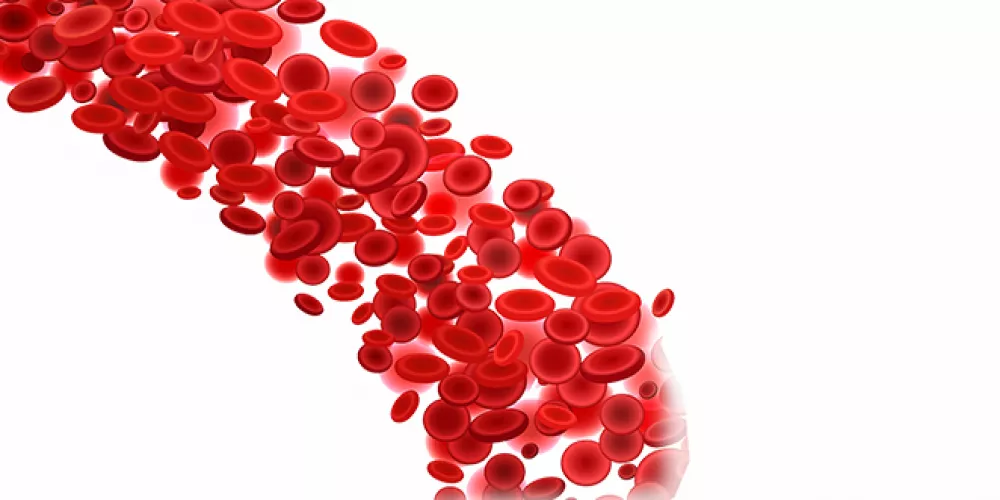
Making smart choices about fats goes beyond just heart health. Found in delicious plant sources like olive oil, nuts, and seeds, these healthy fats also work wonders for your blood vessels! It helps improve elasticity and reduce stiffness, resulting in smoother blood flow throughout the body.
Sources of Healthy Fats
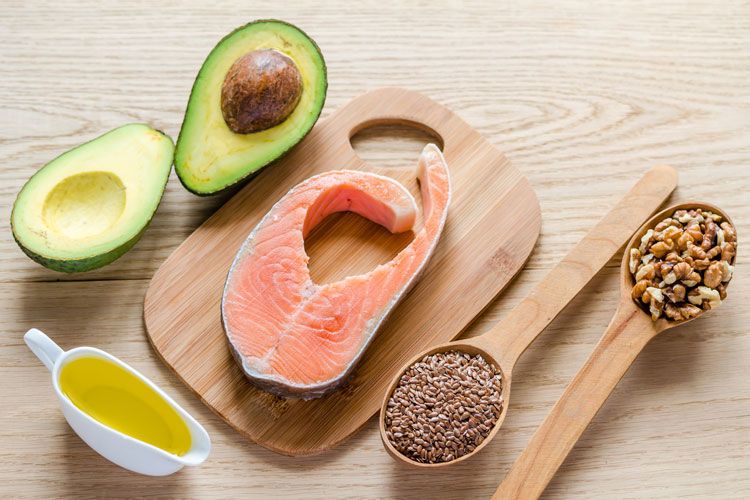
There are many sources rich in healthy fats that can be included in the diet of the elderly to support heart health:
Fatty Fish:
Such as salmon, mackerel, and sardines, which contain high levels of omega-3 fatty acids.
Nuts and Seeds:
Such as walnuts, almonds, chia seeds, and flaxseeds, which provide both monounsaturated and polyunsaturated fats.
Vegetable Oils:
Such as Olive oil, canola oil, and avocado oil are high in monounsaturated fats.
Avocados:
A rich source of monounsaturated fats and fiber.
Studies on the Impact of Healthy Fats on Heart Health for the Elderly
Studies have shown that including healthy fats in your diet can have significant positive effects on heart health. It reduces the risk of heart disease: A study published in the “Journal of the American Heart Association” found that eating unsaturated fats instead of saturated fats can reduce the risk of heart disease by up to 30%.
Dietary Recommendations for the Elderly
To obtain the health benefits of healthy fats, it is recommended that the elderly follow some dietary guidelines:
Choose Vegetable Oils:
Vegetable oils such as olive oil and canola oil contain less saturated fat than butter. Considered a heart-healthy choice, these oils are rich in monounsaturated and polyunsaturated fats, which can help lower bad cholesterol and promote heart health. Vegetable oils provide a variety of flavors and cooking options, making your meals delicious and nutritious.
Eat Fatty Fish:
As we get older, taking care of our hearts becomes more important. That’s why incorporating fatty fish into your diet 2-3 times a week can be a delicious way to support heart health and overall well-being. Fish like salmon, tuna, and sardines aren’t just delicious dishes — they’re full of a special type of fat called omega-3 fatty acids.
Control Portion Sizes:
Fats such as those found in olive oil, nuts, and fatty fish provide a wealth of health benefits, but they are also high in calories. This means they pack a lot of power into a small amount. While this is great for maintaining your energy, it’s important to be mindful of portion sizes to avoid unwanted weight gain. The ideal amount of healthy fats depends on your individual needs and activity level.
Avoid Trans Fats:
Throw those processed foods and greasy pastries in the trash. They’re full of evil trans fats that want to destroy your health goals. Prepare fresh, delicious meals that will nourish your body and taste like a champ!

Healthy fats play a vital role in supporting heart health for the elderly. By choosing unsaturated fats and incorporating them into the diet, it is possible to reduce the risk of heart disease and improve overall health. Vegetable oils, fatty fish, nuts, and avocados are some of the best sources of healthy fats. Adopting a healthy lifestyle that includes healthy fats and regular physical activity can help the elderly enjoy a healthy and active life, free from heart problems.