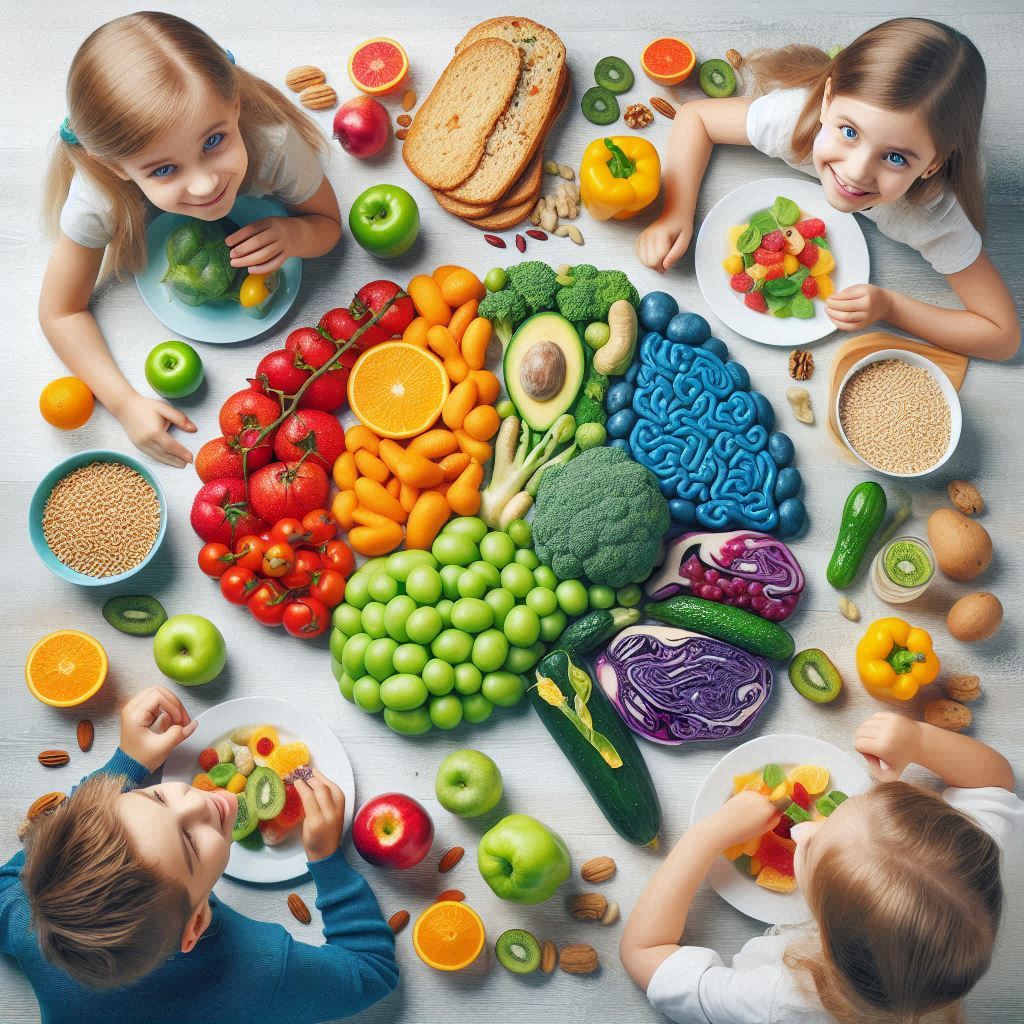
In today’s world, nutrition and focus have become more important than ever for children, especially with the continuous increase in the use of smart devices and their impact on attention span. A child’s cognitive development does not depend solely on education or environment; it also extends to what the child consumes daily. Foods that provide essential nutrients can play a significant role in supporting concentration, enhancing memory, and stimulating healthy brain development.

The Importance of Nutrition and Focus in Brain Development:
A child’s brain forms thousands of connections every second, laying the foundation for learning, language acquisition, and motor skills. During these formative years, proper nutrition helps strengthen these neural pathways, making it easier for children to absorb new information.
Consuming brain-healthy foods is crucial for children, as these foods support brain growth and development. They improve various aspects of a child’s life, including memory, focus, attention, and problem-solving skills. Essential nutrients such as omega-3 fatty acids, high-quality proteins, iron, zinc, and B vitamins are among the most important components that contribute to optimal brain function. A deficiency in any of these nutrients can affect the child’s ability to concentrate and even learn effectively.
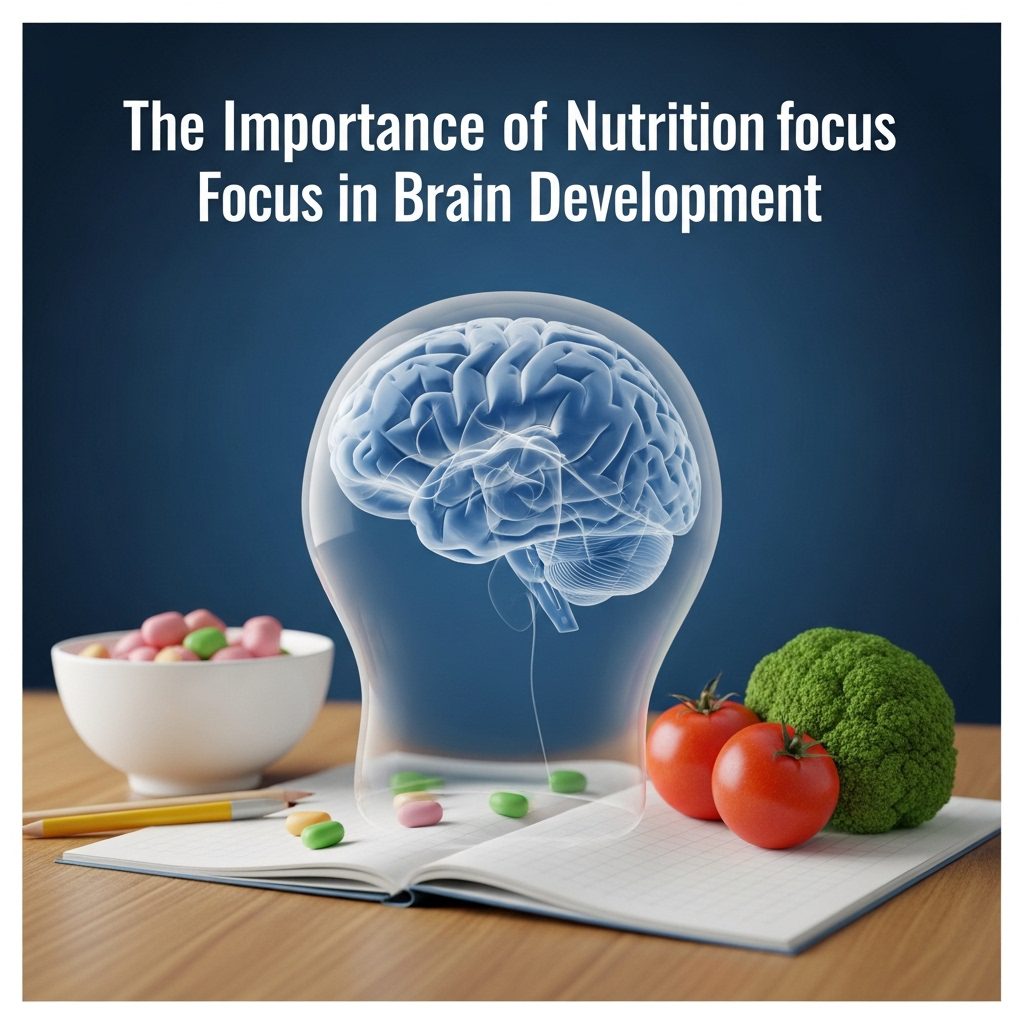
Foods That Boost Nutrition and Focus in Children:
1. Eggs:
Eggs are highly nutritious and generally favored by young children. They contain nutrients that boost brain function, including choline, vitamin B12, and protein.
2. Yogurt:
Unsweetened yogurt is an easy and suitable way for children to support brain development. It contains essential nutrients like protein, zinc, choline, and iodine. Children need iodine for thyroid hormone production, which is essential for brain growth.
3. Nuts and Seeds:
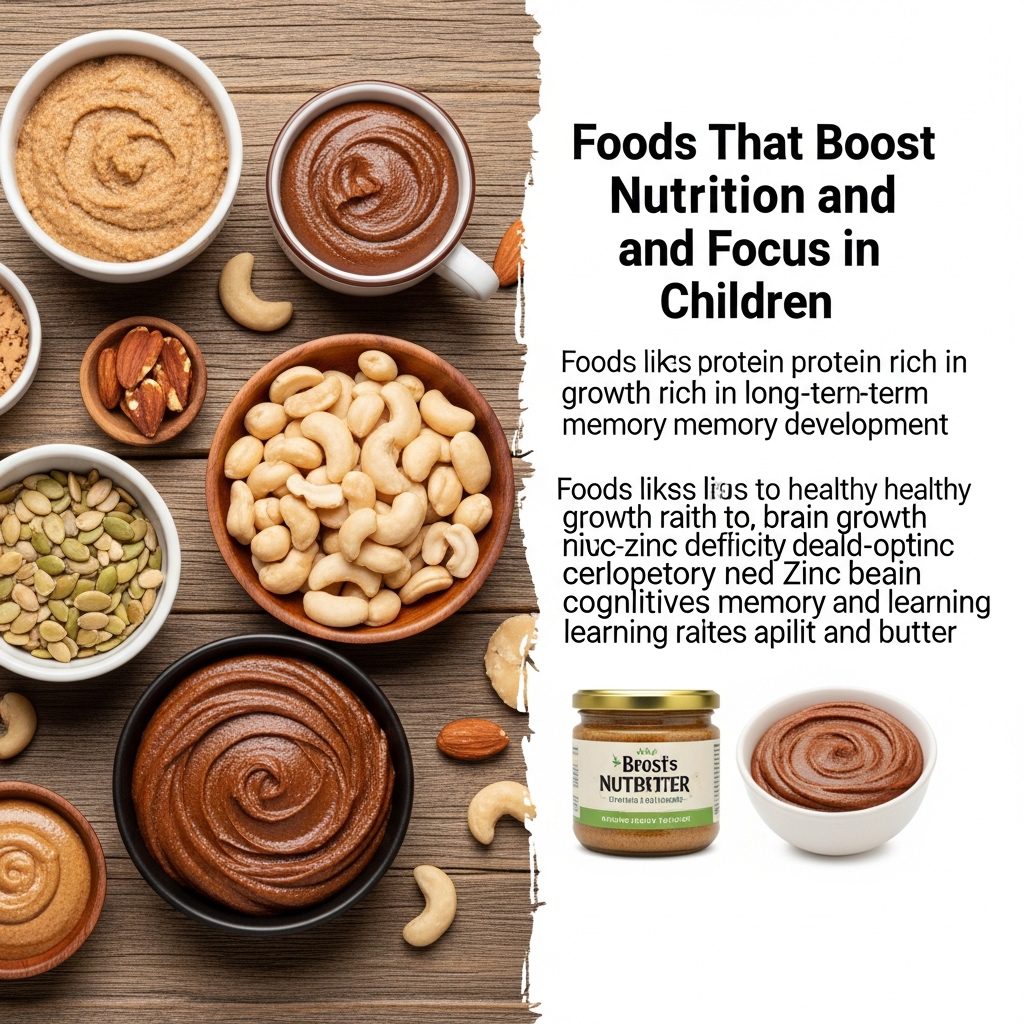
Foods like nuts, seeds, and nut butters make excellent snacks rich in protein and zinc. Protein contributes to healthy brain growth and long-term memory development, while zinc plays a crucial role during early childhood when the brain grows rapidly. Zinc deficiency can negatively affect a child’s cognitive development, weakening memory and learning abilities.
4. Whole Grains:
Oats, brown rice, and quinoa contain complex carbohydrates that provide steady energy for the brain without sudden spikes in blood sugar. Stable energy is important for young children during early learning stages.
5. Water and Healthy Fluids:
Hydration is essential for mental health. Even mild dehydration can reduce focus and affect cognitive performance in children. Encouraging children to drink water regularly and avoiding high-sugar soft drinks helps maintain optimal brain function.
6. Fatty Fish:
Fatty fish such as salmon and tuna contain omega-3 fatty acids, which are among the most important nutrients for brain growth. These fatty acids help build nerve cells and strengthen connections between them, which improves memory and focus. Studies indicate that children who get enough omega-3s demonstrate higher learning abilities.

General Tips to Support Nutrition and Focus:
1. Diversify food sources to include proteins, healthy fats, complex carbohydrates, vitamins, and minerals.
2. Offer healthy snacks such as nuts and fruits instead of processed sweets.
3. Encourage children to try new and different foods to expand their nutritional range.
4. Monitor sugar and soft drink intake to maintain stable energy levels.
5. Create a calm and enjoyable eating environment where the child can focus on meals without distractions.

Nutrition is not just a means to satisfy hunger; it is a cornerstone for brain development and a child’s ability to focus and learn. Choosing foods rich in essential nutrients such as omega-3s, proteins, vitamins, and minerals can greatly enhance memory and attention.
Ultimately, understanding the relationship between food and focus opens the door to improving children’s cognitive performance naturally and healthily, making nutrition an indispensable element in developing mental capacities from an early age. For more information and valuable nutritional advice, you can visit Nutrition Travels, where we provide reliable and up-to-date content on nutrition and children’s brain health.